Utilities are shifting to cleaner power, but the transition is landing on customers first, with grid upgrades, compliance costs and higher rates increasingly carrying the bill.
Utilities face higher bills from clean energy spending
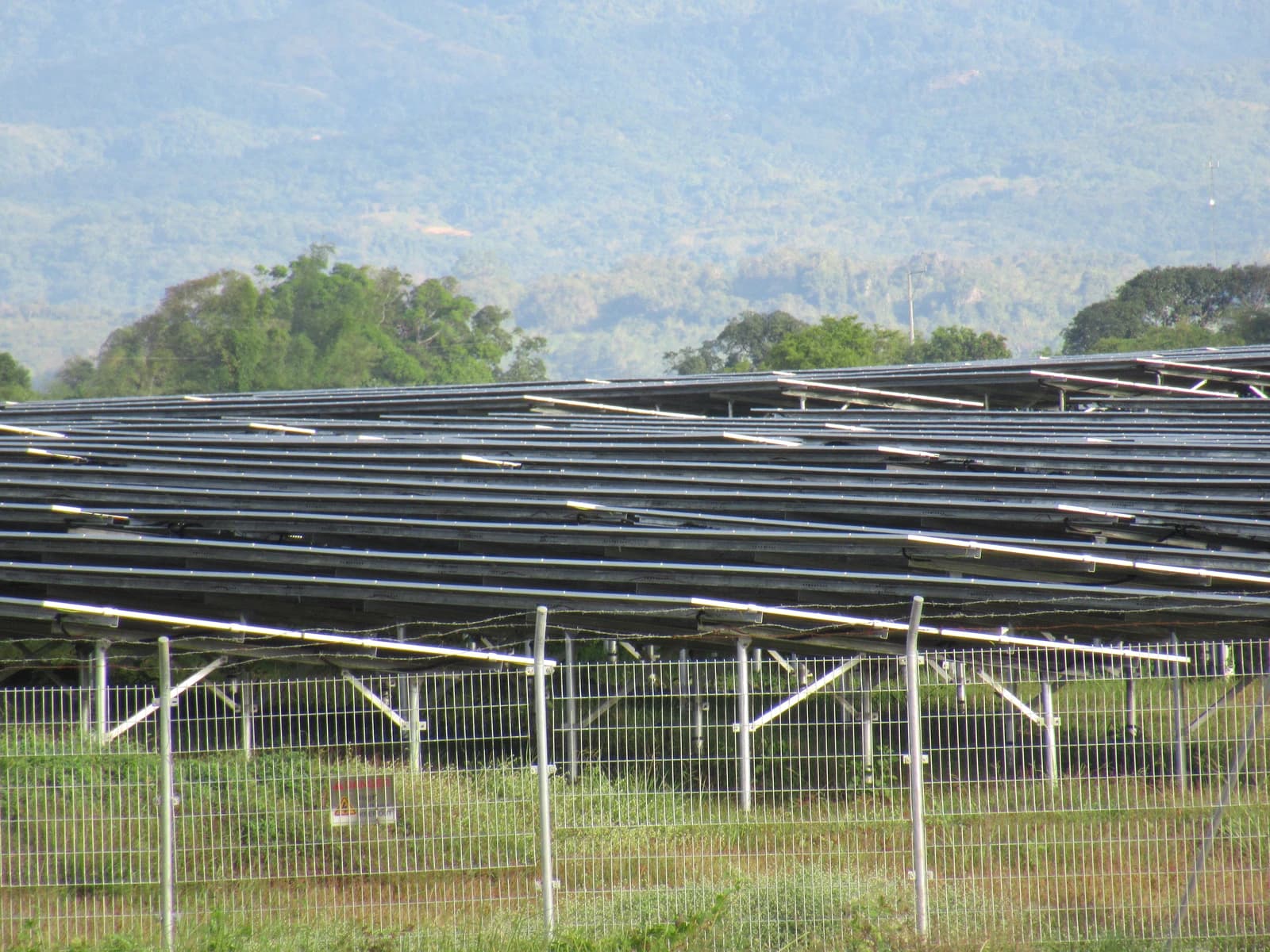
That is the economic reality behind the “clean energy” pitch: the companies that still rely heavily on fossil-fuel generation are spending heavily to modernize transmission, add renewable capacity and meet tougher environmental rules, but much of that spending is flowing through regulated rate cases and showing up as higher utility bills. In California, the Home Energy Choice Act is expected to lift costs as the state finances grid upgrades needed to cope with record heat and rising demand, underscoring how decarbonization often begins as an affordability problem before it becomes a climate solution.
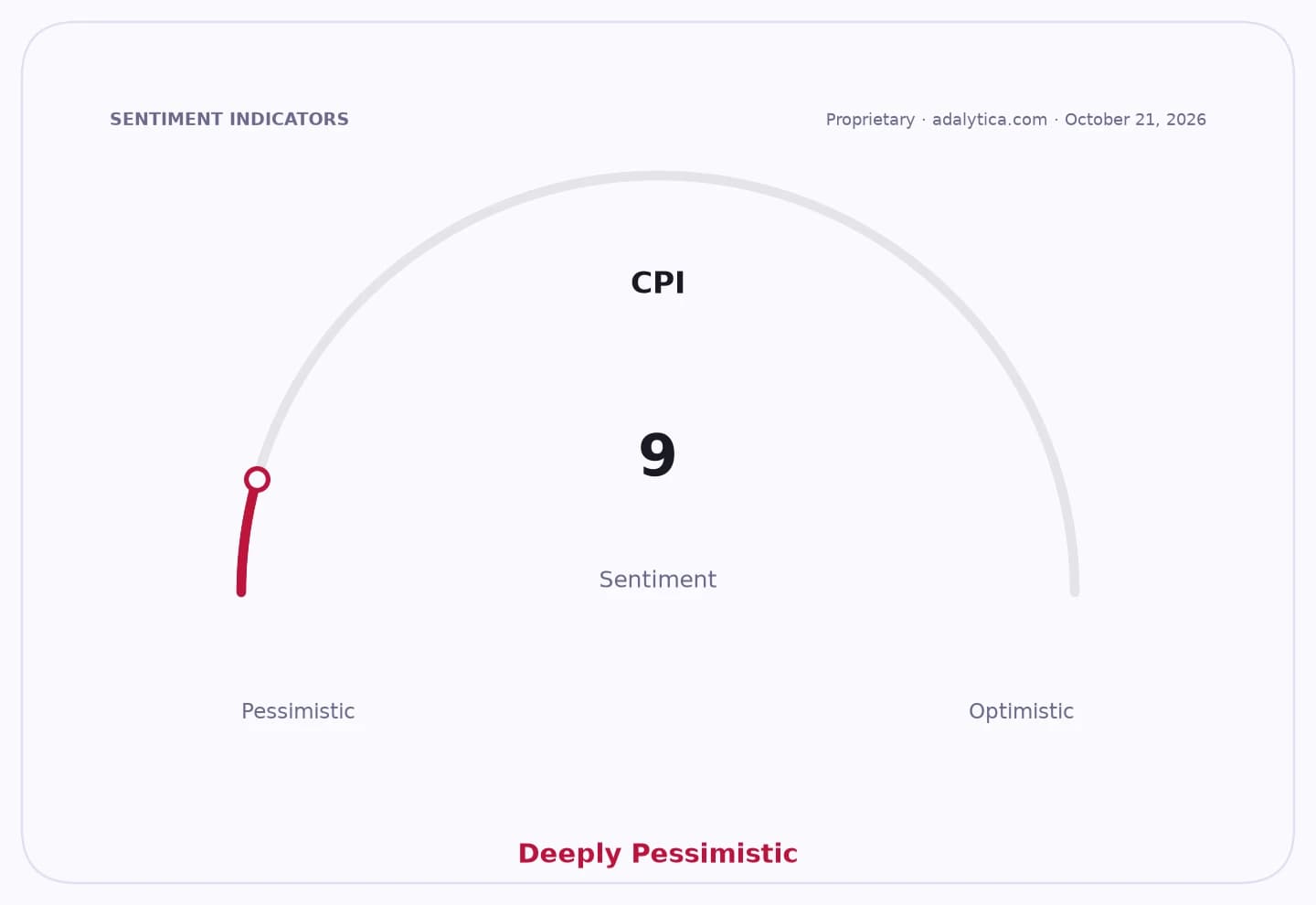
Sentiment IndicatorsⓘProprietary · adalytica.com · October 22, 2026
This is a snapshot — live sentiment, awareness and momentum for 130+ markets update continuously in the dashboard.Open AlphaPulse
The tension is not limited to one state. Across the utility sector, filings show companies warning that environmental regulation, pollution controls and CO2 standards require significant capital investment, while also saying they will seek to recover those costs from customers. American Electric Power has told investors it expects to pursue rate recovery for pollution-control spending, and peers including Duke Energy and Xcel Energy are managing similar regulatory and infrastructure pressures. The result is a familiar utility trade-off: cleaner generation, but at a higher near-term cost base.
For investors, that has two implications. First, utilities with the balance sheet and regulatory relationships to push through capital plans can still justify premium valuations, especially in a market that tends to reward defensive cash flows. Second, the sector’s clean-energy narrative is vulnerable when bills rise faster than promised benefits. Consumers may support the long-term shift to renewables, but near-term sticker shock can delay approvals, intensify political scrutiny and compress allowed returns.
The stock backdrop reflects that split. Utility-focused ETFs such as the Utilities Select Sector SPDR have been relatively resilient, while large names like NextEra Energy and Duke have seen sharp moves as traders weigh growth prospects against rate pressure and policy risk. At the same time, the broader energy complex has rallied, highlighting how capital continues to favor conventional fuel exposure even as utilities are asked to fund the transition.
The bigger story is that the clean-energy buildout is not free, and utilities are no longer able to present decarbonization as a pure public-good investment. The winners are the regulated utilities that can finance large projects and recover costs. The losers are ratepayers, and potentially the companies that fail to convince regulators and investors that higher bills are delivering measurable long-term value.
| Entity | Gains | Losses |
|---|---|---|
| Regulated utilities | ▲Cost recovery | ▼Affordability backlash |
| Ratepayers | ▲Cleaner grid long term | ▼Higher monthly bills |
| Renewable developers | ▲More project demand | ▼Financing hurdles if costs rise |
| Fossil-heavy utilities | ▲Transition spending support | ▼Greater scrutiny of legacy assets |