If Bruce Blakeman wants to truly cut Long Island utility bills in half, the arithmetic says he would need to attack the cost structure of New York’s power system, not just promise relief at the ballot box.
Long Island utility bills and utility stocks
That matters because electricity is one of the few household expenses that can be reshaped quickly by policy, but only if a candidate is willing to confront the trade-offs: higher subsidies, slower investment, or pressure on utilities and regulators. For investors, the issue is bigger than one election sound bite. It touches the earnings outlook for regulated utilities like Consolidated Edison, NextEra Energy and Edison International, the pricing power of state-regulated monopolies, and the political risk that affordability concerns will drive new rules on rates and recovery of capital spending.
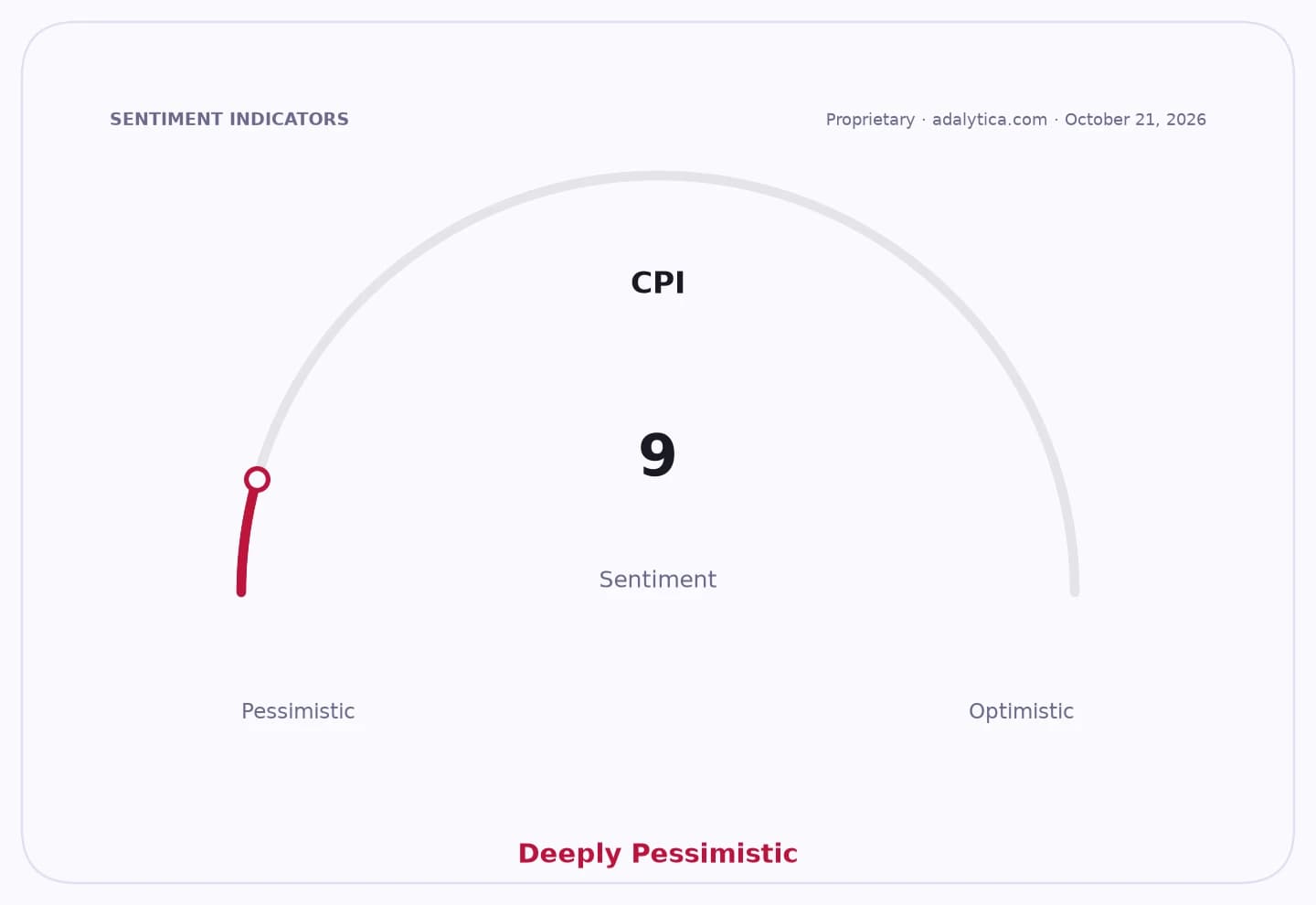
Sentiment IndicatorsⓘProprietary · adalytica.com · October 21, 2026
This is a snapshot — live sentiment, awareness and momentum for 130+ markets update continuously in the dashboard.Open AlphaPulse
Blakeman has been telling voters he can slash energy bills, but the data behind New York’s utility problem points in the opposite direction: energy affordability is already straining households, while utility companies are still trying to recover rising fuel, capital and infrastructure costs through rates approved by regulators. In New York, those rate mechanisms are central to the business model. Utilities typically recover purchased power costs and earn a regulated return on capital spending, which means bill relief on a large scale would likely have to come from politicians, not from the companies themselves.
That is why the proposal resonates politically and looks difficult economically. Utility bills are being driven not just by one expense line but by a mix of generation costs, grid upgrades, property taxes and clean-energy spending. The latest utility filings show companies warning that they cannot predict further legislative or executive measures that might follow affordability pressures. At the same time, some utilities are still implementing rate increases of roughly 3.5% a year, underscoring how hard it is to hold down bills while maintaining reliability and investing in the grid.
For investors, the stock reaction in utility names tells the story. Shares of Consolidated Edison have held up better than some peers, while NextEra Energy has been more volatile, reflecting the market’s constant balancing act between yield, growth and regulatory scrutiny. Edison International, another heavily regulated utility, has also shown how sensitive the sector is to policy changes and rate-case outcomes. The 10-year Treasury yield near 5.1% only adds to the pressure: higher bond yields make utility dividends less attractive and raise the cost of capital for companies that need to finance big infrastructure programs.
The real long-term question is whether politicians can lower bills without starving the system of the investment it needs. That is the same dilemma facing many states: consumers want relief now, but utilities still have to finance transmission, clean-energy buildout and maintenance. In other words, a promise to cut bills in half sounds simple, but the economic reality is that someone still has to pay for the power. Investors should watch the issue as a regulatory risk, not a quick trading theme, and keep it on the watchlist for the next round of rate cases and energy policy debates.
| Entity | Gains | Losses |
|---|---|---|
| Long Island households | ▲Near-term bill relief | ▼Less likely to face full-cost pricing |
| Utilities | ▲Political cover if costs are socialized | ▼Margin pressure if rates are capped |
| Regulated utility investors | ▲Stable policy if subsidies expand | ▼Higher regulatory risk and lower returns |
| Taxpayers/state budget | ▲None, if bills fall through rates | ▼Higher subsidy burden |