Mukilteo voters are again being asked to approve a $400 million school bond, a reprise that comes as borrowing costs remain far above the ultra-low-rate era and make long-delayed repairs more expensive to finance.
Mukilteo Voters Face $400 Million School Bond

The bond fight is economically significant because it sits at the intersection of public infrastructure need and a much tougher debt market. School districts can no longer rely on the cheap financing conditions that made large capital programs easier to digest. The 10-year Treasury yield has been trading around 5.2%-plus in recent sessions, a level that materially lifts the lifetime cost of municipal borrowing even for well-rated issuers. That makes every postponed elevator replacement, pipe repair or gym expansion more expensive in the end, while also sharpening the trade-off for taxpayers who must decide whether to pay now or pay later.
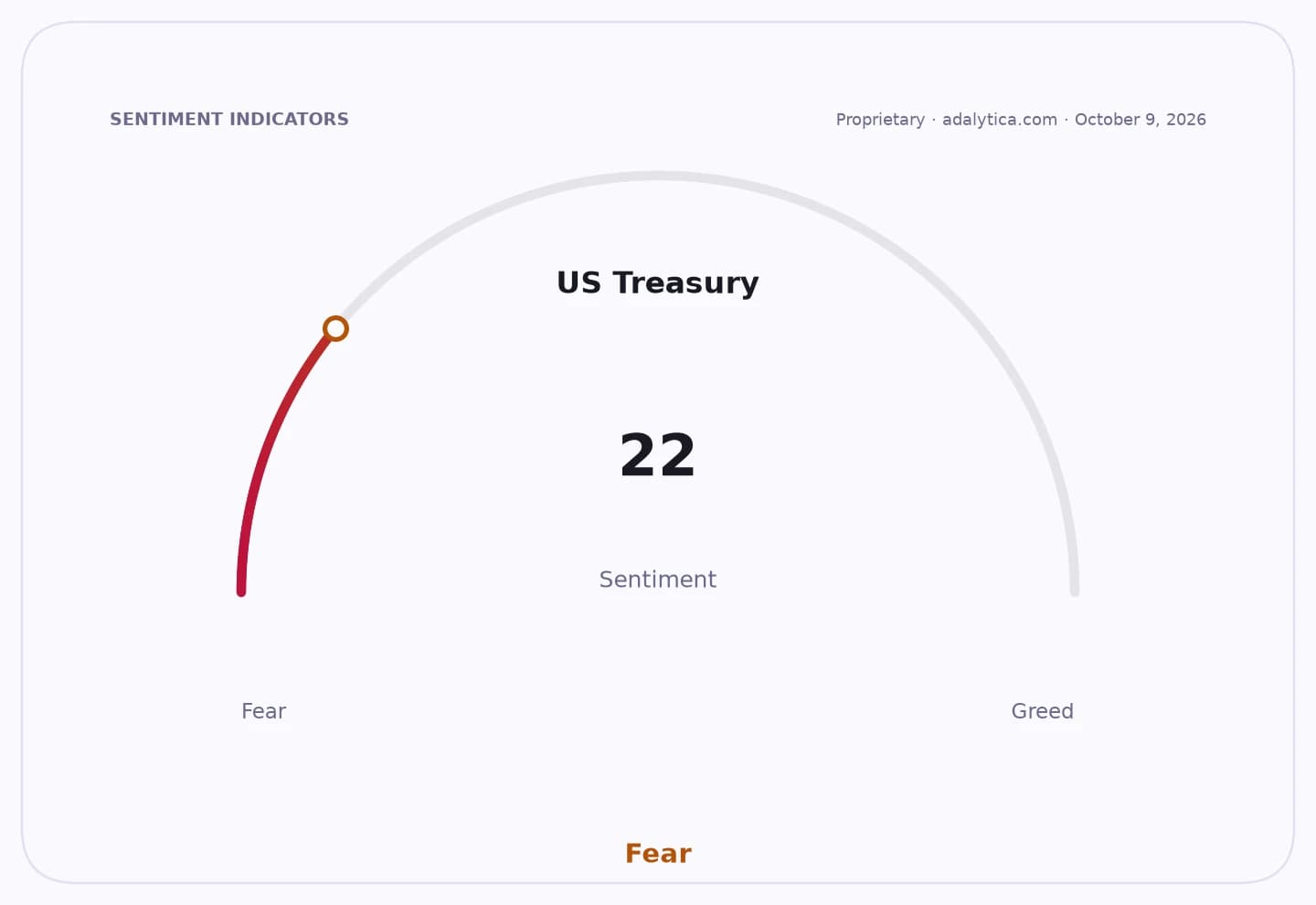
Sentiment IndicatorsⓘProprietary · adalytica.com · October 12, 2026
This is a snapshot — live sentiment, awareness and momentum for 130+ markets update continuously in the dashboard.Open AlphaPulse

For Mukilteo, the case for new debt rests on physical condition rather than ambition. Stuck elevators, burst pipes and undersized gyms are the kind of visible deterioration that turn a capital request into a referendum on basic maintenance and student safety. The bond’s return to the ballot suggests the district believes the first campaign did not fully overcome voter resistance, but the underlying need has not gone away. In municipal finance, repeated bond asks often reflect not only political fatigue but the reality that schools cannot defer replacement work indefinitely without driving up eventual costs.
That matters for investors because school bonds are a core slice of the $4 trillion-plus municipal market and because repeated local votes can shape supply and credit perceptions at the margin. General obligation debt backed by local taxing power is typically viewed as low risk, but voter approval is the gating event. If the measure passes, it adds to the pipeline of tax-backed issuance at a time when broad municipal funds such as MUB, VTEB and BND have been under pressure as rates reset higher. The recent weakness in these ETFs tracks the same macro backdrop: municipal prices have been softer as Treasury yields stay elevated, even while credit quality remains broadly stable.

The bond also lands against a complicated consumer and policy backdrop. U.S. unemployment has hovered around 4.1% to 4.2%, close to historically low levels, which should help local tax collections and household capacity to absorb a levy. But consumer sentiment remains subdued by historical standards, and that matters in ballot-box campaigns where homeowners focus on the monthly tax bill rather than the long-term asset life of a school roof or boiler. In that sense, Mukilteo is less a credit story than a test of whether communities will pay up now to avoid larger maintenance bills later.
For investors, the broader takeaway is that high rates are changing the politics of public borrowing, not just the math. Districts with aging facilities may come back repeatedly to voters because construction inflation, financing costs and deferred maintenance are all moving in the same direction. If Mukilteo passes, it reinforces the idea that urgent, visible capital needs can still clear even in a more rate-sensitive environment. If it fails, it would underscore how a tougher bond market is filtering down into local spending decisions and delaying infrastructure repair across school systems.
| Entity | Gains | Losses |
|---|---|---|
| Mukilteo schools | ▲facility repairs funded | ▼deferred maintenance burden |
| Taxpayers | ▲improved school buildings | ▼higher property taxes |
| Municipal bondholders | ▲more bond supply | ▼higher-rate refinancing pressure |
| School districts with aging assets | ▲ballot-box precedent if approved | ▼voter resistance if rejected |