Sgt. Bluff-Luton voters will decide in November whether to back a $38 million bond to replace a 1959 primary school whose aging plumbing, security and flood-prone systems are increasingly costly to patch.
Sgt. Bluff-Luton Voters Weigh $38 Million School Bond
That matters because the district is no longer talking about cosmetic upgrades. It is talking about whether to keep pouring money into a building where sewer backups, water intrusion and outdated entry controls are colliding with the basic obligation to keep young children safe. For local taxpayers, the choice is between financing a new facility attached to the elementary school campus or accepting a remodel that the district says would still leave the average homeowner paying about $60 a year less than the bond option.
Sentiment IndicatorsⓘProprietary · adalytica.com · October 3, 2026
This is a snapshot — live sentiment, awareness and momentum for 130+ markets update continuously in the dashboard.Open AlphaPulse
For investors, the story is a reminder that school construction remains a steady municipal-finance theme even when broader bond markets are volatile. School districts across the Midwest are facing the same math: inflation has lifted replacement costs, borrowing costs remain sensitive to Treasury yields, and communities are being forced to choose between deferred maintenance and large-scale capital spending. In that environment, essential public-project bonds tend to find support when they are tied to safety and functionality rather than expansion.
The Sgt. Bluff-Luton proposal would finance a new primary school for kindergarten through second-grade students and demolish the current building. District leaders say the existing school has chronic maintenance issues, including a boiler room at risk of flooding, walls that let water seep into the gymnasium and a security layout that allows entry once a visitor is buzzed in. If approved, construction would begin around June and the new building would likely open two years after groundbreaking, according to the district.
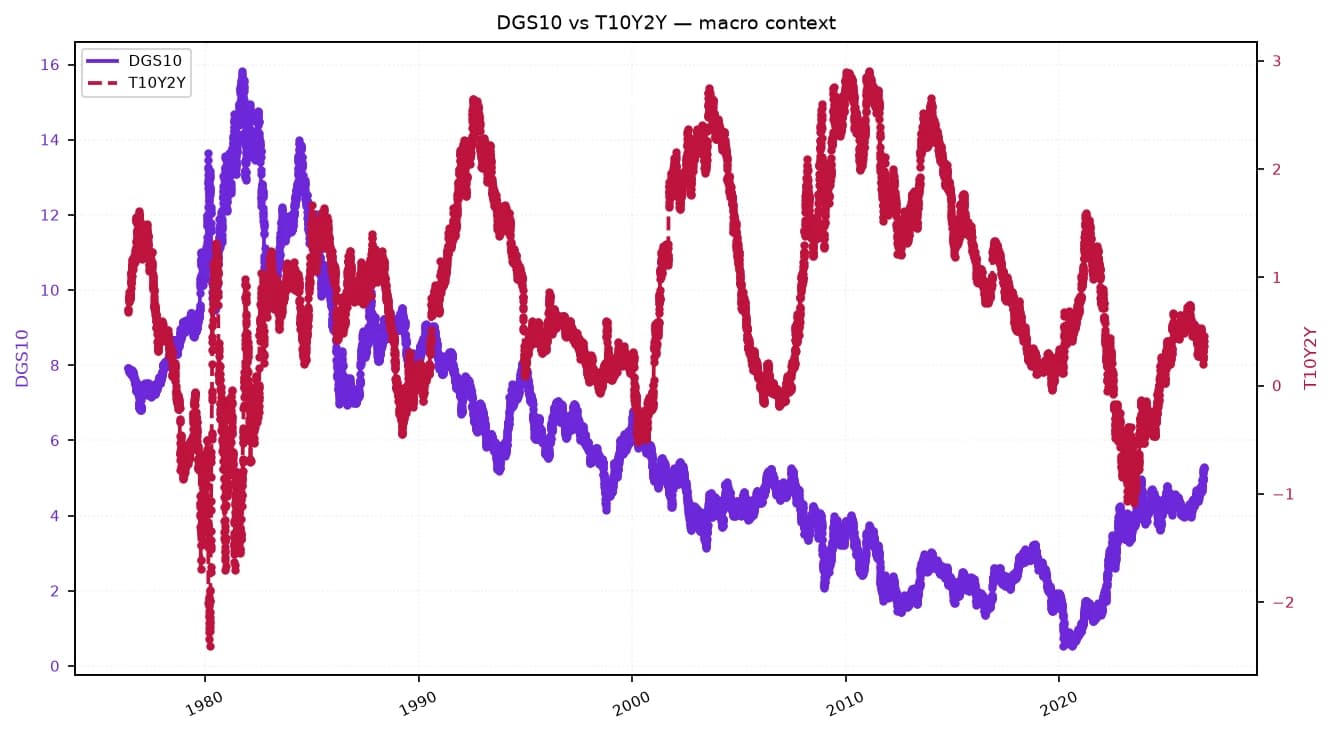
The bond also arrives at a time when financing conditions are still shaped by higher interest rates, with the 10-year Treasury hovering around 5.3%. That matters because municipal borrowers must sell not just a vision of better schools, but a debt package that can clear the market without overwhelming taxpayers. In practical terms, a project like this tends to fare best when the economic argument is simple: pay now for a modern building or pay later for recurring repairs with diminishing returns.
Our view is that the more important investable takeaway is not the ballot question itself, but the broader wave of municipal capital spending it represents. Aging public infrastructure, especially schools, is becoming a long-duration spending cycle, and that creates opportunity for contractors, architects, builders and municipal bond buyers willing to own high-quality tax-exempt paper. The market underestimates how many communities are moving from maintenance to replacement, and that shift can support a durable pipeline of public works.
For investors watching the muni market, the setup favors careful exposure to essential-service issuers and the firms that build around them. If voters approve the bond, Sgt. Bluff-Luton becomes one more data point in a national pattern: school districts can delay capex only so long before safety, insurance and operating efficiency force the issue. That is the kind of pressure that turns local ballot measures into a multi-year construction and financing tailwind.
| Entity | Gains | Losses |
|---|---|---|
| Sgt. Bluff-Luton School District | ▲New facility funding | ▼Deferred-maintenance burden |
| Local taxpayers | ▲Safer school asset | ▼Higher property taxes |
| Contractors and architects | ▲Construction pipeline | ▼— |
| Municipal bond buyers | ▲Tax-exempt issuance supply | ▼Rate-volatility risk |