Households across China are facing three costly changes from October that could reshape monthly budgets, access to care and winter safety, with the biggest economic impact coming from a new mortgage interest subsidy designed to support first-time buyers.
China October household policy changes
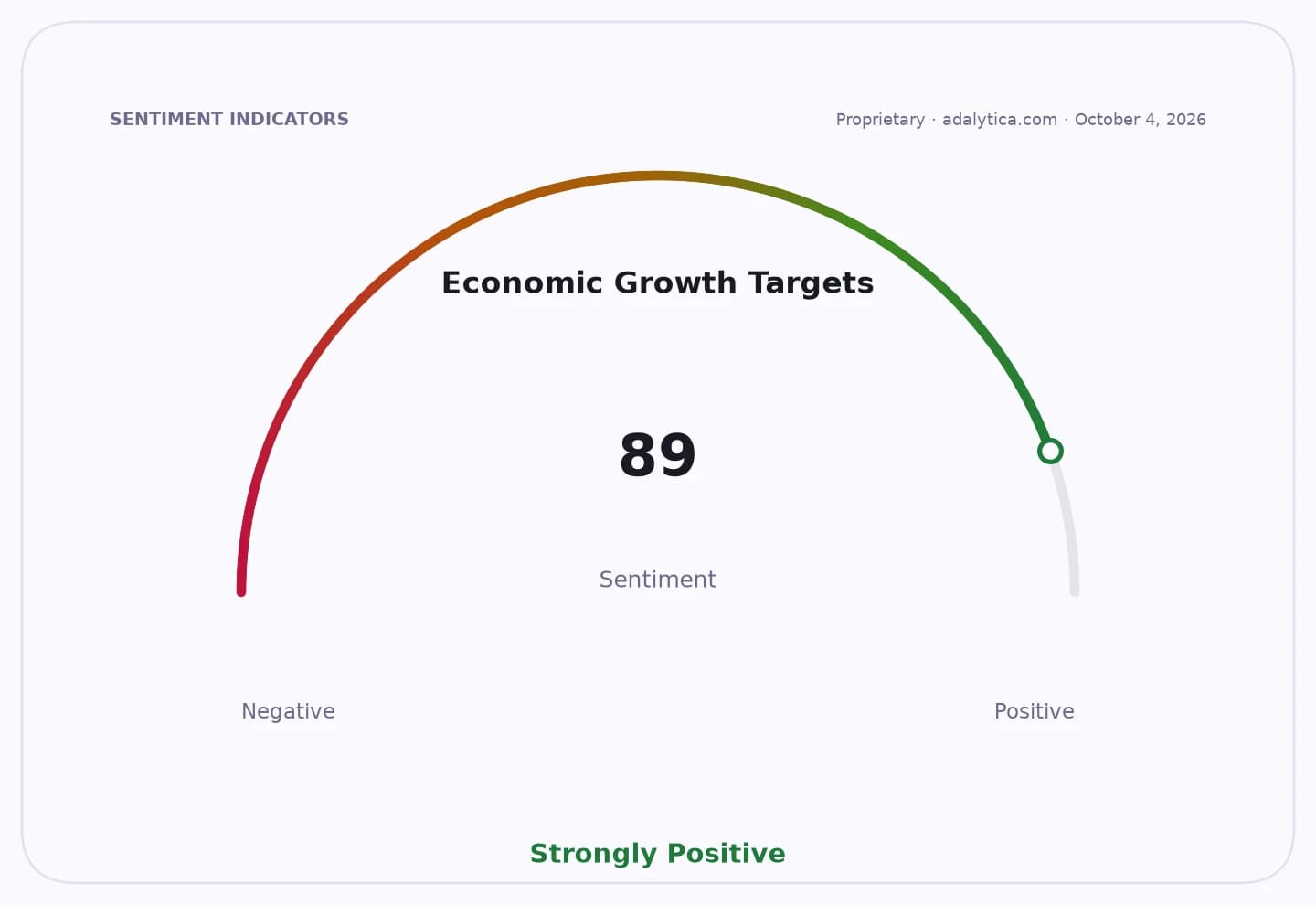
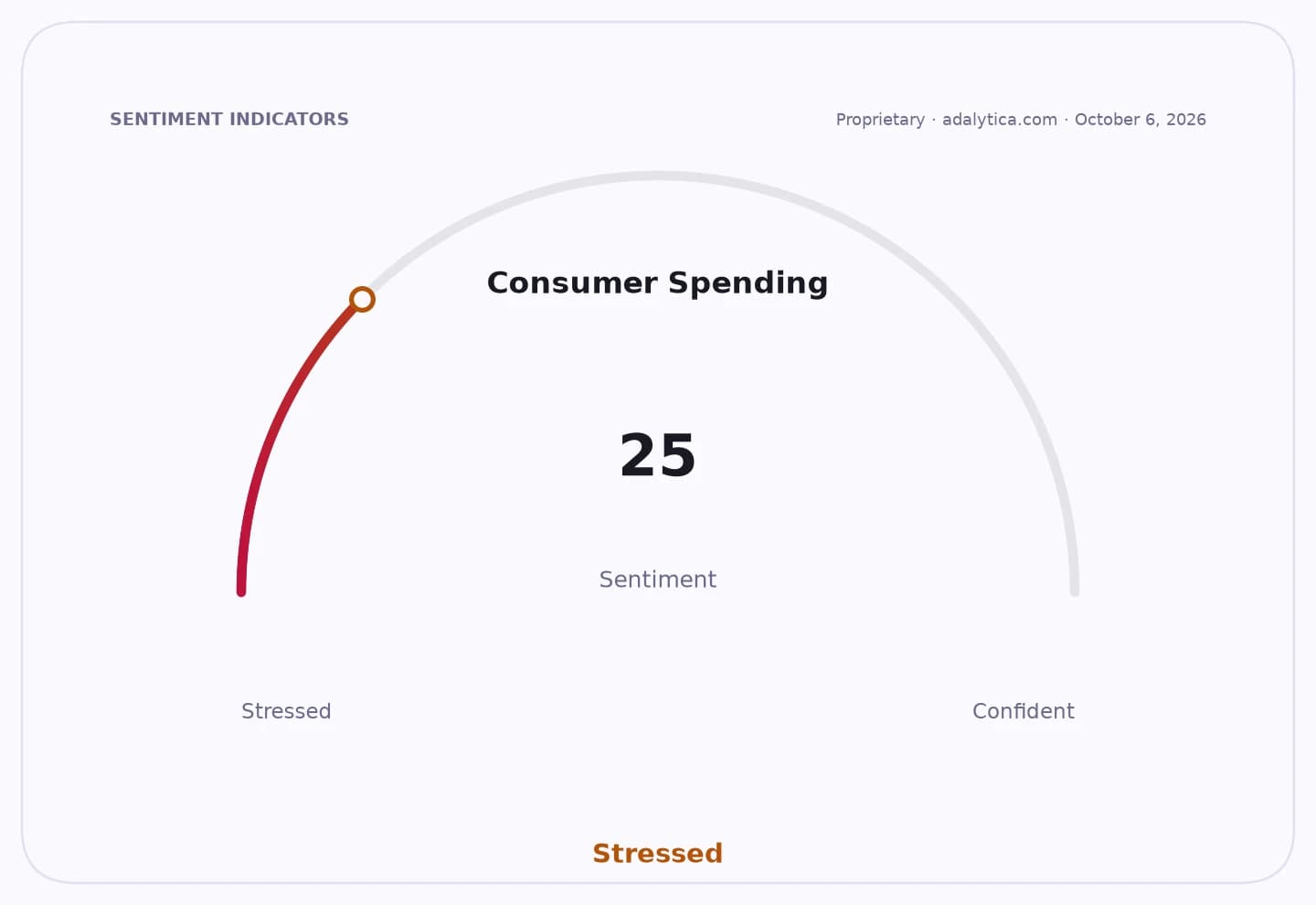
The package matters because it reaches into the three areas that most directly drive household balance sheets: housing payments, medical protection and pension income. In a period when consumer confidence remains fragile and families are still weighing discretionary spending carefully, even modest reductions in fixed costs can influence everything from home-buying decisions to precautionary savings.
Sentiment IndicatorsⓘProprietary · adalytica.com · October 7, 2026
This is a snapshot — live sentiment, awareness and momentum for 130+ markets update continuously in the dashboard.Open AlphaPulse
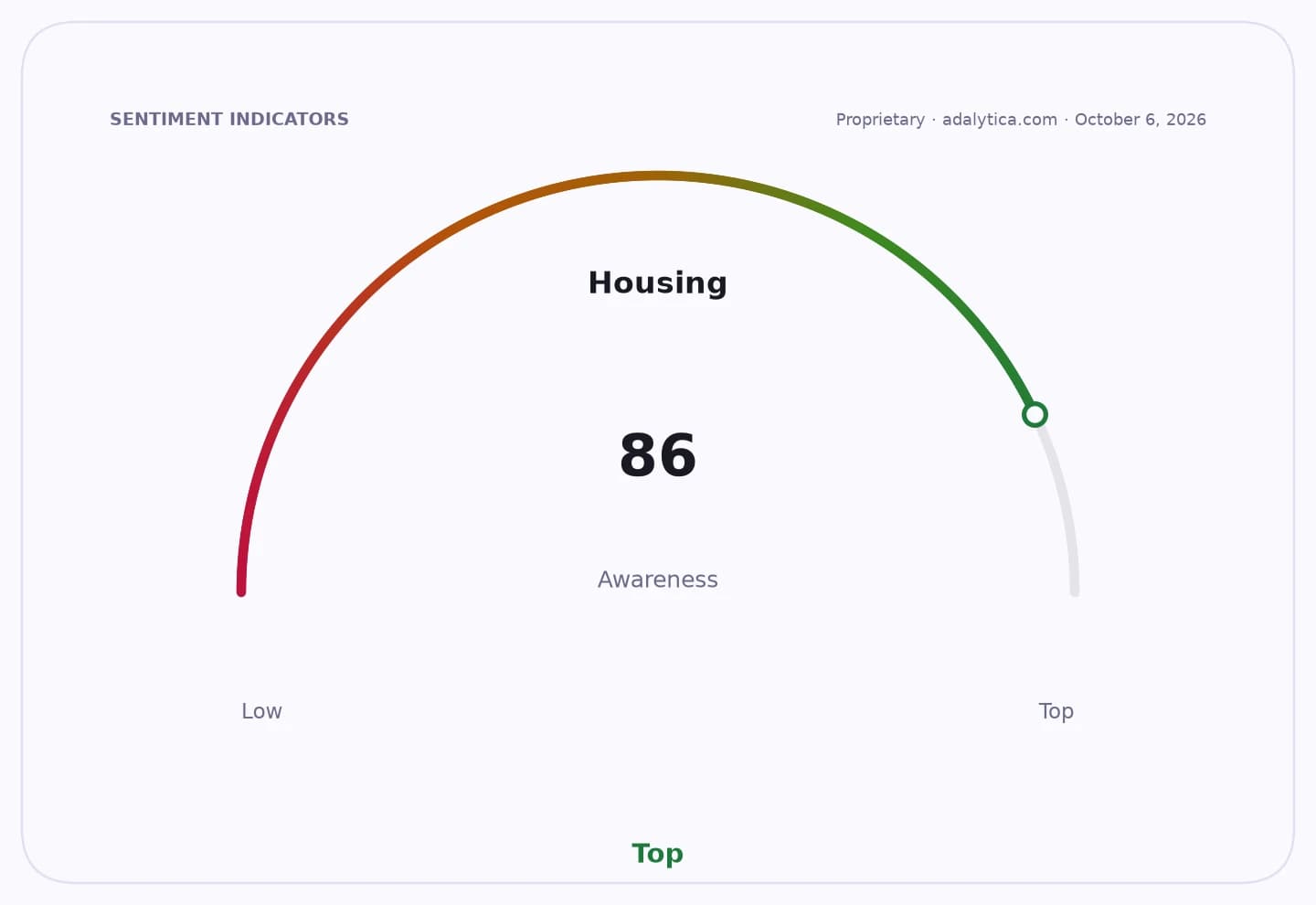
The most immediate financial support is the country’s first direct fiscal interest subsidy for individual home loans. From Oct. 1, qualifying first-home commercial mortgages can receive a one-percentage-point annual subsidy for as long as five years, with a loan principal cap of 1 million yuan. On a mortgage rate of about 3%, that effectively lowers borrowing costs to roughly 2% for eligible buyers, a meaningful cut in debt service at a time when property demand remains subdued.
For a 1 million yuan loan over 30 years, the monthly payment is about 4,243 yuan before subsidy. Over the five-year support period, the borrower could save nearly 50,000 yuan in interest. That is significant in a housing market where affordability remains stretched, especially for younger buyers, migrant workers and families in smaller cities. The policy is tightly targeted: it applies only to first-home commercial loans originated after Oct. 1, excludes provident fund mortgages, and is limited to homes of 120 square meters or less and priced below 1.5 million yuan. The narrow design suggests Beijing is trying to bolster genuine end-user demand rather than reignite speculation.
For investors, the measure is less a blanket stimulus than a controlled attempt to stabilize a critical sector without reversing broader deleveraging efforts. It may provide near-term support to selected developers, mortgage lenders and home appliance or furnishing names tied to first-time purchases, but the capped nature of the program also limits its market impact. The bigger read-through is policy intent: authorities are still willing to use fiscal tools to arrest weakness in housing demand, even as they avoid a broad-based bailout.
The second major change concerns rural and urban residents’ medical insurance and pension compliance. This year’s individual contribution is 400 yuan, with fiscal subsidies of no less than 700 yuan, but the cost of missing the enrollment window has increased. From 2025, those who fail to pay during the centralized collection period, or who break coverage, will face a waiting period of at least three months before medical reimbursement rights are restored, rising by one additional month for each year of prior interruption. A four-year gap could mean at least six months without reimbursement.
That raises the stakes for lower-income households, self-employed workers and families dependent on casual labor, for whom even a single hospital stay can erase a year’s income. It also reinforces the government’s broader push to improve participation in the social safety net, which is essential for managing long-term health spending and reducing the fiscal burden of emergency care.
The same issue applies to pension verification. In several regions, systems now automatically suspend payments if beneficiaries go more than 12 months without completing annual identity verification. While back payments are possible after rectification, the risk is obvious: older residents can suddenly lose access to expected income if they miss a routine digital check. For markets, this is not a direct investment theme, but it does speak to the state’s growing reliance on digital administration and the importance of maintaining trust in social transfers, a key support for household consumption among retirees.
The third shift is seasonal but economically relevant: the return of colder weather is increasing the risk of carbon monoxide poisoning, respiratory illness and heating-related accidents. As northern China begins centralized heating and southern households turn to electric heaters, gas appliances and coal stoves, the risk of unsafe indoor combustion rises. That brings higher demand for household safety equipment, better ventilation and, indirectly, more health-system stress during winter months.
Authorities are also pointing to the timing of flu vaccination, noting that immunity takes two to four weeks to build and that September to October is the key window ahead of the seasonal rise in cases from November. For households with older adults or young children, the implication is straightforward: preventive spending now can reduce far larger medical costs later. Pharmaceutical retailers, vaccine distributors and clinics may see a seasonal lift, but the broader economic significance is in avoided absenteeism and lower treatment costs.
| Entity | Gains | Losses |
|---|---|---|
| First-time homebuyers | ▲Lower mortgage costs | ▼Higher payment burden without subsidy |
| Banks and developers | ▲Stabilized loan demand | ▼Speculative buyers |
| Insured households | ▲Restored medical protection | ▼People who miss enrollment deadlines |
| Retirees and families | ▲More secure pension access | ▼Households that miss verification |
| Health and safety suppliers | ▲Seasonal demand lift | ▼Families exposed to winter risks |