Fewer Americans are getting grocery help from SNAP as new federal rules push more households off the rolls and shift a larger share of the program’s cost onto states, raising the risk of further cutbacks, delays and red tape.
SNAP enrollment falls as states face higher costs
SNAP enrollment fell almost 13% to 36.4 million people by June 2026, according to the latest figures, with about 1.5 million children among those no longer receiving benefits. The decline is not just a function of a strong labor market, as the White House argues, but also of a far-reaching tax-and-spending law signed in July 2025 that tightened eligibility, expanded work requirements and increased the burden on state and local governments that administer the program.
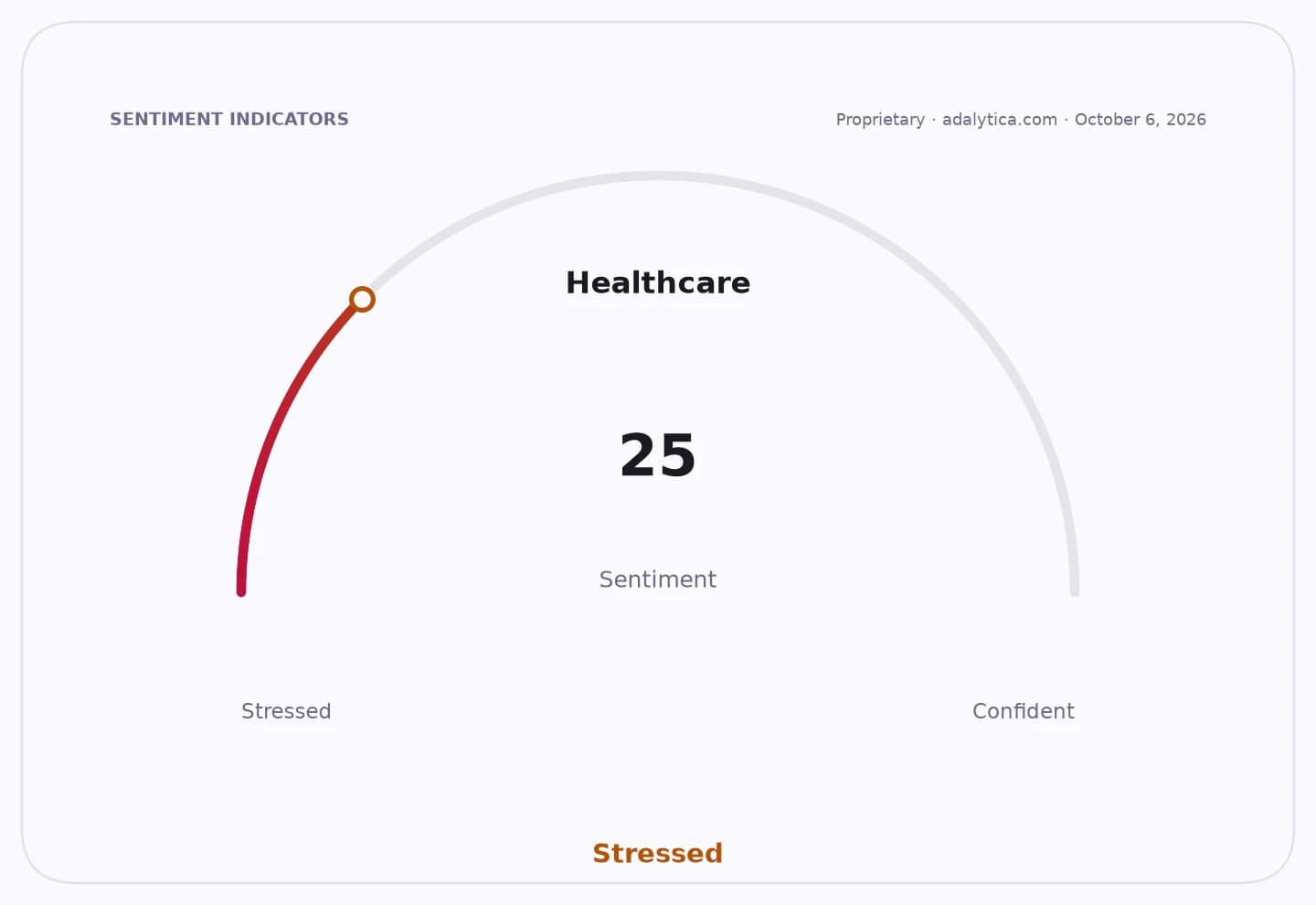
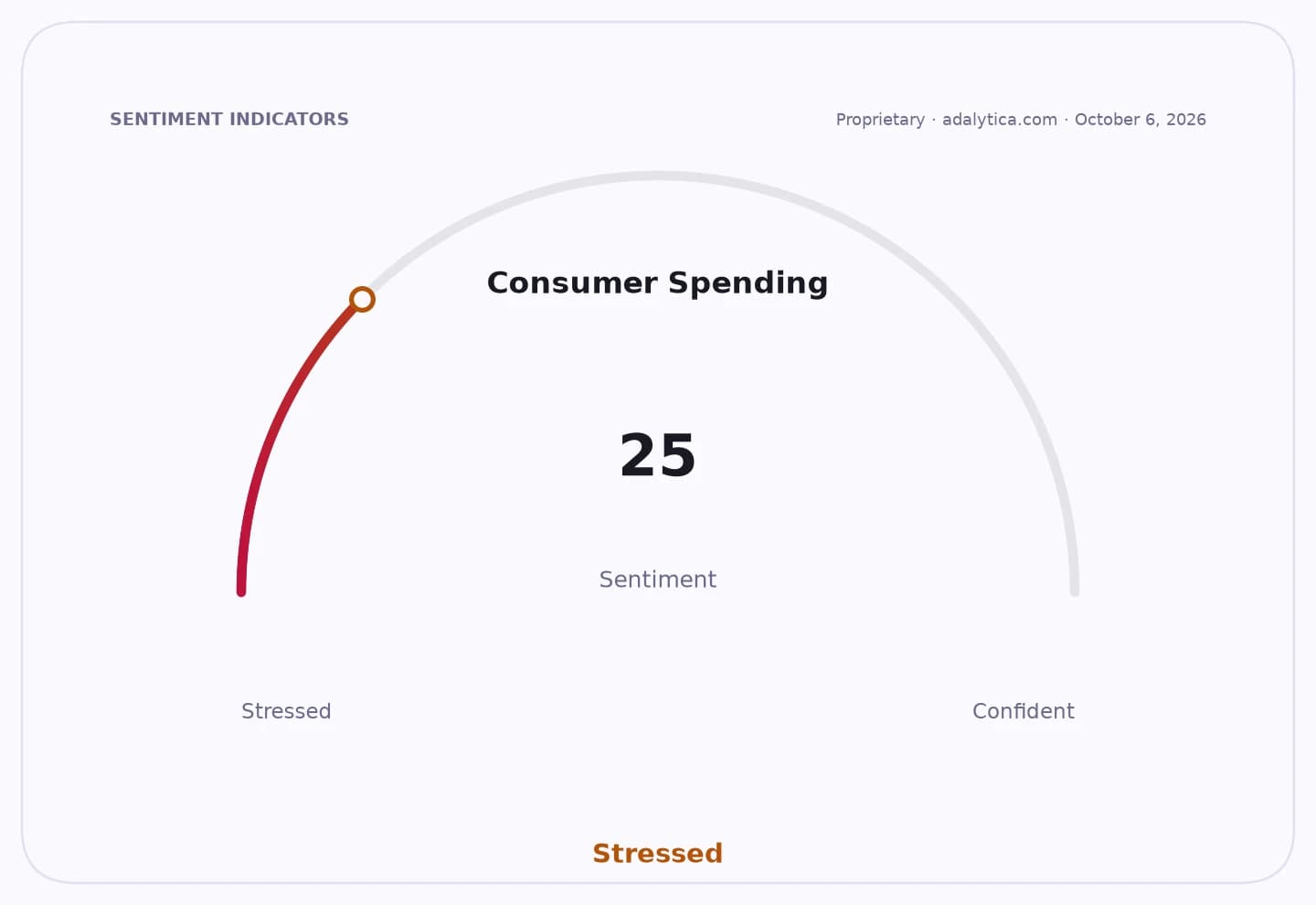
Sentiment IndicatorsⓘProprietary · adalytica.com · October 6, 2026
This is a snapshot — live sentiment, awareness and momentum for 130+ markets update continuously in the dashboard.Open AlphaPulse
That matters economically because SNAP is one of the country’s biggest countercyclical support systems: when benefits shrink, low-income households have less cash to spend on food and other essentials. The hit is already showing up in demand at food pantries and banks, which say they are struggling to keep up as more families lose access. In a consumer economy where lower-income households tend to spend quickly and locally, reduced SNAP support can weigh on grocery volumes and on the broader retail floor, especially for chains exposed to value shoppers.
The pressure is not being felt evenly. Enrollment has fallen by nearly half in Arizona and by about a fifth in Louisiana and Illinois, underscoring how state agencies’ ability to process applications and adapt to new rules can shape who gets help. States are also responding by demanding more paperwork and verification, which has led to overwhelmed caseworkers, long phone waits and monthslong delays in some places.
The timing is particularly awkward for governors and legislatures because federal policy is now forcing them to spend more just to keep the program running. From Oct. 1, states must cover 75% of administrative costs, up from 50%, a shift the federal government estimates will add about $17 billion in state and local spending over five years. California alone is set to pay roughly $670 million more in fiscal 2027, while Wyoming will pay about $3 million more. In nine of the 10 states where counties administer SNAP, part of that cost is being pushed further down to local governments.
The bigger risk comes in October 2027, when many states will begin paying up to 15% of benefit costs for the first time in the program’s history, depending on their “payment error rates.” Those error rates measure whether benefits are overpaid or underpaid relative to eligibility, but they do not capture eligible households wrongly denied aid. That distinction matters: advocates say the formula creates an incentive for states to deny benefits or add friction to applications rather than risk higher costs later.
Only nine states had error rates below 6% in 2025, meaning most face at least some exposure under the new rules. States with rates between 6% and 8% would pay 5% of benefit costs, rising to 10% for rates between 8% and 10%, and 15% above 10%. For cash-strapped governments, that is a meaningful new liability at a time when budgets are already under pressure from slower revenue growth and competing demands on health, education and public safety.
The policy fight is now spilling into the farm bill, the broad legislation that governs agriculture and food assistance. Democrats want most of the SNAP changes repealed or delayed, while Republican leaders have proposed only a one-year pause, which Democrats view as insufficient. If the dispute drags past the 2026 midterms, the outcome could hinge on the balance of power in Congress.
For investors, the immediate read-through is mixed. Grocery chains serving value-conscious shoppers could see demand support if households are forced to stretch food budgets, but that benefit is likely to be offset by broader household stress and by more administrative bottlenecks that slow access to aid. Walmart, Costco and other food retailers tied to lower-income consumers are positioned differently depending on how much spending is preserved versus delayed, while packaged-food suppliers face a demand mix that may shift toward cheaper staples and away from discretionary items.
The longer-term implication is that SNAP is moving from a federally buffered safety net toward a more fragmented, state-constrained program. If more states respond by adding paperwork, tightening verification or even considering whether they can continue participating, the result could be fewer beneficiaries, weaker grocery spending at the margin and a larger burden on charities and local governments.
| Entity | Gains | Losses |
|---|---|---|
| State budgets | ▲More control over costs | ▼Higher administrative and benefit liabilities |
| Grocery value retailers | ▲Short-term food demand support | ▼Weaker low-income purchasing power |
| SNAP recipients | ▲— | ▼Fewer benefits, more paperwork |
| Food banks and pantries | ▲Higher demand, more relevance | ▼Risk of being overwhelmed |