The International Monetary Fund is warning that households face a lasting deterioration in purchasing power as wars, pandemic aftershocks and repeated supply shocks keep the prices of basic goods elevated for longer than policymakers expected.
IMF warns of lasting hit to household purchasing power
That matters because the IMF is saying this is no longer just a short inflation burst. Food, energy and other essentials are rising faster than other goods and staying expensive, which squeezes real incomes, widens inequality and raises the risk that central banks will have to keep policy tight even as growth slows.
Sentiment IndicatorsⓘProprietary · adalytica.com · October 7, 2026
This is a snapshot — live sentiment, awareness and momentum for 130+ markets update continuously in the dashboard.Open AlphaPulse

The Fund said consumers are confronting “not only a temporary increase in food and energy prices, but also a lasting deterioration in affordability” for necessities relative to other goods. In practical terms, that means the inflation shock is becoming embedded in household budgets, especially for lower-income families that spend a larger share of income on essentials.
The warning comes as the IMF expects global inflation to reach 4.7% this year, after years of disruptions from Covid-19, the war in Ukraine and renewed pressure from conflict in the Middle East, which has hit energy and fertilizer prices. Those shocks have fed through to transport, food production and other parts of the cost stack, making the inflation process more persistent than a standard demand-led cycle.
For investors, the implications are broad. Consumers under pressure tend to shift spending toward staples and away from discretionary items, supporting companies with defensive exposure while weighing on retailers, travel, leisure and higher-ticket goods. That pattern was visible in market positioning, with consumer staples fund XLP trading more resiliently than consumer discretionary XLY, which has lagged and remains below its 200-day moving average even after a modest rebound.
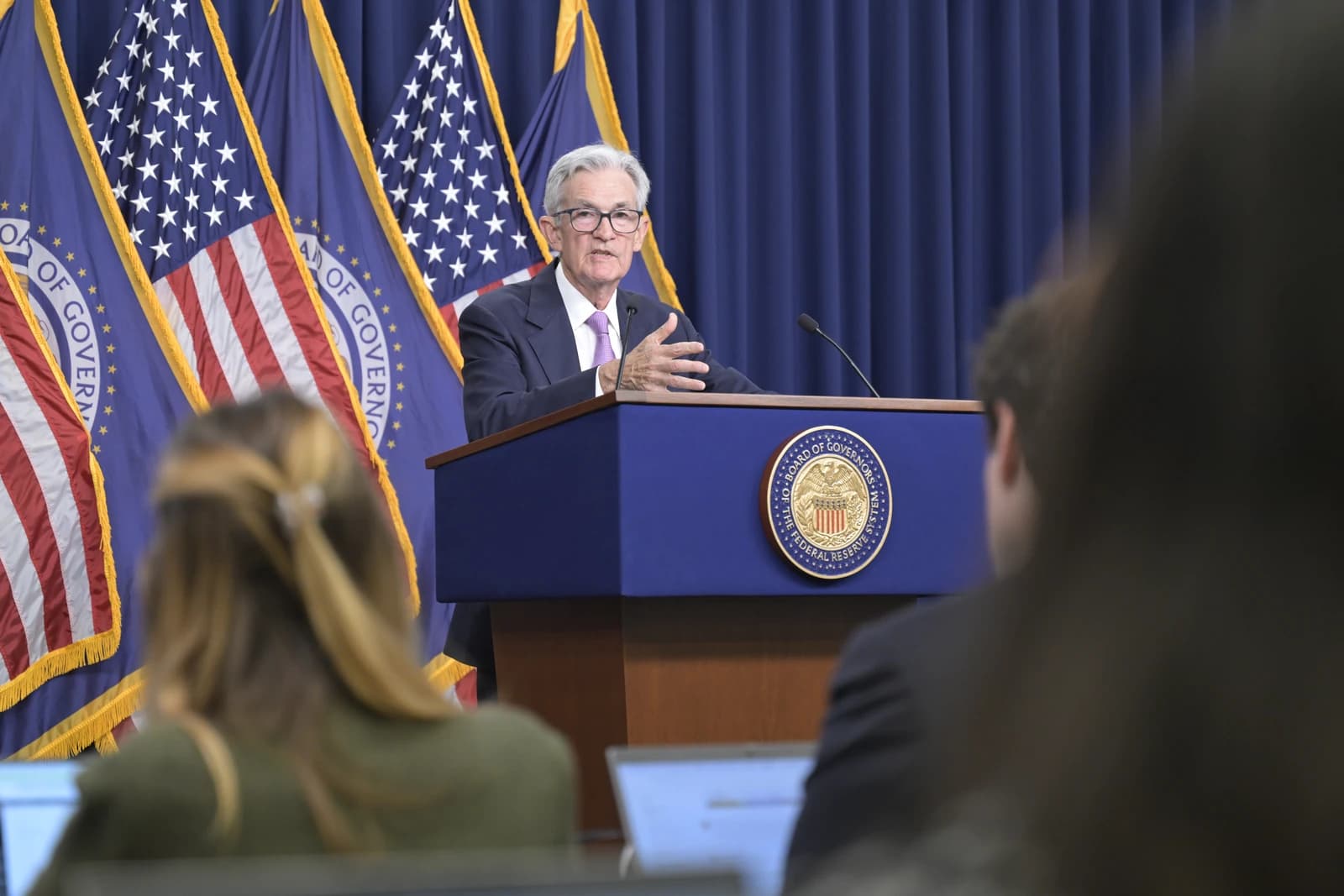
The economic strain also lands on policymakers. The IMF reiterated that supply shocks can linger and complicate the job of central banks, which have lifted rates to contain inflation but risk slowing activity further. The trade-off is especially acute for developing economies, where debt loads limit room for broad fiscal support and force governments to choose between targeted aid and higher deficits.
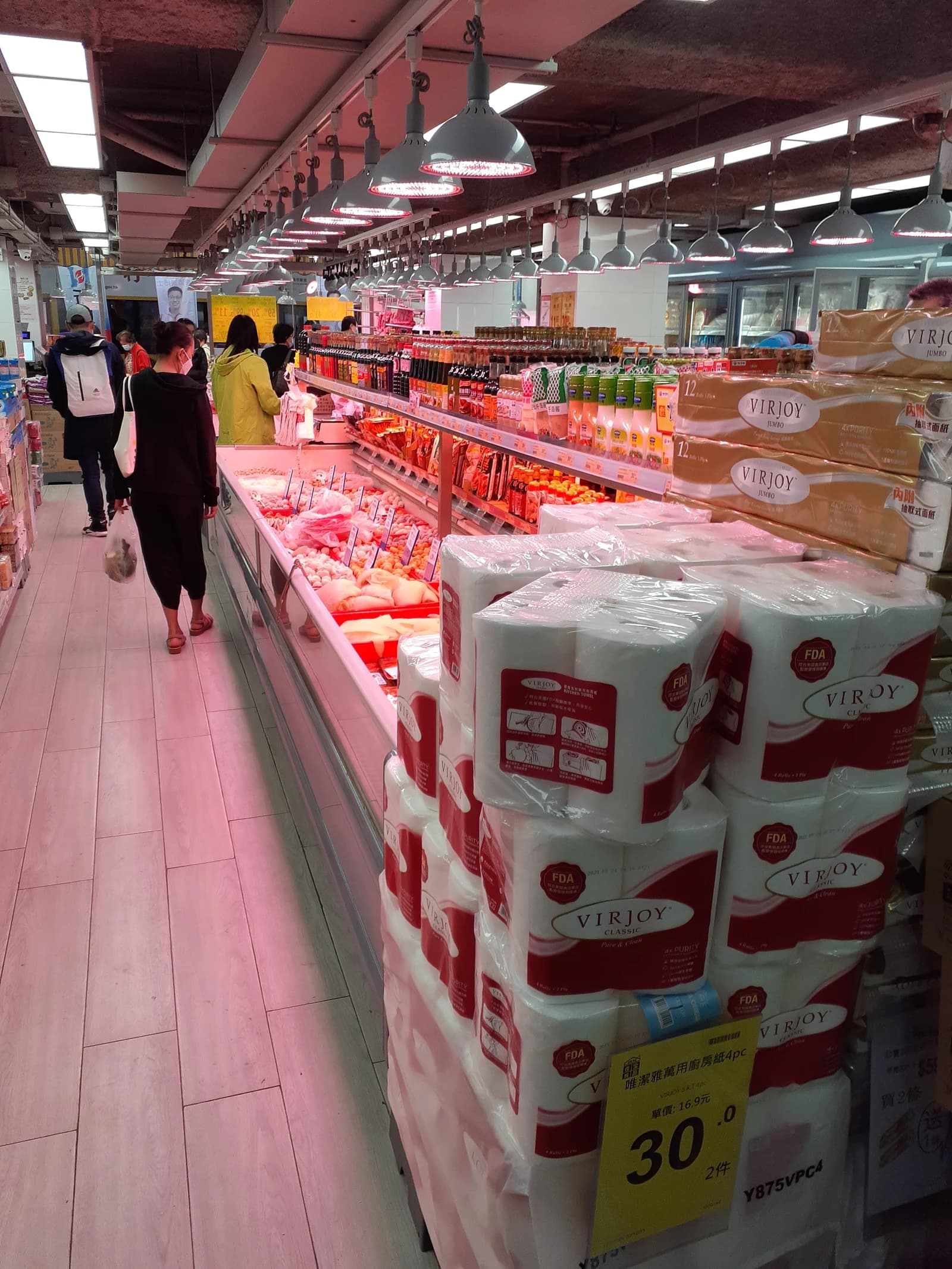
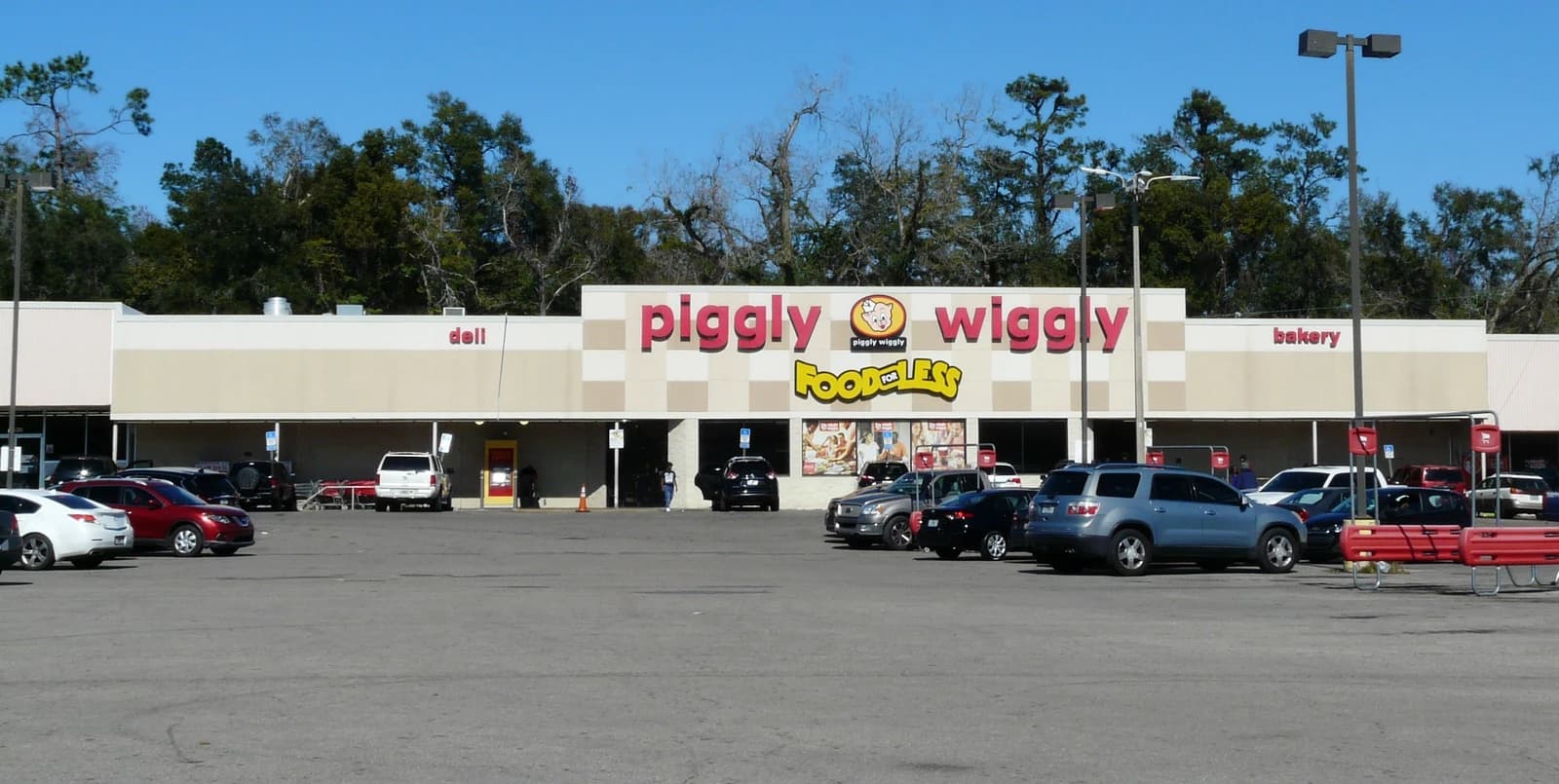
Corporate filings from major U.S. retailers underscore the same theme. Dollar General said customers continue to feel constrained by elevated expenses such as rent, healthcare, energy and fuel, while Costco warned that inflationary factors could hurt results if it cannot fully pass on higher merchandise costs. That combination points to a longer period of margin pressure and demand substitution, with bargain retailers and grocers better placed than discretionary sellers.
The deeper narrative is that the post-pandemic inflation shock is evolving into a distributional story: households are not just coping with higher prices, they are absorbing a structural hit to real purchasing power. If energy markets remain volatile and wars continue to feed through to food and fuel costs, the IMF’s warning suggests the burden will fall hardest on lower-income consumers and on policymakers trying to support growth without reigniting inflation.
| Entity | Gains | Losses |
|---|---|---|
| Consumer staples retailers | ▲Defensive demand | ▼Margin pressure from costs |
| Discretionary retailers | ▲— | ▼Softer household spending |
| Lower-income households | ▲Targeted aid if delivered | ▼Largest hit to real income |
| Central banks | ▲Disinflation progress if supply eases | ▼Harder policy trade-off |