Trump’s one-time Medicare and ACA rebate checks are landing, but they do little to offset a much larger and still-rising healthcare bill for seniors and individual buyers. That is the real story for investors: Washington is sending relief, but the underlying cost curve in U.S. health coverage is still running hotter than the rebates can cover.
Healthcare rebates land as premiums keep rising
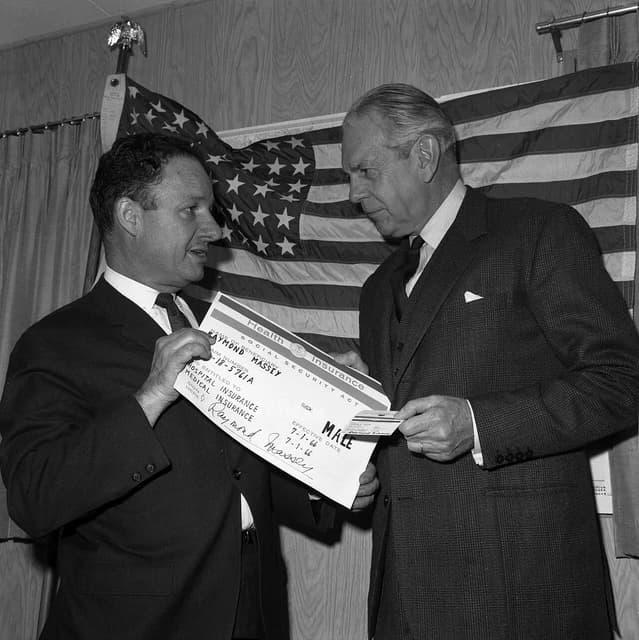
More than 20 million Medicare Part B beneficiaries are eligible for the $90 payment, while about 1 million ACA enrollees in 30 states are receiving $500 checks. Yet the math is still working against households. Average ACA premiums jumped $780 in 2026, according to a KFF analysis cited by CBS News, and the Part B rebate is smaller than the annual premium increase that took effect next year. In other words, the payments are politically visible, but economically thin.
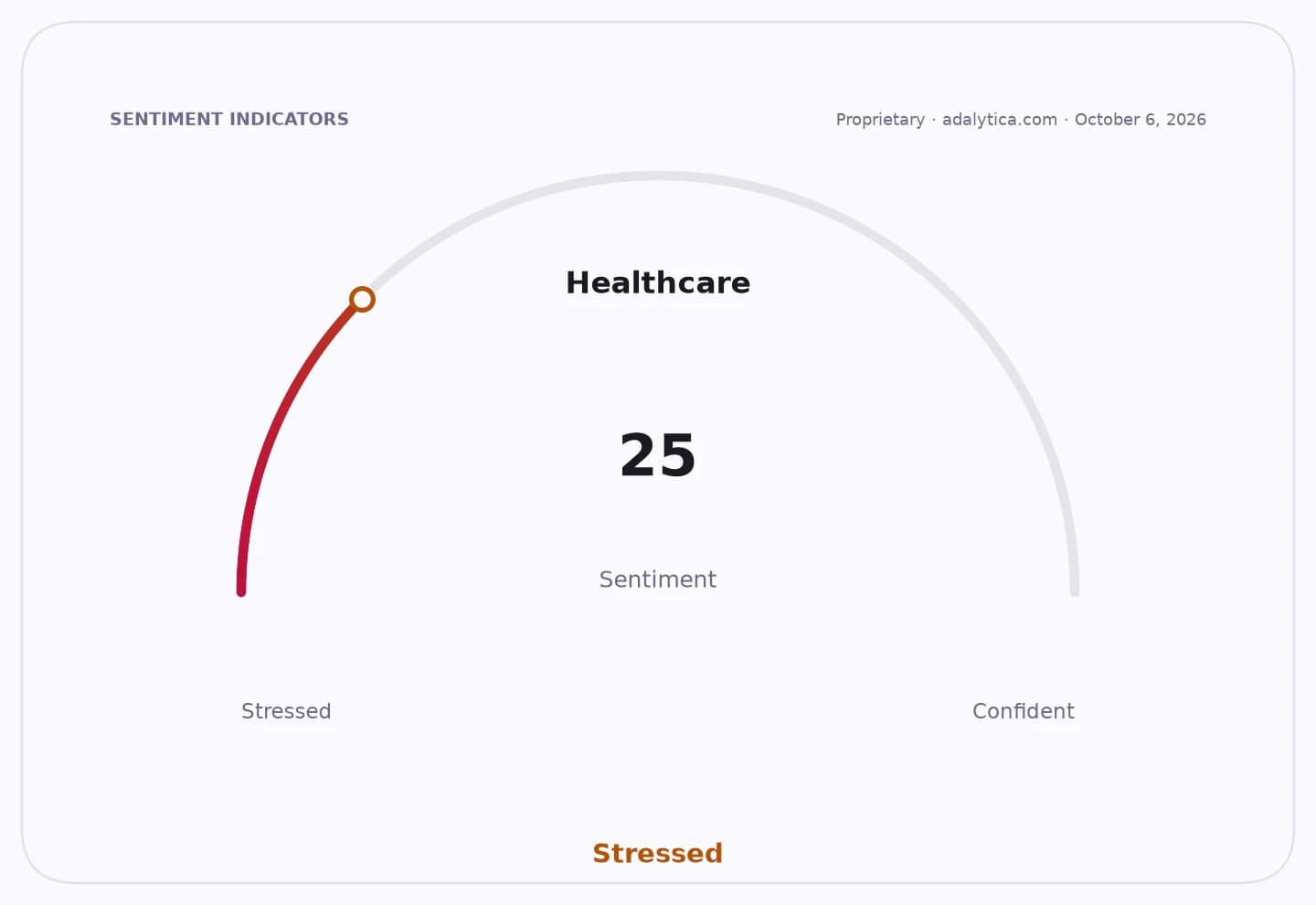
Sentiment IndicatorsⓘProprietary · adalytica.com · October 6, 2026
This is a snapshot — live sentiment, awareness and momentum for 130+ markets update continuously in the dashboard.Open AlphaPulse
That matters because healthcare inflation is not a one-time event. The CPI and producer-price data underscore a system where costs remain elevated rather than reset: consumer prices are still running far above pre-pandemic norms, while producer costs in healthcare-adjacent channels have also stayed sticky. For seniors, that means the rebate arrives against a backdrop of recurring premium increases, not as a durable fix. For ACA buyers, the end of enhanced premium tax credits has left households exposed to higher monthly bills that a single $500 check cannot erase.
The market implication is straightforward. The pain falls hardest on insurers and managed-care intermediaries that are already under pressure to prove they can price plans accurately while preserving enrollment. UnitedHealth Group and CVS, two of the most important bellwethers in the space, have both seen their shares swing sharply this year as investors digested medical-cost pressure, regulatory changes and margin volatility. The broader healthcare ETF XLV has held up better than the most rate-sensitive names, but even there the technical setup shows a sector that has retreated from earlier highs, with the 50-day moving average now converging toward the share price after a volatile summer.
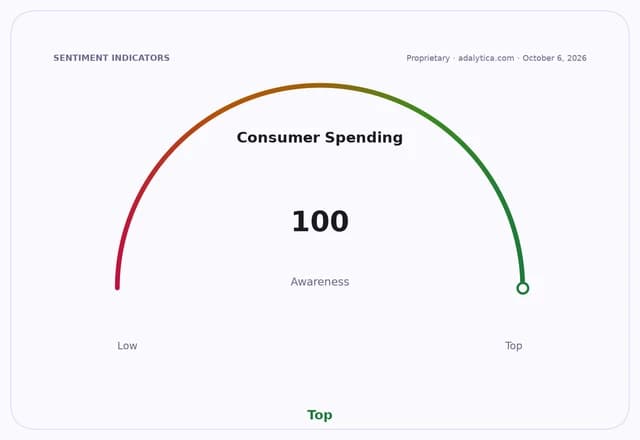
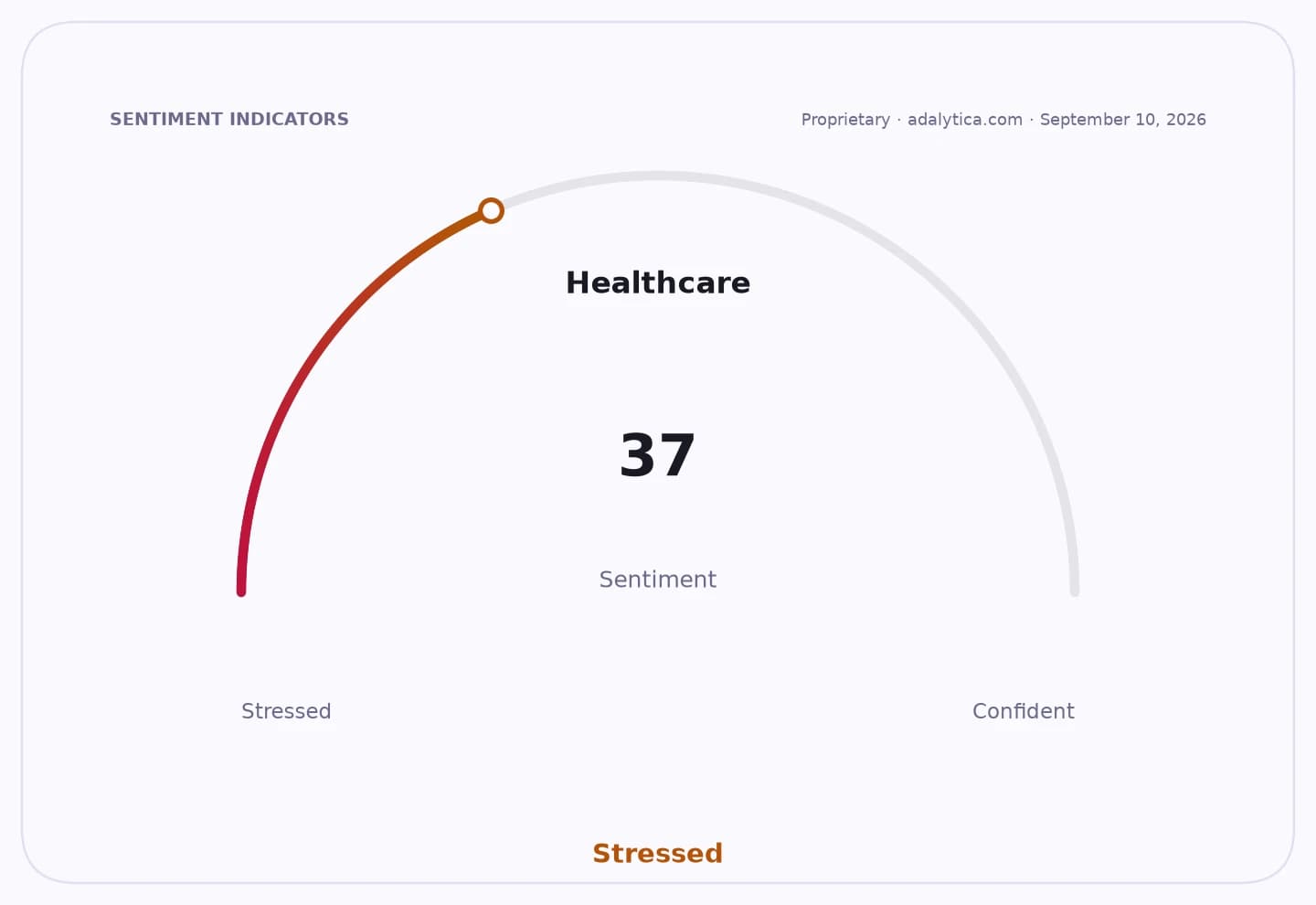
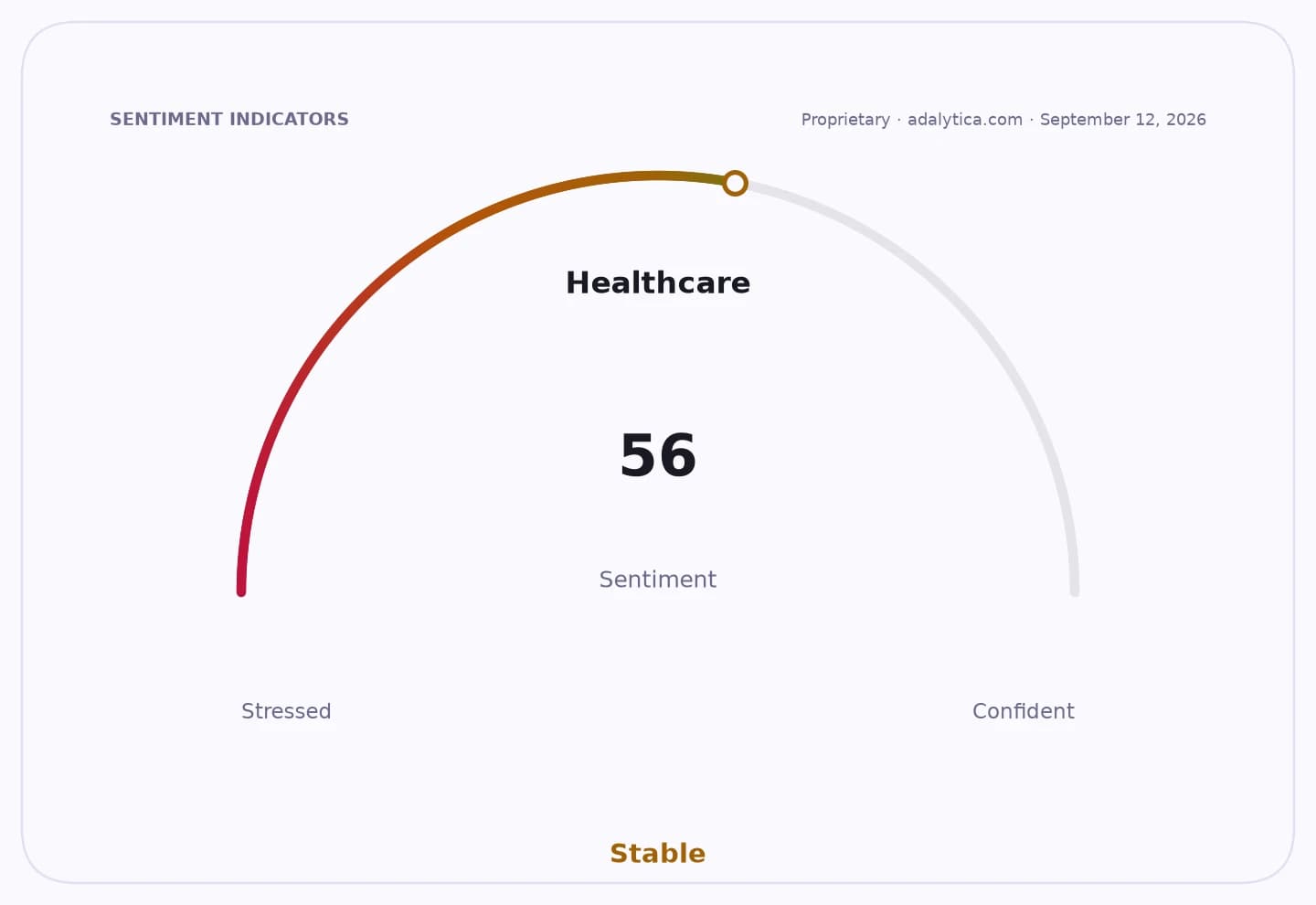
The bigger investment narrative is that Washington’s rebate program is a bandage, not a cure, and that keeps the sector’s winners and losers sharply divided. Companies with scale in Medicare Advantage, exchange plans, pharmacy benefit management and cost control tools can still defend margins if they can pass through higher medical expense. But firms exposed to underpriced coverage, utilization spikes and angry consumers will keep facing scrutiny. The Adalytica Healthcare Spending sentiment gauge is sitting in Fear territory, reinforcing what the market is already telling us: investors are not buying the idea that these checks solve the affordability problem.
That creates opportunity for investors who want to own the parts of healthcare tied to pricing power and efficiency rather than premium compression. I believe the better trade is not the politically popular rebate story, but the companies and funds that profit from the cost crisis itself: large managed-care operators that can reprice risk, pharmacy and benefits platforms that sit in the middle of claims flow, and healthcare infrastructure names that benefit when employers and governments demand lower-cost care delivery. The next catalyst will be 2027 rate setting and the next round of enrollment data, when it becomes clearer that one-time checks cannot outrun structural medical inflation. For investors, the message is to favor scale, distribution and cost discipline — because the premium squeeze is not going away.
| Entity | Gains | Losses |
|---|---|---|
| Medicare/ACA beneficiaries | ▲One-time cash relief | ▼Ongoing premium inflation |
| UnitedHealth, CVS | ▲Pricing power opportunity | ▼Margin pressure from medical costs |
| Healthcare cost-control providers | ▲Demand for efficiency tools | ▼Political scrutiny |
| Insurers with weak underwriting | ▲Higher urgency for repricing | ▼Enrollment and margin strain |