Robert F. Kennedy Jr.’s push to make artificial intelligence a bigger part of U.S. health care is widening a rift inside the “Make America Healthy Again” movement and drawing pushback from medical and AI experts who say he misunderstands what the technology can do.
OpenAI, Anthropic Face MAHA Pushback on Health AI
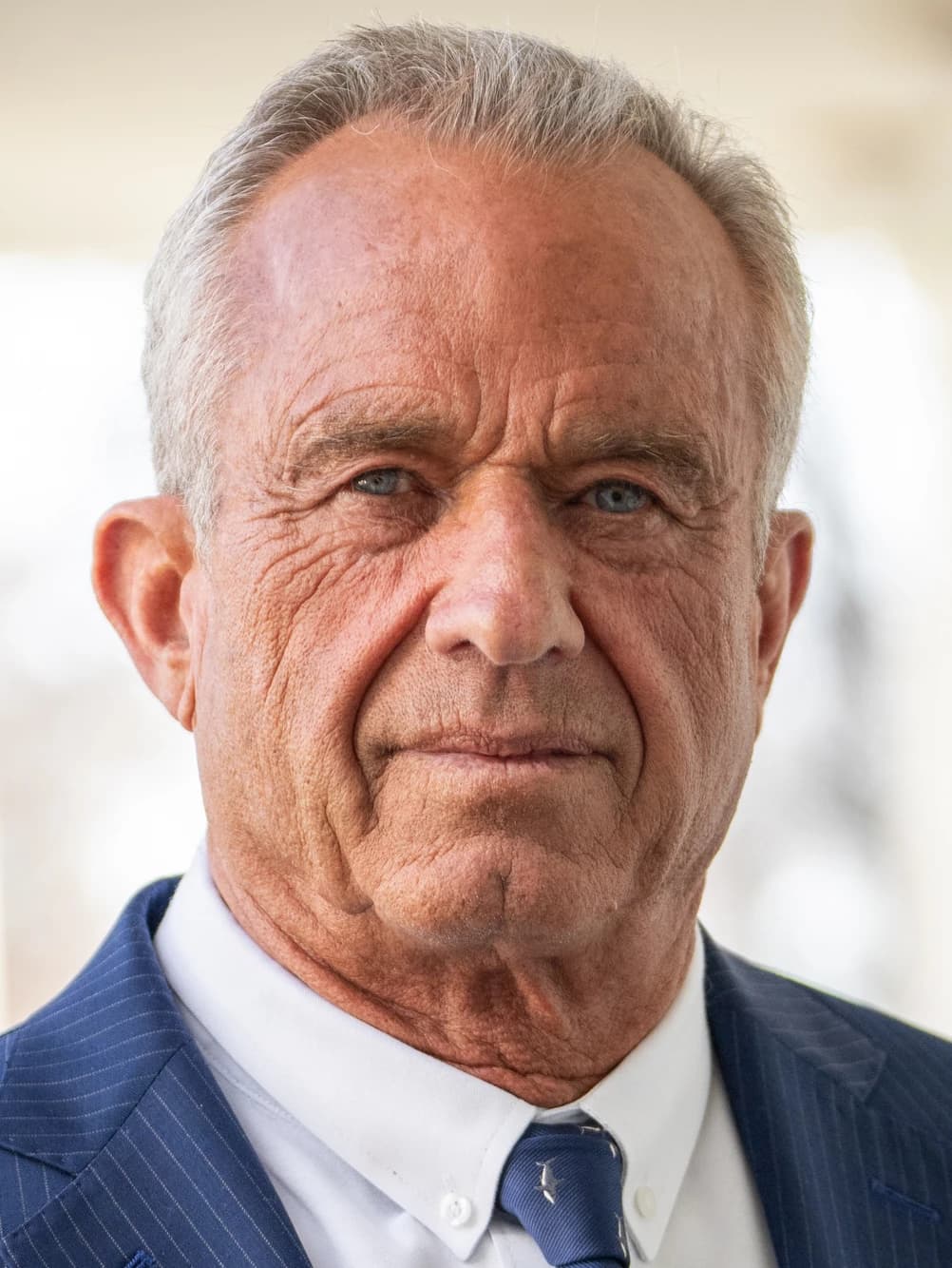
The fight matters because Kennedy, as health secretary, is not just using AI as a talking point. He is helping legitimize a broader Trump administration drive to embed AI across government and health services, a shift that could speed adoption in Medicare, drug oversight and patient-facing tools while also giving Silicon Valley a stronger foothold in federal health policy.
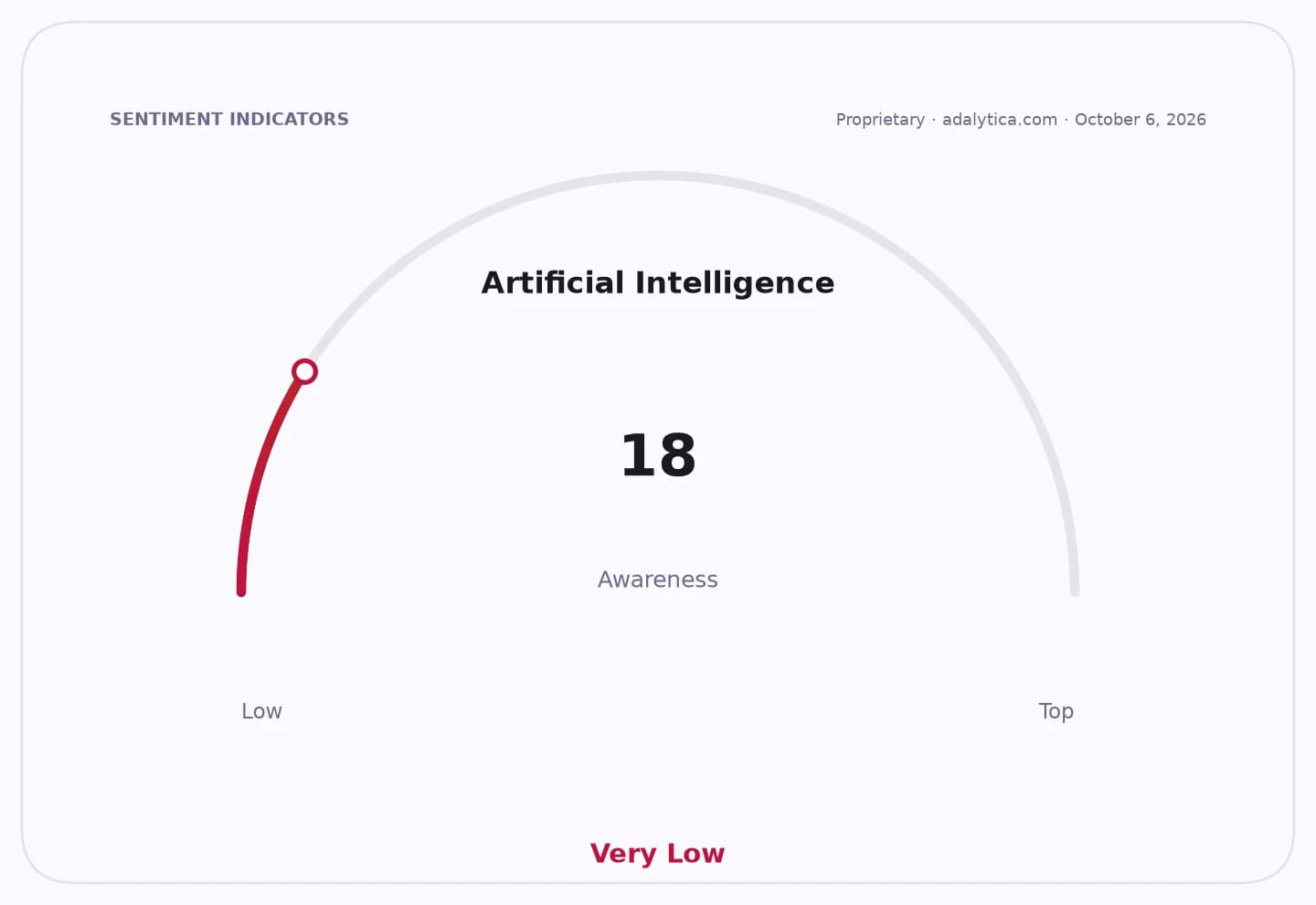
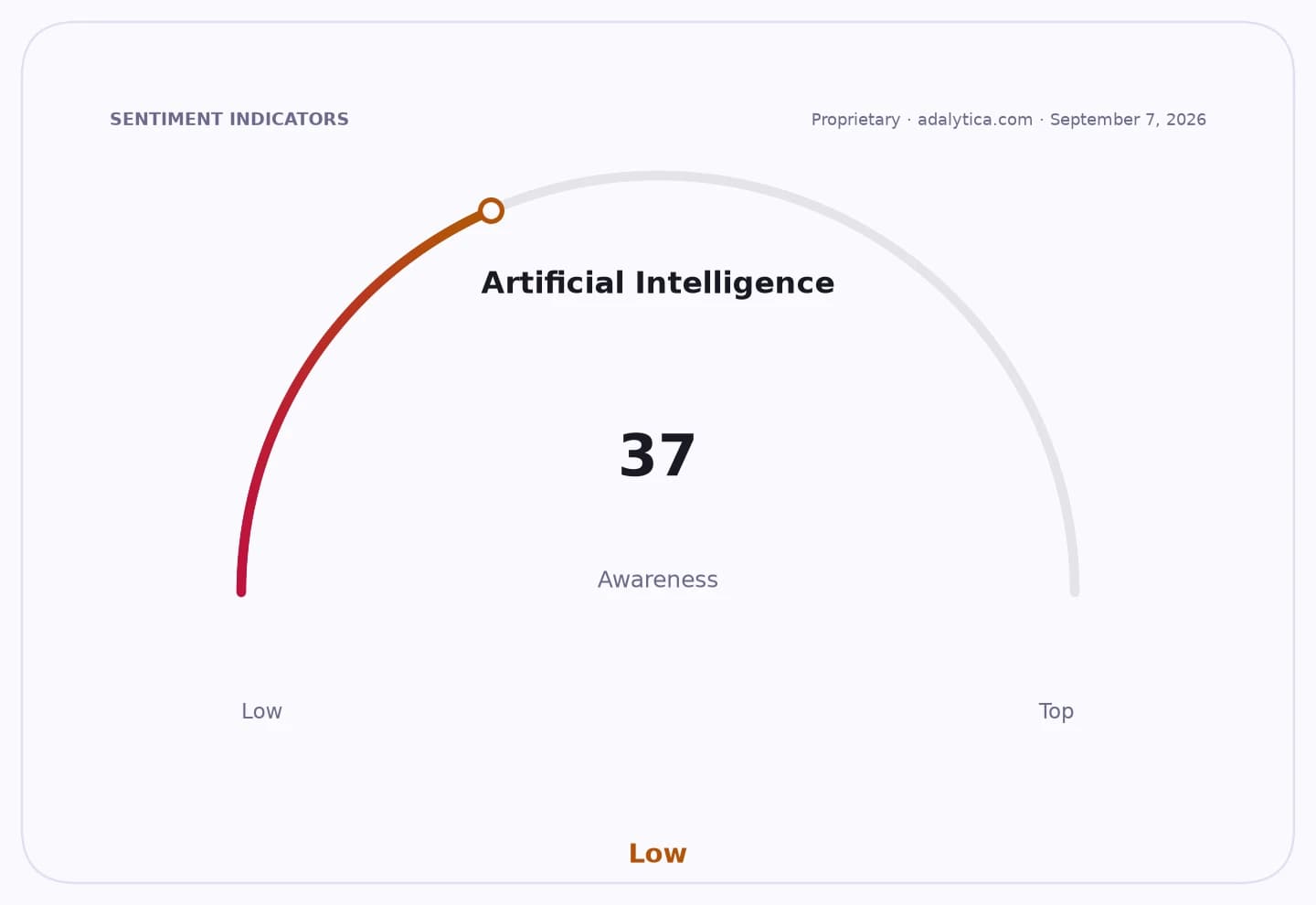
Sentiment IndicatorsⓘProprietary · adalytica.com · October 7, 2026
This is a snapshot — live sentiment, awareness and momentum for 130+ markets update continuously in the dashboard.Open AlphaPulse
At a MAHA summit last week, Kennedy said AI would help Americans “fact check their own medical advice” and weaken what he called “medical tyranny.” That message jarred with parts of the MAHA coalition built on suspicion of corporations and expert institutions, and some longtime activists say the movement is drifting toward the very tech and business interests it once criticized.
Medical specialists say the pitch oversells what AI does. Dr. Zeke Emanuel of the University of Pennsylvania said Kennedy “obviously doesn’t understand how AI works,” arguing that most health models synthesize medical literature and professional guidance rather than replace expertise. Dr. Robert Wachter of UCSF said the technology may empower patients, but in practice it is more likely to reinforce mainstream medical advice than the contrarian instincts Kennedy favors.
The stakes are not limited to ideology. OpenAI and Anthropic were among the sponsors of the summit, alongside more than a dozen companies with business pending before the U.S. government, including psychedelic drug developers, wearable makers and an experimental cancer test company. Sponsors paid as much as $300,000 and some received speaking slots, fueling criticism from MAHA figures who called the event “pay-to-play.”
For investors, the episode underscores how quickly AI is moving from software hype to policy leverage. The Trump administration has already moved to scale back oversight of AI firms, and officials including Dr. Mehmet Oz have publicly framed AI as a solution to medical fraud, staffing shortages and rising costs. Medicare officials, meanwhile, have been in talks with medical chatbot companies, signaling that AI tools could become embedded in reimbursement and care delivery.
The tension inside MAHA also highlights a political risk for companies trying to sell AI into health care: consumer distrust is still real, and not all allies of the administration want a tech-first model. Moms Across America and other MAHA groups are organizing against the power and resource use of data centers, even as the administration courts AI developers.
On the market side, the story lands as AI remains one of the main drivers of U.S. equity gains, with investors betting the technology will keep lifting productivity and corporate margins. But the policy debate around health care shows the next phase of the trade may depend less on model performance than on whether Washington turns AI into a regulated utility of public life.
The immediate catalyst is whether the administration follows rhetoric with formal health-care deployments, and whether MAHA activists keep breaking with Kennedy over the alliance. If Medicare or other agencies begin widening use of AI chatbots, the debate over safety, accountability and who benefits from the new system is likely to intensify.
| Entity | Gains | Losses |
|---|---|---|
| OpenAI, Anthropic | ▲Policy access, health-care adoption | ▼Scrutiny over influence |
| Trump administration | ▲AI-friendly reform narrative | ▼Credibility with MAHA purists |
| MAHA tech skeptics | ▲Public platform for dissent | ▼Influence inside movement |
| Patients and providers | ▲Faster access to data tools | ▼Risk of bad advice and bias |