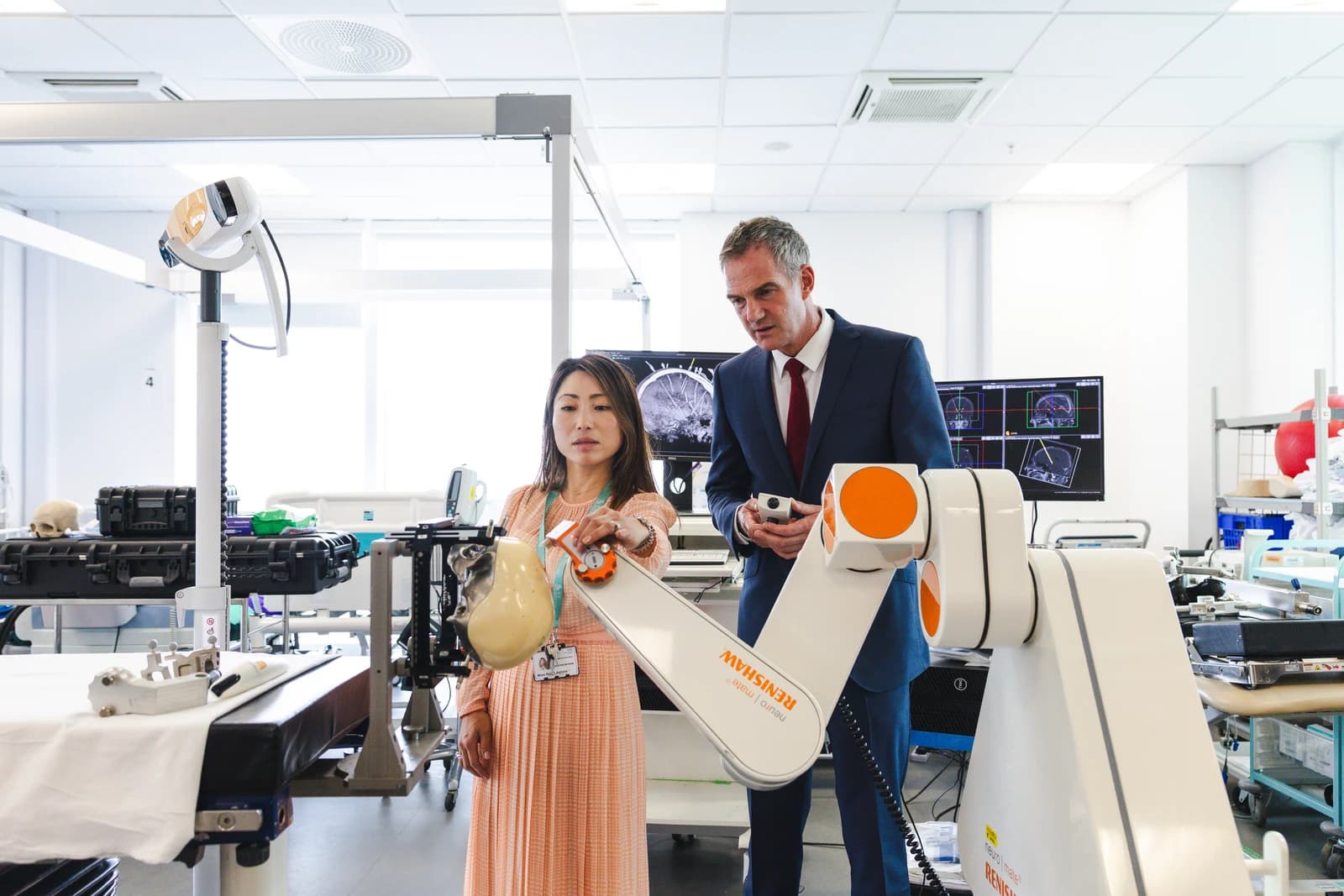
A British hospital has performed what it says is the world’s first brain-tumor removal using artificial intelligence, a milestone that could accelerate adoption of AI-assisted surgery and widen the long-term market for companies tied to robotic and image-guided procedures.
UK hospital performs first AI brain tumor removal
For investors, the significance is bigger than a single successful operation. Medicine is one of the most demanding environments for AI because the cost of error is so high, and that makes every proven step forward potentially valuable. If software can help surgeons identify microscopic brain structures in real time, the same approach could support more procedures, shorten decision times and reduce complications — all of which matter to hospitals under pressure to improve outcomes and efficiency.
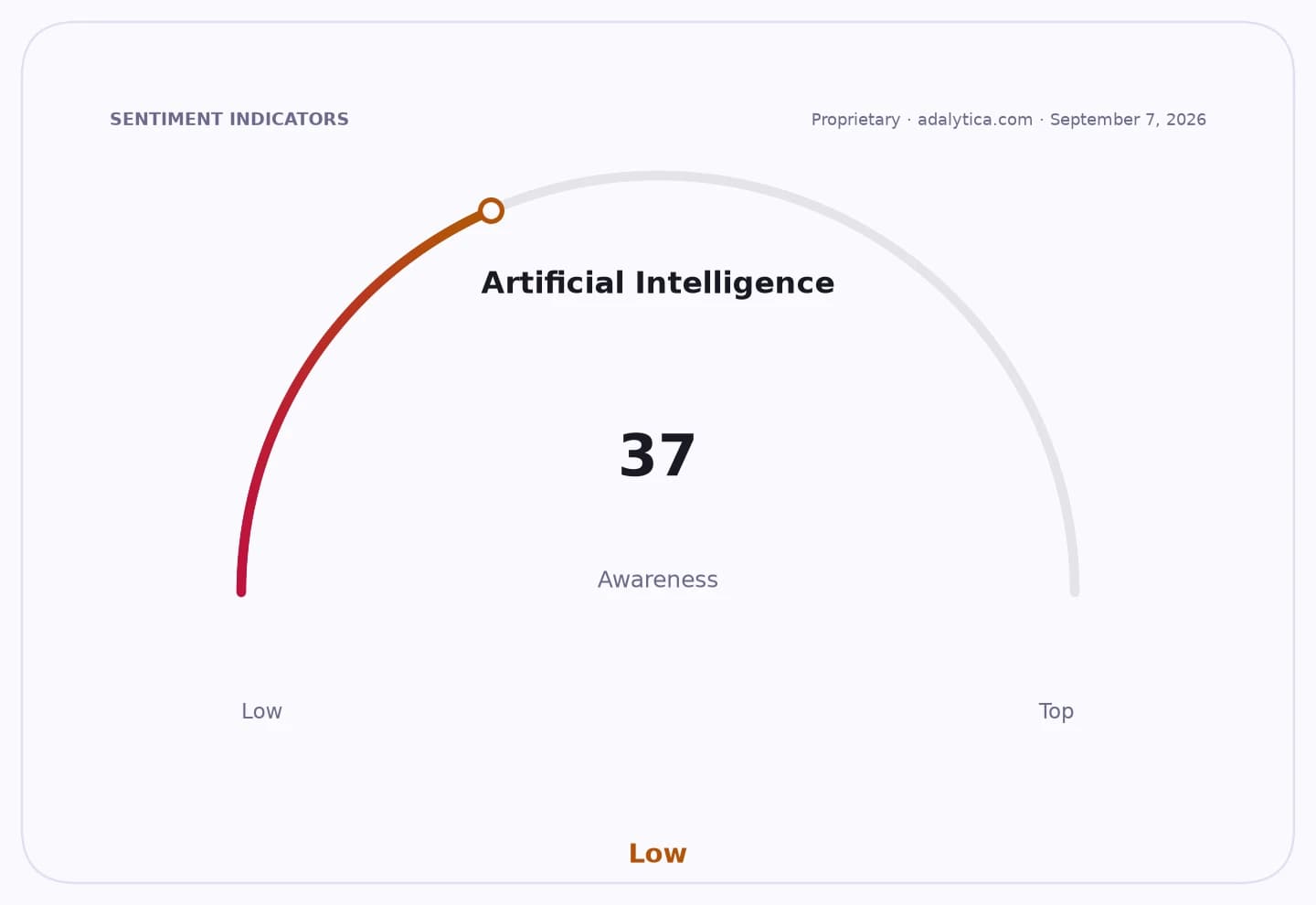
Sentiment IndicatorsⓘProprietary · adalytica.com · September 7, 2026
This is a snapshot — live sentiment, awareness and momentum for 130+ markets update continuously in the dashboard.Open AlphaPulse
The operation was carried out at the National Hospital for Neurology and Neurosurgery, part of University College London Hospitals NHS Foundation Trust, on 48-year-old Ryes Hibbert, who said the May procedure saved his vision and allowed him to return to work. According to the hospital, AI was used during surgery to identify tiny anatomical structures and color-code critical areas to help surgeons avoid damaging nerves and tissue near the tumor.
That detail is what makes the story economically important. Surgical AI is no longer just a lab concept or a back-office diagnostic tool. It is moving into the operating room, where it can directly influence procedure volumes, device demand and the pace at which hospitals adopt advanced technology. For medical technology investors, that broadens the opportunity set beyond imaging and administration software into the much larger market for operating-room tools, robotics and decision-support systems.
The companies most exposed are those that already compete to make surgery less invasive, more precise and more repeatable. Intuitive Surgical, the maker of the da Vinci system, has long argued that hospitals will keep shifting toward minimally invasive procedures and robotic assistance. Medtronic has also been pushing deeper into robotic-assisted surgery and related software. A breakthrough like this does not immediately rewrite their sales outlook, but it reinforces the direction of travel: hospitals increasingly want technology that helps surgeons do more with less risk.
Nvidia is part of the broader infrastructure story as well. The company is not named in the operation, but its chips and software ecosystem sit underneath much of the AI wave that is reaching healthcare. As more hospitals and device makers build real-time imaging and inference into the surgical workflow, the demand for high-performance computing, data processing and model training should keep expanding over time.
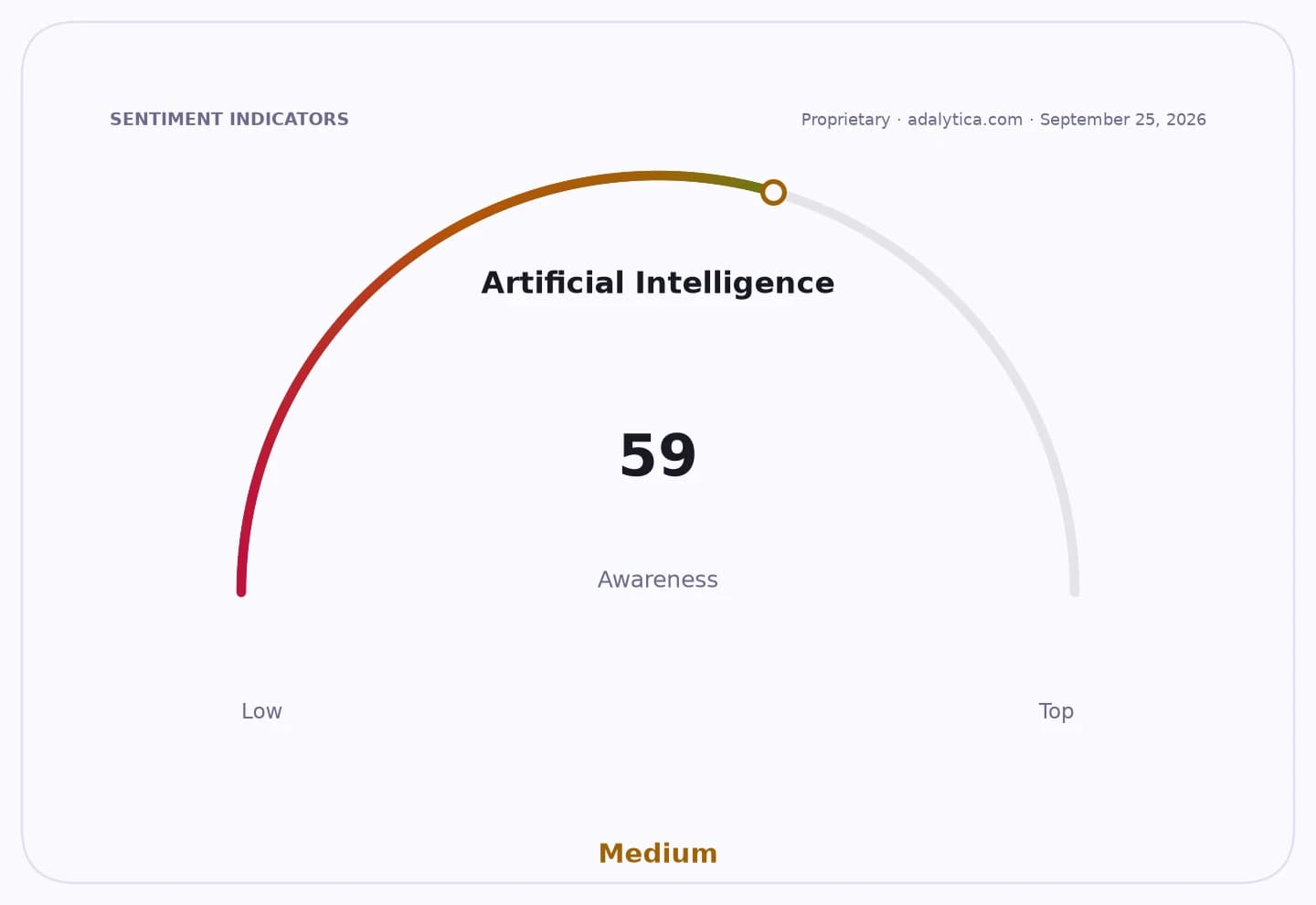
The market backdrop underscores why investors are paying attention. Adalytica’s earnings sentiment gauge for Nvidia shows extreme greed, while its readings for Microsoft are neutral but with very low awareness, suggesting investors are still sorting out which AI names are capturing the most lasting commercial benefit. In healthcare, the commercial winners are likely to be slower to emerge than in cloud or semiconductors, but the payoff could be durable because adoption tends to be sticky once clinical evidence builds.
There are still obvious risks. Regulators will want more data before AI guidance becomes routine in delicate surgeries, and hospitals will move cautiously until they see repeatable benefits in larger patient groups. Not every AI feature will translate into revenue, and some capabilities may end up embedded in existing devices rather than sold as standalone products. But the long-term direction is hard to miss: AI is becoming part of the surgical toolkit, not just a way to read scans or manage records.
For long-term investors, that is the real takeaway. The first AI-assisted brain-tumor removal in Britain is not a trading event. It is evidence that one of the most conservative industries in the economy is starting to embrace a technology platform that can reshape care delivery for years. If you own the picks-and-shovels names in robotics, imaging and AI infrastructure, this is the kind of clinical milestone worth watching closely.
| Entity | Gains | Losses |
|---|---|---|
| AI-assisted surgery vendors | ▲Faster clinical adoption | ▼Longer sales cycles |
| Hospitals and surgeons | ▲Better precision | ▼Higher validation burden |
| Patients | ▲Lower procedural risk | ▼Slower rollout of new tech |
| Traditional open-surgery approaches | ▲— | ▼Share of minimally invasive procedures |