Agentic AI is moving from pilot projects to the operating core of businesses, and Globant’s work with LALIGA shows why investors should care. The big takeaway is not just that AI can automate tasks — it is that AI can help companies make faster decisions, run more complex operations and, in some cases, generate more revenue from the same assets.
Globant LALIGA AI Pods boost revenue
At NVIDIA GTC 2026, Globant said its AI Pods model and Enterprise AI platform helped LALIGA embed artificial intelligence into day-to-day workflows rather than treating it as a side experiment. In practical terms, that meant more than 500 operational models, faster decision cycles and a human-in-the-loop system designed to keep machines aligned with business goals.
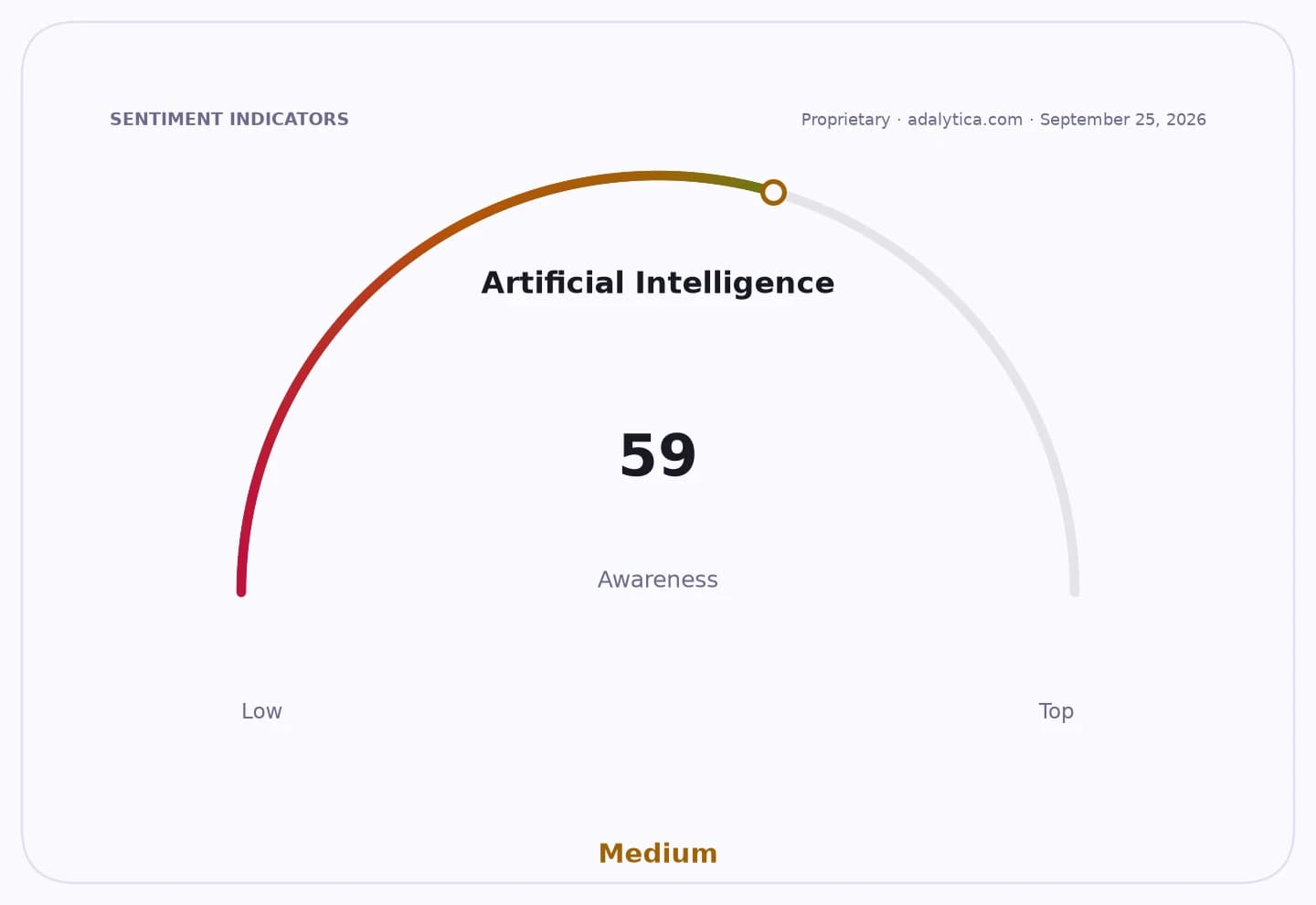
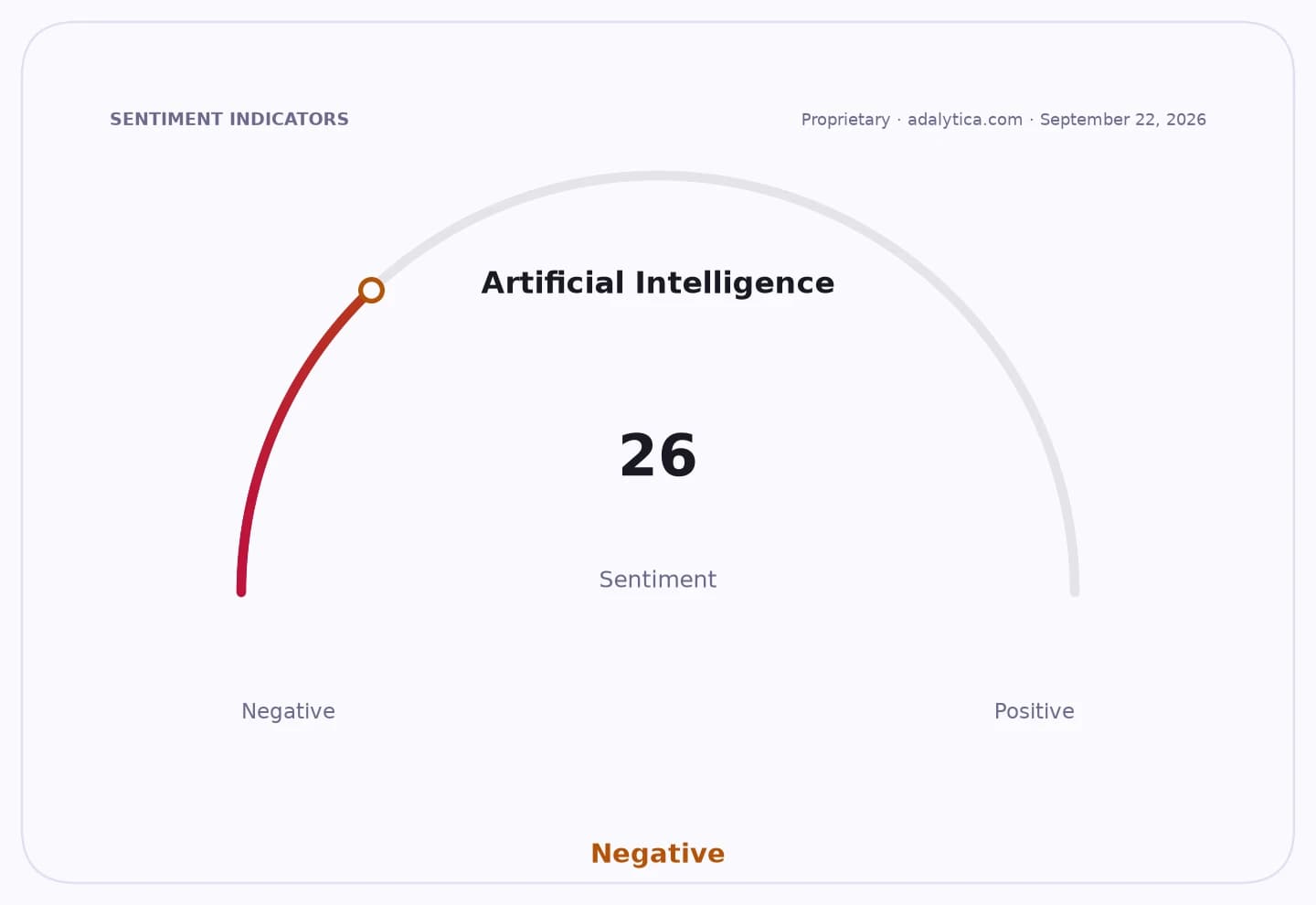
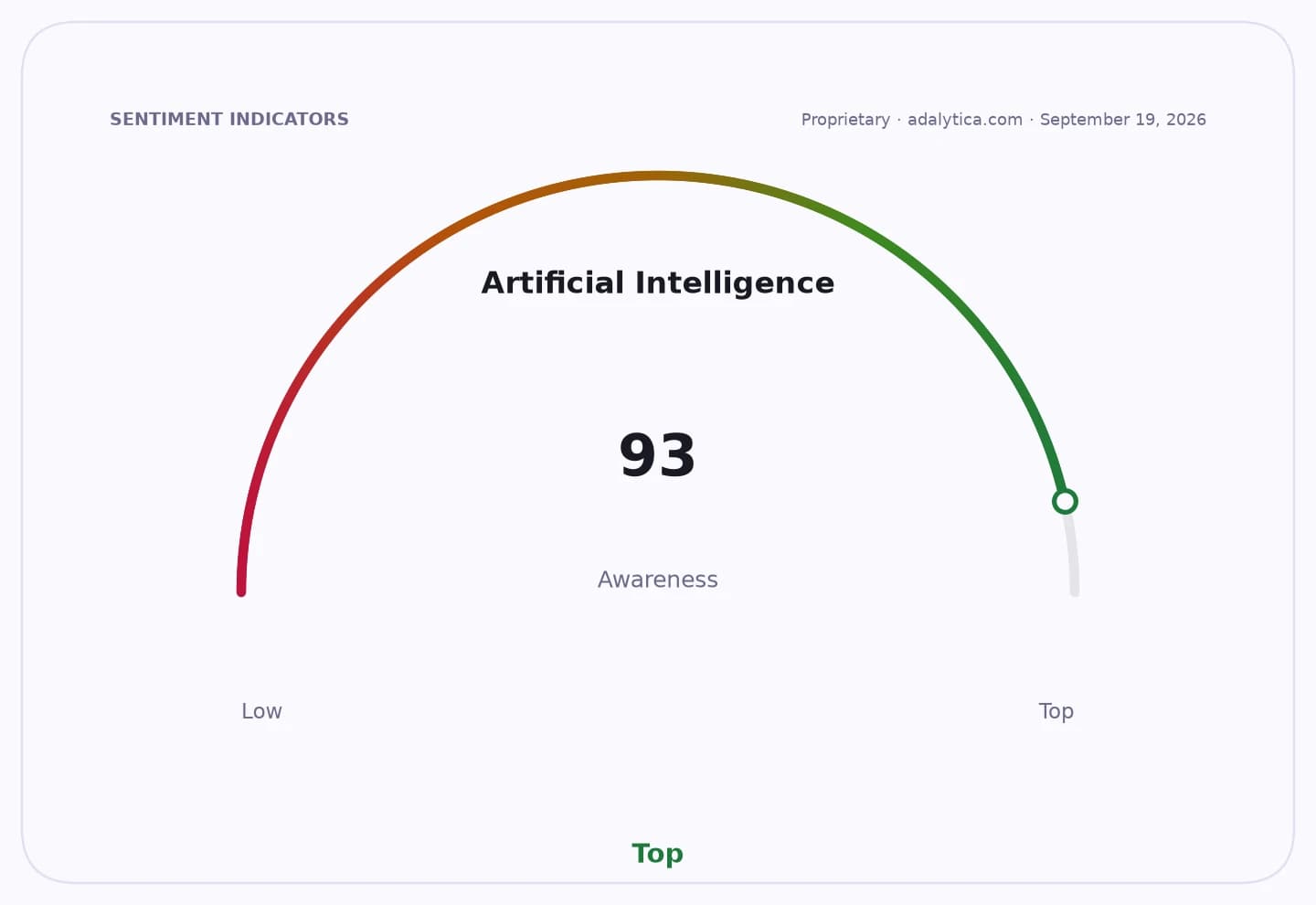
Sentiment IndicatorsⓘProprietary · adalytica.com · September 6, 2026
This is a snapshot — live sentiment, awareness and momentum for 130+ markets update continuously in the dashboard.Open AlphaPulse
That matters economically because speed and efficiency are where AI can create durable value. LALIGA said the setup helped lift matchday revenue by as much as 25%, while processing more than 816 terabytes of data to improve the fan experience and on-field performance. For a sports league, that translates into better scheduling, pricing and attendance decisions. For the broader economy, it is another sign that AI is becoming infrastructure, not just software.
For investors, the story is bigger than football. Globant is pitching a subscription-style model that combines AI agents with human expertise, which could appeal to companies looking to cut production time and costs without sacrificing quality. If that approach scales, it opens a large services market around enterprise AI adoption, especially in industries built on complex workflows and high volumes of data.
NVIDIA also sits in the middle of this trend. The AI buildout Globant described depends on accelerated computing, and that keeps the chipmaker exposed to the next phase of enterprise spending. NVIDIA’s shares have been firm, and conventional technical indicators show the stock trading above both its 50-day and 200-day moving averages, while momentum readings have recently strengthened. Adalytica’s NVIDIA earnings sentiment snapshot also shows extreme greed, underscoring how heavily investors are already leaning into the AI trade.
The lesson for long-term investors is simple: the most valuable AI companies may not be the ones that merely sell the tools, but the ones that help customers redesign how work gets done. That could mean more resilient margins, better cash flow and stickier customer relationships for vendors that can prove real business outcomes.
There are risks, of course. AI adoption still depends on trust, security and human oversight, and not every company will convert experimentation into measurable returns. But the direction is clear: agentic AI is starting to reshape how organizations operate, and that makes the winners worth watching for years, not quarters. For patient investors, this is the kind of secular shift that belongs on the watchlist — and in diversified portfolios — for the long term.
| Entity | Gains | Losses |
|---|---|---|
| LALIGA | ▲Faster operations, higher matchday revenue | ▼Manual bottlenecks |
| Globant | ▲Stickier enterprise AI revenue, bigger services demand | ▼Traditional consulting models |
| NVIDIA | ▲More demand for accelerated computing | ▼Buyers waiting on AI ROI |
| Sports leagues using AI | ▲Better scheduling and monetization | ▼Slower adopters |