AI agents are creating a real systems problem for databases, but the industry does not yet have a true purpose-built answer — and that gap is becoming a commercial battleground.
Percona Says AI Databases Are Mostly Marketing
Percona chief executive Peter Farkas argues that claims of “AI databases” are largely marketing, not a fundamental reinvention of storage or query architecture, because the workloads generated by agents are still too experimental and too unsettled to standardize. That matters because the database layer sits at the core of enterprise software spending: if agentic AI becomes a lasting workload, vendors from MySQL to PostgreSQL to cloud providers will compete to own the infrastructure that powers it. If it does not, the rush to rebrand existing products could prove another short-lived AI cycle.
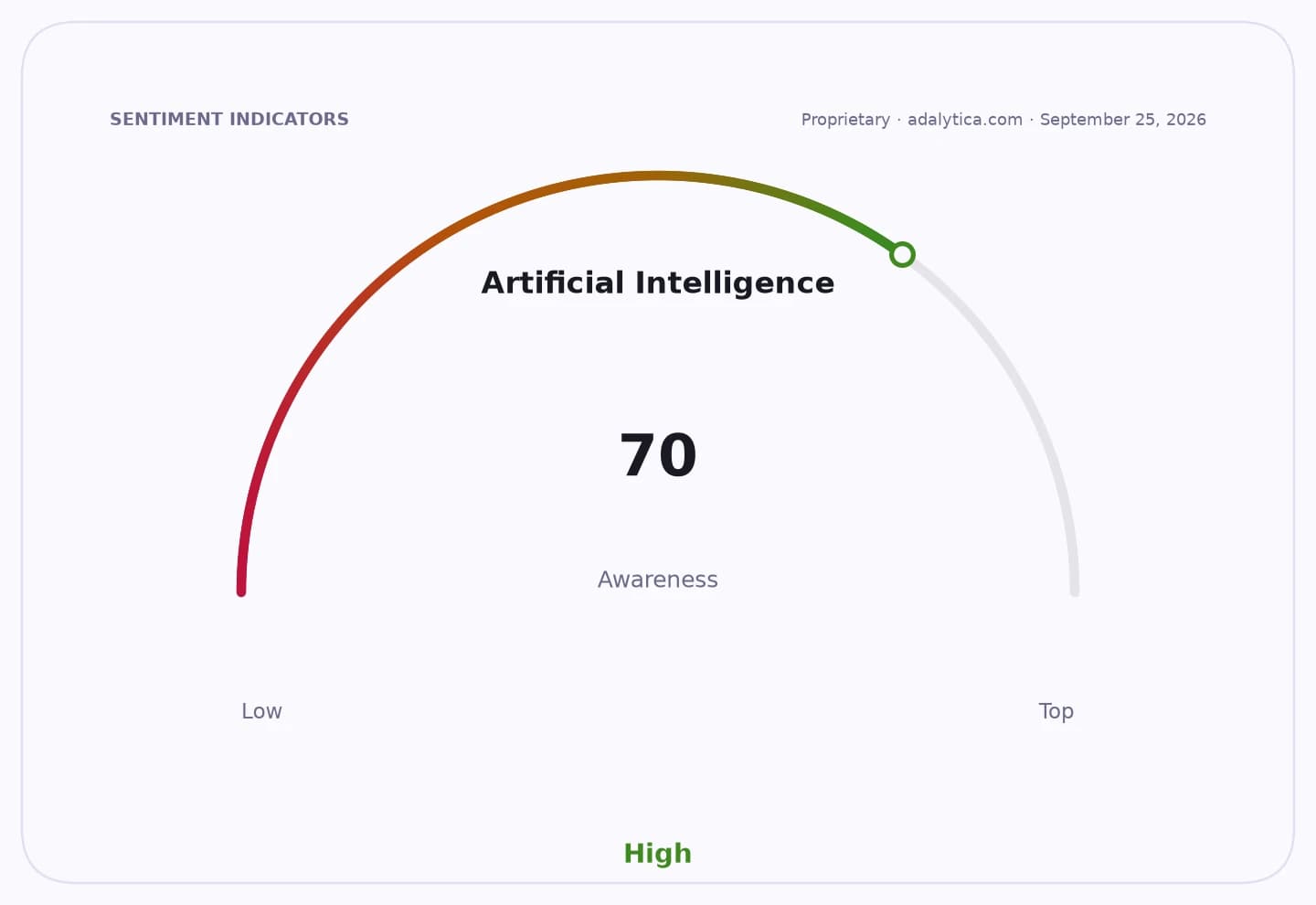
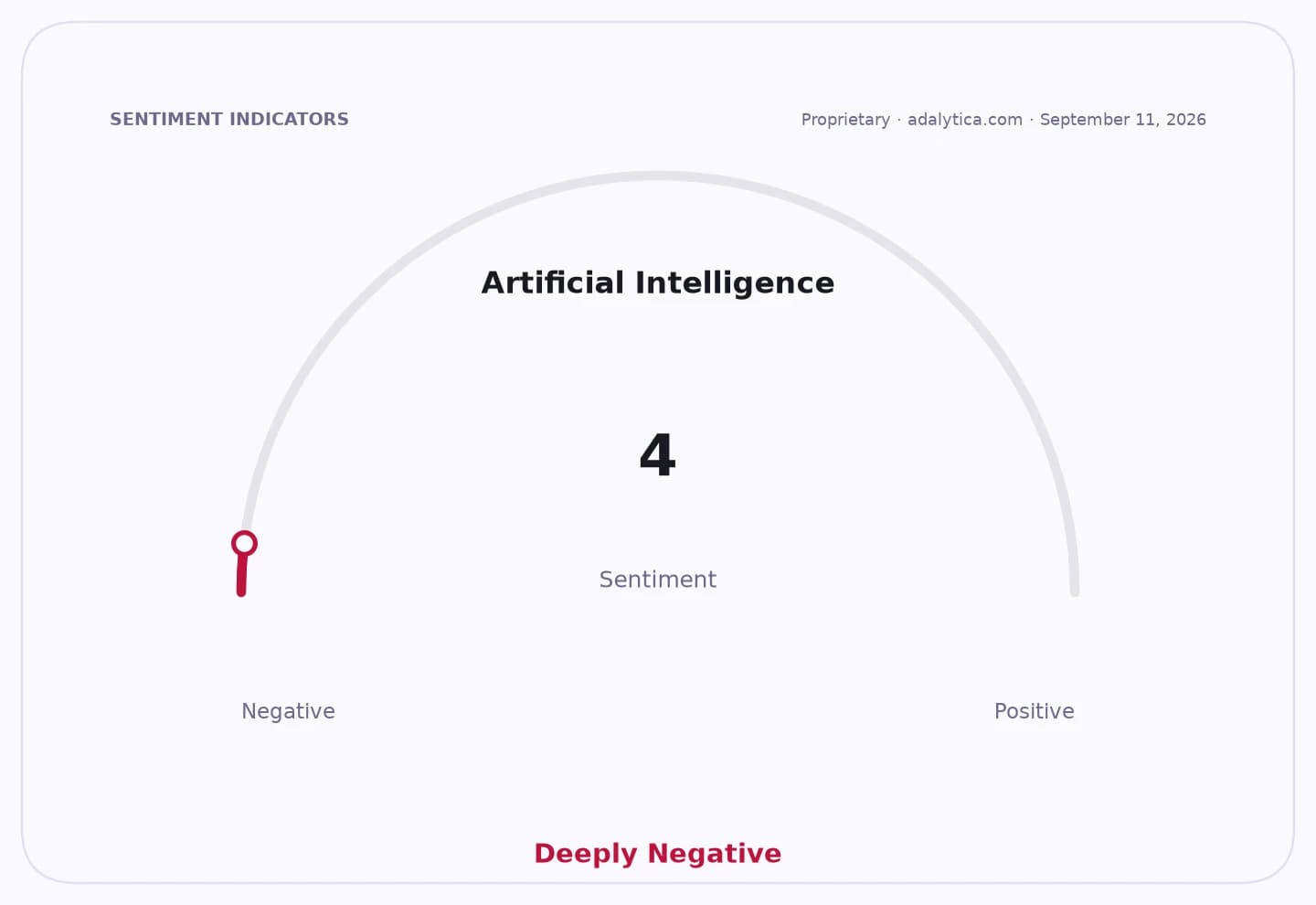
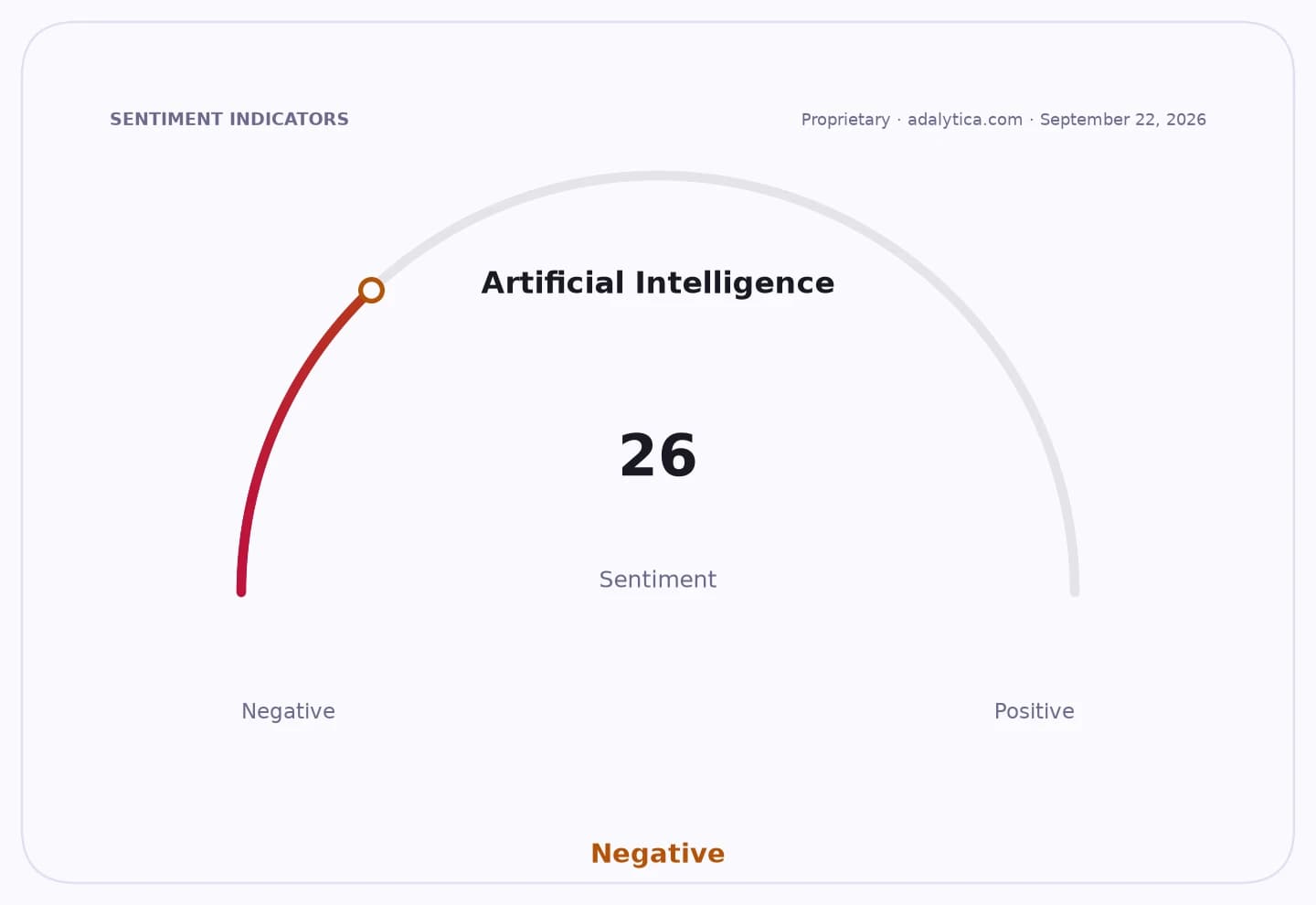
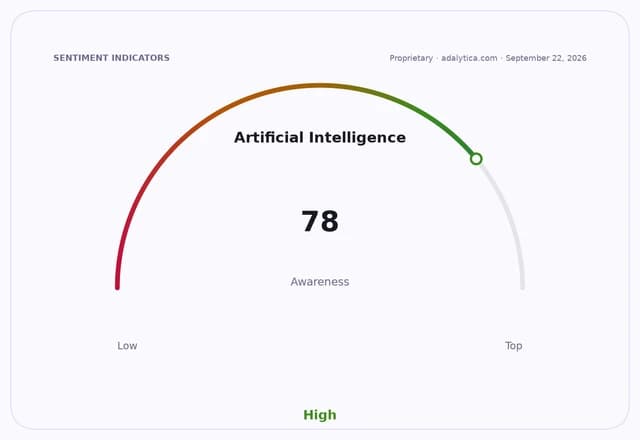
Sentiment IndicatorsⓘProprietary · adalytica.com · September 22, 2026
This is a snapshot — live sentiment, awareness and momentum for 130+ markets update continuously in the dashboard.Open AlphaPulse
The economic issue is not whether AI agents exist, but whether their behavior is stable enough to justify a new category. Farkas says traditional databases were built for human queries or tightly defined software instructions, while AI agents can generate as many as 150 different approaches to a single task before a result is chosen. That kind of iteration is difficult for systems optimized over decades for predictability, latency and consistency. It also means buyers are still experimenting with where AI should sit in the stack, whether models should run locally or in the cloud, and when smaller models can substitute for large language models.
That uncertainty is precisely why the database market is unlikely to see a clean “winner” yet. Open-source incumbents such as PostgreSQL and MySQL have deep enterprise penetration because they are reliable, well understood and cheap to operate. A greenfield AI database would have to solve a problem the market itself has not defined. Until agent workloads become more standardized, vendors are more likely to bolt AI features onto existing systems than replace them wholesale.
For investors, the implication is that the AI infrastructure trade remains broader than chips alone, but less mature than the branding suggests. Nvidia has benefited from the rush to build and run AI workloads, and its shares have tracked volatile expectations around that demand, with technical indicators showing the stock recently back above both its 50-day and 200-day moving averages. But the database layer is a different part of the stack, where monetization depends on enterprise adoption rather than speculation about model training. If agentic AI becomes sticky, software vendors with strong data platforms could gain pricing power. If not, the AI label may add little to fundamentals.
That helps explain why Percona is pushing back on the terminology. In this market, rebranding mature infrastructure as “AI-native” can attract attention, but it does not automatically create new economics. The real test will come only when agent workloads are no longer experimental, but repeatable enough to force a new architecture and a new purchasing decision.
| Entity | Gains | Losses |
|---|---|---|
| Percona | ▲Gains credibility | ▼Loses hype premium |
| PostgreSQL/MySQL incumbents | ▲Gain from continuity | ▼Lose attention to AI branding |
| Enterprise buyers | ▲Gain time to wait | ▼Lose clarity on stack choice |
| AI database vendors | ▲Gain marketing traction | ▼Lose if workloads stay experimental |