The biggest opportunity in AI may not be another consumer app or chat interface, but technology that helps hundreds of millions of people work, communicate and move more independently.
Disability Tech Market Grows With AI Adoption
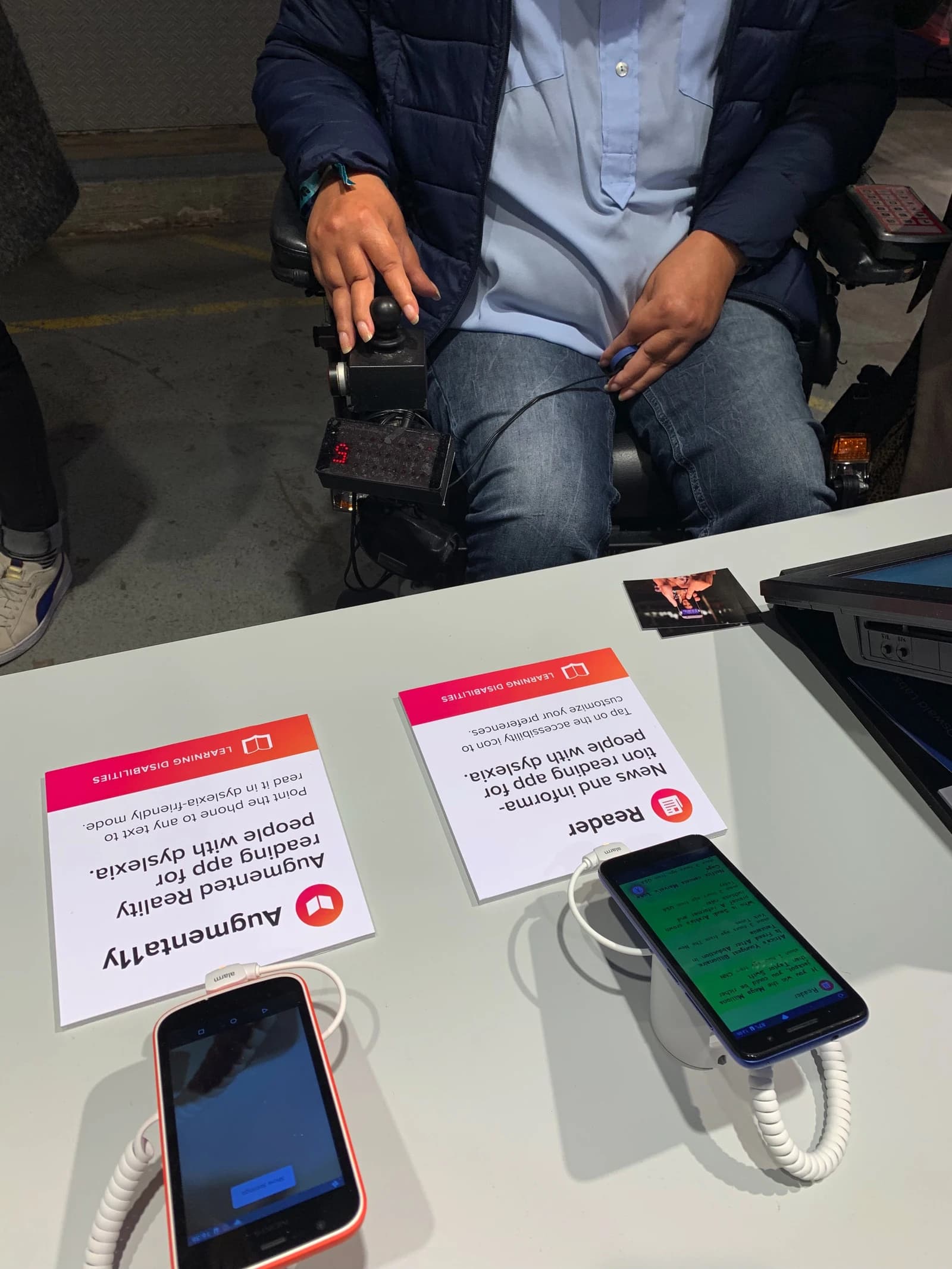
That is the economic case behind disability tech, a market that has shifted from a narrow social-welfare niche into a broad industrial category spanning healthcare, software, consumer electronics and robotics. World Health Organization estimates cited in the source point to about 1.3 billion people, or nearly one in six globally, living with significant disability, while more than 2.5 billion people already need some form of assistive technology. That figure could rise to 3.5 billion by 2050 as populations age and chronic disease becomes more common.
For investors, that scale matters because it makes accessibility a mass-market opportunity rather than a small specialty segment. Disability tech is increasingly serving not only permanently disabled users but also older adults, rehabilitation patients, accident victims and people with temporary functional limits. That expands the addressable market and ties the sector directly to some of the most durable long-term trends in the global economy: aging societies, rising healthcare demand and digitization.
Artificial intelligence is turning that demand into a faster-growing commercial category. Products that once relied on mechanical assistance are becoming software-defined and data-driven. Smart prosthetics now use sensors to make movement more natural, hearing aids can filter background noise with AI, smart glasses can identify objects for blind users, and speech-to-text tools can convert conversation into live text. Exoskeletons are moving from concept to rehabilitation aid, while brain-computer interfaces are pushing into the frontier of hands-free control.
The clearest investment implication is that disability tech can create value across multiple layers of the stack. Hardware makers benefit from devices that command premium pricing and recurring upgrades. Cloud and chip suppliers gain from AI workloads embedded in edge devices and assistive platforms. Software companies gain from subscription models built around navigation, translation, vision assistance and workplace accessibility. For incumbents such as Apple, Microsoft and Nvidia, the theme also reinforces a broader commercial thesis: accessibility features can deepen product ecosystems while widening adoption among mainstream users.
The market opportunity is also becoming more visible through consumer adoption. Be My Eyes, the Danish startup cited in the source, uses GPT-based tools to help blind users understand their surroundings through a smartphone camera, turning a single-purpose aid into a real-time context engine. That kind of product shows why AI can be more than a labor-saving technology; it can lower barriers to education, employment and participation in the economy.
There is, however, a gap between the promise and the financing reality. Disability tech has historically been underinvested relative to its potential, in part because returns were seen as slower, the customer base more fragmented and the category too closely associated with charity or public policy. The current wave of AI investment may be changing that, but execution risk remains high. Regulation, reimbursement, product liability and the need for clinical validation could separate durable winners from speculative pilots.
Still, the strategic case is strengthening. As AI capabilities spread into consumer devices and healthcare products, accessibility is becoming a feature rather than an add-on. That should support demand for companies able to combine hardware, software and clinical expertise, while pressuring rivals that treat accessibility as a compliance exercise rather than a growth channel.
For investors, the key watchpoint is whether disability tech starts producing repeatable revenue streams, not just attention. If it does, the sector could move from an overlooked social issue to one of the most commercially attractive intersections of AI, health and demography.
| Entity | Gains | Losses |
|---|---|---|
| Assistive-tech startups | ▲New addressable markets | ▼Crowded funding landscape |
| Big Tech platforms | ▲More device adoption | ▼Higher development costs |
| Older adults and disabled users | ▲Better independence | ▼Slow adopters of new tools |
| Traditional medical-device makers | ▲Partnership opportunities | ▼Product obsolescence |