Meta’s decision to launch camera-free smart glasses at $349 underscores the biggest commercial risk facing AI wearables: consumers may not buy devices they do not trust.
Meta launches camera-free smart glasses at $349

The shift matters because the category is supposed to be the next computing platform, a market tech companies are pitching as a successor to smartphones and worth capturing a slice of a more than $600 billion handset economy. But the same always-on sensors that make AI glasses, pins and pendants useful — cameras, microphones and environmental awareness — are also what have triggered lawsuits, venue bans and broader public unease over covert recording and consent.
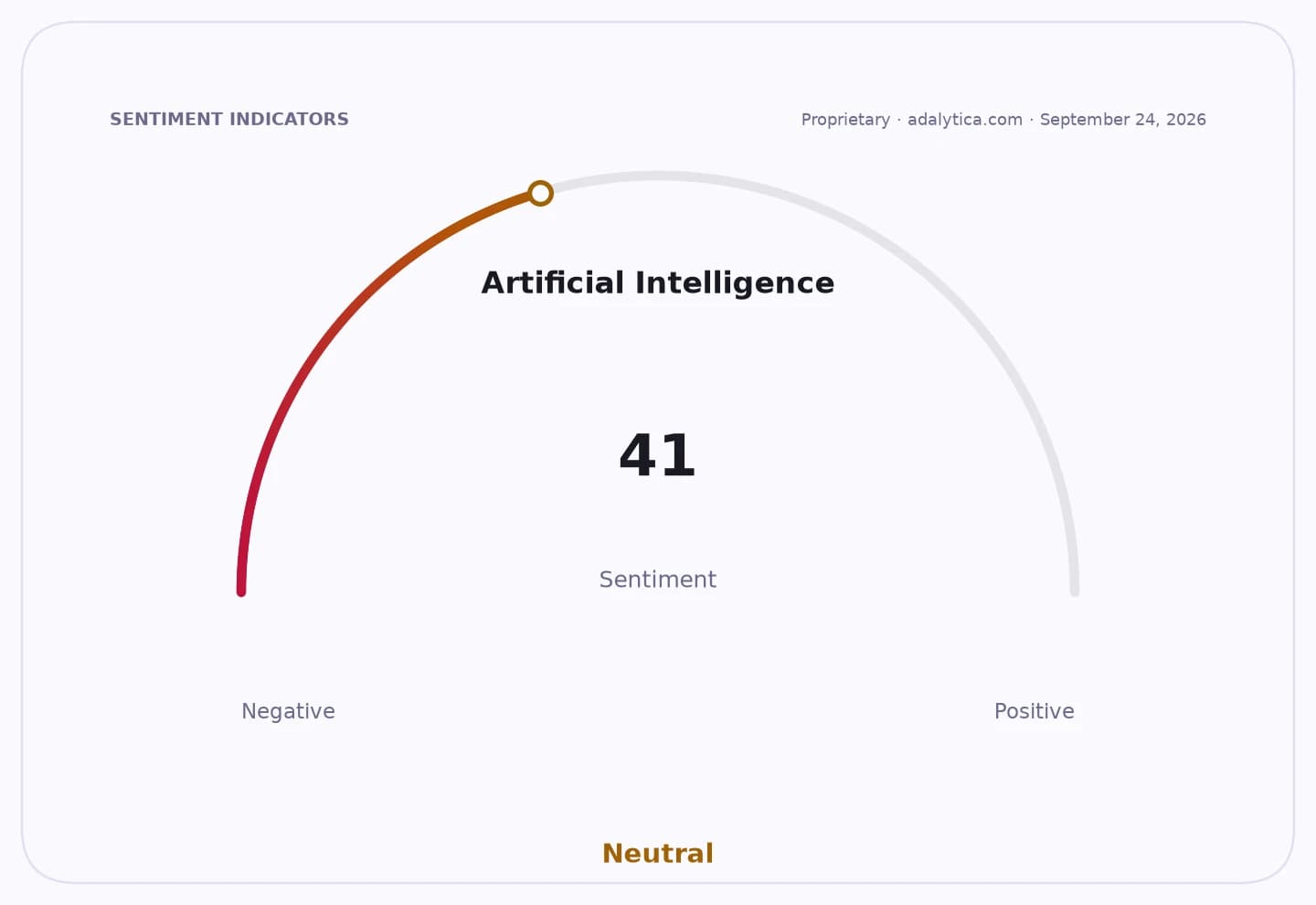
Sentiment IndicatorsⓘProprietary · adalytica.com · September 26, 2026
This is a snapshot — live sentiment, awareness and momentum for 130+ markets update continuously in the dashboard.Open AlphaPulse
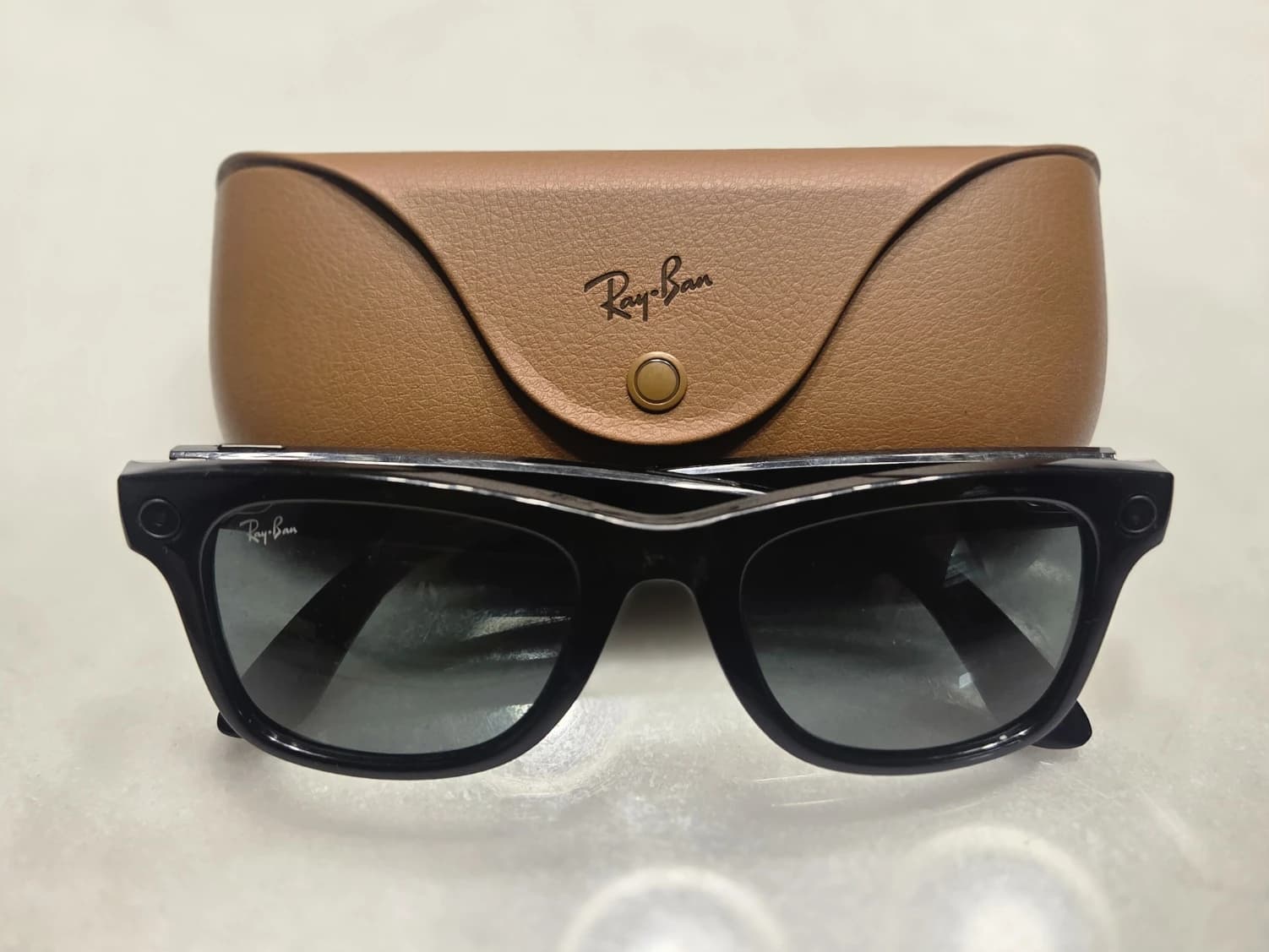
Meta’s Ray-Bans helped mainstream smart glasses by combining EssilorLuxottica’s fashion brand with the company’s AI push, but they also became the focal point for privacy criticism. In Britain, some venues, including Wetherspoon pubs, have restricted their use. A lawsuit in the U.S. alleges recordings captured by the glasses were reviewed and labeled by human annotators after being uploaded to Meta’s servers, including footage of people in private settings. Meta has said it uses a light to indicate filming, disables the camera if the light is covered and will contest the claims.
The economics are straightforward. If AI wearables cannot win public trust, adoption could stall before the market reaches scale, delaying the revenue opportunity for hardware makers, chip suppliers and platform owners trying to extend user time away from the smartphone. If consumers accept them, however, the devices could create a new interface layer for AI services, subscriptions and commerce.
That is pushing the industry toward a split strategy. Some companies are removing cameras entirely. Others are leaning into deliberate, visible recording, such as phone-mounted devices that require a button press, or recorders that alert bystanders. OpenAI chief executive Sam Altman has said always-on devices will likely need to process data locally rather than constantly sending information to the cloud, a design choice that could reduce privacy concerns but raise cost and engineering hurdles.
The market response suggests privacy is becoming a product feature rather than just a legal risk. Shenzhen-based Even Realities, which sells camera-free glasses, says consumer demand has been strong enough to support a $1 billion valuation. Plaud has built more than $100 million in annual recurring revenue around recording devices that activate only when prompted. Pocket says 170,000 of its devices were in use eight months after launch, with corporate customers including DoorDash, Michelin and Santander. That points to a possible near-term pattern: enterprise and productivity use cases may adopt faster than consumer wearables that ask people to be filmed all day.
Meta’s new glasses will be watched as a test of whether a less intrusive design can widen the market without sacrificing the AI functionality that gives the category its appeal. Samsung, too, is planning an entry through fashion partnerships, while saying it does not see glasses as a smartphone replacement. The bigger question for investors is whether privacy frictions can be engineered away quickly enough for AI wearables to become a meaningful platform, or whether the category remains a niche experiment constrained by the public’s discomfort with being recorded.
| Entity | Gains | Losses |
|---|---|---|
| Meta | ▲Lower privacy backlash | ▼Some camera-driven functionality |
| Privacy-conscious consumers | ▲More trust, less covert recording | ▼Full-featured AI wearables |
| Camera-free startups | ▲Stronger adoption narrative | ▼Feature-rich competitors |
| Broad AI wearables market | ▲Clearer trust standard | ▼Faster mass-market scaling |