A Greek police investigation into phone scams that use AI to clone real voices is underscoring how artificial intelligence is lowering the cost and raising the credibility of fraud — and why children and teenagers are now in the firing line.
Greece probes AI voice scam using cloned voices

The case, described by Greek authorities and reported on ERTnews, involved callers who first appeared to verify a man’s identity with a simple “yes,” then later used that audio fragment to make a separate scam aimed at his 14-year-old daughter sound convincing. The alleged fraudsters posed as officials from the country’s power distributor, DEDDIE, and used the father’s voice to persuade the girl that he had already approved the conversation. Greek police said similar cases have already been recorded and arrests have been made in related investigations.
Sentiment IndicatorsⓘProprietary · adalytica.com · September 22, 2026
This is a snapshot — live sentiment, awareness and momentum for 130+ markets update continuously in the dashboard.Open AlphaPulse
The economic significance is in the scale and efficiency of the tactic. Voice cloning removes one of the biggest weaknesses in traditional telephone fraud — the need for a scammer to sustain trust over a live call. By harvesting even tiny audio snippets from ordinary conversations or public videos, criminals can manufacture authority, urgency and familiarity at near-zero marginal cost. That makes the crime more scalable, harder to detect and more damaging for households, businesses and public utilities that rely on phone contact to resolve routine issues.
Greek police said the new method can involve not just impersonation, but audio processing that makes a caller sound like a parent, relative or other trusted person. That matters because emotional trust is often the last defense in a scam. A child or elderly victim is more likely to comply when a voice sounds familiar, and that can lead to money transfers, disclosure of passwords or other sensitive information. In this case, the target was a minor left alone at home — a reminder that the fraud model has moved well beyond the classic “grandparent scam” and into a broader social engineering playbook.
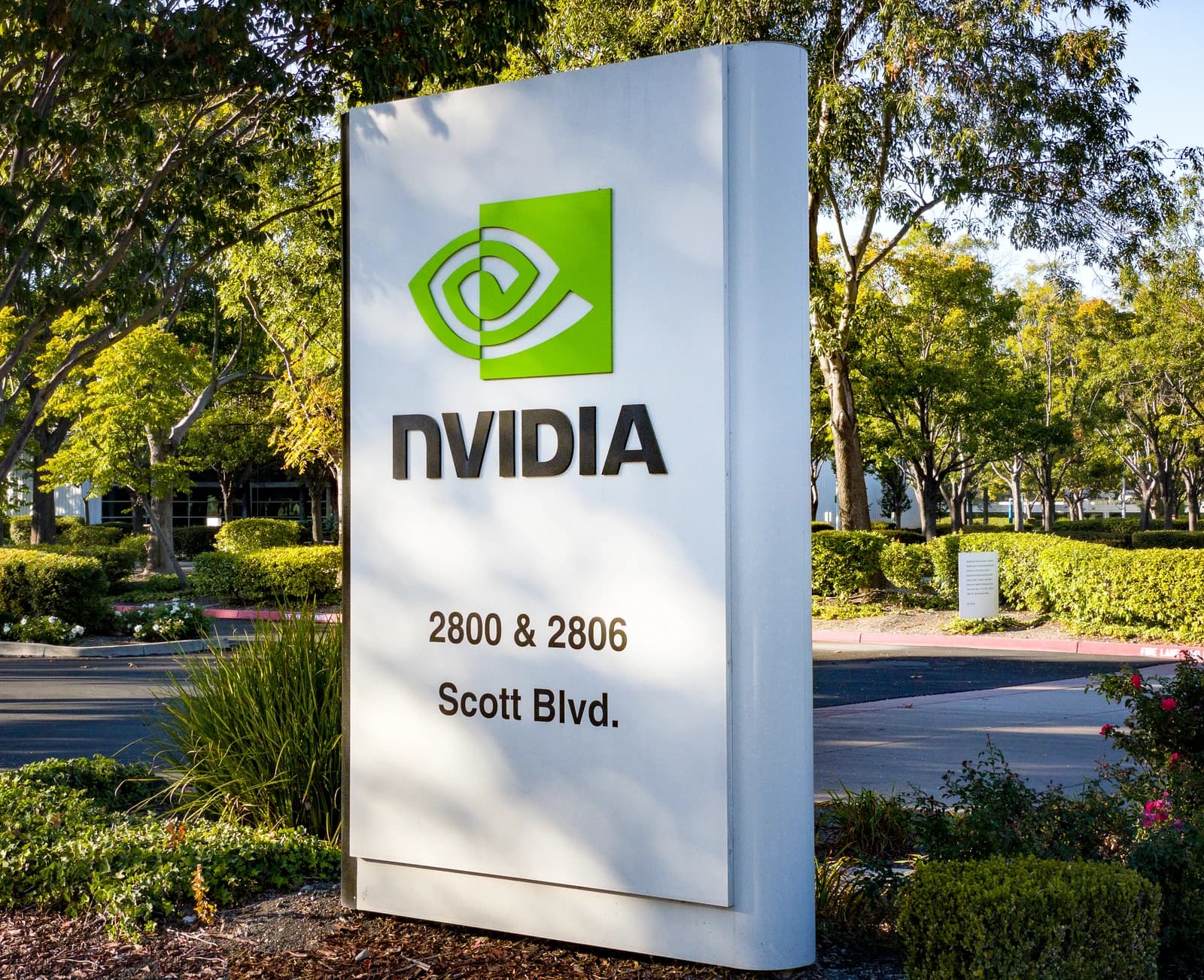
For investors, the story is a warning about the commercial risks that come with the spread of generative AI. The immediate losers are households and payment networks exposed to fraud. But the threat also reaches companies whose brands or customer data can be used as camouflage, including utilities, telecoms, banks and consumer platforms. Microsoft, Google and Nvidia are central to the AI buildout, but the same technologies driving productivity gains are also enabling abuse. Microsoft has already flagged in its filings that its services may be used to generate or disseminate harmful content, while acknowledging that AI’s scale can create reputational, legal and regulatory risks. Alphabet and Nvidia face similar scrutiny as regulators and law enforcement focus on how open AI tools can be misused.
The bull case for the sector is that better AI will also improve detection — helping firms build stronger verification, fraud analytics and voice-authentication tools. The bear case is that fraud grows just as fast, forcing higher compliance spending, more friction in customer service and greater pressure on platforms to prove they can police misuse. That could increase costs and, in the worst case, invite tighter regulation.
The broader lesson is that AI has become a fraud multiplier as much as a productivity tool. As police in Greece and elsewhere confront increasingly realistic cloned voices, the next battleground for investors may not just be who can build the best AI models, but who can make them safe enough for daily use.
| Entity | Gains | Losses |
|---|---|---|
| Scammers | ▲cheaper impersonation | ▼easier detection once exposed |
| AI safety tools | ▲higher demand | ▼tougher verification standards |
| Households, minors | ▲better awareness campaigns | ▼higher fraud risk |
| Microsoft, Alphabet, Nvidia | ▲demand for AI infrastructure | ▼reputational and regulatory pressure |