AI-powered fraud is turning cybercrime into a scale business, and that shift is forcing banks, enterprises and consumers to spend more on detection, identity protection and secure communications.
CrowdStrike, Palo Alto, Fortinet on AI fraud spending

Authorities in Hanoi said cybercriminals are now running 25 scam scenarios across five broad tactics, with artificial intelligence emerging as a new weapon for voice cloning, deepfakes and impersonation fraud. In one case, a student was nearly tricked out of almost 700 million dong, or about $28,000, after scammers posed as police, used personal data they had already collected and threatened to arrest her family unless she complied.
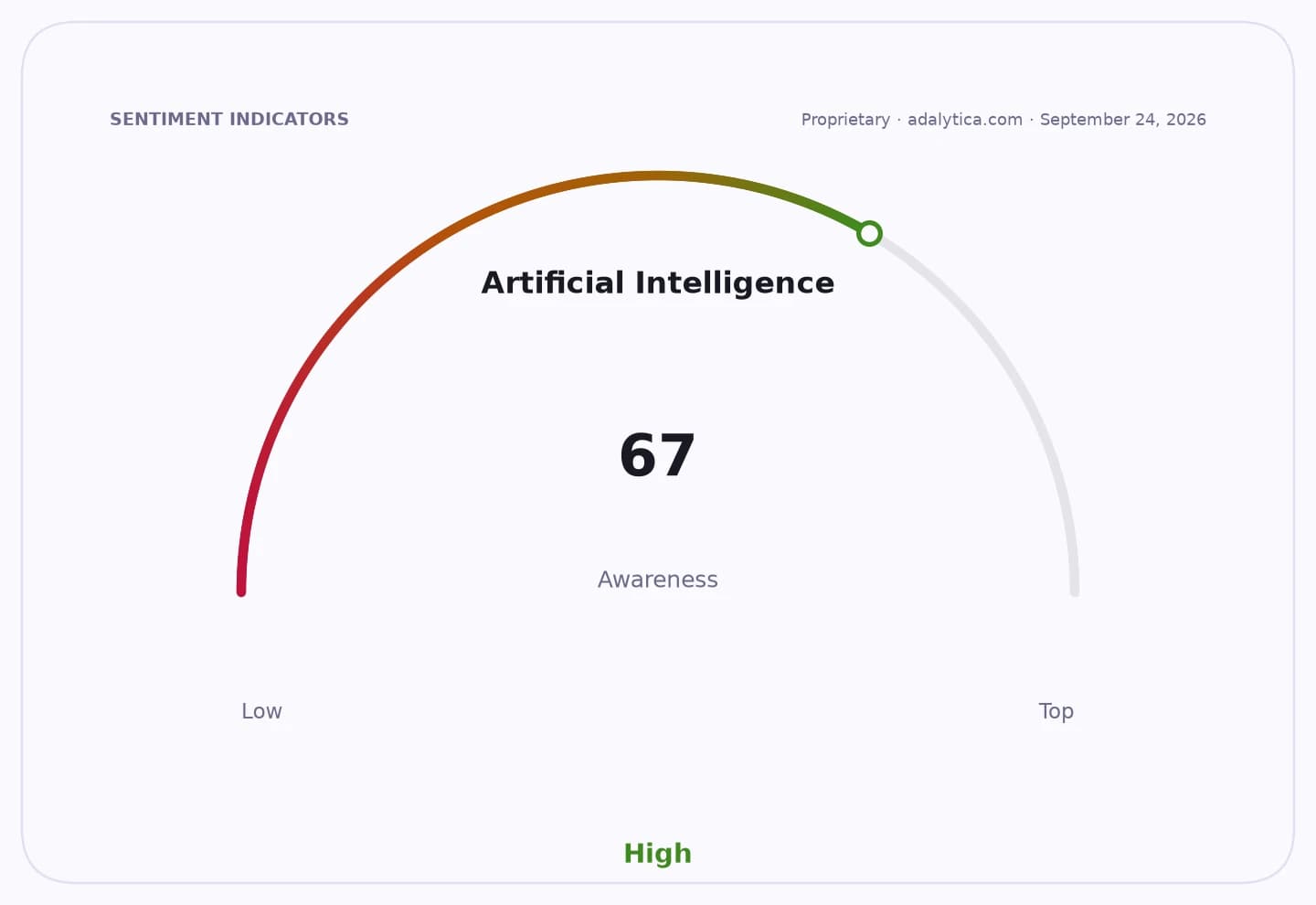
Sentiment IndicatorsⓘProprietary · adalytica.com · September 19, 2026
This is a snapshot — live sentiment, awareness and momentum for 130+ markets update continuously in the dashboard.Open AlphaPulse
That matters because the economics of scams have changed. Criminals no longer need perfect social engineering when AI can make a fake call, video or voice memo sound like a trusted relative, boss or official. The result is lower cost, higher volume and higher success rates for attackers, especially when they already possess stolen personal data or access to compromised accounts. The Vietnamese police also said one ring operating a trading website had more than 1.35 million accounts and generated more than 53 million transactions, showing how data markets and fraud networks feed one another.
For investors, the message is straightforward: AI is not only expanding the addressable market for legitimate software, it is also expanding the attack surface that cybersecurity vendors must protect. That should keep budgets flowing toward endpoint security, identity verification, fraud analytics, secure messaging and AI-enabled threat detection. The market underestimates how quickly AI scams can move from consumer nuisance to balance-sheet risk for lenders, insurers, fintechs and platforms that reimburse losses or shoulder compliance costs.
The listed names most exposed to this spending wave include CrowdStrike, Palo Alto Networks and Fortinet. CrowdStrike has been one of the clearest beneficiaries of the broader security cycle, while Palo Alto and Fortinet sit closer to the enterprise control points where AI-generated phishing, account takeover and voice-based fraud need to be stopped. Their shares have already repriced sharply this year, but the secular driver remains intact: every new scam vector raises the value of prevention, identity and response.
The technical picture reinforces the theme. CrowdStrike remains well above its 200-day moving average, while Palo Alto and Fortinet are also trading above long-term trend levels, suggesting investors are still willing to pay for security leaders with recurring demand. That is not a reason to chase blindly, but it does confirm the market sees cyber defense as a durable capital-allocation priority, not a passing theme.
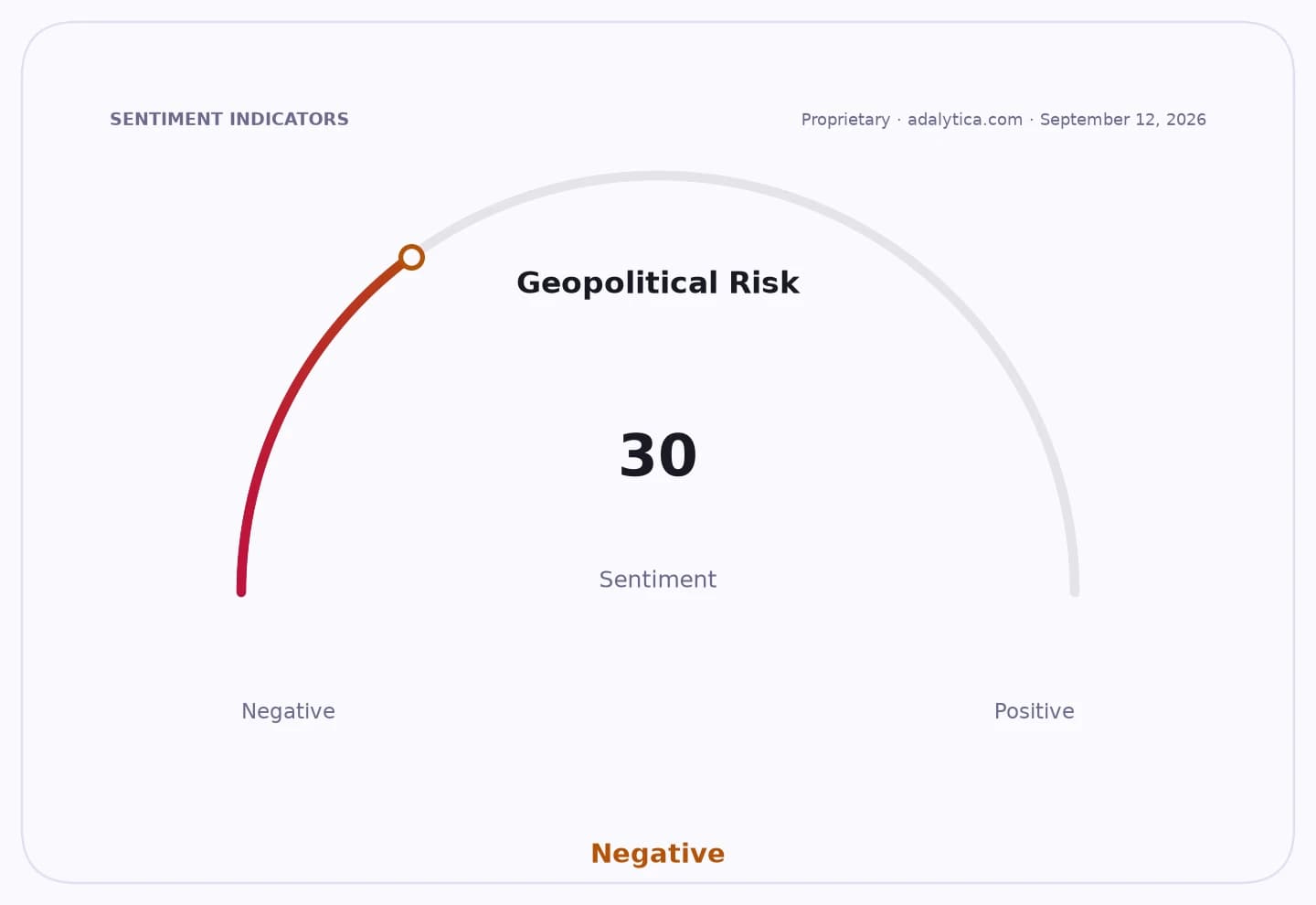
Adalytica’s AI sentiment snapshot also underscores the urgency: awareness is at an extreme level even as sentiment remains fearful, a combination that usually accompanies a fast-rising risk narrative before budgets catch up. In other words, the public is waking up to the threat faster than many businesses are hardening their defenses.
This is the inflection point. As AI makes scams more convincing, fraud prevention becomes a mandatory line item, not an optional upgrade. The best way to play it is through the picks-and-shovels layer: cybersecurity, identity, authentication and fraud-detection software. I believe the next leg of outperformance in this trade will come from vendors that can prove they stop AI-generated deception before it reaches the balance sheet.
| Entity | Gains | Losses |
|---|---|---|
| Cybersecurity vendors | ▲Higher security budgets | ▼Slower procurement cycles |
| Banks and fintechs | ▲Better fraud controls | ▼Higher compliance and loss costs |
| Scammers using AI | ▲Lower-cost deception | ▼Greater law-enforcement scrutiny |
| Consumers and small businesses | ▲More protective tools | ▼Higher exposure to impersonation fraud |