Meta Platforms’ Ray-Ban smart glasses are getting a direct challenge from a new wave of AI eyewear that aims to solve the category’s biggest weakness: usefulness beyond novelty. That matters because smart glasses are no longer just a consumer gadget experiment; they are emerging as a strategic battleground for the next computing interface, where Meta, Google and Apple are all trying to position themselves ahead of a broader shift away from the smartphone.
Meta Ray-Ban glasses face new AI eyewear rivals
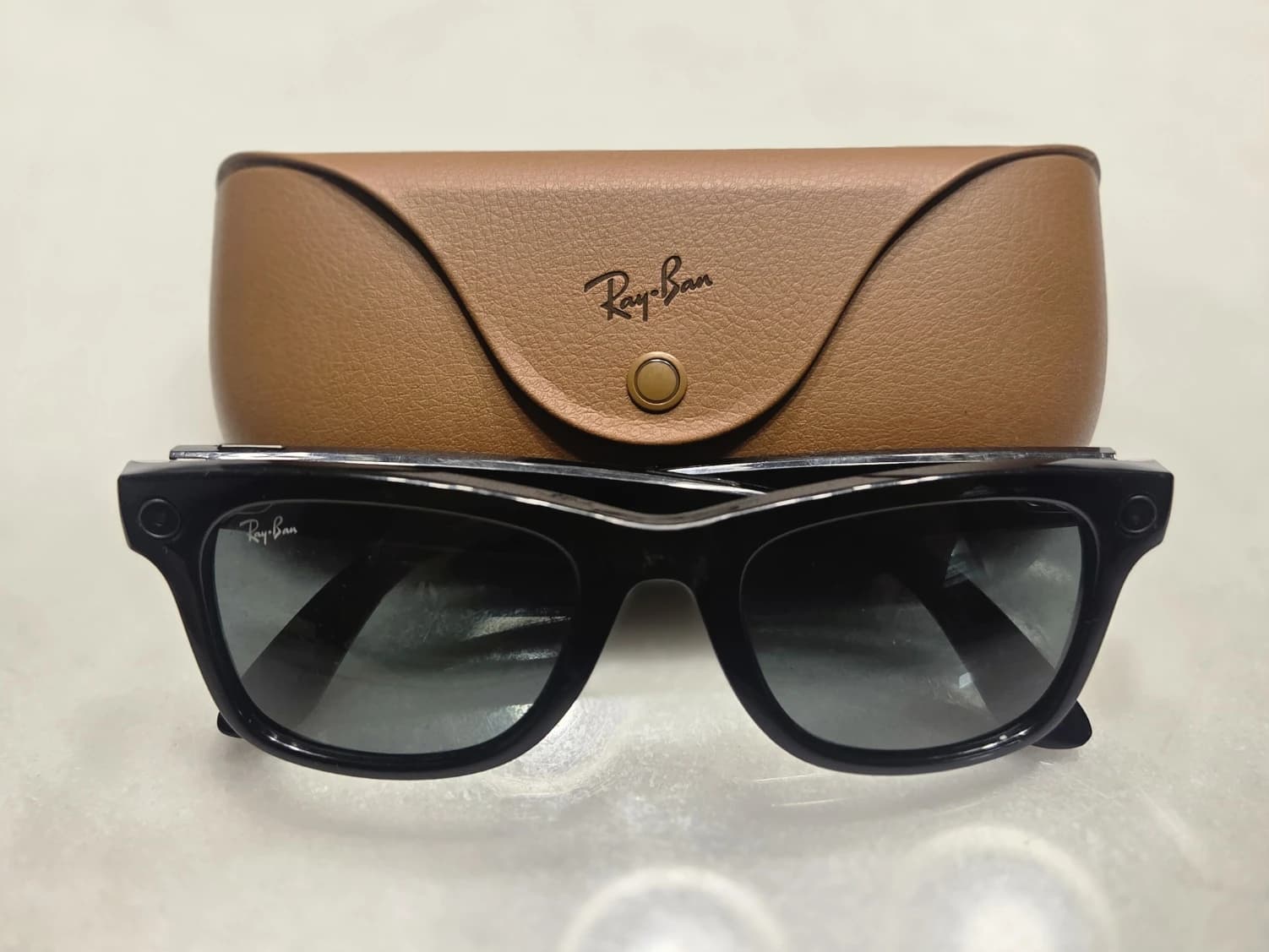
The immediate investment question is whether better smart glasses can accelerate adoption fast enough to justify the heavy spending now flowing into wearables and AI devices. Meta has already told investors it is directing more resources toward AI, wearables and devices as part of its long-term product strategy, underscoring that the company sees glasses as a key entry point into the next platform cycle. If rivals can make the products more practical, they could expand the market and validate that spending. If not, the category risks remaining a niche accessory with limited revenue impact.
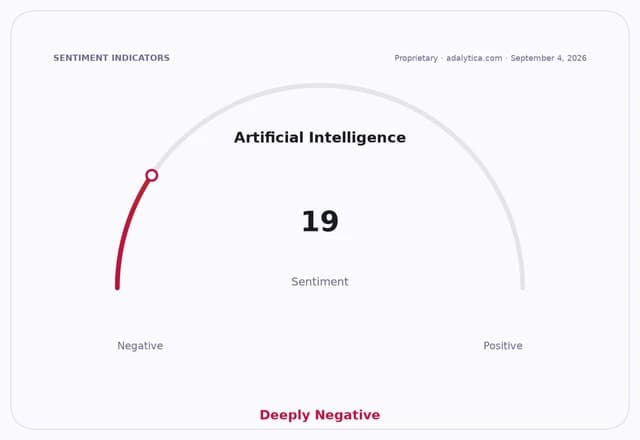
Sentiment IndicatorsⓘProprietary · adalytica.com · September 4, 2026
This is a snapshot — live sentiment, awareness and momentum for 130+ markets update continuously in the dashboard.Open AlphaPulse

For Meta, that makes competition a double-edged development. On one hand, a stronger rival can help educate consumers and push the market beyond early adopters, which would ultimately benefit the company’s push into AI-powered hardware. On the other, a competitor that solves common complaints — such as battery life, comfort, or limited functionality — could pressure Meta’s first-mover advantage in a category it has used to showcase its ecosystem ambitions. The company’s shares, which have been volatile over the past several months, remain sensitive to whether investors believe those hardware bets can produce durable growth rather than another costly moonshot.
Google and Apple are also part of the broader competitive picture. Google’s work across devices and AI gives it a route into glasses through Android and its Gemini ecosystem, while Apple’s tighter control over hardware and software makes it a natural late entrant if the form factor becomes mainstream. That keeps the smart-glasses race strategically important well beyond one product launch: whoever gets the user experience right could own the interface layer for search, messaging, navigation and AI assistants outside the phone.
Technically, Meta stock has rebounded from its spring lows and is trading above both its 50-day and 200-day moving averages, but momentum looks uneven after a sharp pullback from earlier highs. That leaves sentiment highly dependent on product execution. A better smart-glasses rival could pressure Meta in the near term, but it could also strengthen the case that the category has real commercial legs — which is what long-term investors are really watching.
The key catalyst is whether upcoming devices can combine AI utility with all-day wearability. If they can, smart glasses may start to move from a demo product to a genuine consumer platform. If they cannot, the market will keep treating them as a promising but unproven extension of the smartphone era.
| Entity | Gains | Losses |
|---|---|---|
| Meta | ▲Bigger category validation | ▼First-mover share risk |
| Rival smart-glasses maker | ▲Market entry momentum | ▼Execution scrutiny |
| ▲Platform optionality | ▼Falls behind in hardware | |
| Apple | ▲Later-cycle upside | ▼Missed early adoption |