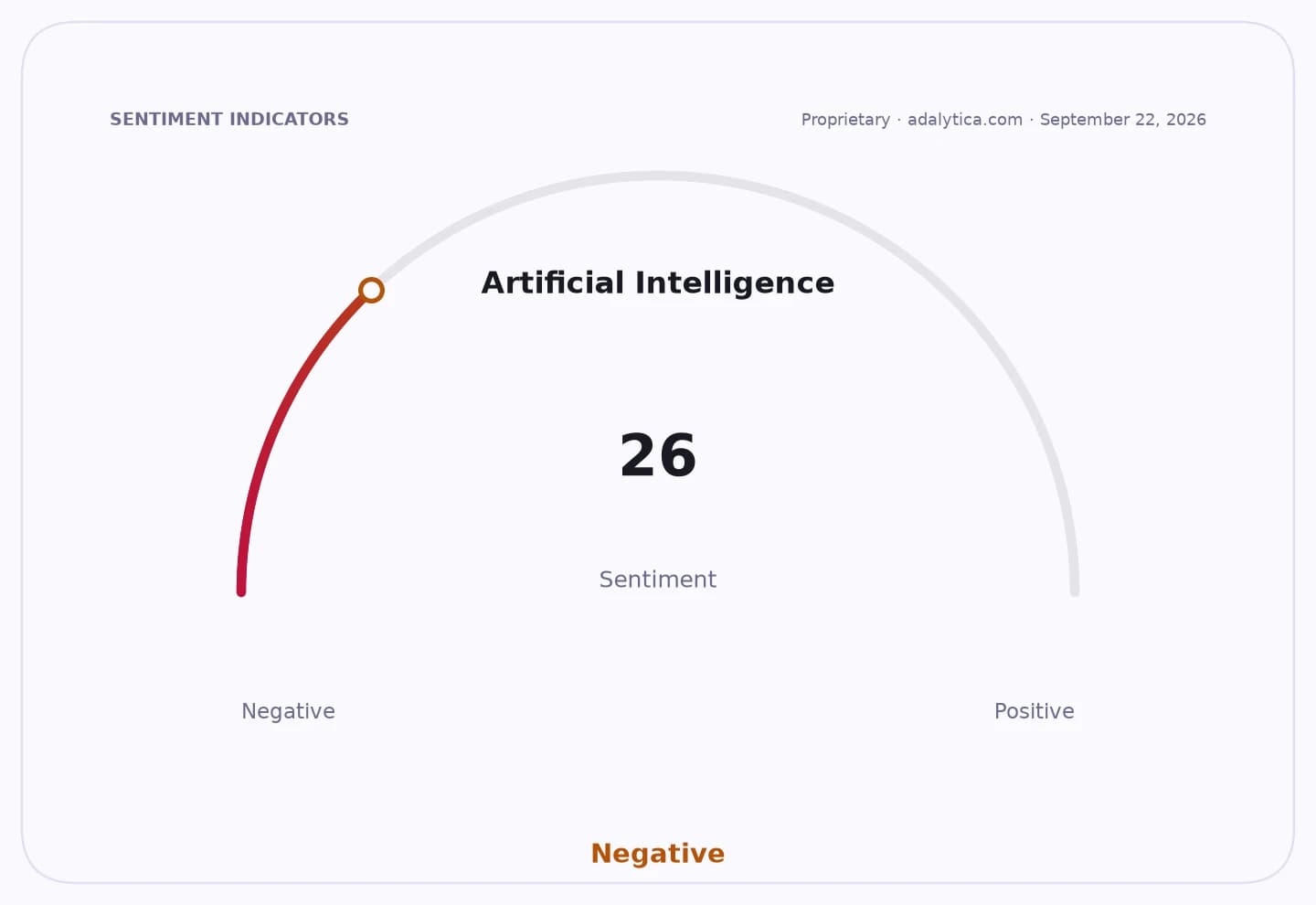
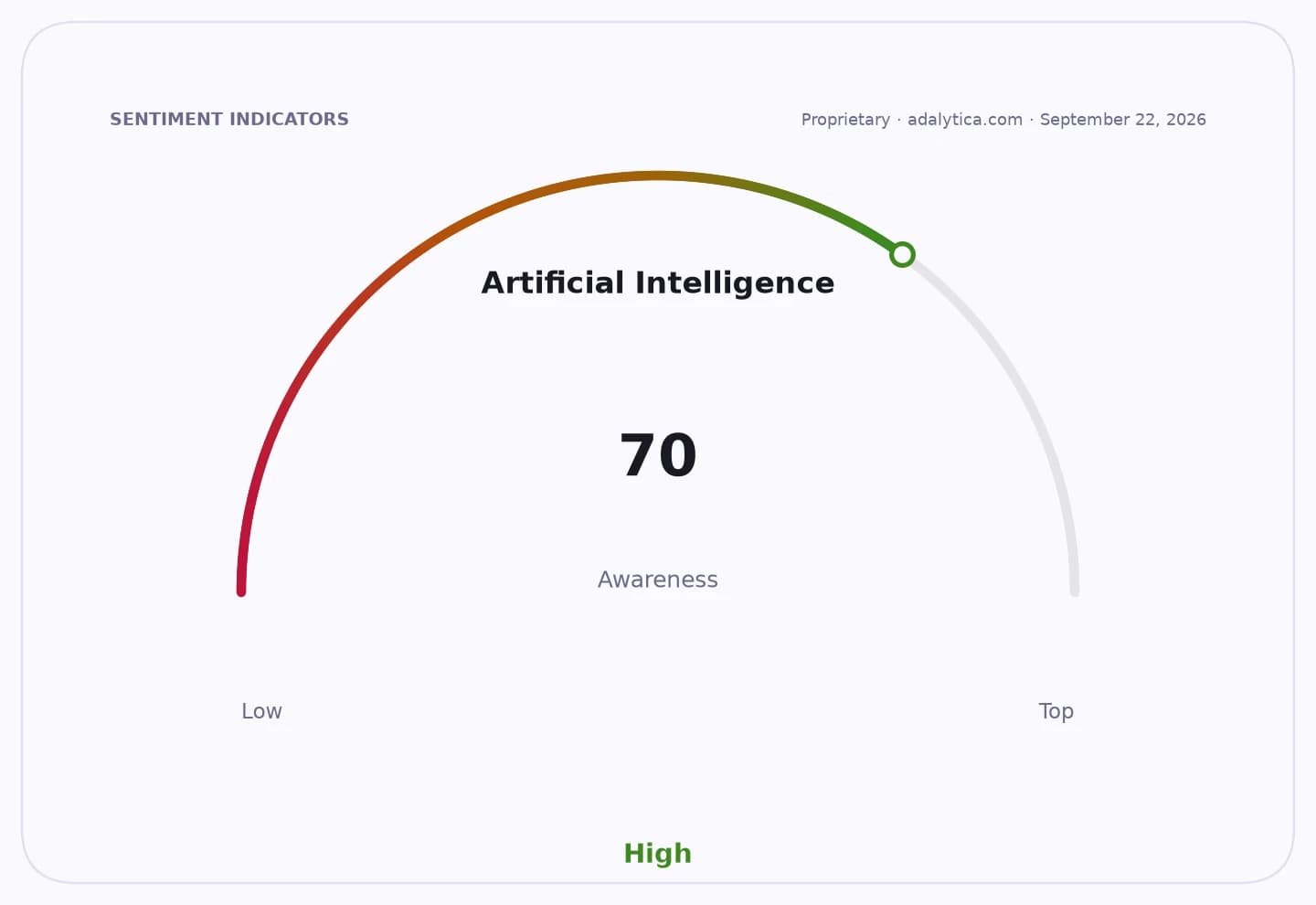
Apple’s new Siri AI is drawing complaints for reliability problems just as the company tries to reposition the assistant as a core part of its device ecosystem.
Apple Siri AI Faces Early Reliability Complaints
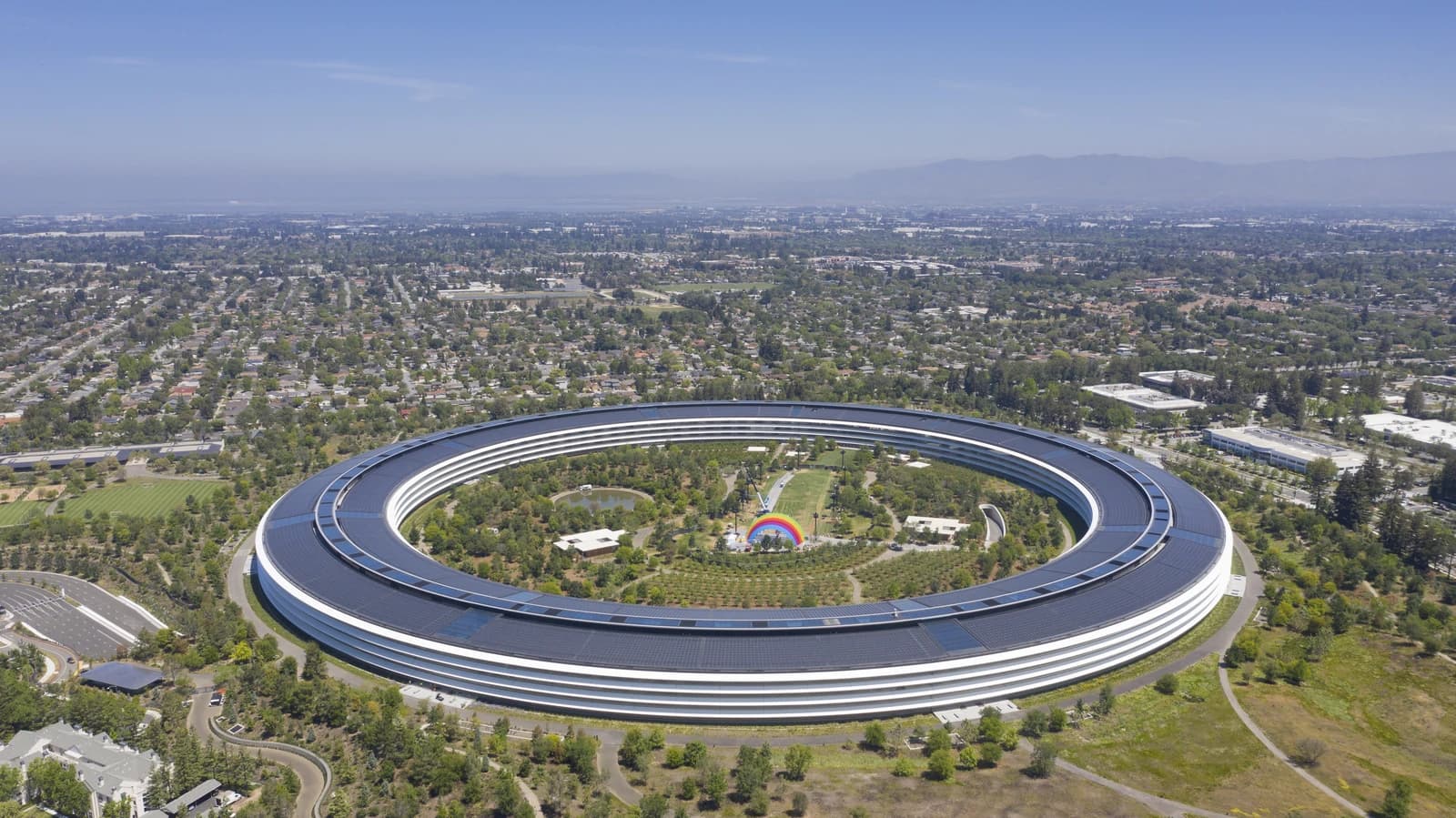
The issue matters because Apple is not simply launching a chatbot-style feature; it is asking users to trust Siri AI for personal, on-device actions, cloud lookups and cross-app commands that sit closer to daily workflow than novelty. If that trust breaks, the product loses the main economic argument for embedding AI deeper into iPhone, Apple Watch and other devices: higher engagement, stronger ecosystem lock-in and a better case for premium hardware sales.
Reports from early users have highlighted five recurring pain points: frequent network errors, failures when searching for information stored on the device, prompts to unlock the iPhone for tasks that previously worked while locked, slow response times, especially on Apple Watch, and missing or inconsistent features. Some of the problems appear tied to the assistant’s dependence on Apple’s cloud infrastructure and its new semantic search system, while others reflect unfinished feature parity with the older Siri.
That makes the beta label more than a technical footnote. Apple is effectively shipping a partial version of a product that has to do two things at once: feel more intelligent than the old Siri, while remaining faster and more dependable than users expect from an assistant built into a phone. If it misses either standard, adoption can stall. For consumers, that means frustration in simple tasks such as setting timers, finding reminders or sending messages. For Apple, it raises the risk that the AI upgrade becomes a source of customer irritation rather than an upgrade worth paying for.
The timing is important for investors because Siri AI is part of a broader race among platform companies to prove that consumer AI can improve retention and monetization, not just generate headlines. Apple’s shares have still been trading close to record territory, with the stock around $337.02 in the latest session, well above its 200-day moving average of $286.78, even after retreating from a recent peak near $339.75. That leaves the market pricing in continued execution, especially on the software layer that supports future device upgrades. A high-profile stumble in Siri AI would not change Apple’s balance sheet overnight, but it could weaken the case that AI is an immediate catalyst for the next upgrade cycle.
The comparison with Microsoft is also instructive. Microsoft’s shares have been more range-bound lately, near $500.59 after earlier trading above $513, with the stock still above its 200-day moving average of $430.38. Both companies are investing heavily in AI, but Apple is taking a more consumer-facing approach, where small product flaws are visible instantly and can shape perception much faster than enterprise software issues. That makes Siri AI’s early missteps particularly sensitive: consumer AI is judged on convenience, speed and reliability, not roadmap promises.
There is also a broader strategic tension. Apple’s filings already flag how new products can affect costs, engineering resources and operational risk, while interoperability requirements in Europe increase the complexity of feature development. A beta assistant that depends on cloud processing, personal data access and cross-device consistency sits squarely in that risk zone. The upside is obvious if Apple can refine the product: richer contextual search, tighter hardware integration and a stickier ecosystem. The downside is equally clear if bugs linger: more skepticism around Apple Intelligence, slower uptake of new AI features and less enthusiasm for the company’s next round of device upgrades.
For now, the investment question is not whether Apple can eventually fix Siri AI. It is whether early reliability issues force users to treat the assistant as a demo rather than a daily tool. If that happens, Apple will have to spend more time proving the product works than explaining why it matters.
| Entity | Gains | Losses |
|---|---|---|
| Apple users | ▲Faster fixes, clearer expectations | ▼Frustration and unreliable commands |
| Apple | ▲Feedback for product refinement | ▼Trust damage and higher support risk |
| Android/AI rivals | ▲Opportunity to compare stability | ▼Less direct if Apple improves quickly |
| Long-term Apple bulls | ▲Better entry if rollout disappoints | ▼Near-term AI execution risk |