Apple is pushing its new Siri AI deeper into the iPhone, but users in Spain and the wider European Union will not get the flagship assistant on day one, underscoring how regulation is now shaping where and how the next phase of smartphone AI reaches consumers.
Apple Siri AI delayed in EU at iPhone launch
That matters because Apple Intelligence is becoming one of the company’s main product differentiators just as the smartphone market is looking for a new upgrade cycle. Apple said Siri AI will support Spanish from October, but the feature will still be blocked in the EU at launch on iPhone, iPad and Apple Watch over disputes tied to the Digital Markets Act, even as it is available on Mac and Vision Pro. The company says European regulators have not accepted the solutions it proposed to comply with the law while preserving privacy and security.
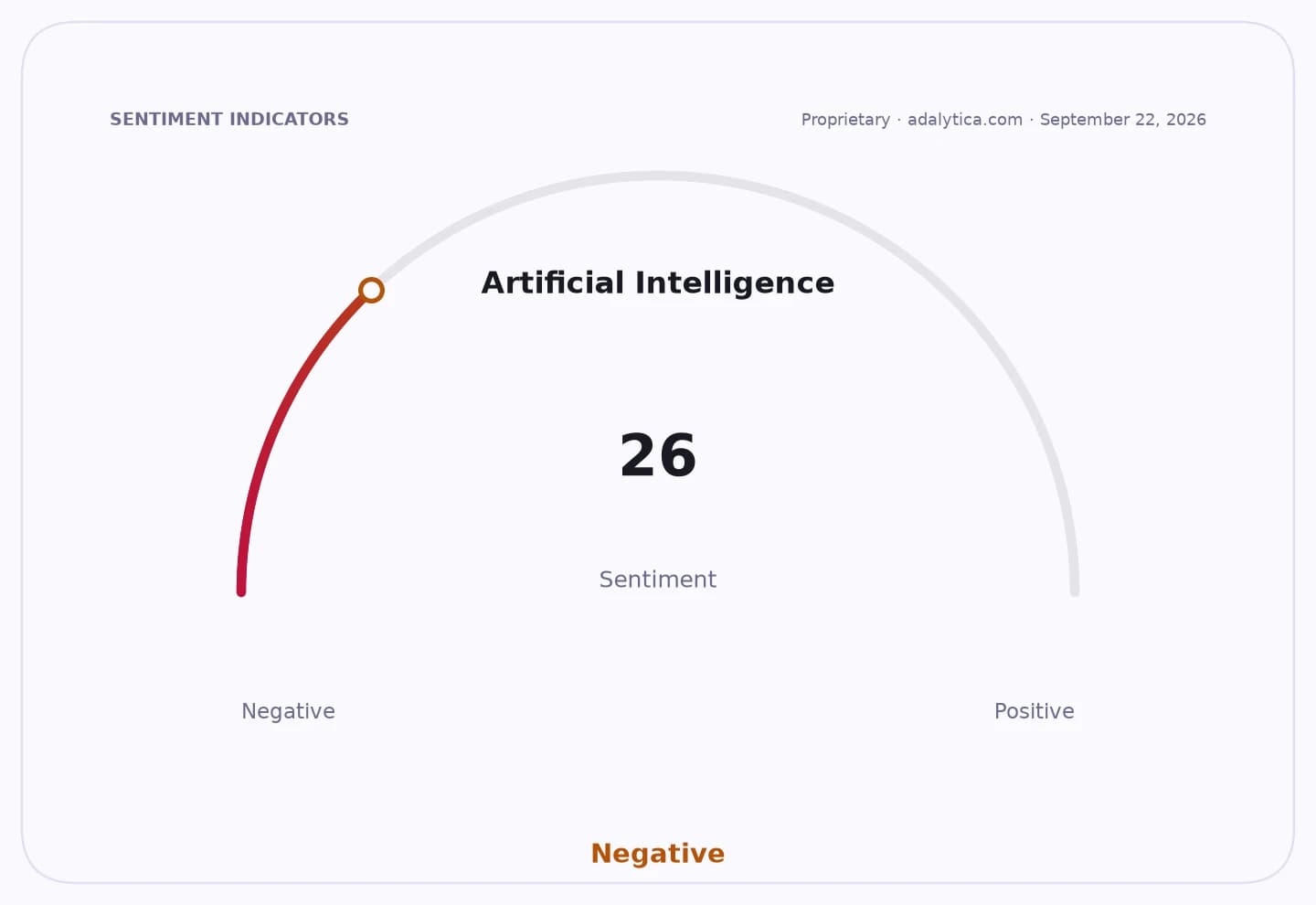
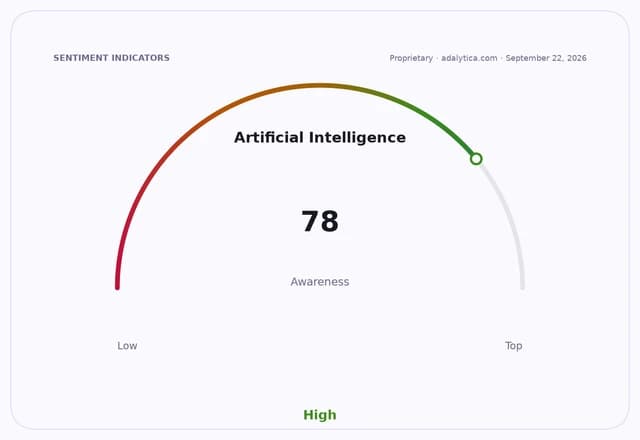
Sentiment IndicatorsⓘProprietary · adalytica.com · September 22, 2026
This is a snapshot — live sentiment, awareness and momentum for 130+ markets update continuously in the dashboard.Open AlphaPulse
For Apple, the immediate economic issue is not language support but product fragmentation. The company is trying to turn on-device AI into a reason for customers to buy newer hardware and stay inside its ecosystem. A delayed rollout in one of the world’s largest consumer markets risks softening that pitch, especially if buyers conclude that the most visible AI features are arriving unevenly and only on selected devices. News context around the launch of the iPhone 18 Pro shows Apple is already concentrating its most advanced AI on the highest-end models, including hardware capable of running large models locally, while broader devices get a narrower set of Apple Intelligence tools.
Investors care because Apple’s AI strategy is as much about margin protection and upgrade demand as it is about features. The stock has been strong, with Apple trading around $338.98 on Sept. 21, above its 50-day and 200-day moving averages, but the rally has also left the market sensitive to execution risk. If Siri AI remains limited by geography, regulation and hardware requirements, the revenue upside from AI may take longer to show up in iPhone replacement cycles and services retention. The bear case is that Apple spends heavily to catch up in AI while monetization is delayed. The bull case is that even partial rollout keeps Apple in the conversation, and the company can still use privacy-focused, on-device AI to defend premium pricing.
The dispute also highlights a broader shift in the AI race: the winners may be determined as much by regulators and device constraints as by model quality. Apple says it will bring some Apple Intelligence tools to compatible iPhones in Spain, including photo editing, writing assistance, visual intelligence and message and mail upgrades. But the central narrative is clear: Apple is trying to make Siri AI a hardware and ecosystem advantage, while Europe is forcing that strategy into a slower and more selective launch.
For investors, the key catalyst is whether Apple can broaden AI access without diluting the privacy case or running afoul of EU rules. Until then, the rollout remains a reminder that in consumer AI, product ambition alone does not set the timetable.
| Entity | Gains | Losses |
|---|---|---|
| Apple | ▲Premium device differentiation | ▼EU launch momentum |
| Spanish iPhone users | ▲Apple Intelligence tools | ▼Siri AI access |
| EU regulators | ▲DMA enforcement leverage | ▼Faster AI rollout |
| Rival assistants | ▲More room to compete | ▼Apple ecosystem pressure |