Microsoft Oct. 7 Windows AI PC event
Microsoft is preparing its biggest Windows-and-Surface showcase in more than two years, and the timing matters because the company is trying to turn AI from a cloud story into a new hardware upgrade cycle.
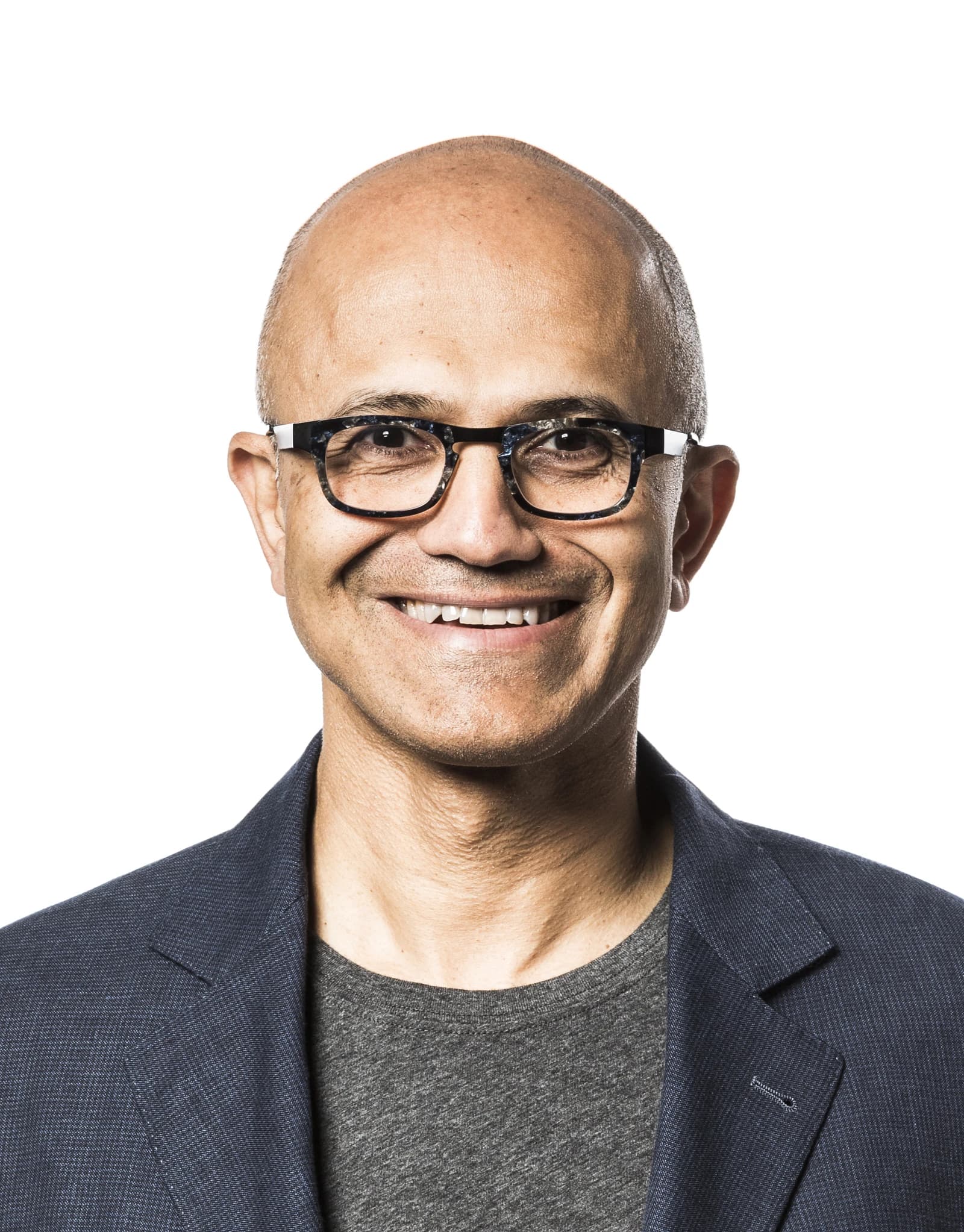
The Oct. 7 event in San Francisco will focus on Windows, Surface devices and on-device artificial intelligence, with Microsoft Chief Executive Satya Nadella and Windows and Surface chief Pavan Davuluri expected on stage. Nvidia Chief Executive Jensen Huang will also appear as a special guest, underscoring how closely Microsoft wants to tie its next-generation PC pitch to the chipmaker that has become the market’s most important AI supplier.
That combination is economically meaningful for both companies. Microsoft has spent much of the AI boom monetizing demand through Azure and enterprise software, but a renewed push into “local” AI could broaden that opportunity into PCs, where upgrades tend to be cyclical and margin-sensitive. For Nvidia, any Microsoft-backed consumer and commercial AI-PC launch is another avenue to extend its reach beyond data centers and keep its technology embedded in the next wave of endpoints.
The event is the first major Windows and Surface hardware presentation since May 2024, highlighting how long Microsoft has gone without a clear hardware reset. That gap has left investors looking for evidence that Windows can become more than a maintenance business as the PC market recovers unevenly and buyers remain selective. A successful AI PC cycle could support Surface sales, stimulate Windows licensing demand and give Microsoft a stronger reason to refresh the installed base.
The market backdrop suggests investors are eager for that catalyst. Microsoft shares have recently stabilized near $499 after a volatile stretch, trading roughly in line with their 50-day average and just above the 200-day average, while technical readings point to neutral momentum rather than a decisive breakout. Nvidia, meanwhile, has held near $224, with its own price action supported by ongoing AI-infrastructure demand but no longer surging the way it did earlier in the year.
The bigger question is whether Microsoft can convince buyers that on-device AI justifies a premium. The bull case is that tighter integration between Windows, Surface hardware and Nvidia’s technology could make AI features faster, more private and less dependent on the cloud, appealing to enterprises that want local processing and lower latency. The bear case is that consumers and corporate IT departments may still see AI PCs as incremental rather than essential, especially if software use cases remain thin and hardware refresh budgets stay tight.
Sentiment data from Adalytica points to an unusually optimistic reading on Microsoft earnings expectations, but awareness remains depressed, suggesting enthusiasm may already be high while public attention is still limited. That combination can work both ways: it leaves room for a positive surprise if Microsoft shows a credible product roadmap, but it also raises the risk of disappointment if the event is more positioning than proof.
For investors, the key issue is whether Oct. 7 marks a true product cycle inflection or simply another AI-themed presentation. A convincing Windows AI-PC launch would support the case that Microsoft can translate its software and cloud lead into device-level monetization, while Nvidia would benefit from another powerful channel for its chips and platform software. If the event produces only broad promises, the market may treat it as another reminder that AI enthusiasm is still ahead of commercial adoption in personal computing.
| Entity | Gains | Losses |
|---|---|---|
| Microsoft | ▲AI PC upgrade cycle | ▼Surface hardware stagnation |
| Nvidia | ▲Deeper PC ecosystem reach | ▼PC market weakness |
| Enterprise buyers | ▲Local AI processing | ▼Higher device costs |
| PC rivals | ▲— | ▼Share in AI premium segment |