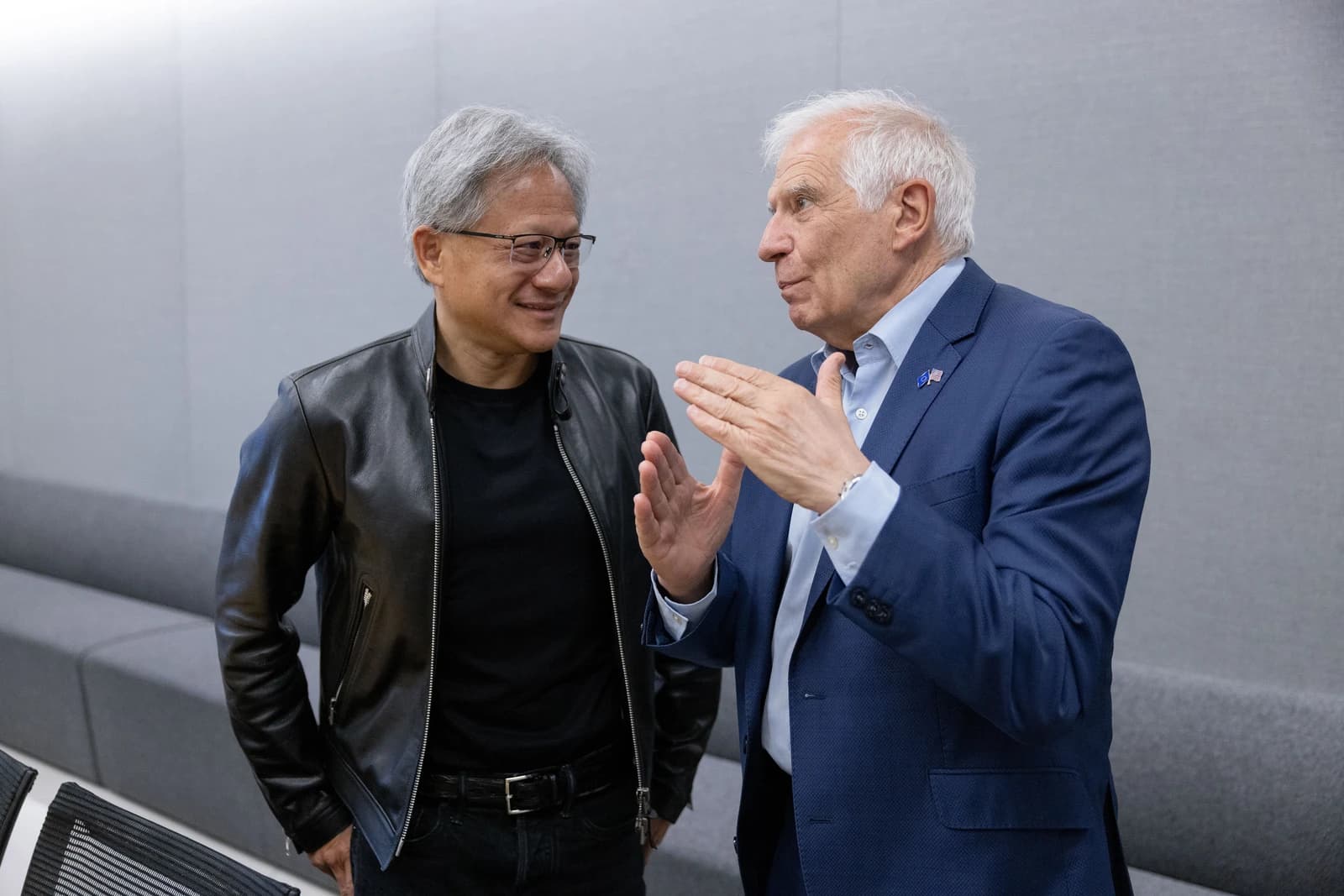
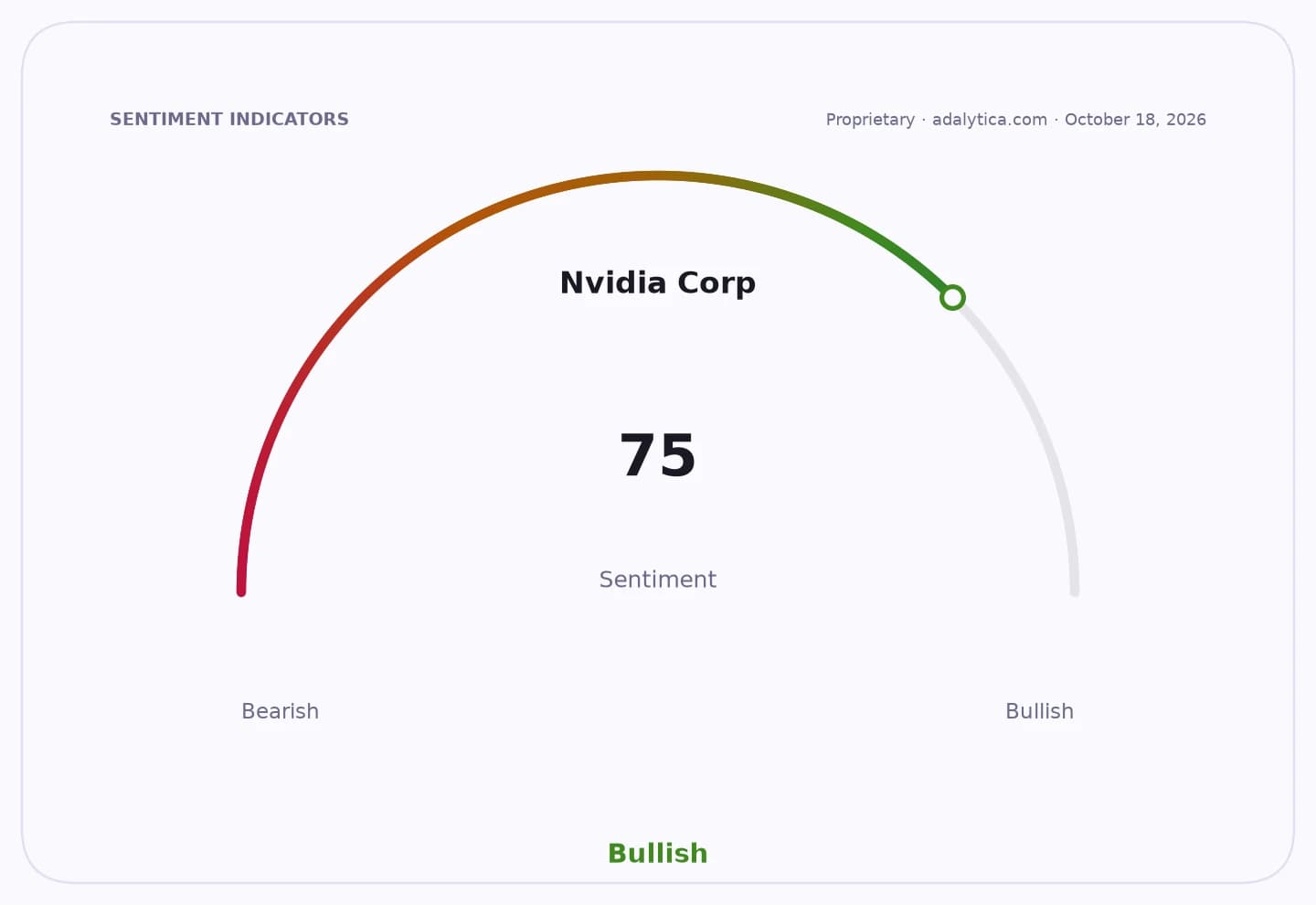
NVIDIA and Bandung Institute of Technology are leaning into the most important bottleneck in the AI boom: not chips, but people who can build with them.
NVIDIA and ITB Expand AI Education Push in Indonesia
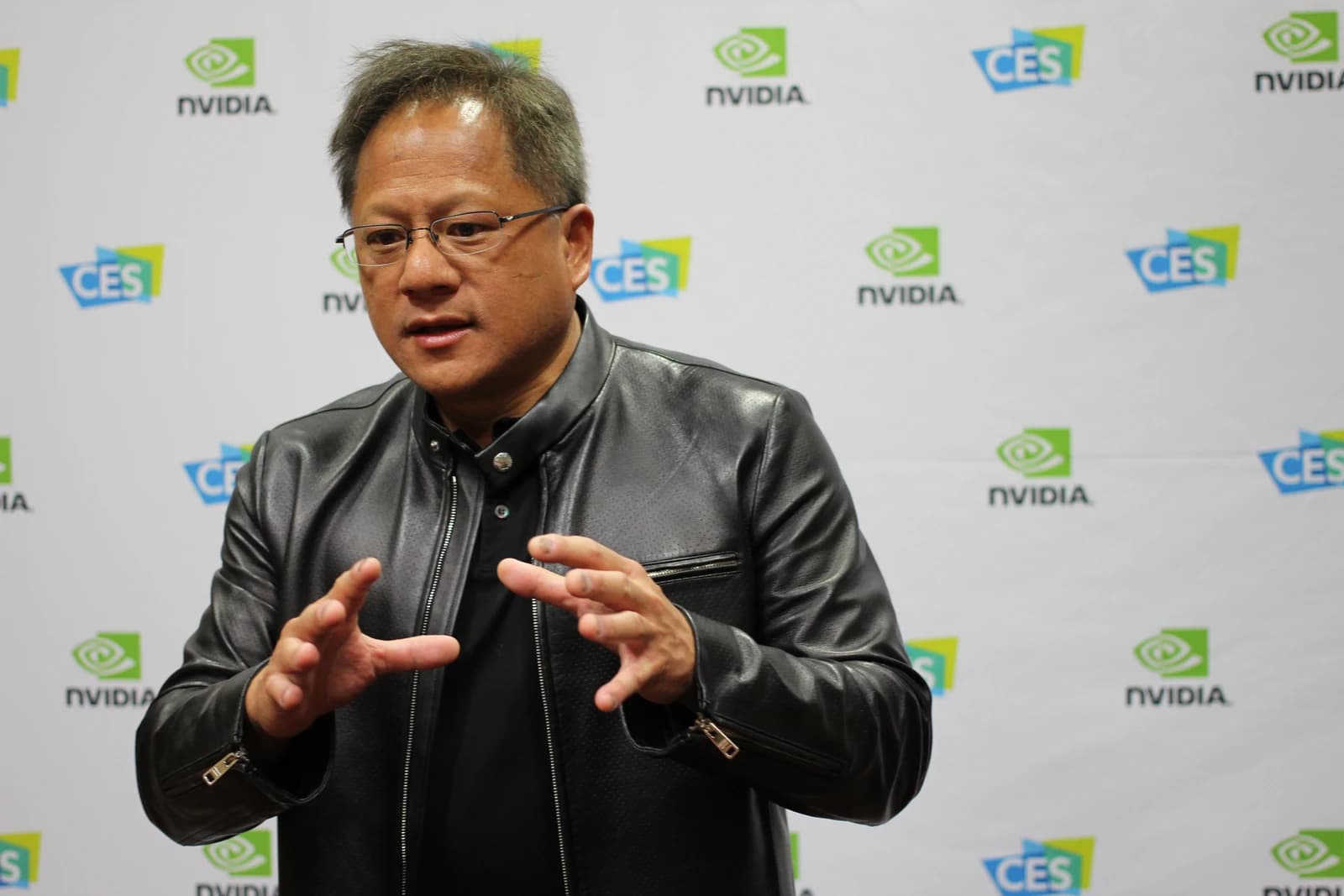
The message from the collaboration in Indonesia is straightforward and economically meaningful. As AI spending surges across data centers, software and enterprise systems, the next constraint is increasingly the supply of engineers, researchers and students who can turn raw compute into usable products. That makes university partnerships more than a public-relations exercise. They are an early-stage investment in the labor force that will determine where AI adoption accelerates next — and which countries capture the downstream economic gains.
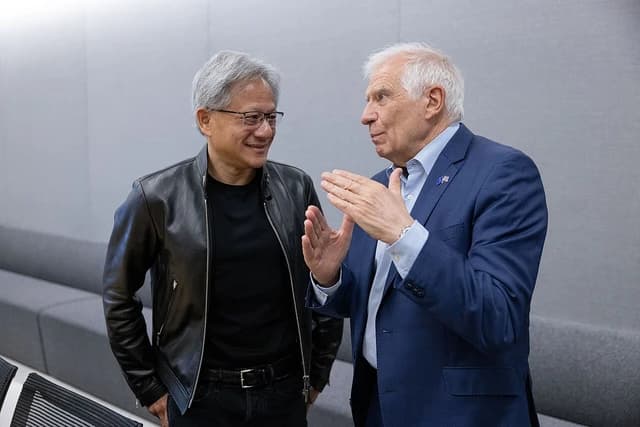
Sentiment Indicators
For NVIDIA, the education push fits a broader strategy of widening the AI ecosystem around its hardware. The company has been promoting access to AI computing and encouraging students to move from users to creators of AI solutions, reinforcing demand for the infrastructure stack that sits beneath the software layer. Microsoft, one of NVIDIA’s biggest ecosystem beneficiaries, has said AI training and digital learning are becoming part of the enterprise adoption cycle, which underscores how quickly skilling has become part of the commercial rollout.
That matters for investors because the AI buildout is no longer only a story about chips sold into hyperscale data centers. It is turning into a multi-layer capex cycle that reaches universities, startups, cloud partners and sovereign projects. NVIDIA’s latest filing said it has expanded its business model with select AI cloud partners to broaden access to its data center infrastructure, while also warning that land, power and energy requirements remain complex and capital intensive. The Indonesia initiative suggests the company is still widening the funnel of future demand at the very bottom of the stack.
Nvidia Corp
The investment case is that the market underestimates how durable this ecosystem is. If governments and universities in emerging markets treat AI literacy as a strategic priority, that supports long-run demand not just for NVIDIA’s GPUs, but for the whole AI infrastructure chain — cloud services, networking, software tooling and the semiconductor supply base that feeds them. Taiwan Semiconductor Manufacturing Co. remains central to that chain, while Microsoft benefits as the operating layer where AI tools are embedded into productivity, development and enterprise workflows.
The educational angle also helps explain why AI adoption can stay sticky even as some institutions worry about plagiarism and the erosion of critical thinking. ITB’s move to prepare campus rules around AI use shows the more likely outcome is not rejection, but regulation and normalization. That is bullish for the companies supplying the compute and platforms, because the debate is shifting from whether AI belongs in education to how quickly it becomes standard.
NVIDIA shares have regained momentum, and technical indicators such as the 50-day moving average and RSI readings point to a market still recalibrating after sharp swings. Microsoft remains firmly above its long-term trend, reflecting investor confidence that AI remains a core growth engine despite volatility. The bigger trade, though, is not the day-to-day price action. It is the multi-year expansion of AI capability into every economy that wants to compete.
| Entity | Gains | Losses |
|---|---|---|
| NVIDIA | ▲Broader AI demand funnel | ▼Short-cycle hardware skeptics |
| ITB students | ▲Access to AI tools and skills | ▼Passive classroom models |
| Microsoft | ▲AI workflow adoption | ▼Legacy software incumbents |
| TSMC | ▲Semiconductor volume growth | ▼Capacity-constrained rivals |