ispace Co. has been picked by Japan’s space agency for a concept design study on a lunar solar cell tower, a small but strategically important win that strengthens the company’s case as more than just a moon lander developer.
ispace Wins JAXA Lunar Solar Tower Study
The deal matters because the next phase of lunar exploration is not really about planting flags — it is about building infrastructure. JAXA wants to develop a power system that could support sustained activity near the moon’s south pole, where sunlight is low and continuous energy is hard to secure. If lunar missions are going to move from one-off landings to a durable presence, reliable power will be as important as rockets and rovers.
For ispace, the contract is also a validation of its broader business model. The company has spent years positioning itself as a gateway to lunar commerce, with ambitions that stretch from transport to communications, positioning and other infrastructure services. Working on a power architecture for future lunar operations lets ispace plug its landing and mission expertise into a problem that governments and commercial players will increasingly need solved.
JAXA said the concept work is aimed at defining system requirements, specifications and project plans for a lunar solar tower, with design direction to be shaped from fiscal 2027 onward and launch envisioned from 2030. The agency has also indicated that power demand in the early 2030s could reach tens of kilowatts, which helps explain why it is studying a tower-based solar system rather than a simpler panel setup. At high latitudes on the moon, the angle of sunlight is poor, so elevation and engineering design become part of the power solution.
Investors should see this as a long-duration option on the lunar economy rather than an immediate revenue driver. The contract itself is not likely to move earnings today, but it broadens ispace’s relevance at a time when governments are defining the standards for future moon infrastructure. That can matter more than a single mission win because early technical partnerships often become the foundation for repeat work, procurement access and ecosystem leadership.
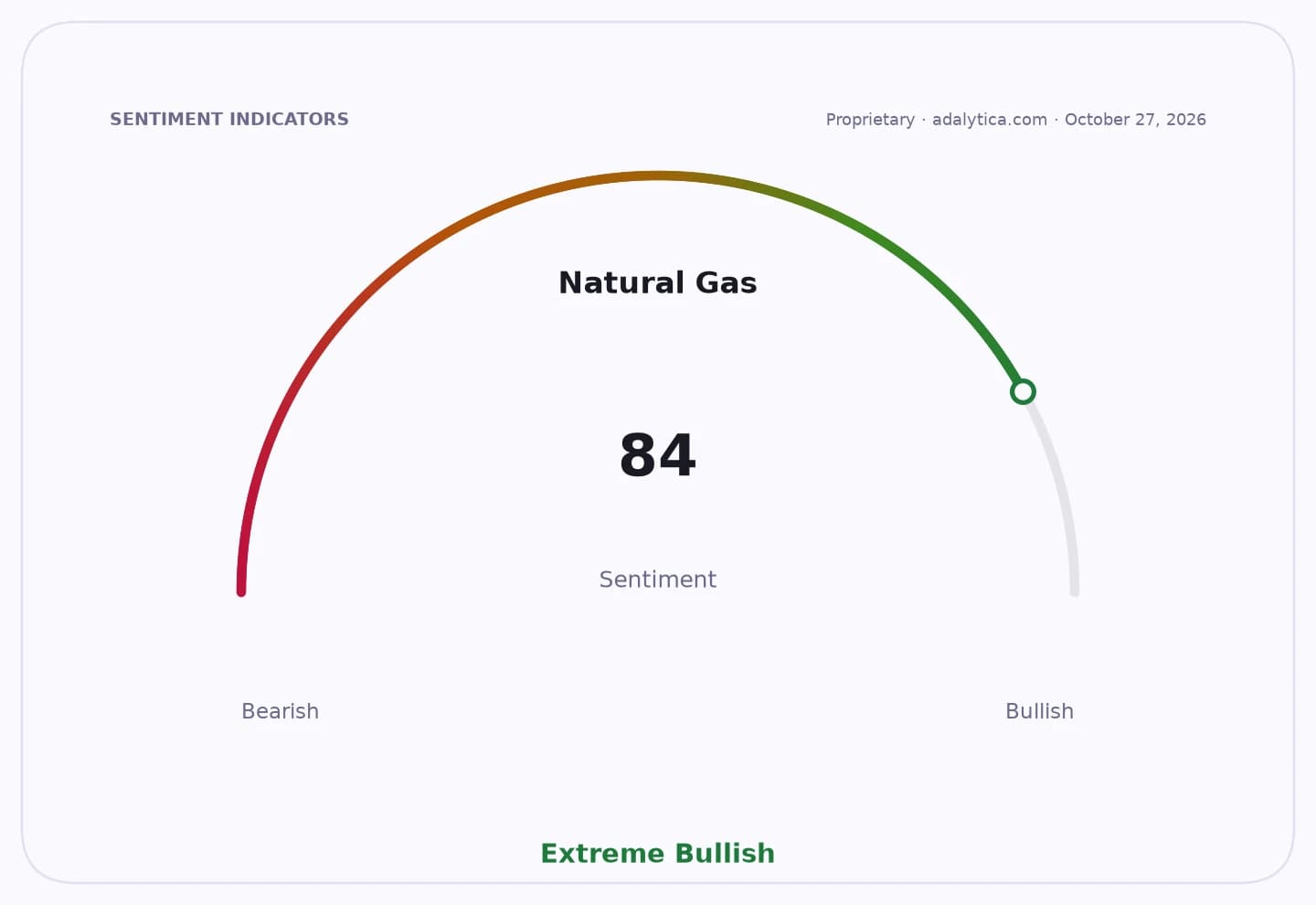
The stock has already been volatile, and that is no surprise for a company still in the heavy-investment stage. Technical indicators also show the shares below their 200-day moving average, underscoring that sentiment remains cautious even after earlier bursts of enthusiasm. But for long-term investors, the bigger question is whether ispace can keep turning its mission experience into strategic contracts that deepen its role in the emerging cislunar supply chain.
If JAXA’s concept study eventually leads to real deployment, the prize is not just a tower on the moon. It is a seat at the table as Japan and its partners try to build the infrastructure for a sustained lunar economy. For patient investors, that is worth watching closely.
| Entity | Gains | Losses |
|---|---|---|
| ispace | ▲Strategic credibility | ▼Short-term revenue impact |
| JAXA | ▲Lunar power design expertise | ▼Simpler near-term solutions |
| Japanese space industry | ▲Bigger infrastructure role | ▼Smaller rivals |
| Long-term investors | ▲Cislunar growth optionality | ▼Traders seeking quick gains |