Vietnam is moving to clear the way for a long-delayed 1,500 MW LNG power project in Thanh Hoa, a sign that Hanoi wants faster-fired gas capacity to support growth and ease pressure on an overstretched grid.
Vietnam clears path for Thanh Hoa LNG power project
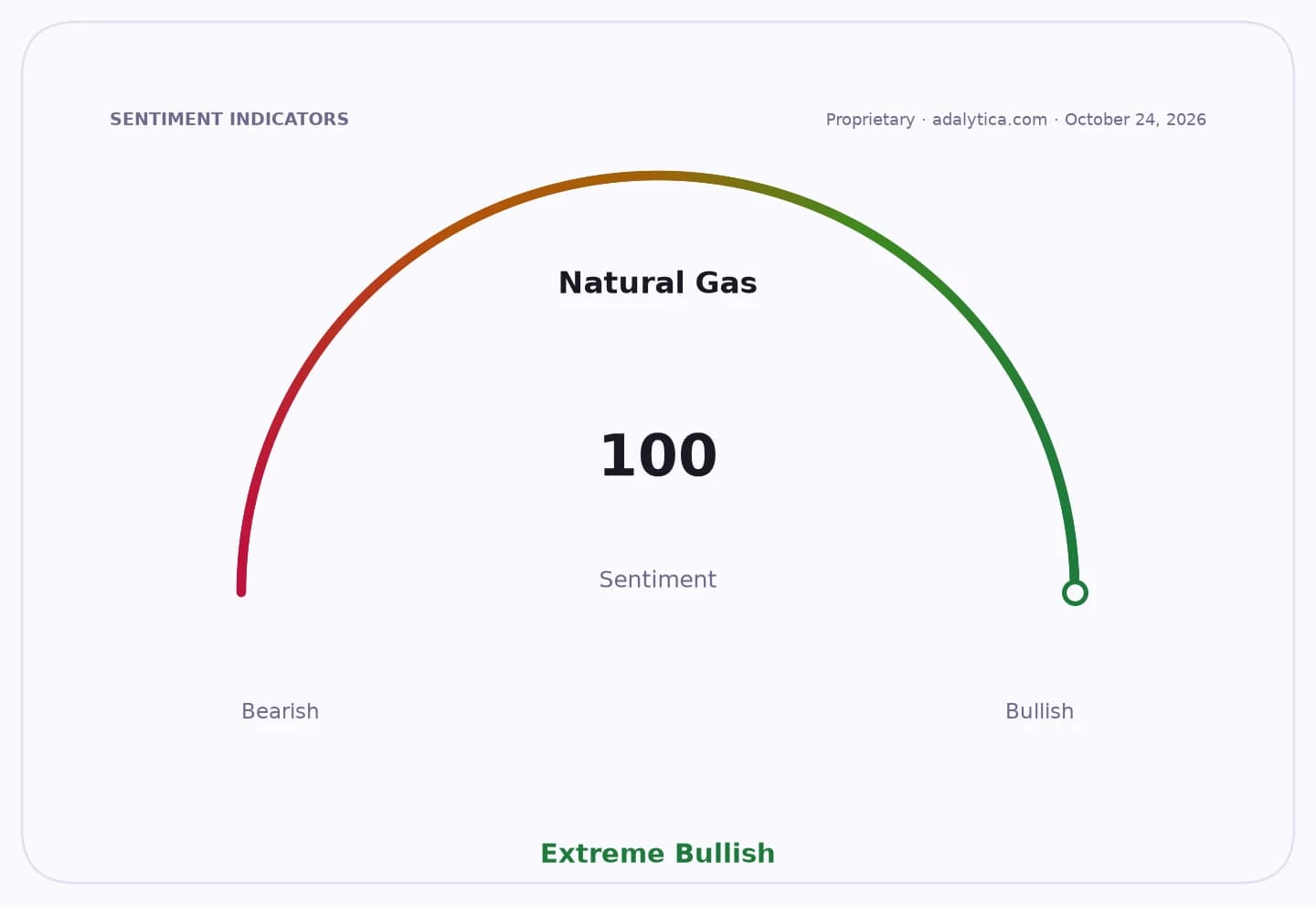
Natural Gas
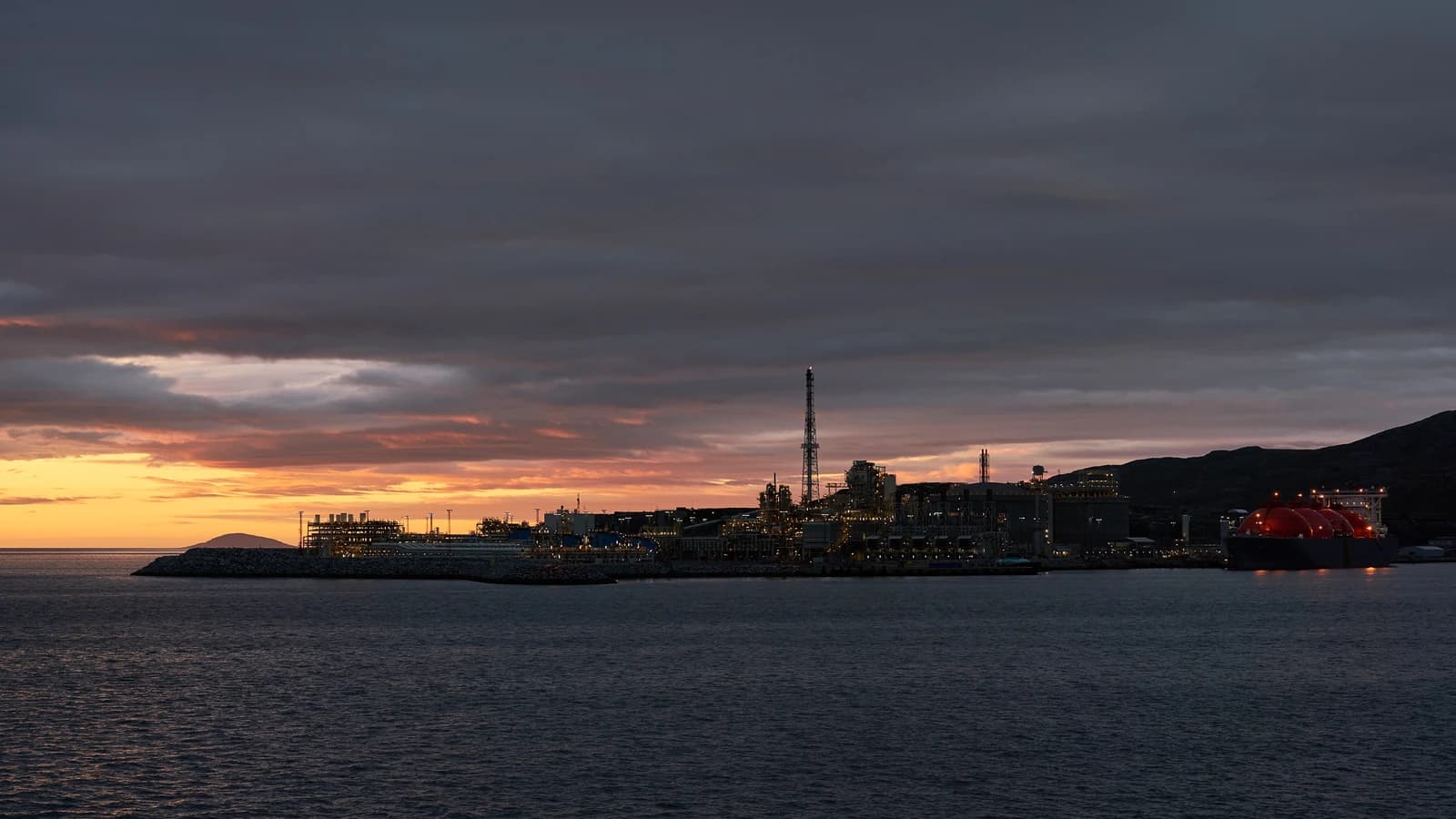
Deputy Prime Minister Pham Gia Tuc has ordered Thanh Hoa province, ministries and the project’s developer, LNG power company Cong Thanh, to remove bottlenecks, complete paperwork and prove financing so the plant can be brought onstream sooner. The project, originally planned as a 600 MW coal plant, was first launched in 2011 and has spent more than a decade stalled by capital and permitting problems before being converted to LNG under Vietnam’s revised Power Plan VIII.
Sentiment Indicators
That shift matters because it is no longer just a local infrastructure dispute. Vietnam is trying to secure dependable baseload power as it targets rapid economic expansion, and gas-fired generation has become a central bridge between coal and renewables. The Thanh Hoa project sits inside the country’s list of national priority energy works and is now slated for the 2031-2035 window, but officials are pushing for an earlier start once conditions are met.
For investors, the message is clear: Vietnam is accelerating its LNG ecosystem, and that creates a broader opportunity set than a single power plant. A faster buildout would support demand for imported LNG cargoes, port and storage infrastructure, grid upgrades and engineering contractors. It also reinforces the case for regional gas suppliers and traders that can help meet Vietnam’s rising fuel needs as domestic supply remains limited.
The project’s developer still has work to do. Local authorities said the investment certificate must be amended to reflect the jump in capacity from 600 MW to 1,500 MW, while the existing port area is too small to accommodate LNG facilities with required safety distances. That leaves open questions over site expansion, logistics and funding — the exact friction points that have delayed many Southeast Asian LNG projects.
Still, the policy direction is hard to miss. Vietnam has already approved direct LNG imports from Singapore and Qatar to support other power projects, including Quang Trach 2 and an EVN-backed plant in central Vietnam. Against a backdrop of tighter global LNG logistics and volatile energy markets, Hanoi is signaling it will not leave large power assets stranded on paper.
The investable takeaway is to watch Vietnam’s LNG value chain, not just this one project. If Thanh Hoa advances, the real winners are likely to be gas suppliers, terminal developers, power equipment makers and infrastructure contractors positioned for a multi-year capex cycle. The market is still underestimating how quickly Vietnam can turn power security into a national priority.
| Entity | Gains | Losses |
|---|---|---|
| Vietnam LNG suppliers | ▲More import demand | ▼Slower coal/gas transition |
| Cong Thanh LNG project | ▲Faster approvals | ▼Continued delays |
| Port and infrastructure builders | ▲New construction work | ▼Idle existing assets |
| LNG import rivals | ▲Demand tailwind | ▼Limited market access |