Hawaii’s biggest energy decision is not whether liquefied natural gas can help cut oil use, but whether the state is willing to lock in a costly, decades-long bet when cheaper local options still exist.
Hawaii LNG Debate Over Costs and Clean Energy
That is the core argument behind the latest push against LNG on the islands, and it matters because Hawaii is weighing an estimated $2 billion shift in fuel and infrastructure that could shape electricity prices, emissions and grid flexibility for years. For investors, the issue is bigger than a local policy fight: it is a test of whether high-cost imported gas can meaningfully compete with distributed renewables, rooftop solar and storage in a market already under pressure to lower bills and meet a 2045 clean-energy mandate.
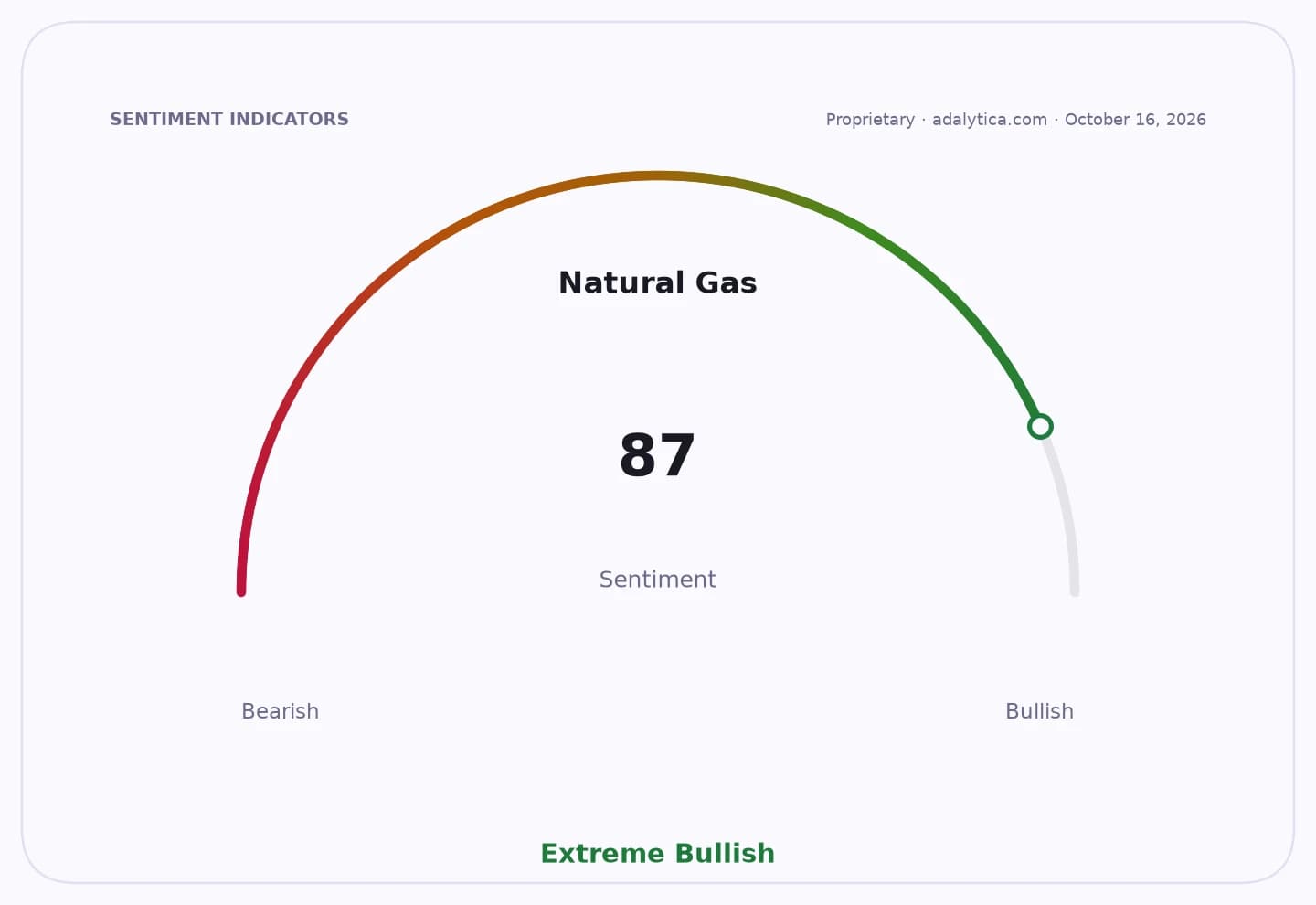
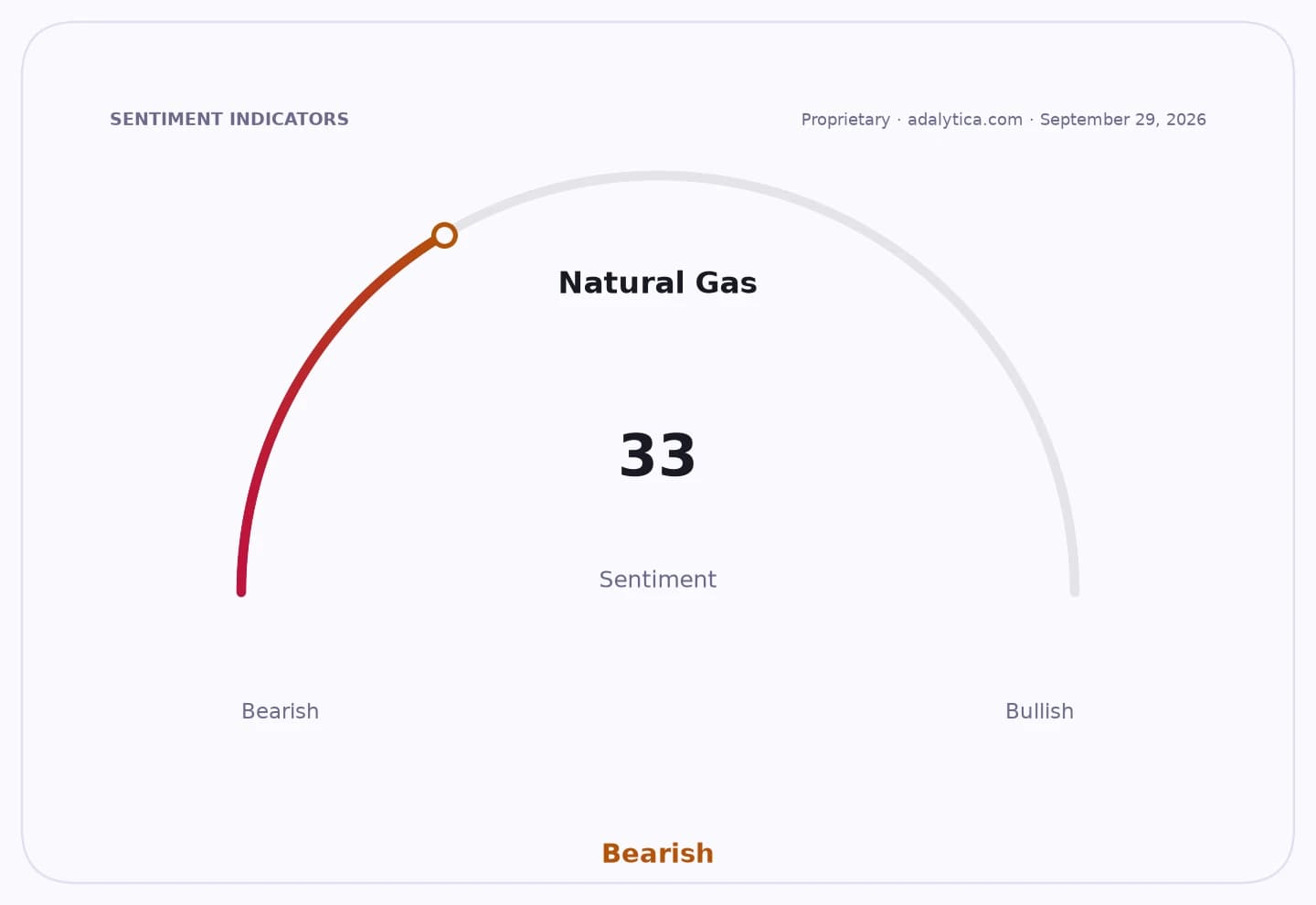
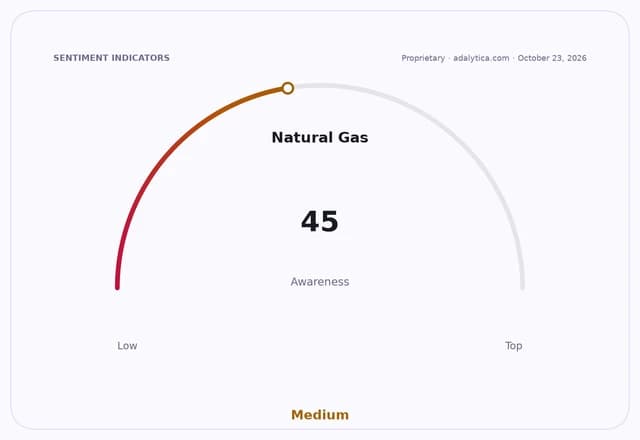
Sentiment IndicatorsⓘProprietary · adalytica.com · October 23, 2026
This is a snapshot — live sentiment, awareness and momentum for 130+ markets update continuously in the dashboard.Open AlphaPulse
The economic case against LNG is straightforward. Building gas import and handling infrastructure would require large upfront capital and create a long-lived asset base that could be difficult to unwind if technology, regulation or fuel prices move against it. The authors of the column argue the state should not accept the risk of higher rates, higher carbon emissions and potential non-compliance with Hawaii’s statutory goal of 100% clean energy by 2045 without a broader study of alternatives.
That caution comes as global gas markets remain volatile and geopolitically exposed. Adalytica’s natural gas trade signals show sentiment in “Extreme Greed,” a reminder that LNG pricing is still being driven by tight supply, shipping disruptions and conflict risk rather than by a stable domestic cost base. For an island system far from major supply hubs, importing LNG does not eliminate fuel-price exposure; it simply swaps one imported fuel for another.
The more investable story is the policy package that could deliver incremental gains with little fiscal risk. Allowing balcony solar would open rooftop-style economics to the roughly 40% of Hawaii residents who live in multi-family housing. Easing interconnection rules and allowing licensed professionals to self-certify installations could reduce friction for rooftop solar, batteries, electric vehicle chargers and heat pumps. Strengthening renewable standards with a carbon-intensity threshold would also prevent some fuels labeled “renewable” from undermining the state’s decarbonization goals.
That matters because Hawaii’s electricity problem is not just supply, but access and affordability. Policies that broaden participation in distributed generation can spread savings more widely than a centralized LNG buildout, while also improving resilience on an isolated grid that is vulnerable to supply shocks. The upside is smaller headline change but lower execution risk; the downside is that the benefits arrive gradually rather than through a single large project.
For utilities, developers and ratepayers, the choice now is between a capital-intensive fuel transition and a set of low-risk measures that preserve optionality. The LNG debate will continue to attract attention because it is visible and politically charged, but the more durable investment logic favors policies that make locally produced electricity cheaper, cleaner and easier to deploy. If Hawaii wants flexibility later, it has to avoid overcommitting today.
| Entity | Gains | Losses |
|---|---|---|
| Hawaii ratepayers | ▲Lower-cost local power | ▼LNG-related rate risk |
| Rooftop solar and storage providers | ▲Faster deployment | ▼Slower if LNG wins |
| LNG importers and suppliers | ▲Larger market opportunity | ▼Policy pushback |
| State clean-energy goals | ▲Better odds of 2045 target | ▼Delayed by LNG lock-in |