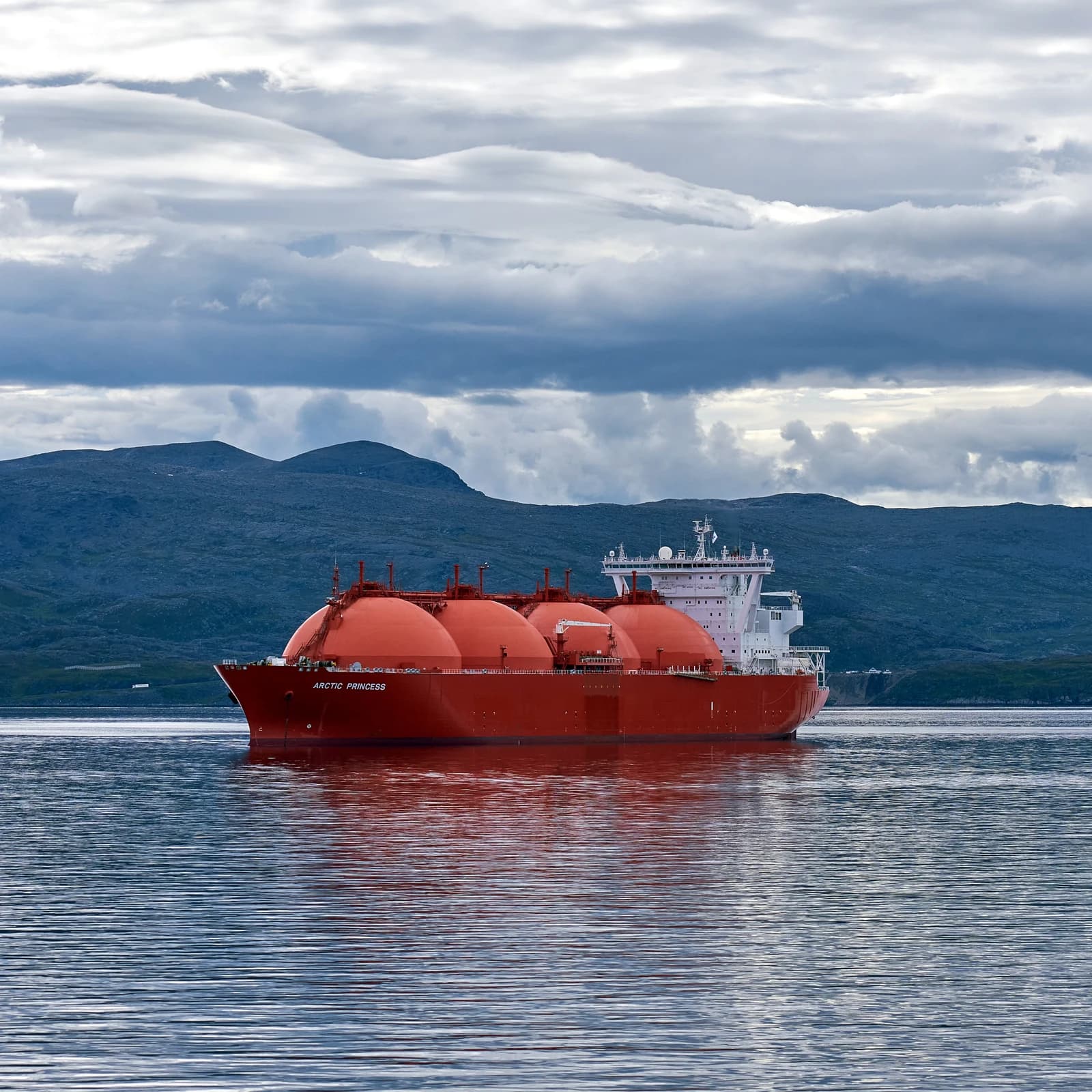
Fort Simpson’s plan to replace an aging diesel plant with a $42 million liquefied natural gas power station just got a major funding lift, bringing the Northwest Territories community closer to cleaner, more reliable electricity.
Fort Simpson LNG Plant Gets $31.3M Funding
That matters because small, remote grids are exactly where energy transition economics get real. Diesel is expensive to ship, costly to maintain and vulnerable to supply disruptions, while a new LNG system can lower operating risk, reduce emissions and create a more stable platform for future renewable projects. For Fort Simpson, the project is as much about resilience as it is about decarbonization.
The federal government said Wednesday it will provide $31.3 million through its Arctic Energy Fund, with the NWT Power Corporation contributing $10.4 million. The plant is expected to run on LNG 90% of the time, backed by two diesel generators, and will replace a facility that officials say is nearing the end of its life and increasingly exposed to erosion along the Mackenzie River.
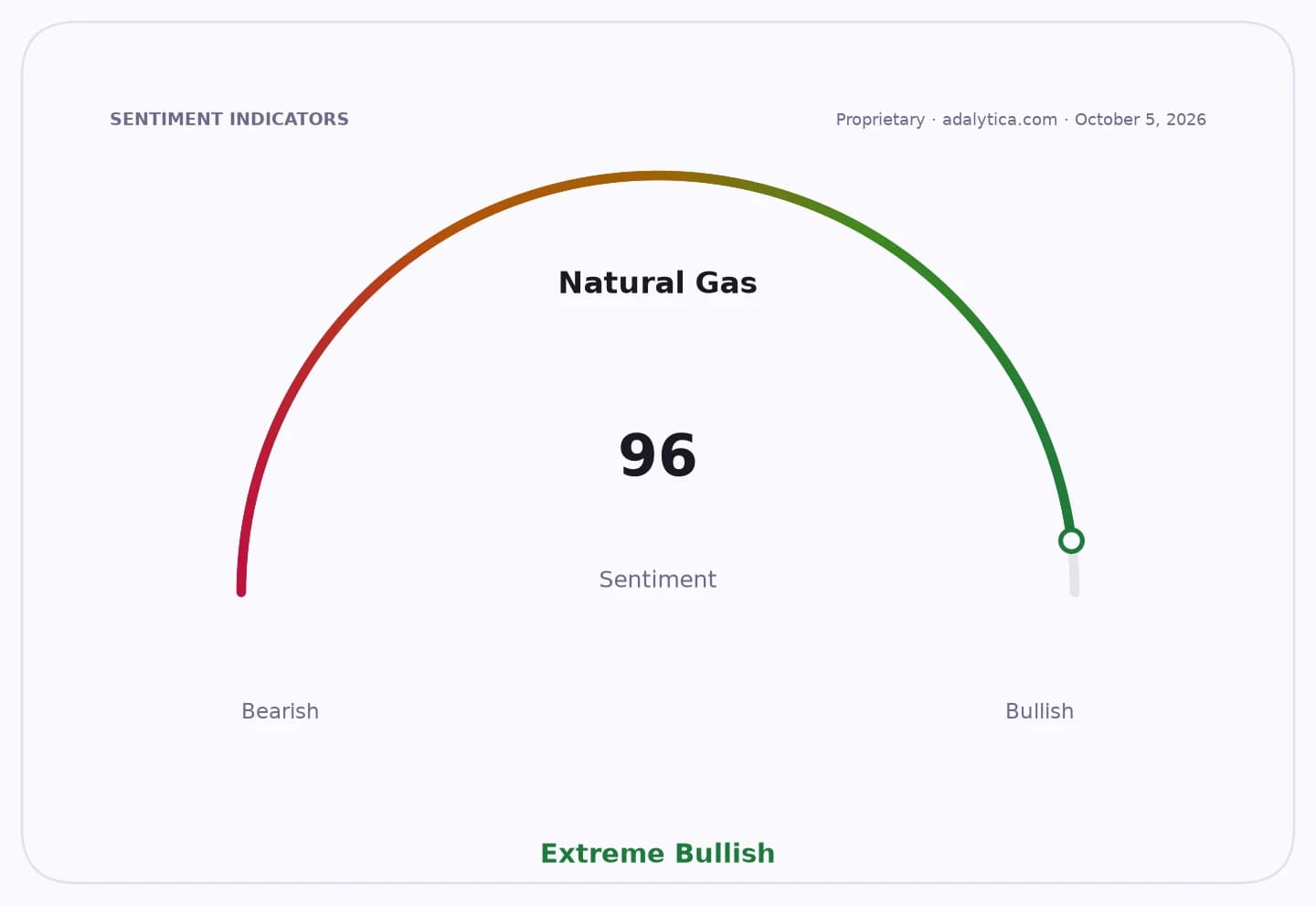
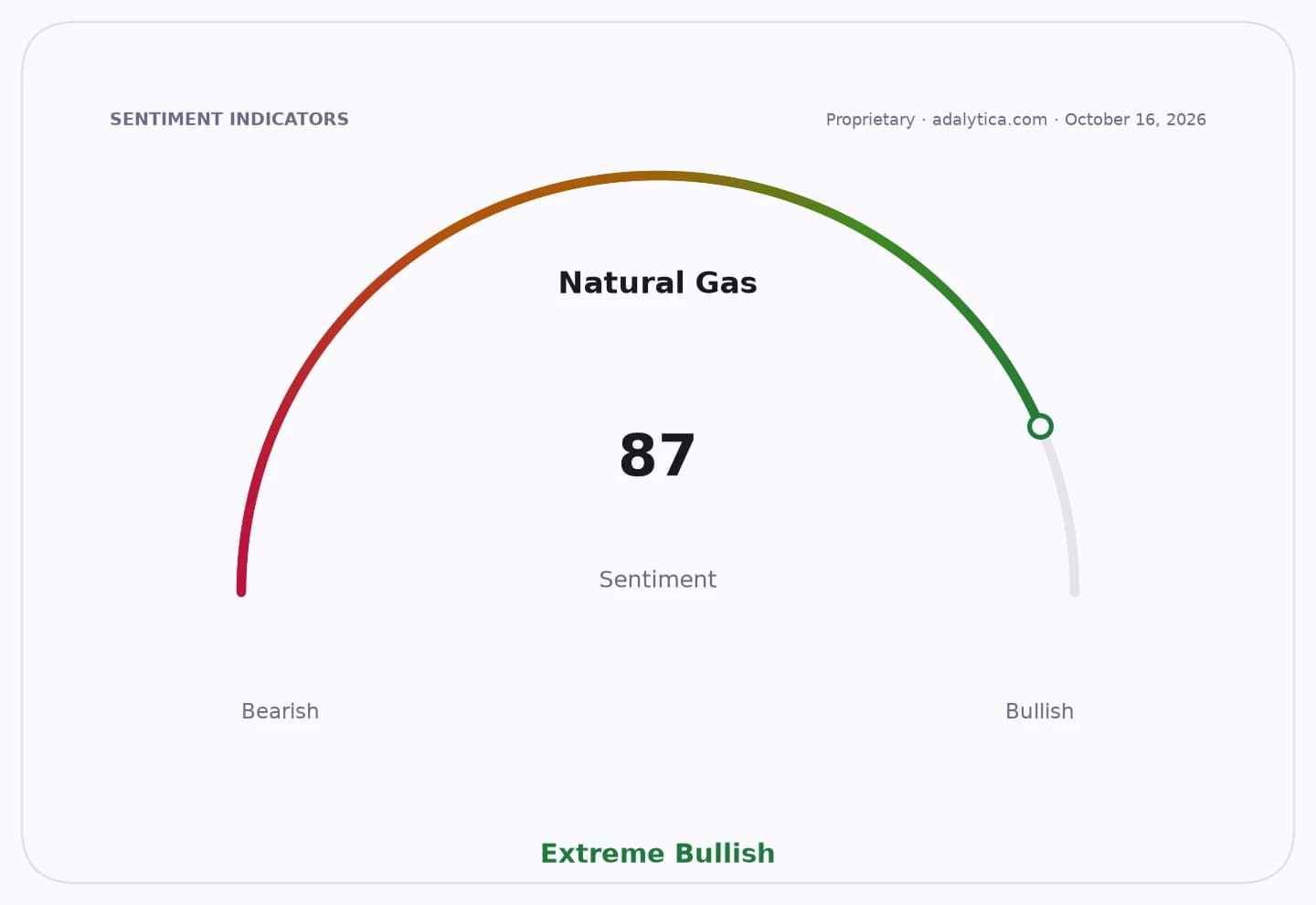
For investors, the project is a reminder that the LNG value chain still has long-term relevance even as the energy transition accelerates. In remote communities, gas can be the practical bridge fuel that keeps the lights on while cutting diesel dependence. That supports demand for LNG infrastructure, power equipment and grid integration technologies, even if the market debate remains focused on big export terminals and global price swings.
There is also a broader policy message here. Ottawa and territorial officials are still willing to back fossil-fuel infrastructure when the alternative is unreliable power, especially in the North where logistics are harsh and energy costs are high. The project’s economics are not just about fuel; they include community safety, lower noise, lower emissions than diesel and a plant sited away from the riverbank to reduce physical risk.
The fine print matters, though. A 2019 commitment of more than $11 million already existed for the project, so it is not yet clear how much of Wednesday’s announcement is fresh money. Even so, the direction is clear: the plant is moving from concept to execution.
For long-term investors, the takeaway is simple. Fort Simpson is not a giant market-moving project, but it is a useful case study in where LNG still fits. In isolated grids, cleaner combustion and better reliability can be worth paying for. That makes the project worth watching as Canada continues to fund energy security alongside emissions cuts.
| Entity | Gains | Losses |
|---|---|---|
| Fort Simpson residents | ▲More reliable power | ▼Aging diesel risk |
| NWT Power Corporation | ▲Project momentum | ▼Higher build responsibility |
| Federal/territorial governments | ▲Lower diesel reliance | ▼Ongoing subsidy burden |
| LNG suppliers and grid contractors | ▲New infrastructure demand | ▼Diesel generators |