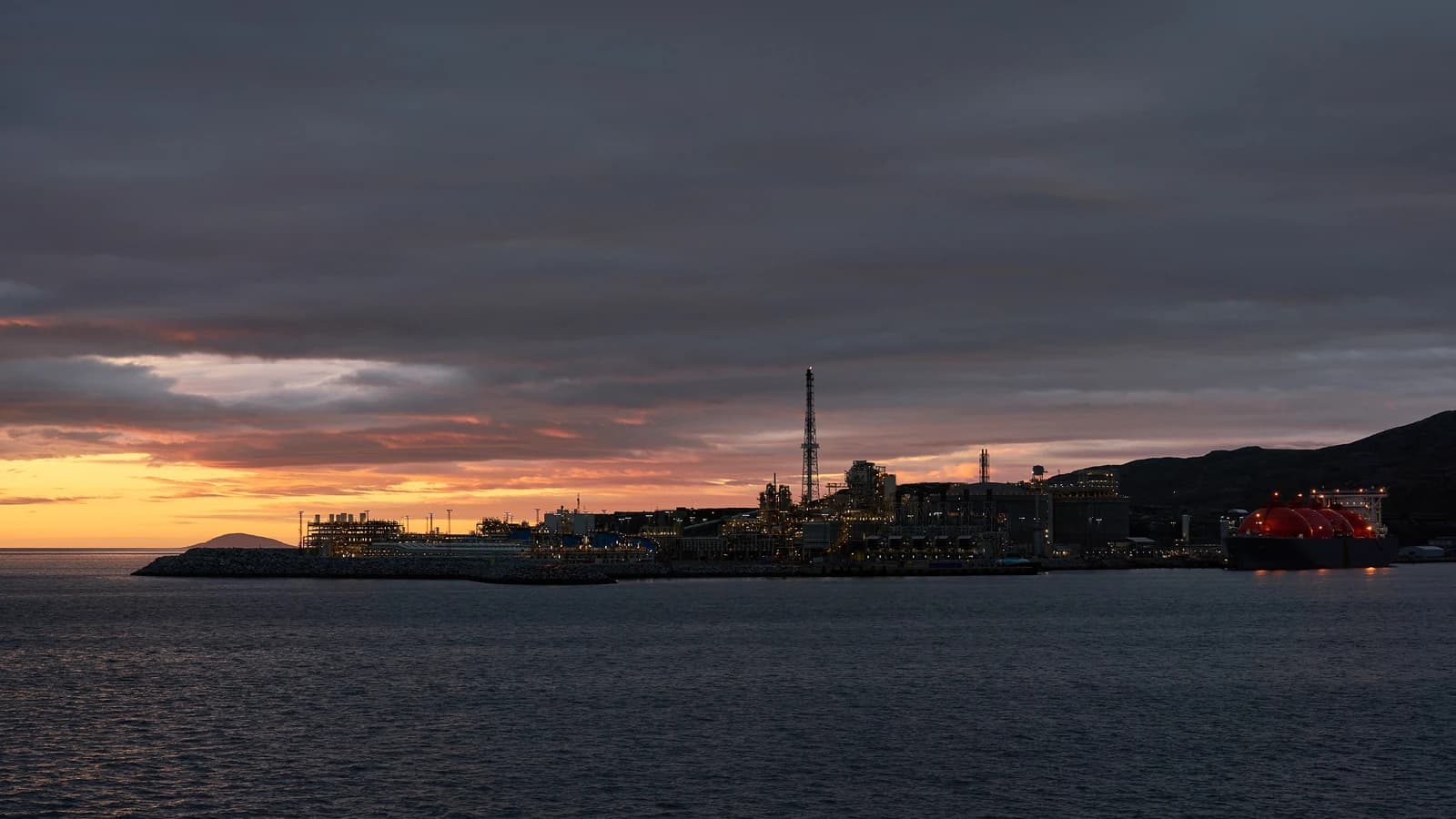
LNG Canada’s partners have approved a second phase that will double the Kitimat terminal’s annual export capacity to 28 million tons, marking the biggest near-term expansion of Canada’s liquefied natural gas export footprint and sharpening the country’s bid to sell more gas outside the U.S.
LNG Canada Approves Kitimat Phase 2 Expansion
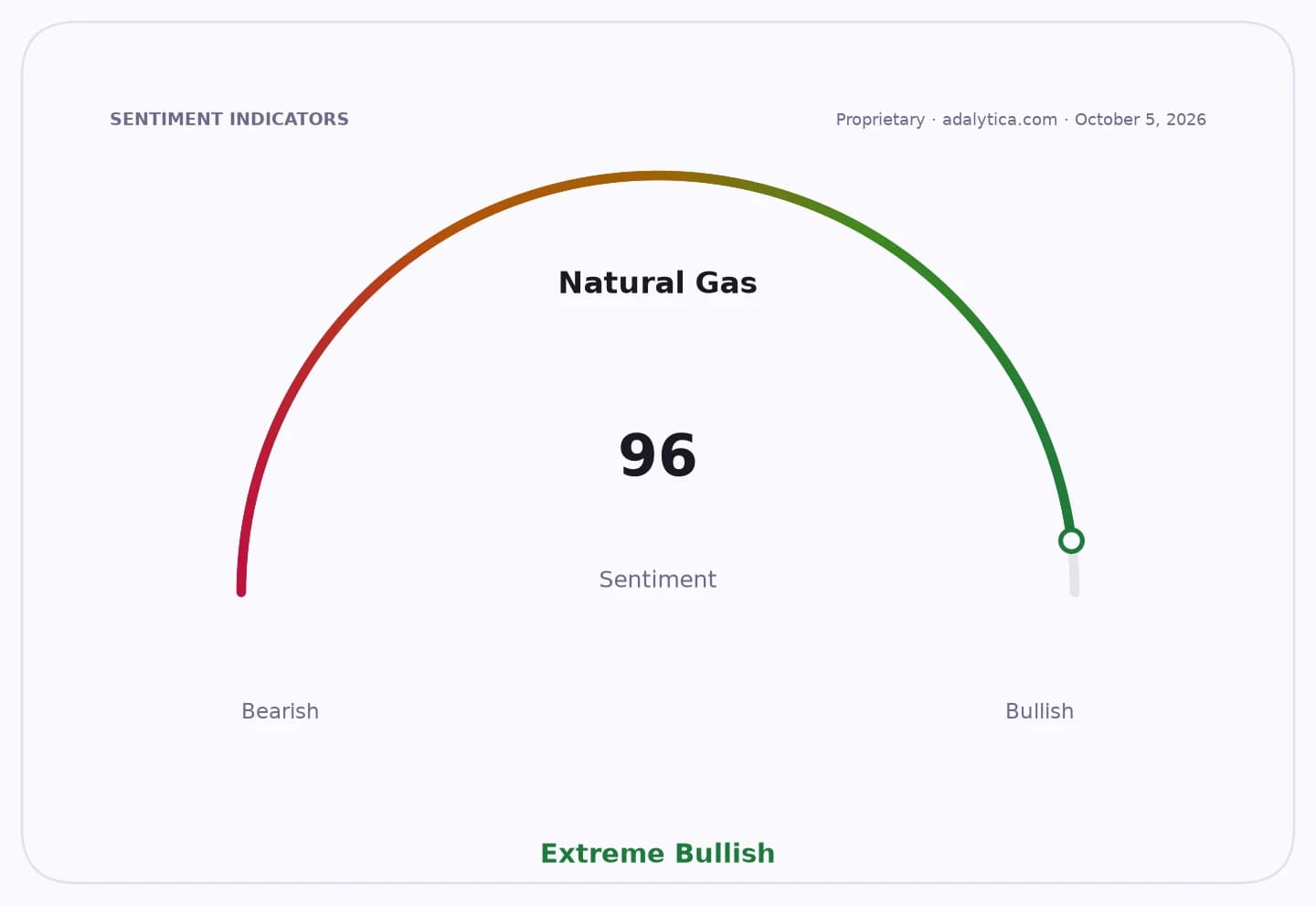
The decision matters economically because it opens a larger outlet for Canadian gas at a time Ottawa is pushing trade diversification and exporters are looking for alternatives to the North American market. LNG Canada said Phase 2 will add two more processing units, storage, loading and utility infrastructure, while also requiring additional pipeline capacity through Coastal GasLink via new compressor stations.
The expansion does not mean shipments rise immediately. It is a final investment decision that kicks off the next construction phase, and the project is still years away from full output. But for Canada’s energy sector, it extends the life of a major export corridor on the Pacific coast and could help redirect more gas to Asia and other overseas buyers.
Supporters say the project reduces reliance on a single market and gives Canadian producers more flexibility if cross-border trade conditions worsen. The Montreal Economic Institute said the extra capacity could shift a larger share of natural gas exports away from the United States, a strategic gain for a country trying to insulate itself from trade shocks.
Still, the commercial case is less straightforward than for the first phase. The Institute for Energy Economics and Financial Analysis said Phase 2 faces a tougher backdrop, citing construction cost pressure, the risk of global LNG oversupply and changes in the consortium’s ownership. Those issues matter to investors because they go directly to returns, contract economics and how quickly the project can turn capacity into cash flow.
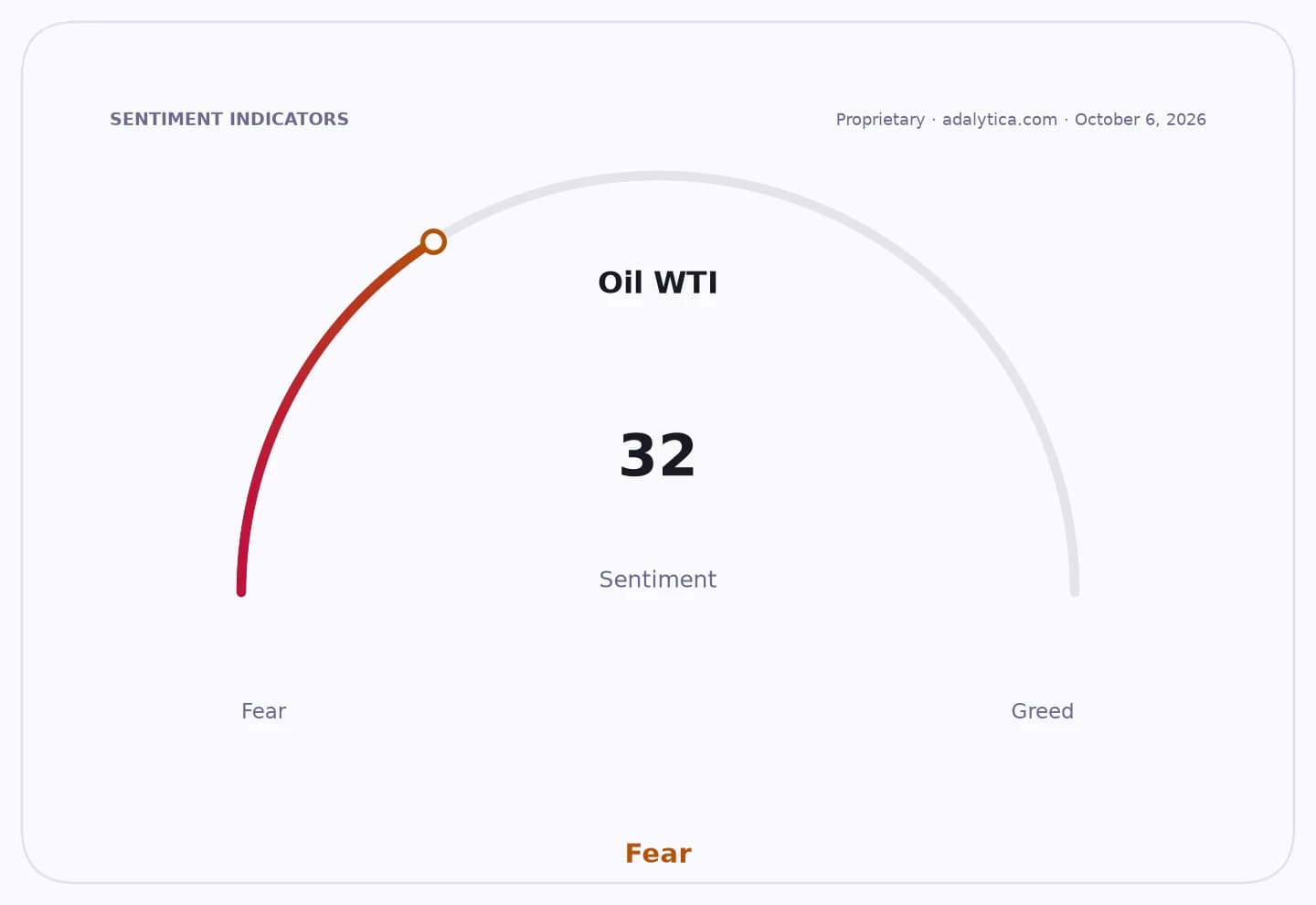
The market has already reflected the tension between long-term supply growth and near-term execution risk. LNG Canada’s parent Shell, along with peers such as Canadian Natural Resources and TC Energy, sit at the center of Canada’s gas-export buildout, and any delay, cost overrun or weaker LNG pricing would hit expected economics across the chain. For investors, the key question is whether Asia demand and contracted volumes can outrun the higher capital costs now facing new LNG projects.
The project also carries local economic weight. LNG Canada said construction could support thousands of jobs and outlined an ownership option involving nearby First Nations development organizations, underscoring the growing role of Indigenous participation in Canadian resource projects.
The next catalyst is execution: construction progress, Indigenous partnership details, pipeline capacity work and, ultimately, the timing of first additional cargoes. Investors will be watching whether the expanded terminal can secure enough long-term demand and pricing support to justify the larger bet on Canada’s LNG export future.
| Entity | Gains | Losses |
|---|---|---|
| LNG Canada partners | ▲Larger export capacity | ▼Higher capital commitments |
| Canadian gas producers | ▲More non-U.S. market access | ▼Exposure to LNG price swings |
| First Nations partners | ▲Potential ownership stakes | ▼Project execution risk |
| U.S. gas export competitors | ▲— | ▼Potential share of supply demand |