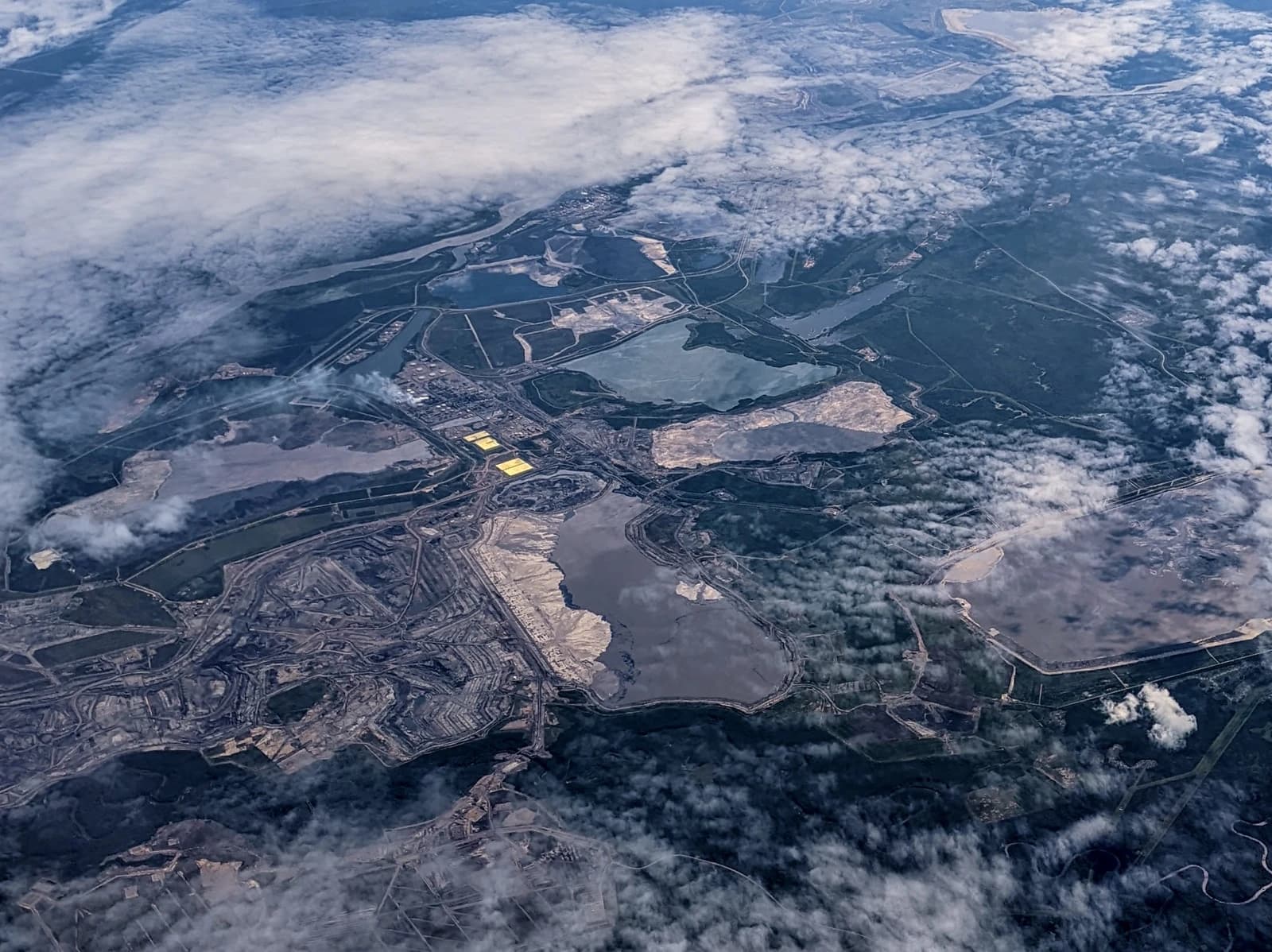
The Canadian dollar weakened on Tuesday as crude prices fell back, reinforcing how tightly the loonie remains tied to energy markets and the country’s export earnings.
Canadian Dollar Weakens as Oil Falls
USD/CAD climbed to about 1.4275 in early European trade as West Texas Intermediate slipped to roughly $89.74 a barrel, down from recent levels above $105. The move matters because oil is still the single most important external driver for Canada’s terms of trade, the current account and, ultimately, the currency’s valuation. When crude retreats, foreign-exchange traders typically move quickly to price in softer Canadian export receipts and less support for domestic growth.
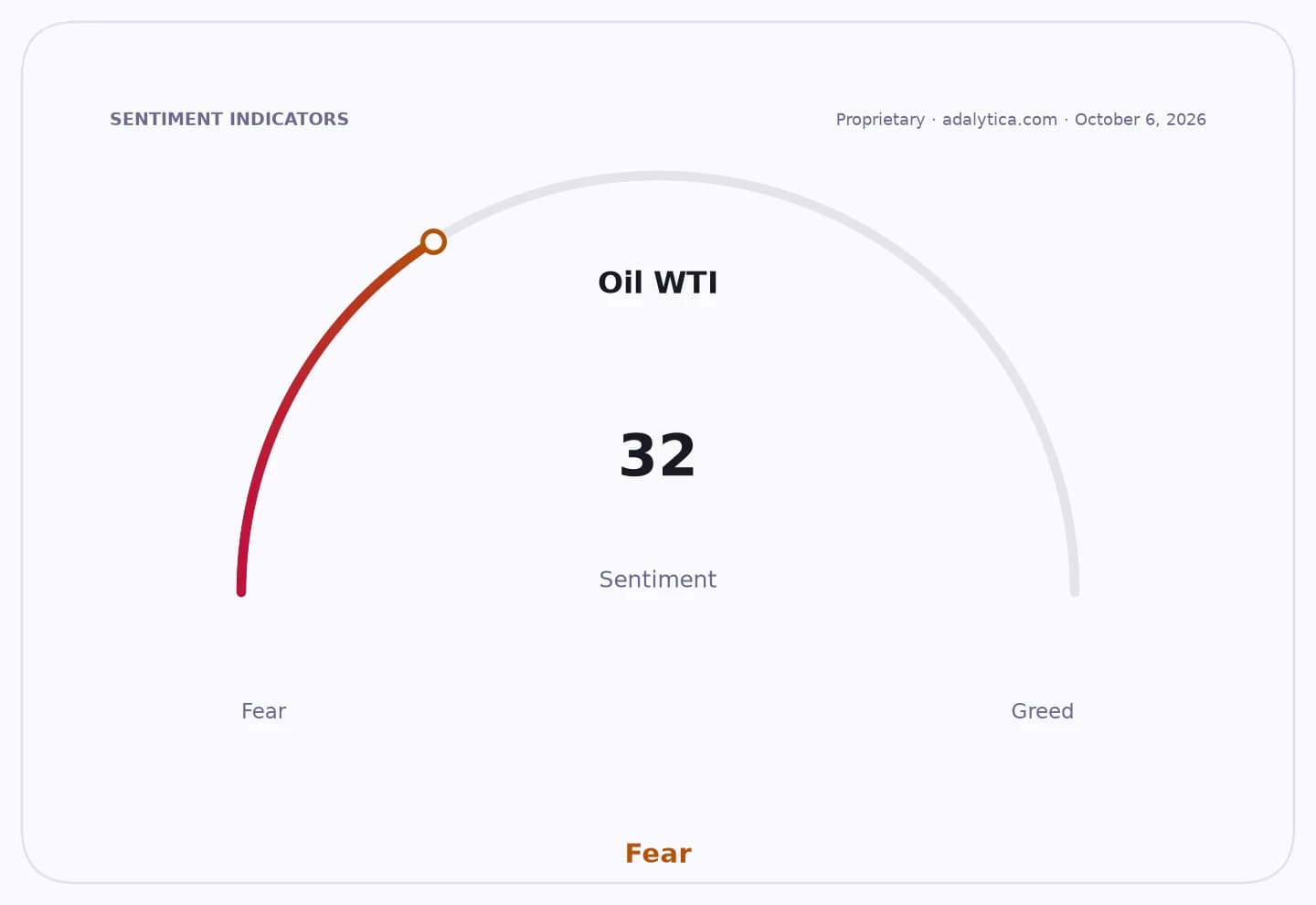
Sentiment IndicatorsⓘProprietary · adalytica.com · October 6, 2026
This is a snapshot — live sentiment, awareness and momentum for 130+ markets update continuously in the dashboard.Open AlphaPulse
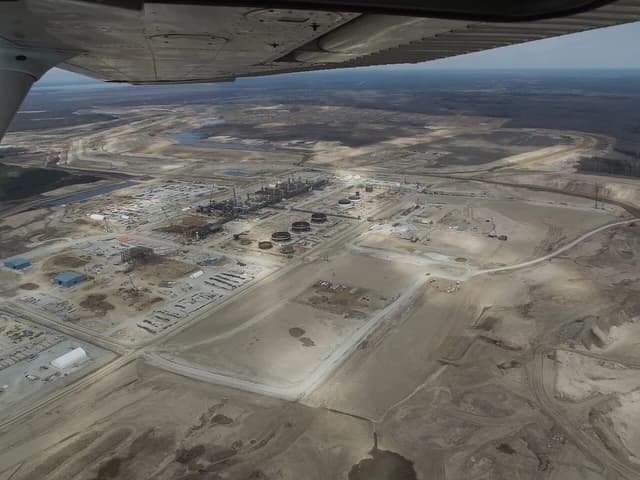
The latest decline in oil came as higher crude exports from G7 countries and the release of oil added to supply, pressuring prices even as the broader market continues to worry about tightness. That keeps the Canadian dollar vulnerable at a moment when the U.S. dollar remains firm enough to attract flows. The dollar index signals from Adalytica show the greenback’s trading awareness has strengthened over the past week, while oil sentiment has stayed only neutral, underscoring that the FX market is still leaning toward the U.S. side of the trade.
For investors, the setup is straightforward: weaker crude tends to be a headwind for Canada-linked assets, while it can support the relative case for U.S. currency exposure and energy importers. The move also argues for caution on Canadian cyclicals that depend on a durable commodities bid, especially if oil remains below the levels that had been underpinning confidence in the resource complex. By contrast, the energy sector has already shown it can outperform when crude stabilizes; the XLE ETF is still up sharply from earlier in the year, even after its recent pullback, suggesting investors continue to treat energy as a tactical hedge rather than a clean long-term trend trade.

The next catalyst is whether oil can hold current support or slips further as supply loosens. If crude keeps easing, the loonie likely stays on the defensive; if geopolitical risks or production restraint tighten the market again, Canada’s currency could recover quickly. For now, the message for traders is clear: the loonie is trading as an oil proxy again, and that makes energy direction the key macro signal to watch.
| Entity | Gains | Losses |
|---|---|---|
| U.S. dollar | ▲Safe-haven demand | ▼None |
| Canadian dollar | ▲None | ▼Weaker oil revenue |
| U.S. energy consumers | ▲Cheaper input costs | ▼None |
| Canadian exporters | ▲None | ▼Softer terms of trade |