Global pipeline gas supplies increased 1% in the first eight months of 2026, a modest gain that masks a bigger shift in how the world is being supplied: Europe is taking more pipeline gas as China trims imports, while Africa is gaining share and Eurasia remains the dominant source.
Global pipeline gas imports rise 1% in 2026

That balance matters economically because pipeline gas still underpins industrial power generation, heating and fertilizer production in major consuming regions, even as liquefied natural gas continues to reshape trade flows. The latest Forum of Gas Exporting Countries data show total world pipeline gas imports reached 409 billion cubic metres from January through August, an increase that points less to a demand boom than to a gradual reconfiguration of routes and suppliers.
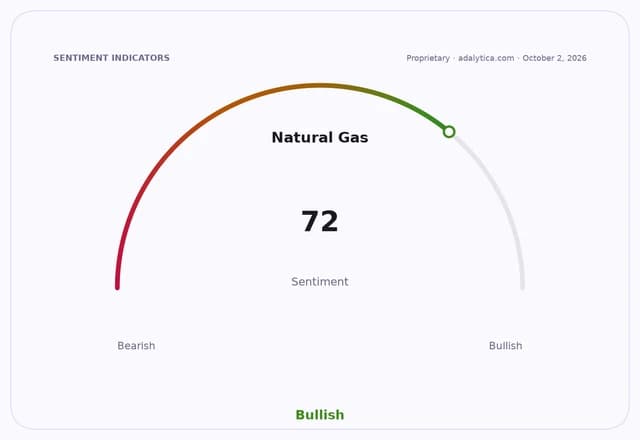
Sentiment IndicatorsⓘProprietary · adalytica.com · October 2, 2026
This is a snapshot — live sentiment, awareness and momentum for 130+ markets update continuously in the dashboard.Open AlphaPulse
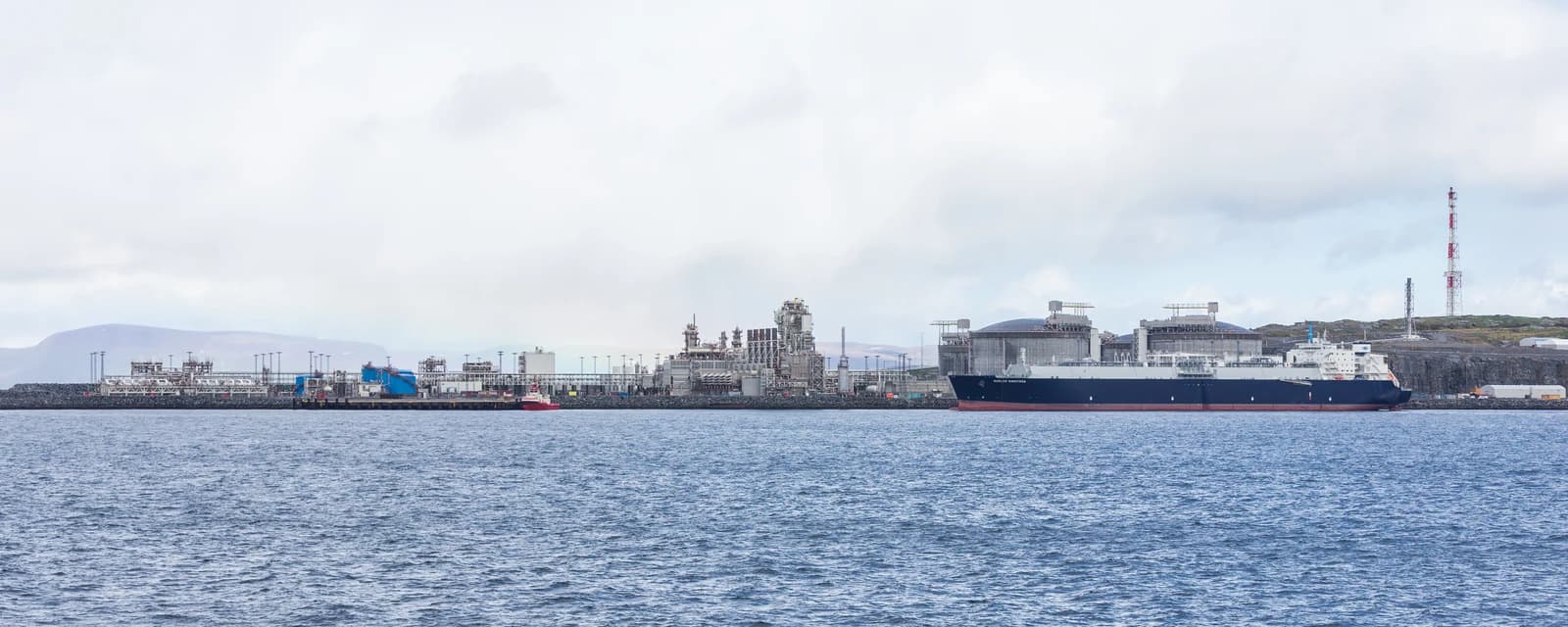
Europe was the clearest source of incremental demand. The European Union imported 99 billion cubic metres of pipeline gas in the period, up 2% from a year earlier, with August volumes at 12.5 billion cubic metres. That suggests the region is still leaning on pipeline supply to fill the gap left by the loss of Russian volumes and to support winter readiness, even as utilities diversify contracts and infrastructure. Norway’s Gassco said its export system will keep deliveries steady into the coming winter, a reminder that Europe’s supply security now depends heavily on a smaller group of reliable operators.
Africa, meanwhile, is becoming more relevant to the global gas map. Pipeline exports from the continent rose 3% year on year, reinforcing a diversification trend that matters for both importing countries and project financiers. In parallel, financing progress on the Nigeria-Morocco pipeline shows that long-dated infrastructure bets are still attracting political support, even if execution risk remains high.
The other side of the ledger is China. Its pipeline gas imports fell 2% in July to 6.9 billion cubic metres, with daily deliveries down 6%, while cumulative imports for the first seven months slipped 1% to 46.5 billion cubic metres. With pipeline gas accounting for 48% of China’s total gas imports in July, the decline suggests either softer demand, a shift toward LNG, or a broader adjustment in the country’s energy mix. For global exporters, that matters because Chinese demand has often been the swing factor supporting prices and long-term investment plans.
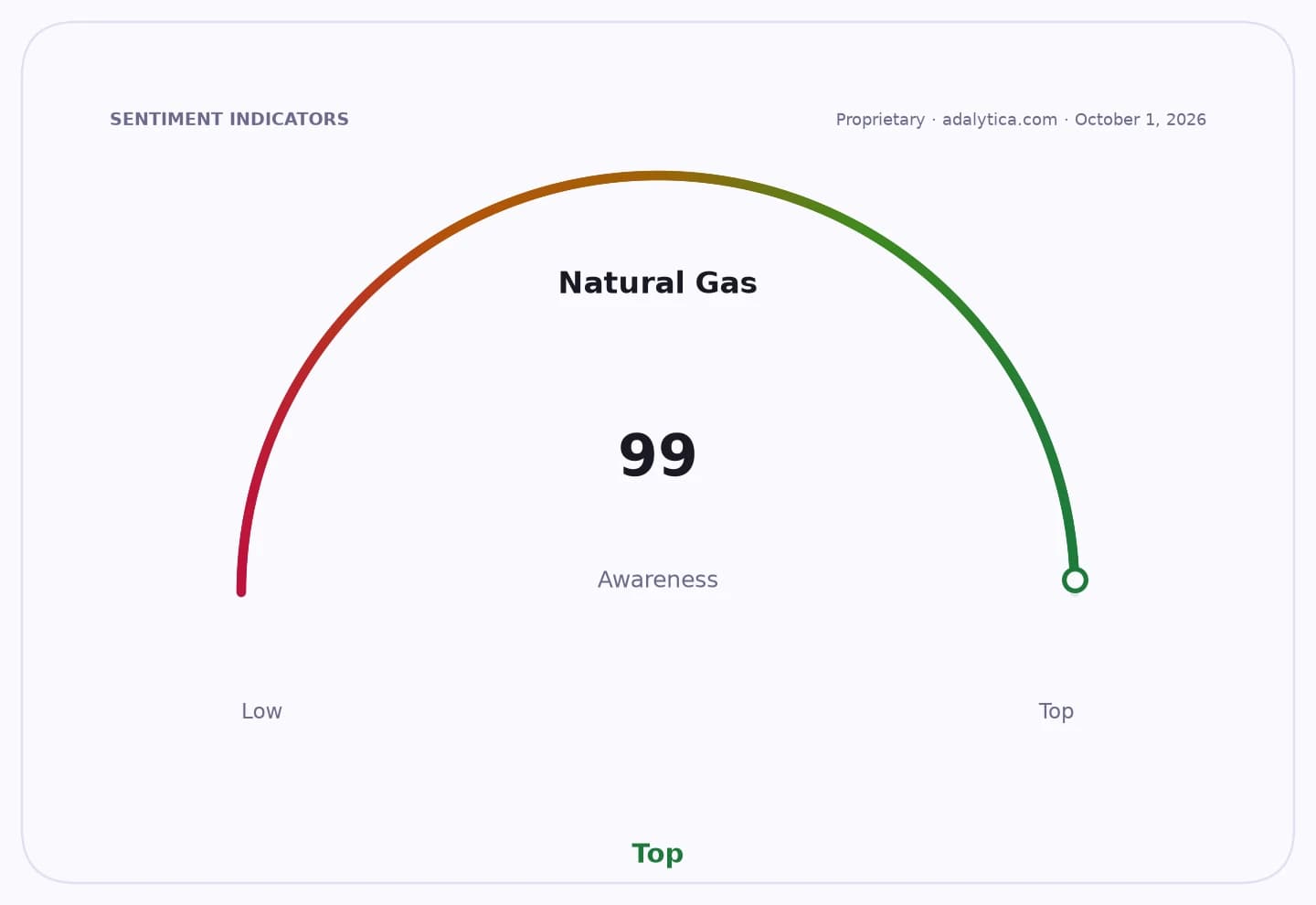
For investors, the message is that gas markets are moving from crisis mode into a more segmented equilibrium. The 1% rise in global pipeline supplies is not enough to restore the pre-crisis order, but it does indicate that physical flows are adapting around geopolitics, outages and new investment. Adalytica’s natural gas market signals show strong near-term trader attention, while its global stability gauge points to a sharp swing in geopolitical risk perception, underscoring how quickly supply headlines can move sentiment even when the underlying data are only gradually changing.
That leaves a mixed setup for the sector. Producers and transport operators tied to Europe and new African routes benefit from firmer structural demand and diversification spending, while exporters exposed to China face a less reliable volume story. The next catalysts will be winter weather in Europe, the pace of Chinese LNG substitution and whether new pipeline projects in places such as Nigeria-Morocco and Alaska can progress beyond political announcements into financed construction.
| Entity | Gains | Losses |
|---|---|---|
| Europe / EU importers | ▲Winter supply security | ▼Dependence on a few suppliers |
| Africa pipeline exporters | ▲Higher share of global flows | ▼Project execution risk |
| China LNG suppliers | ▲Substitution demand | ▼Pipeline gas volumes |
| Pipeline operators / exporters | ▲Steadier route diversification | ▼Geopolitical outage exposure |