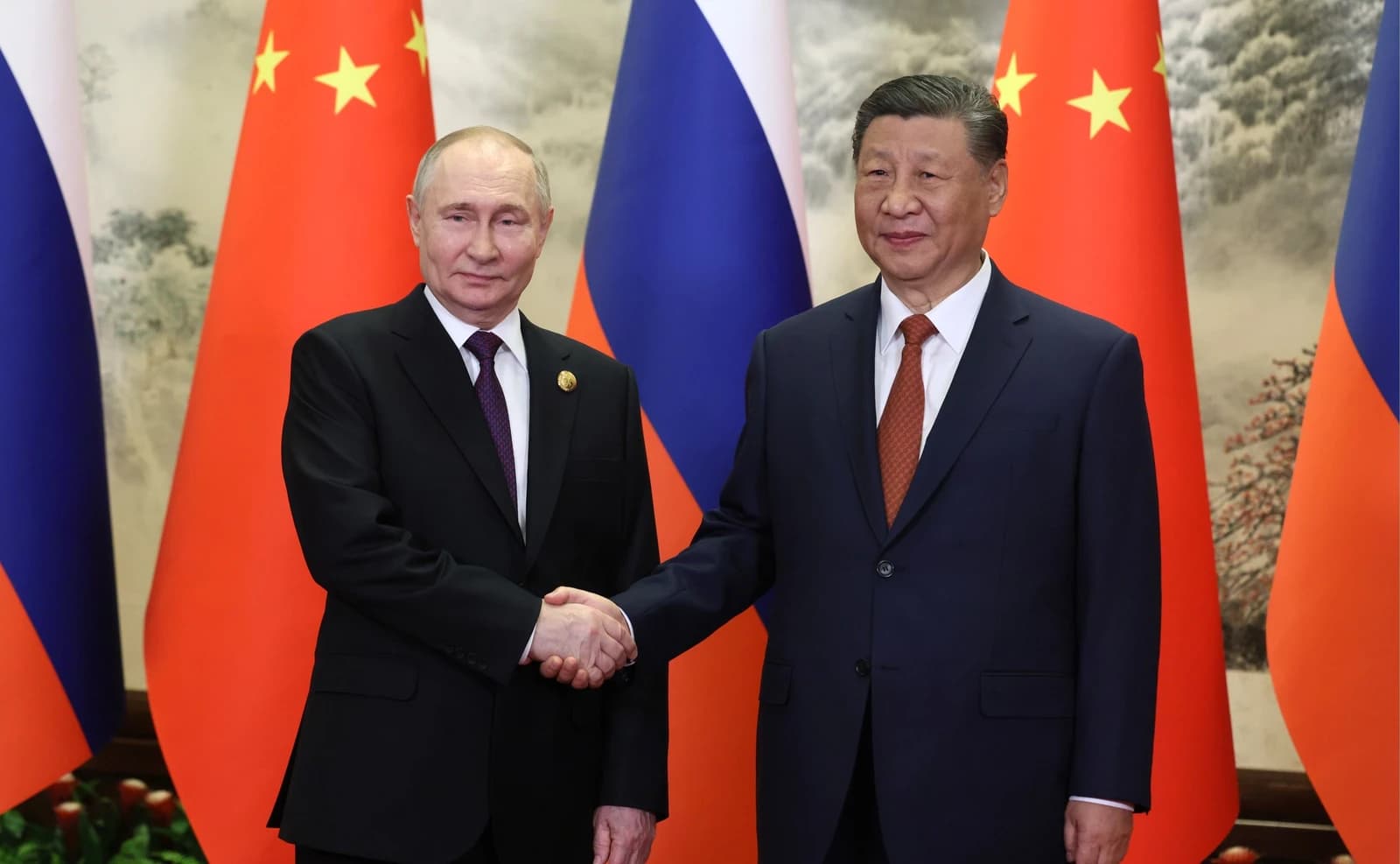
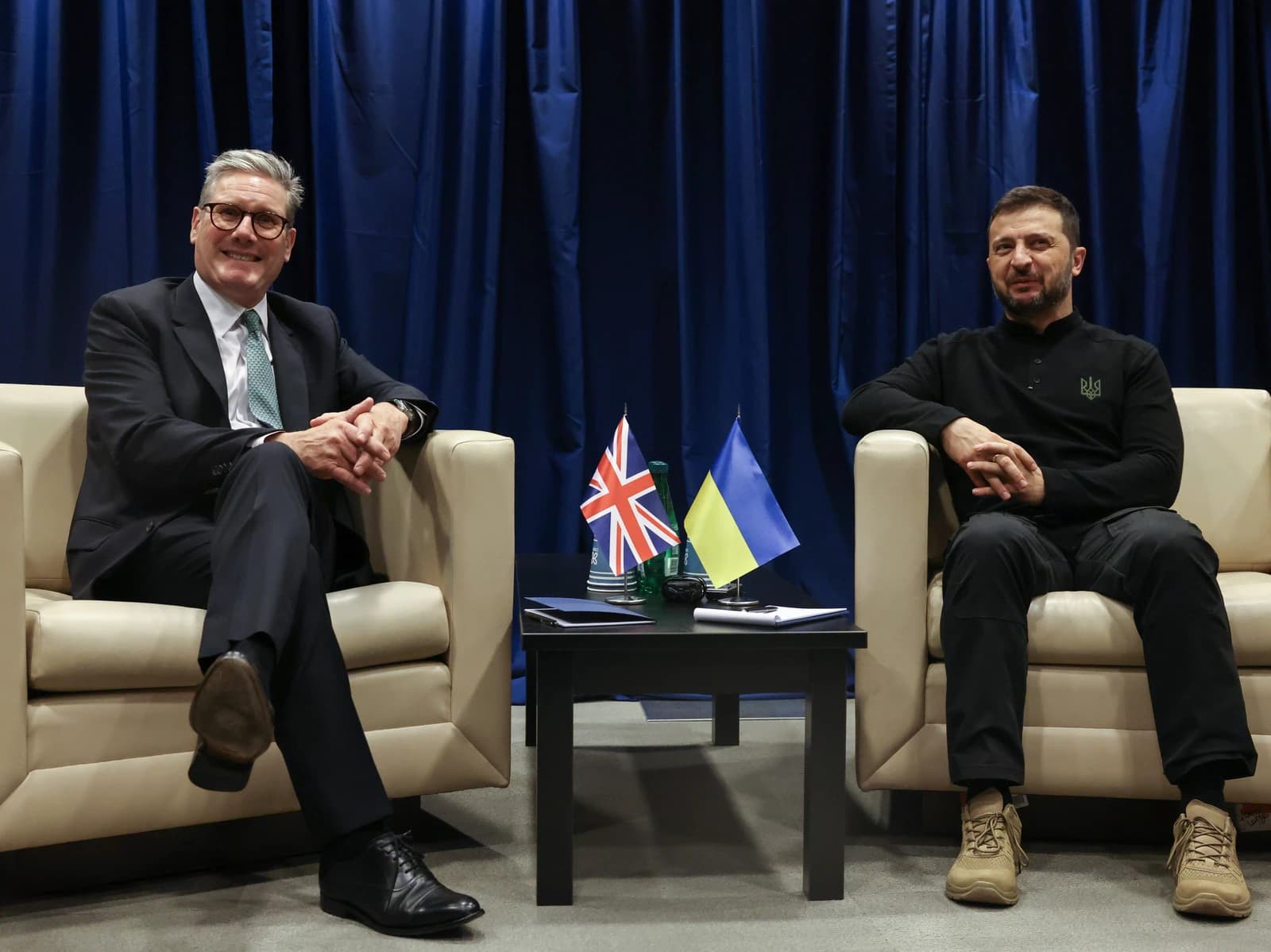
China imported a record volume of Russian LNG in September just as Britain expanded sanctions on Moscow’s gas trade, underscoring how the world’s biggest energy buyer is deepening ties with Russia even as Western governments try to choke off the trade.
China Imports Record Russian LNG in September
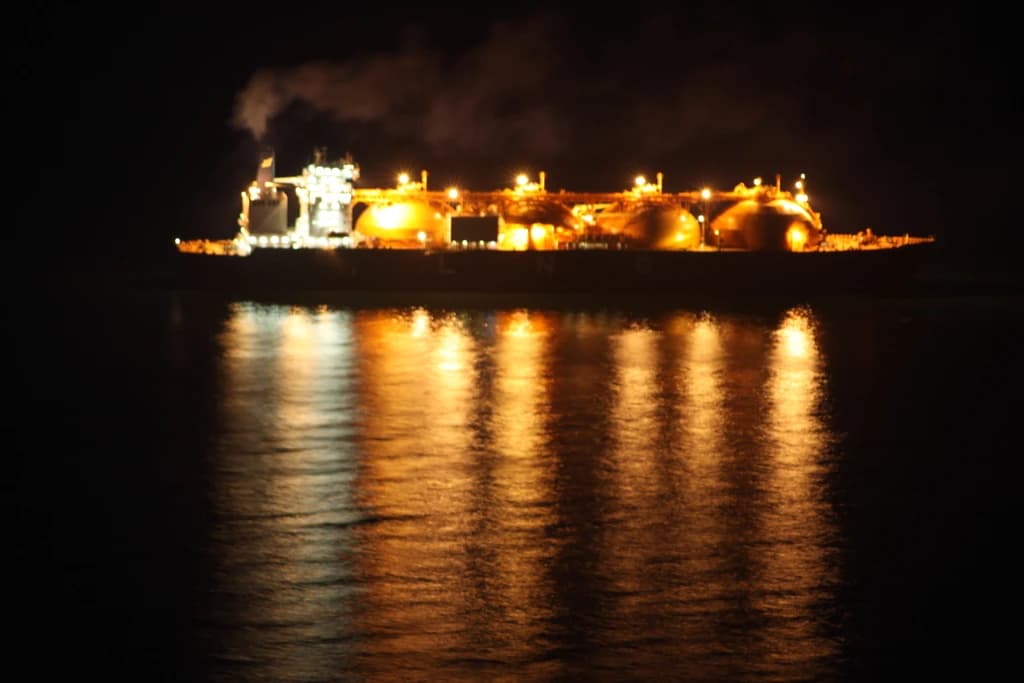
The timing matters because LNG flows are one of the clearest ways sanctions policy, shipping constraints and seasonal logistics are reshaping global gas markets. Beijing’s intake has become large enough to rival Australia’s shipments into China, while London’s new restrictions show how much effort it now takes to constrain exports that continue to find buyers and ships.
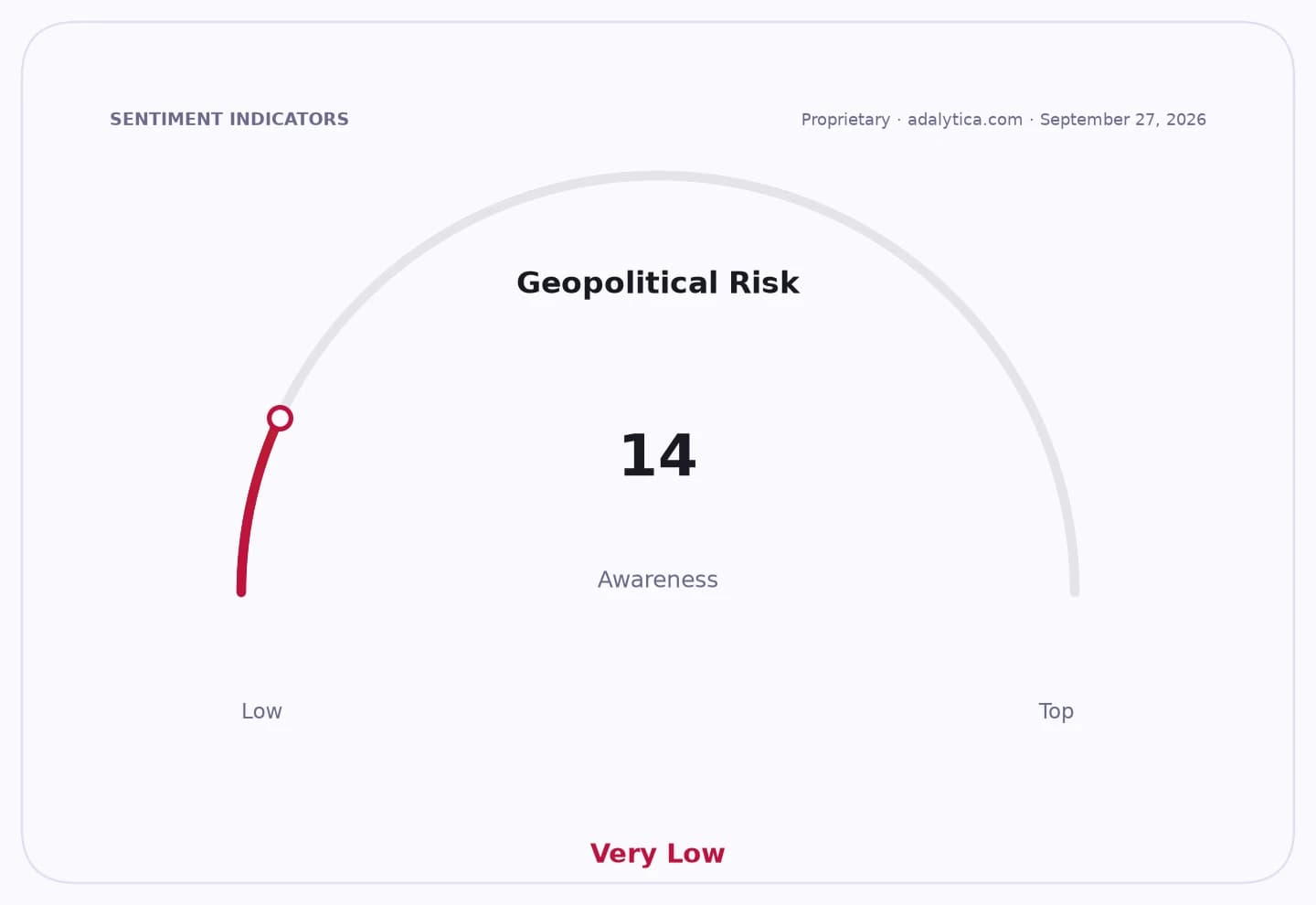
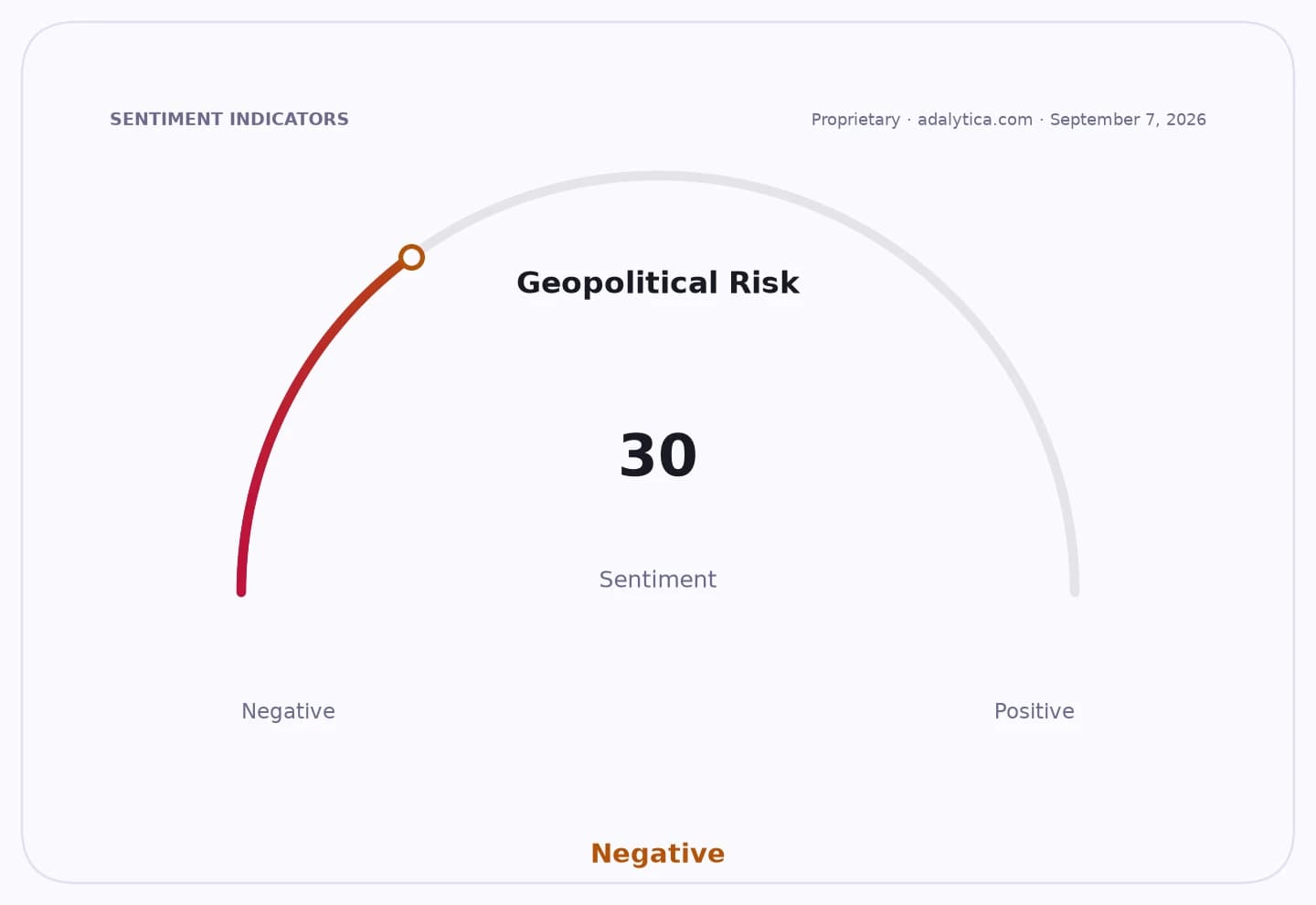
Sentiment IndicatorsⓘProprietary · adalytica.com · October 2, 2026
This is a snapshot — live sentiment, awareness and momentum for 130+ markets update continuously in the dashboard.Open AlphaPulse
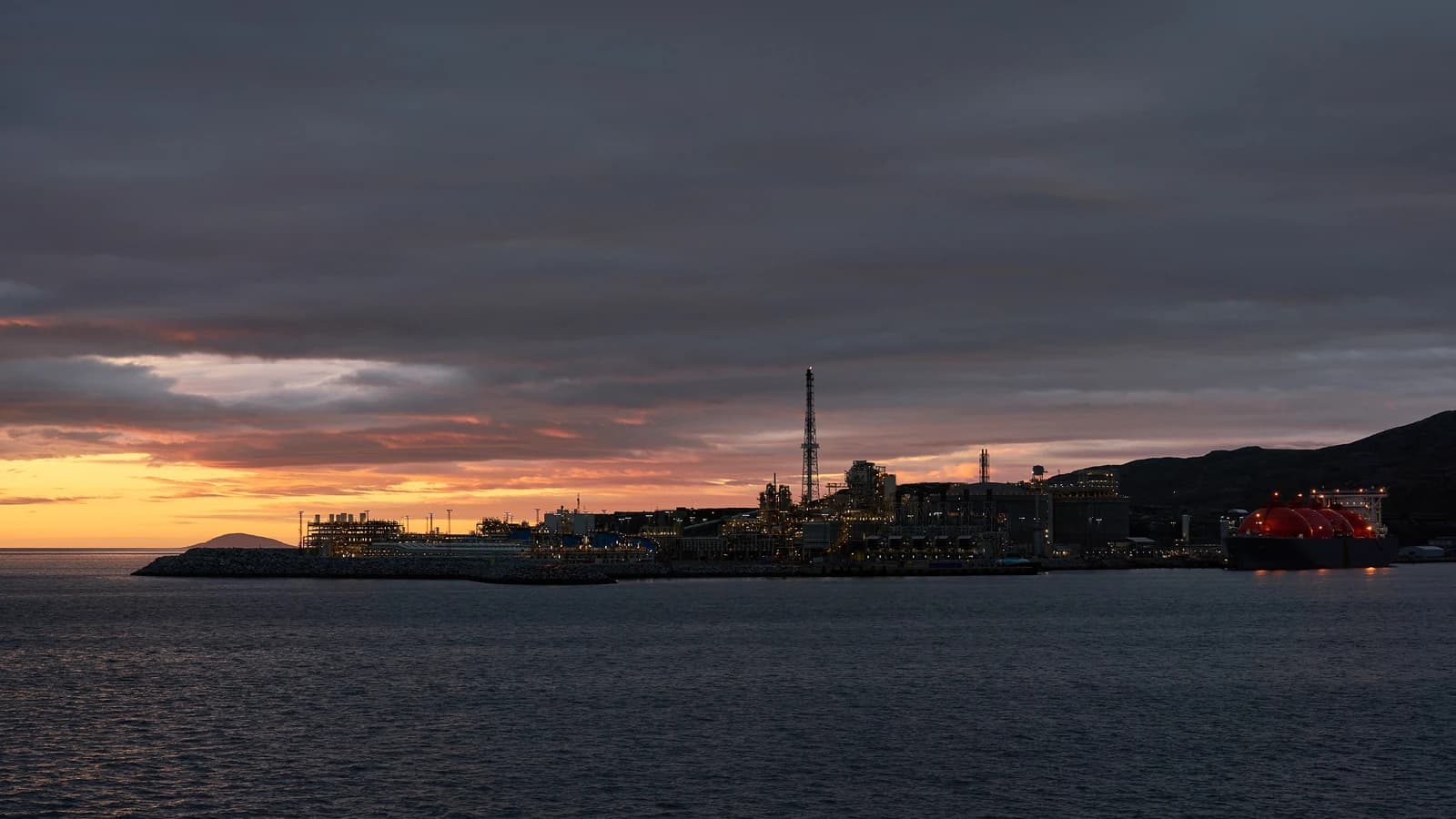
China received at least 25 LNG cargoes from Russia in September, according to ship-tracking data, a record for a single month and well above prior levels. Nearly half came from sanctioned projects, including Arctic LNG 2 and Portovaya. Arctic LNG 2 and Portovaya together delivered 12 cargoes to the Beihai terminal, while Yamal LNG supplied nine and Sakhalin-2 four. On a volumetric basis, September arrivals were estimated at 2.1 billion to 2.2 billion cubic meters, up from 1.3 billion cubic meters in August, which had already been a record.
That surge carries economic significance well beyond the bilateral trade numbers. It shows Russian LNG is still reaching premium Asian markets despite a tightening sanction regime, helped by the seasonal opening of the Northern Sea Route and by Russia’s ability to keep assembling a fleet of vessels for sanctioned projects. For China, the inflow adds to supply security and bargaining power at a time of softer LNG demand, allowing it to reduce overall imports for a second straight month and resell some contracted volumes, mainly from the US. For Russia, it preserves export revenue and keeps one of its most important energy outlets partially insulated from Western pressure.
Britain’s latest measures are meant to close some of those escape routes. The sanctions, announced at the end of September, add five more Arctic LNG 2 tankers to the blacklist and target Novatek Gas and Power Asia, a key trading unit for Novatek in Asia. From Jan. 1, British firms will also be barred from servicing ships carrying Russian LNG, a move that matters because shipping, insurance and maintenance remain critical choke points even when cargoes are still moving. The UK has carved out exceptions for Japan and South Korea, which continue to import Russian LNG, including from Yamal LNG.
The market backdrop reinforces the asymmetry. Global LNG supply remains tight in places, but Chinese buyers are behaving opportunistically, taking advantage of discounted Russian cargoes while trimming overall purchases. That is a direct challenge to the Western strategy of isolating Russia’s energy sector: if the biggest incremental demand in Asia is willing to absorb sanctioned molecules, then sanctions mostly redirect trade rather than eliminate it. The result is a more fragmented LNG market in which route geography, fleet availability and national policy can matter as much as headline prices.
For investors, the story cuts in several directions. Russian exporters and associated shipping networks still have revenue visibility as long as China and parts of Asia keep buying. Novatek and its project partners benefit from continued cargo movement, even if financing and logistics are more constrained. LNG shipping names and traders face tighter compliance risk and a more complex routing environment. Western producers, by contrast, may see Chinese buyers use Russian supply as leverage in contract negotiations, adding pressure to Atlantic Basin cargoes and potentially capping spot demand.
Technical signals in gas-linked assets also reflect a market still processing these crosscurrents. The United States Natural Gas ETF, UNG, has been trading near $10.33, below its 200-day moving average, while Shell’s shares have held near $95.76, with a softer momentum reading after a strong run. That suggests investors are not pricing a simple scarcity shock, but rather a market shaped by abundant policy risk, seasonal flows and shifting trade routes. Bloomberg data also showed natural gas trade signals climbing, pointing to elevated attention on the sector, while broader geopolitical indicators swung sharply in recent days.
The more important narrative is that sanctions have not stopped Russian LNG from reaching China; they have made the trade more selective, more seasonal and more dependent on state tolerance. Unless enforcement widens materially or China changes course, Russia’s gas will keep finding a market in Asia, and western sanctions will keep working more by raising friction than by shutting the trade entirely.
| Entity | Gains | Losses |
|---|---|---|
| China | ▲cheaper LNG supply | ▼greater sanction exposure |
| Russia/Novatek | ▲export revenues | ▼shipping and financing friction |
| Britain/West | ▲tighter enforcement leverage | ▼limited immediate supply impact |
| LNG shipping/traders | ▲higher freight complexity | ▼compliance and routing risk |