US Vice President JD Vance said the long-promised Alaska LNG pipeline is still moving ahead, but the financing and commercial terms with South Korea are not yet settled, underscoring how much work remains before one of President Donald Trump’s marquee energy projects can become real.
Alaska LNG Pipeline Financing Still Unsettled
The gap matters because the project has been presented as both a strategic energy play and a major capital commitment, with Trump citing plans for South Korea to invest $200 billion in US projects, including the Alaska pipeline. Seoul has already pushed back, saying the LNG venture is not yet locked in, which leaves the headline promise short of a binding investment package.
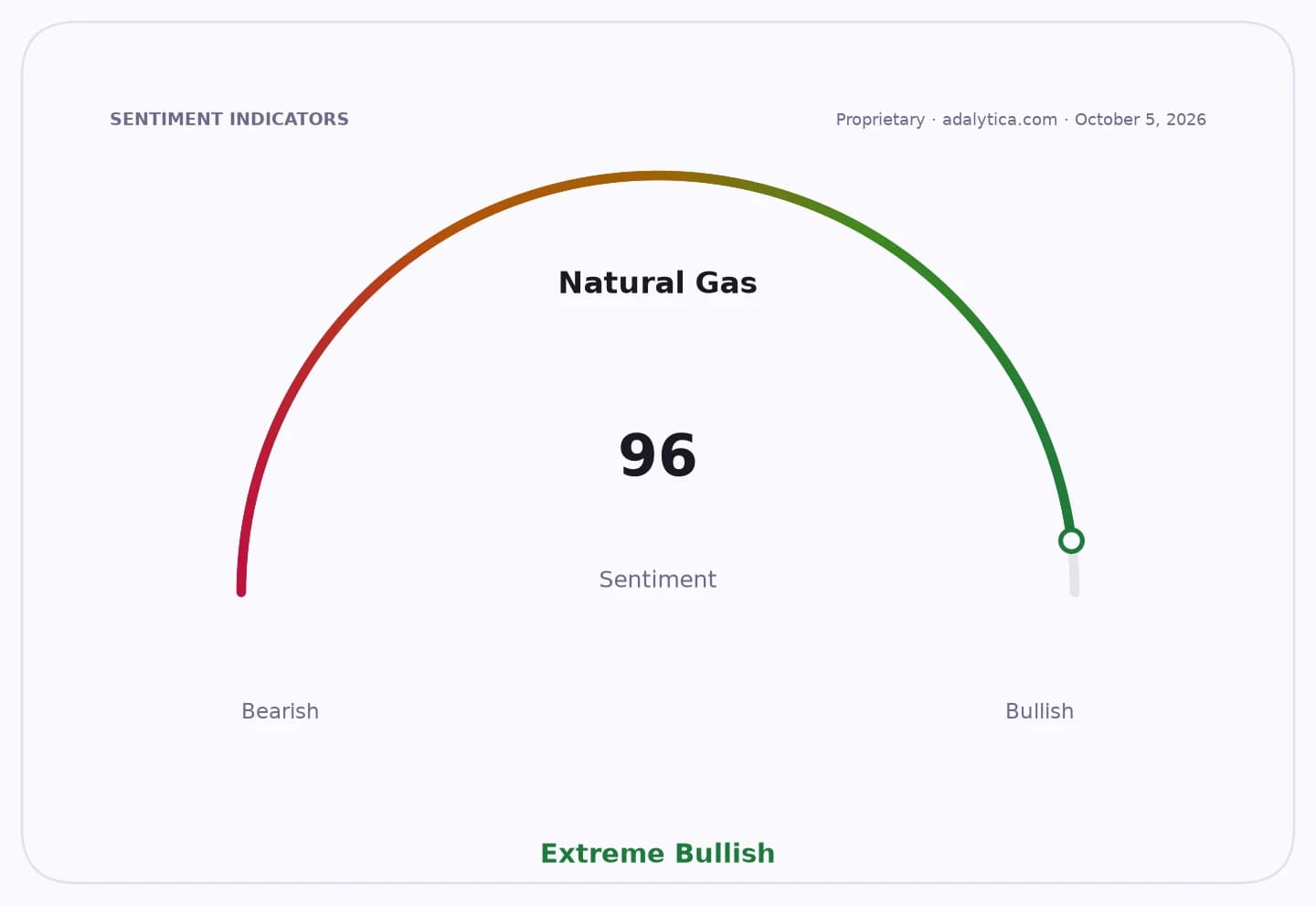
Sentiment IndicatorsⓘProprietary · adalytica.com · October 6, 2026
This is a snapshot — live sentiment, awareness and momentum for 130+ markets update continuously in the dashboard.Open AlphaPulse
For investors, that means the immediate read-through is less about a new construction catalyst than about the uncertainty premium around North American LNG development, Asian demand commitments and cross-border project financing. Vance’s remarks also point to the political sensitivity of tying a large infrastructure project to a foreign investment pledge before the economics are fully agreed.
The Alaska LNG project has long been discussed as a way to deepen US energy exports and strengthen supply security, especially for Asian buyers seeking long-dated gas supply. But megaprojects of this scale typically hinge on offtake contracts, permitting, cost-sharing and final investment decisions, and none of those are described as resolved here.
Energy shares in Europe and the US were mixed in recent trading, with TotalEnergies, Equinor and Shell all pulling back from recent highs in the latest sessions. Shell and other large producers remain exposed to any eventual LNG buildout through project participation and broader gas market demand, while upstream names tied to North American gas volumes could benefit if the pipeline ever advances.
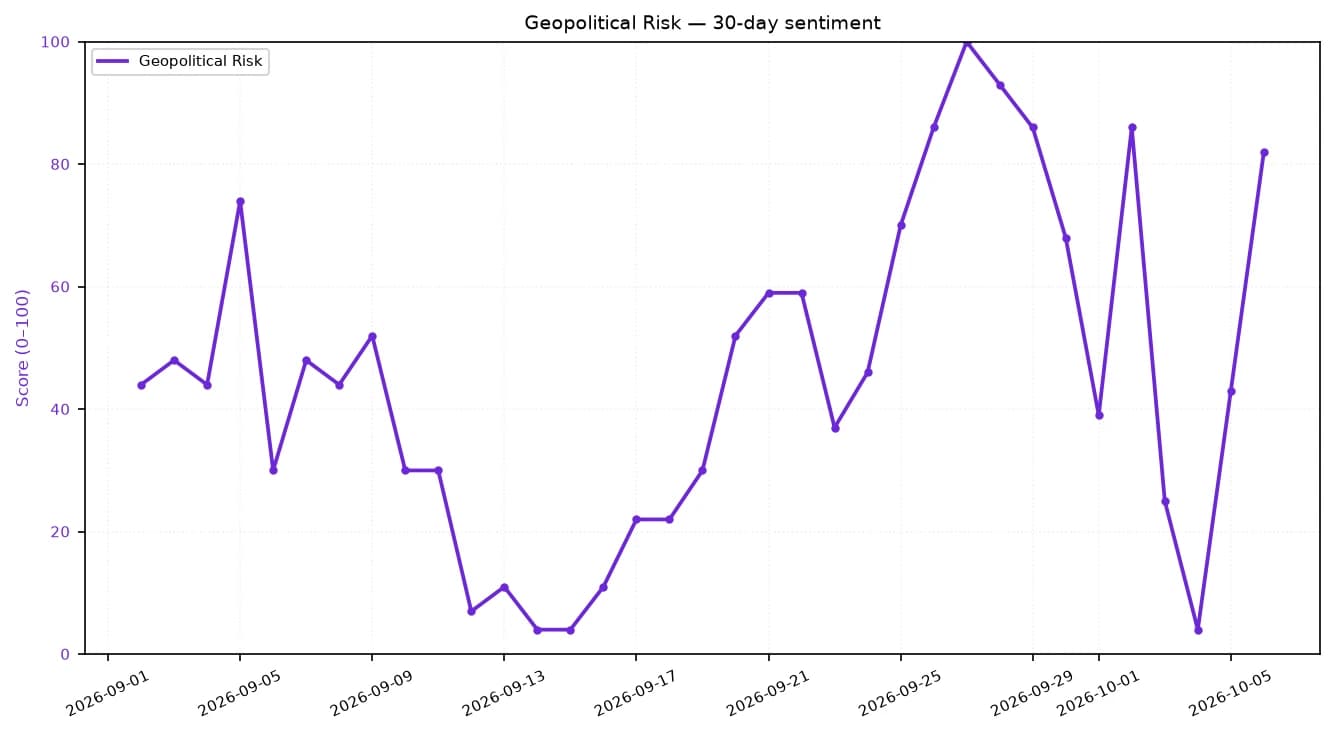
Adalytica’s natural gas market signal gauge is still only neutral, while its global stability reading shows elevated fear, a reminder that geopolitical and financing risks remain central to the investment case. The next market-moving step is whether Washington and Seoul can turn the political announcement into a commercial structure investors can actually underwrite.
| Entity | Gains | Losses |
|---|---|---|
| US LNG exporters | ▲Future demand boost | ▼Delay in final commitments |
| South Korea | ▲Potential supply access | ▼Capital exposure risk |
| Shell, Equinor, TotalEnergies | ▲Possible project participation | ▼Policy and execution uncertainty |
| Gas project skeptics | ▲More time for scrutiny | ▼Reduced urgency if deal advances |