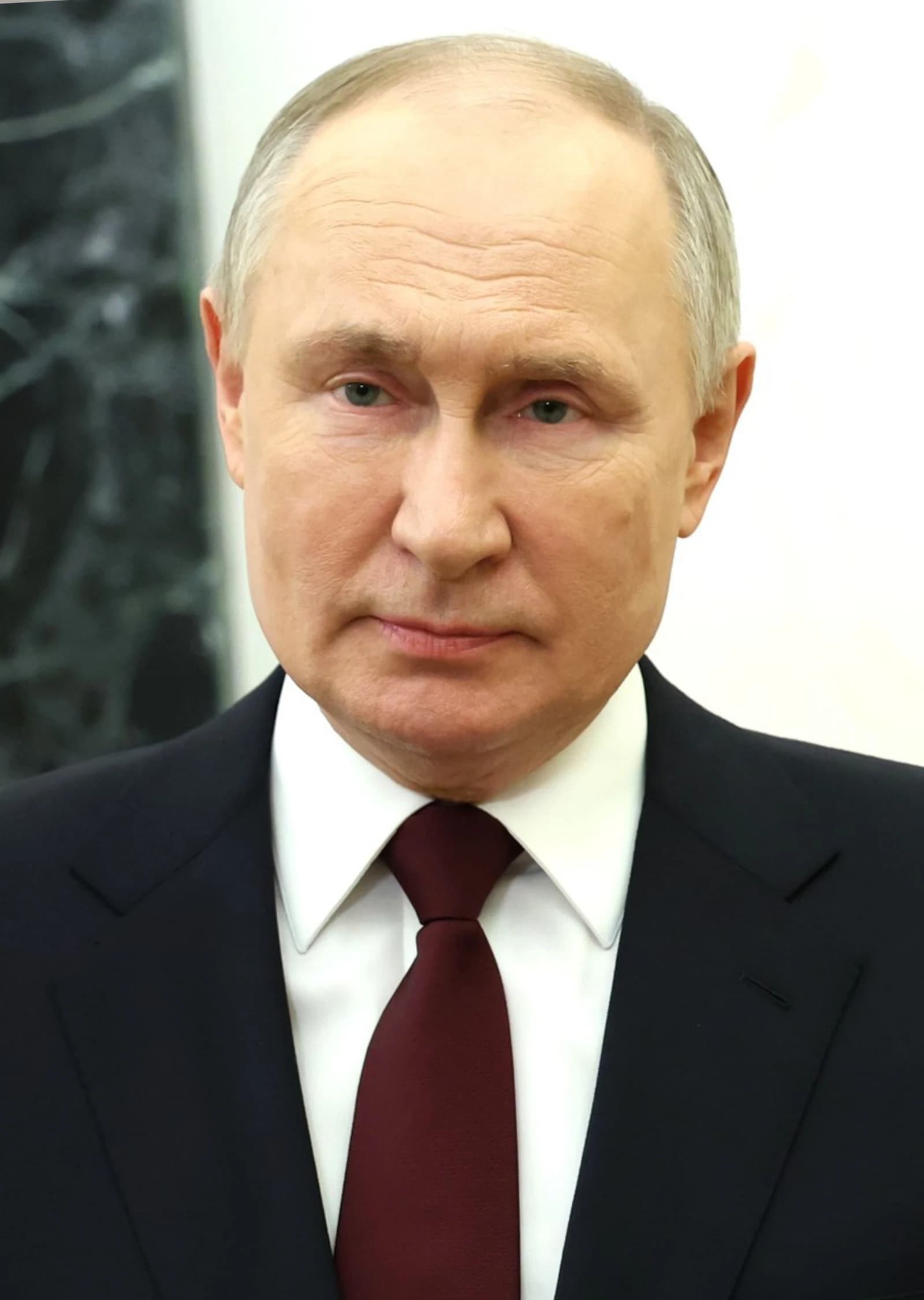
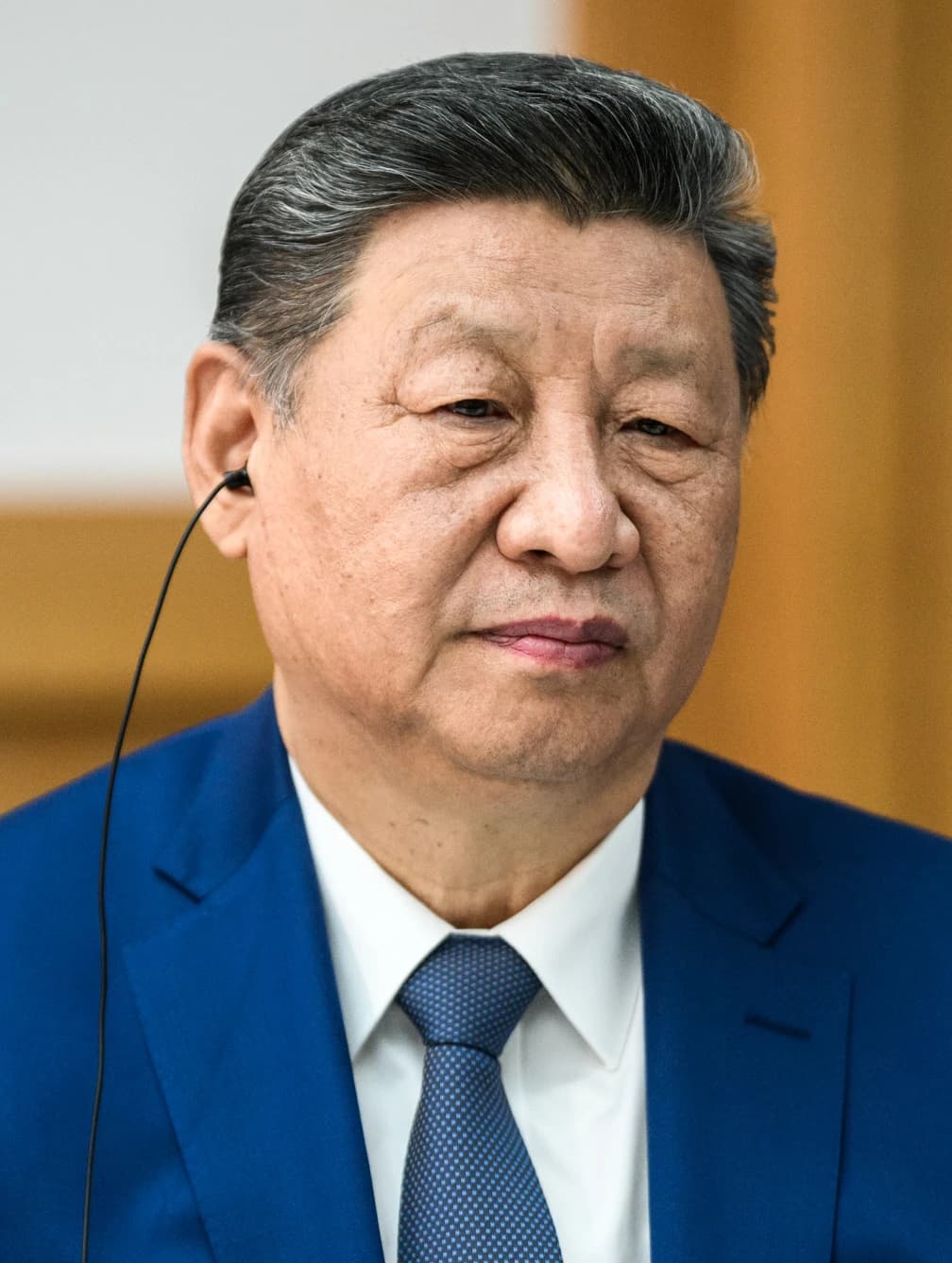
US and Chinese officials are discussing reciprocal visits to nuclear facilities, a rare diplomatic step that could rebuild some trust between the world’s two biggest geopolitical rivals as Beijing rapidly expands its arsenal.
US and China discuss nuclear site visits
The talks matter because nuclear transparency has become a bigger strategic issue as China adds warheads and hardens its weapons infrastructure while Washington still maintains a much larger stockpile. CNN, citing informed sources, said the US is prepared to consider visits to national laboratories run by the Energy Department and, potentially, to nuclear weapons test sites.
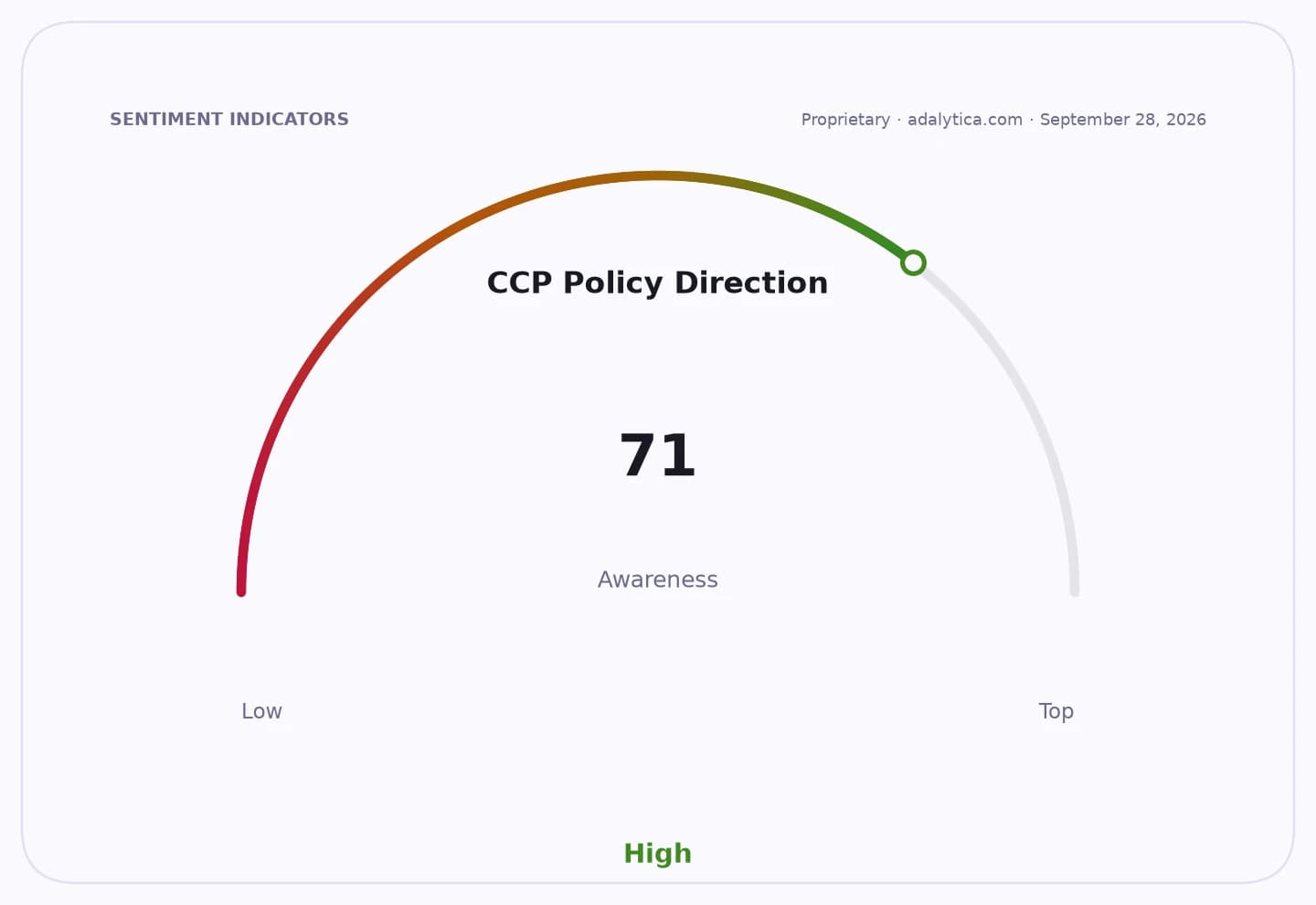
Sentiment IndicatorsⓘProprietary · adalytica.com · October 7, 2026
This is a snapshot — live sentiment, awareness and momentum for 130+ markets update continuously in the dashboard.Open AlphaPulse
The proposal was first raised by China during meetings with US representatives this year, according to the report. Officials have been discussing nuclear issues mainly on the sidelines of gatherings involving the five permanent members of the UN Security Council, underscoring how limited direct arms-control engagement remains.
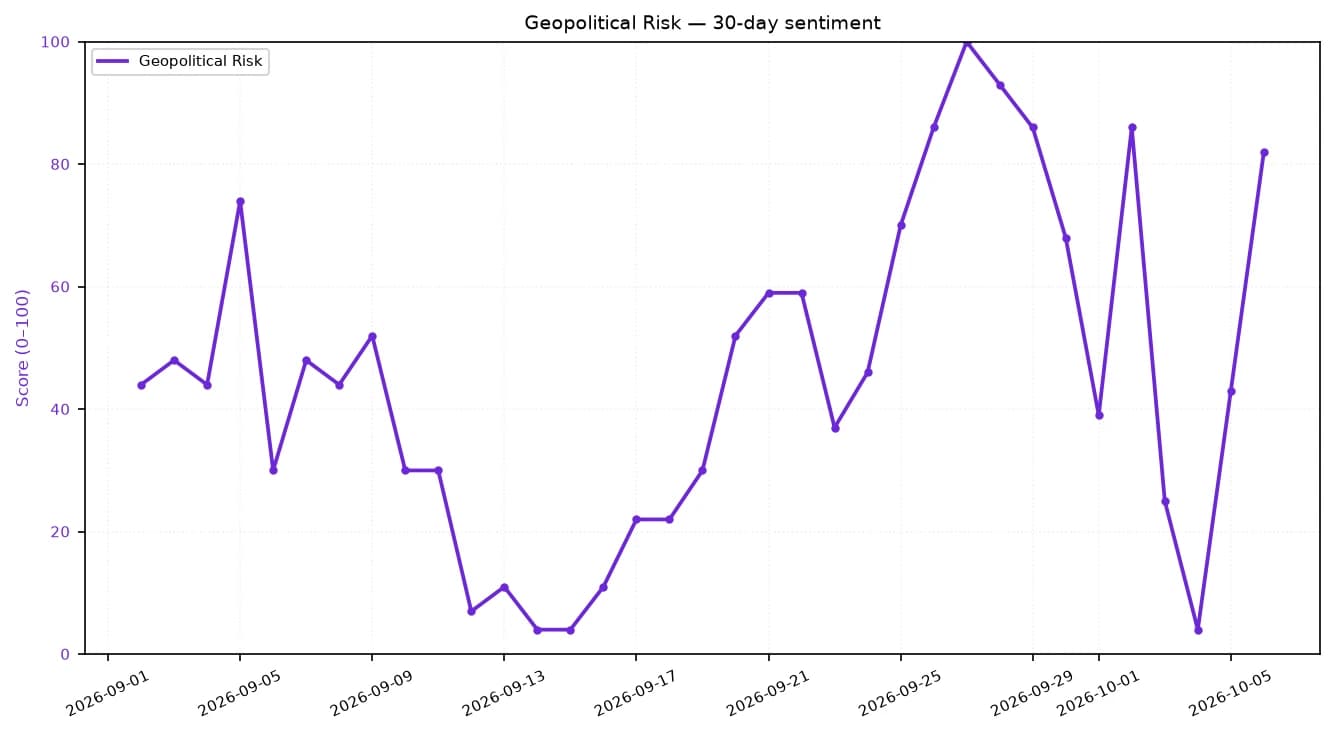
The stakes are rising for investors even though the story is geopolitical rather than market-specific. Escalating US-China military mistrust can feed demand for safety assets, bolster defense spending expectations and increase pressure on global risk appetite, especially when the nuclear backdrop is paired with trade and technology tensions.
The US is estimated to have about 5,000 nuclear warheads versus roughly 600 for China, but Beijing is projected to add hundreds more over the next decade. That widening gap, and the possibility that China is no longer content with a much smaller deterrent, is what makes even symbolic inspection talks economically relevant: they are part of the effort to reduce the odds of a policy miscalculation that could roil markets.
The issue has also been sharpened by earlier US accusations that China carried out secret nuclear tests in 2020 and tried to conceal them. Any sign the two powers are willing to open nuclear sites to scrutiny would be a modest stabilizer for global sentiment, though the process is likely to move slowly and remain vulnerable to broader bilateral tensions.
For investors, the near-term read-through is more about risk management than direct earnings impact: a cooler nuclear rivalry tends to support equities and cyclical assets, while failure to make progress keeps a geopolitical premium in place across defense, gold and other safe-haven trades.
| Entity | Gains | Losses |
|---|---|---|
| US and China diplomats | ▲More communication | ▼Lower trust gap if talks fail |
| Global equities | ▲Reduced geopolitical risk | ▼Flight-to-safety flows if tensions rise |
| Defense contractors | ▲Stable scrutiny, higher budgets | ▼De-escalation premium fades |
| Gold and havens | ▲Weaker bid on progress | ▼Stronger bid if talks collapse |