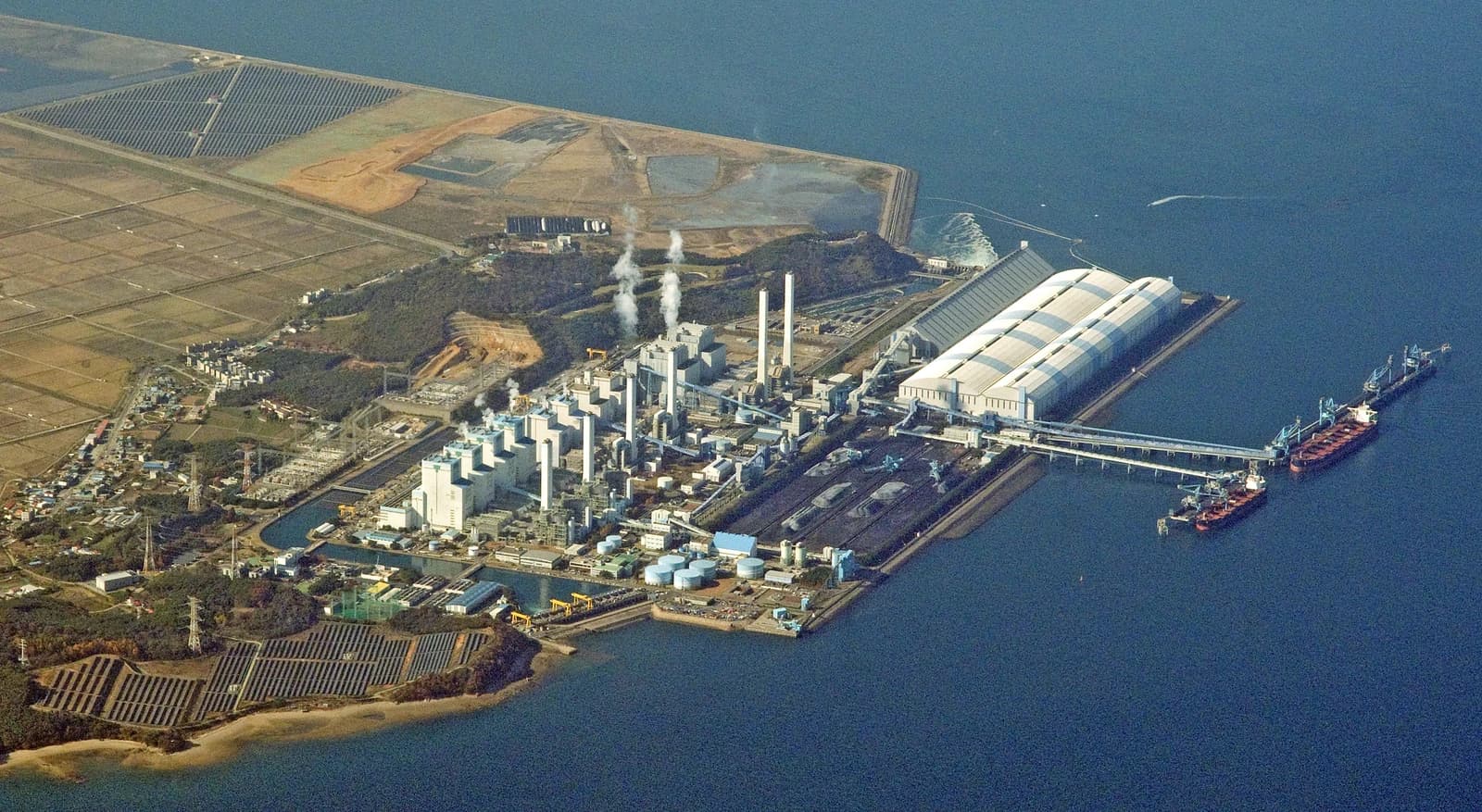
Vietnam has begun construction of the 1,612.8-megawatt Quang Trach II LNG thermal power plant, a project that is central to the country’s effort to avoid electricity shortfalls as industrial demand rises and the grid leans on more flexible gas-fired generation.
Vietnam starts Quang Trach II LNG power plant
The project, led by state utility EVN, is one of Vietnam’s key power assets under its national power plan and is designed to help shore up supply for the 2027-2030 period. EVN said the plant, together with the adjacent Quang Trach I coal-fired project, will add more than 17.2 billion kilowatt-hours a year once complete, boosting system reliability and supporting a broader shift in the generation mix.
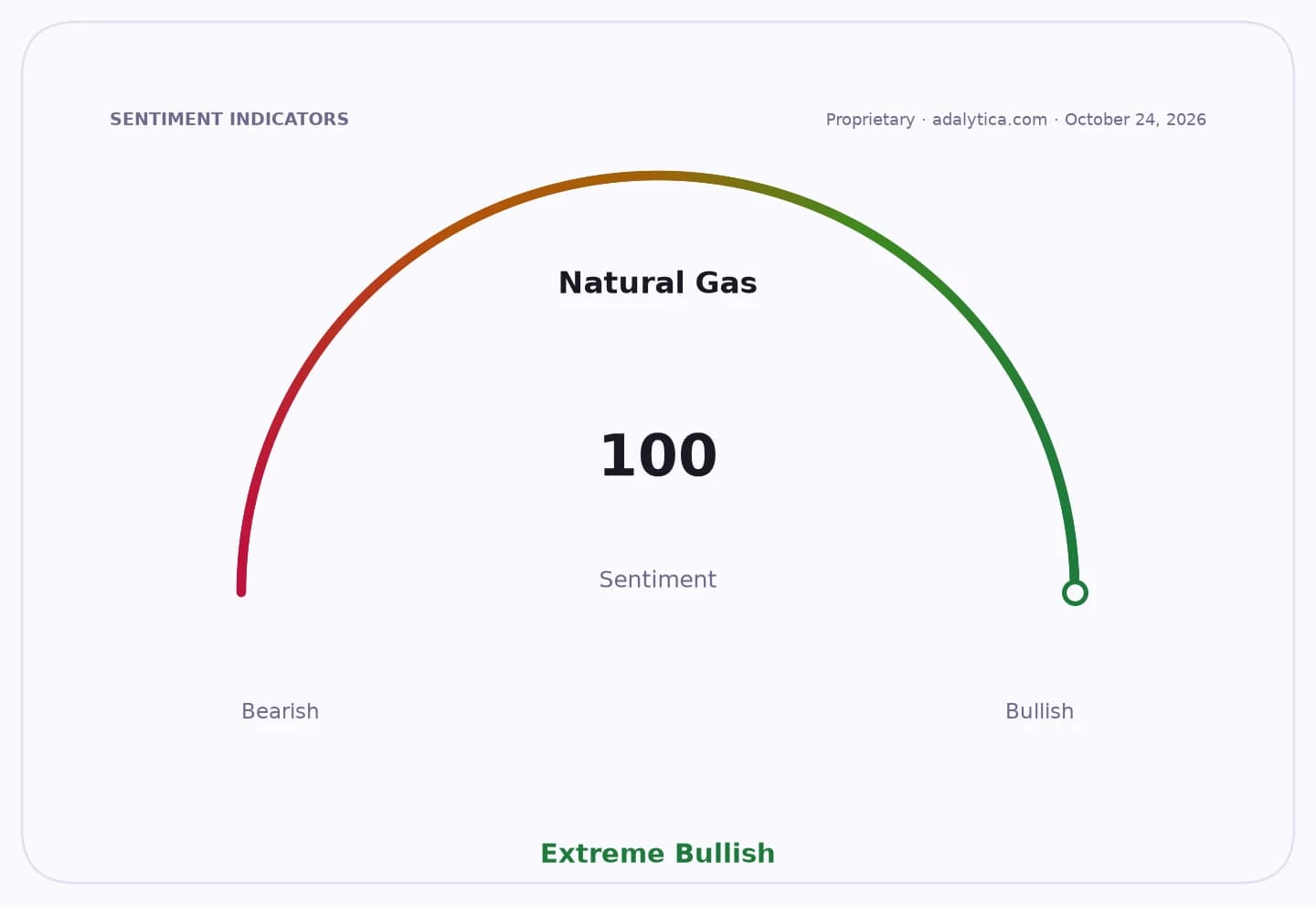
Sentiment IndicatorsⓘProprietary · adalytica.com · October 24, 2026
This is a snapshot — live sentiment, awareness and momentum for 130+ markets update continuously in the dashboard.Open AlphaPulse
Quang Trach II carries a total investment of more than 40.12 trillion dong, or about $1.6 billion, with 20% financed by equity and 80% by commercial loans. The funding is being syndicated by Vietcombank, VietinBank, BIDV and Agribank, underscoring the role of domestic lenders in financing large-scale energy infrastructure.
The plant is being built by a PowerChina-LILAMA joint venture under an EPC contract worth more than 25.2 trillion dong. It will use combined-cycle gas turbine technology and GE Vernova 9HA.02 turbines, a high-efficiency setup that Vietnam says will improve operational flexibility and help cut emissions versus older coal generation.
For investors, the project reinforces the long-term buildout of Vietnam’s power sector and the need for equipment, construction and financing tied to LNG infrastructure. It also points to rising strategic demand for gas-fueled generation in Asia at a time when LNG supply remains a global concern, with buyers seeking firmer supply and more resilient contract structures.
EVN says the first unit at Quang Trach II is scheduled to start commercial operation in February 2030, with the second unit due in April 2030. Execution risk now shifts to construction milestones, fuel sourcing and grid integration, all of which will shape whether the project helps ease Vietnam’s power constraints on schedule.
| Entity | Gains | Losses |
|---|---|---|
| EVN / Vietnam grid | ▲Added baseload capacity | ▼Execution and financing risk |
| Domestic banks | ▲Large infrastructure lending | ▼Credit exposure to project delays |
| PowerChina-LILAMA | ▲EPC revenue and scale | ▼Delivery and schedule pressure |
| Coal-heavy generators | ▲— | ▼Longer-term shift toward gas-fired power |