Qatar is moving to take over a large part of Lebanon’s power crisis, offering to build two gas-fired plants and supply LNG for 20 years at no upfront cost to Beirut, in a deal that could reshape the country’s broken electricity system and deepen Doha’s energy footprint in the Levant.
Qatar plans Lebanon power plants and LNG supply
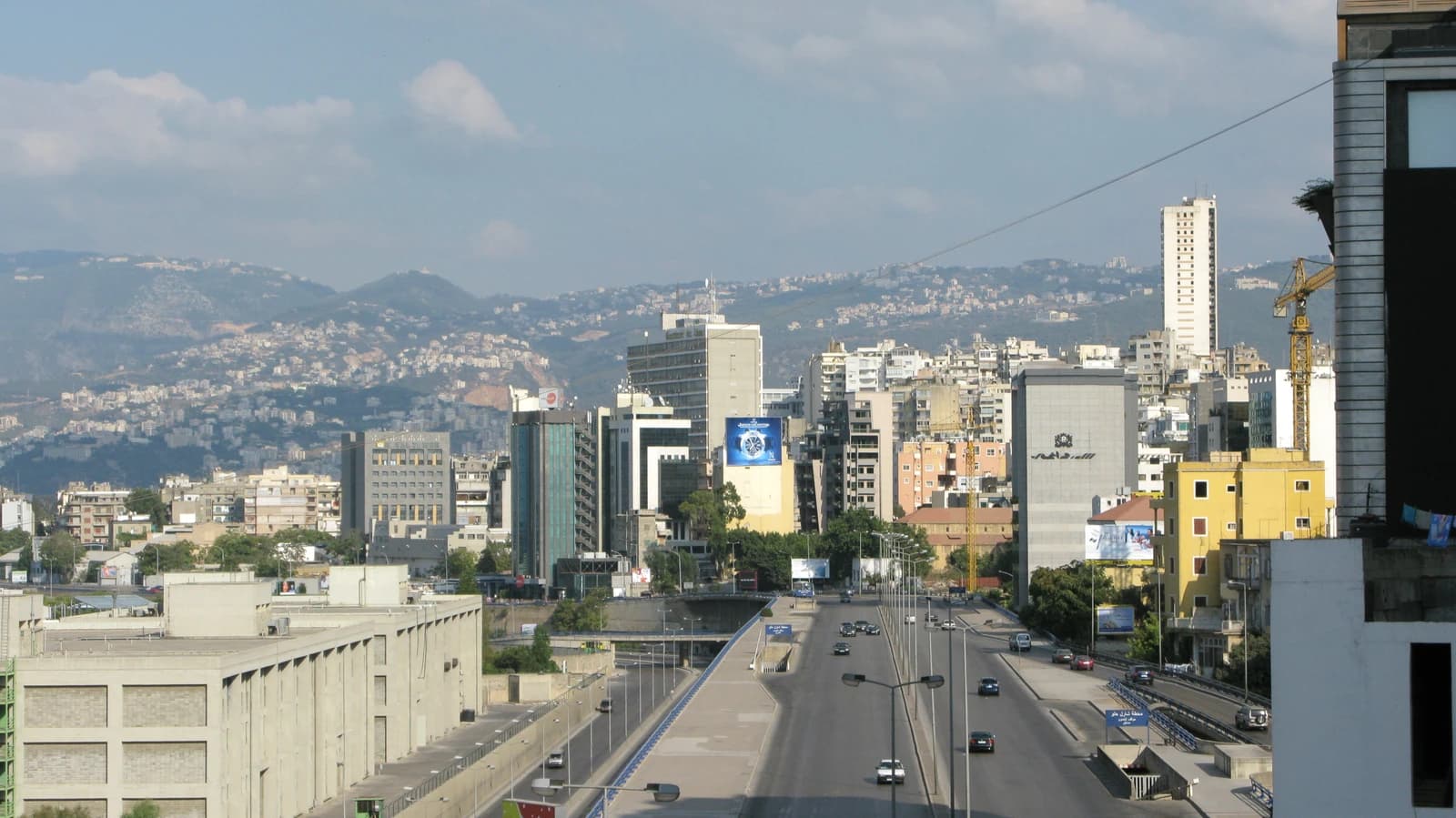
The draft program, seen by Reuters, would have Qatar finance, build and operate two 825-megawatt combined-cycle plants at Deir Ammar in the north and Zahrani in the south, with private financing replacing Lebanese public spending. For a state whose utility currently delivers only a few hours of electricity a day, the plan amounts to a potential rescue of core infrastructure without adding to the government’s debt burden.
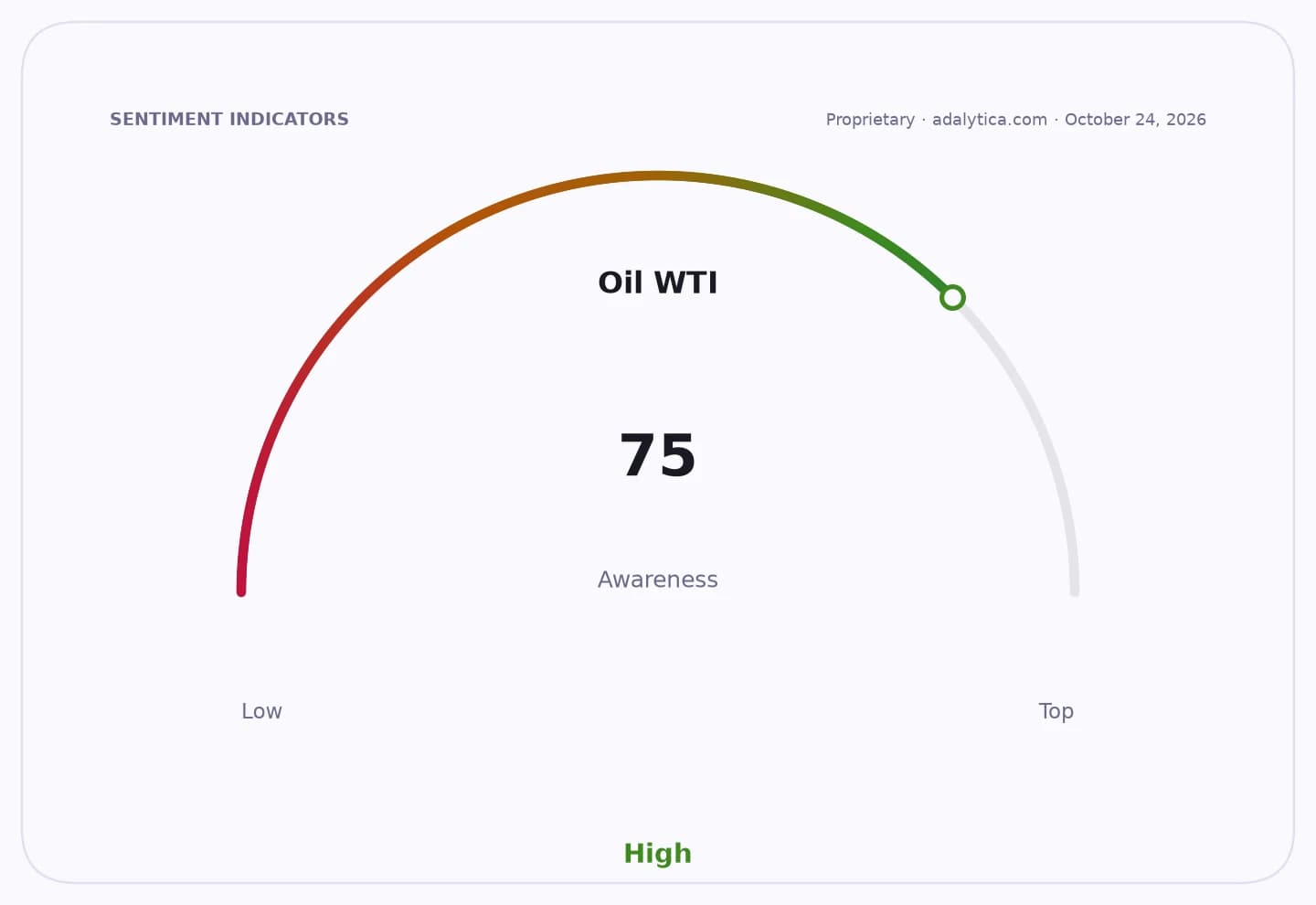
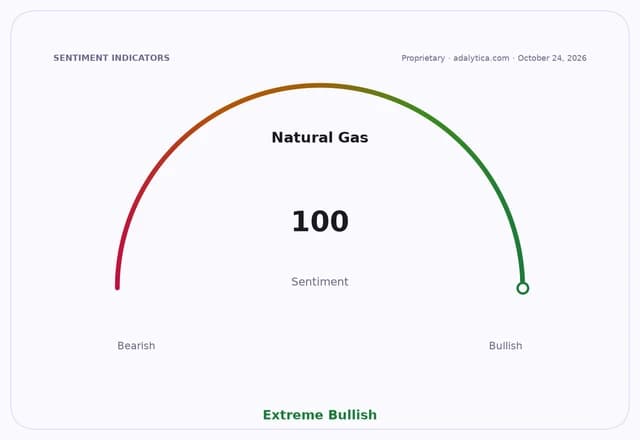
Sentiment IndicatorsⓘProprietary · adalytica.com · October 24, 2026
This is a snapshot — live sentiment, awareness and momentum for 130+ markets update continuously in the dashboard.Open AlphaPulse
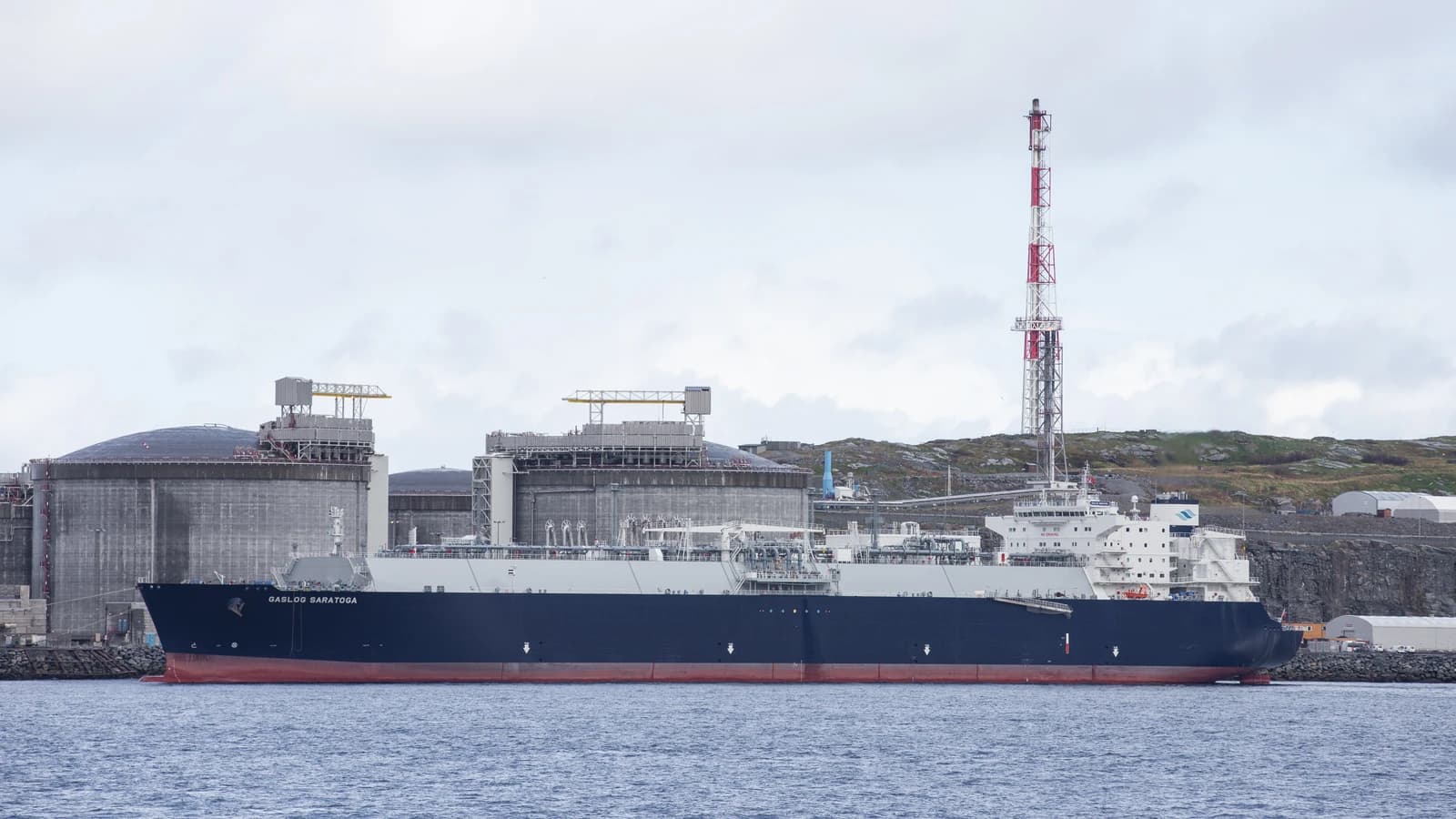
The proposal also creates a major commercial channel for QatarEnergy, which would supply gas under a 20-year LNG contract through a floating storage and regasification unit and via the Arab Gas Pipeline through Syria. The draft calls for 3.5 million cubic meters a day through the floating unit and 4.5 million cubic meters a day through the pipeline, while also adding 800 MW of solar, 440 MW of wind, battery storage and 300 MW of imports from Syria.
Prime Minister Nawaf Salam said Qatar would finance, run and operate the project, and that QatarEnergy and TotalEnergies would jointly develop a solar plant as the first stage. A person familiar with the plan said the build-out could take three years if both governments move quickly, underscoring how dependent the project is on political approval in Beirut and Doha.
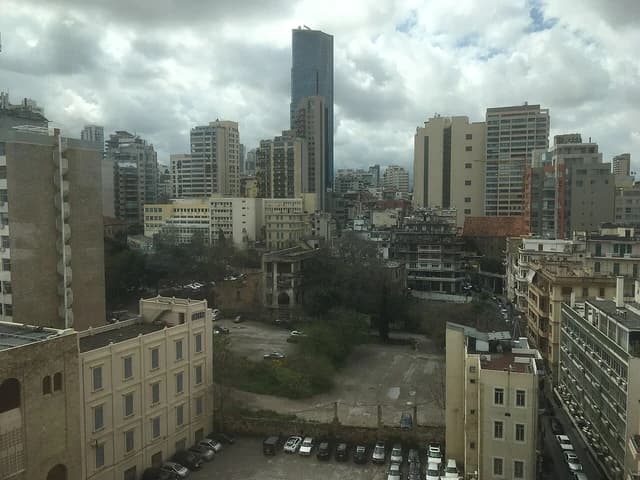
For Lebanon, the economics are stark. The country’s economy is expected to contract 6% to 7% this year, while diesel generators still supplied about half of electricity at the start of 2026, according to a report cited by The National. A reliable grid would lower fuel costs for households and industry, ease pressure on imports and potentially support any recovery in manufacturing, services and public finances.
The deal also matters geopolitically because it would extend Qatar’s energy reach through Syria, where a consortium led by UCC Holding signed concessions in November 2025 for 5,000 MW of generation. That creates a wider regional power corridor linking Gulf LNG, Syrian transit routes and Lebanese demand, with Doha positioning itself as a financier and operator in markets where Western capital has largely stayed away.
Investors will also watch supply risk. Qatar’s LNG flows have been disrupted since an Iranian missile strike on Ras Laffan on March 18 knocked out two of its 14 LNG trains, prompting QatarEnergy to extend force majeure on deliveries every month since early March. QatarEnergy CEO Saad al-Kaabi said last month the country was producing only a “very minute” volume of LNG, a reminder that any new export commitments depend on a still-fragile supply backdrop.
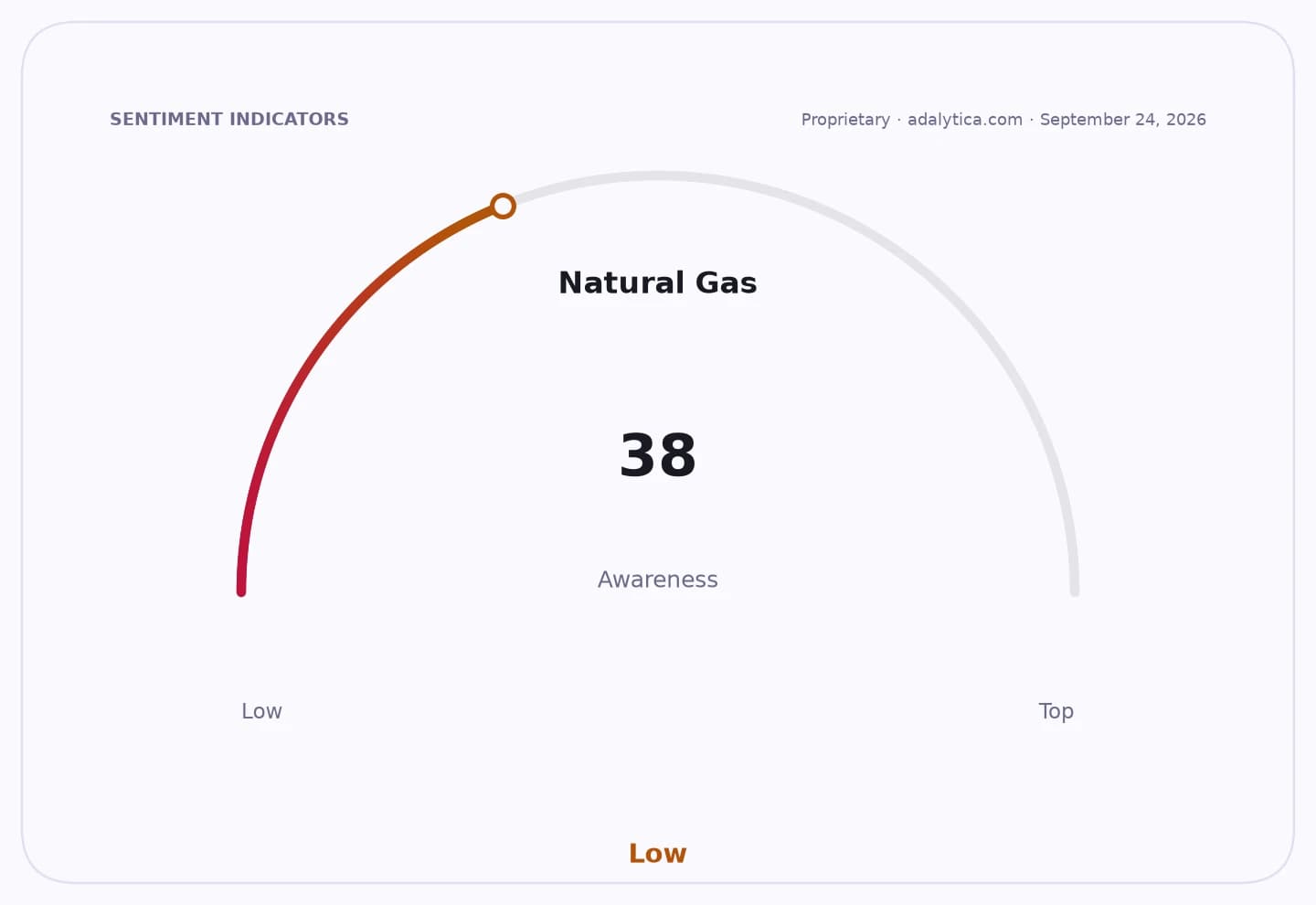
That tension has already fed into energy markets. LNG-sensitive names such as Shell, Exxon Mobil and Cheniere have remained in focus as global gas supply tightness and Middle East risk keep prices volatile, while Adalytica’s natural gas trade signal is at “Extreme Greed,” reflecting how quickly sentiment has turned on tighter supply expectations.
The next catalyst is political approval. If Beirut and Doha sign off quickly, the project could become one of the region’s biggest public-private energy buildouts; if talks stall, Lebanon’s power shortfall and reliance on costly generators will persist.
| Entity | Gains | Losses |
|---|---|---|
| Qatar / QatarEnergy | ▲Long-term LNG demand | ▼Upfront capital risk |
| Lebanon / Electricite du Liban | ▲Potential grid relief | ▼Loss of policy control |
| Diesel generator operators | ▲— | ▼Less backup demand |
| LNG exporters and gas-linked equities | ▲Tighter supply narrative | ▼Demand uncertainty if project stalls |