Guyana is weighing whether to scale back a flagship LNG project after Exxon Mobil told the government it needs far more offshore gas for reinjection into oilfields, a shift that could force the country to choose between near-term oil output and longer-term gas exports.
Guyana weighs smaller LNG project amid Exxon gas needs
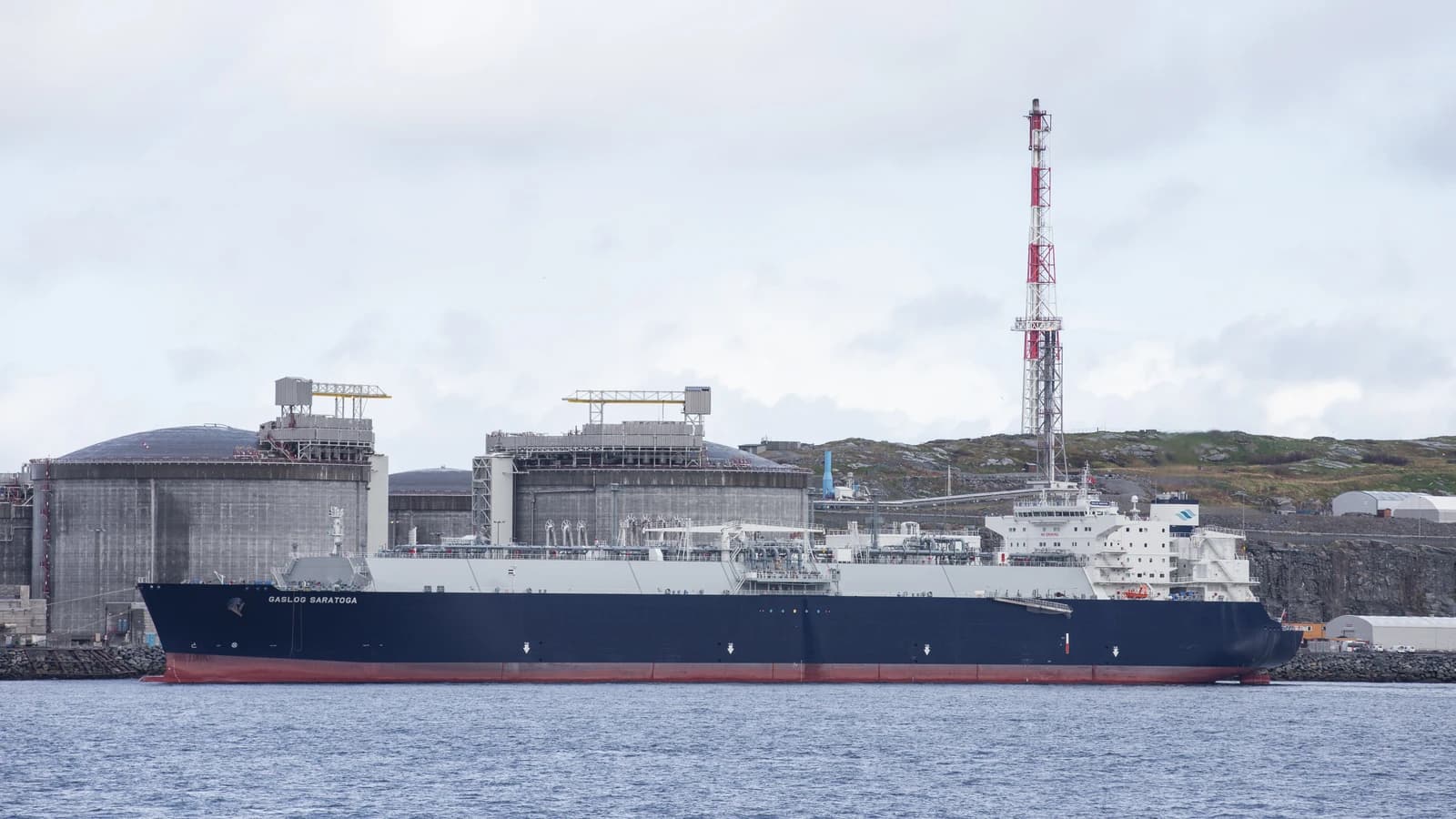
That trade-off matters because Guyana’s energy boom has been built on the promise of monetizing both its crude and gas reserves. If more gas is diverted to keep oil production climbing at the Stabroek block, less will be available for liquefied natural gas, petrochemicals and other industrial projects that were supposed to broaden the economy beyond crude exports. For investors, the issue goes to the heart of the country’s growth model and the pace at which Exxon, Chevron and CNOOC can turn Guyana’s resources into cash flow.
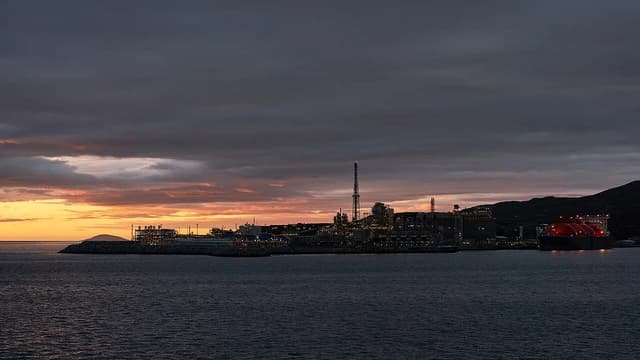
People close to the talks said Exxon’s group now expects to need about 2 billion cubic feet per day of gas for reinjection to maximize oil production at government-approved developments. That would squeeze supplies for a planned floating LNG plant by U.S. developer Fulcrum LNG, which was selected by the government in 2024. The project, initially designed for 6 million metric tons a year, may have to start at half that size, at around 3 mtpa, if it goes ahead at all.
The potential downsizing is significant for Guyana because the government has been counting on gas as a second pillar of development. President Irfaan Ali’s administration wants gas to feed a new power plant quickly, while other downstream ambitions — including fertilizer production, a bauxite-to-alumina refinery and large data centers — now appear less certain. In other words, the country may have to prioritize domestic energy security and power supply before chasing export revenues.
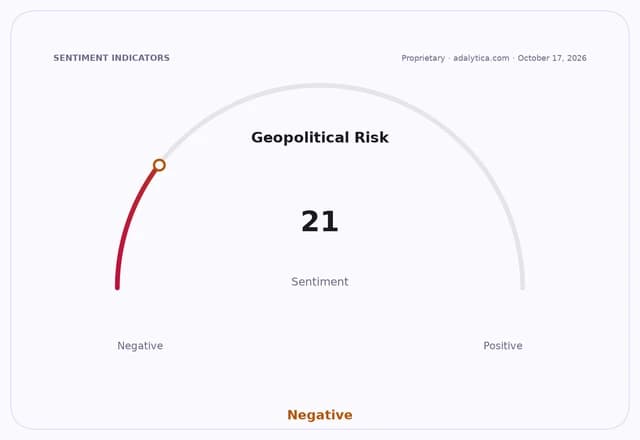
For Exxon, the logic is straightforward. The company’s Stabroek block remains one of its most important growth engines, with nearly 11 billion barrels of oil equivalent in recoverable resources and plans for up to eight offshore developments by 2030. Reinjecting gas can help sustain reservoir pressure and support output targets, reinforcing crude production from a portfolio that has become central to Exxon’s long-term upstream story. A fifth floating production vessel arrived in Guyana in August, and the company has already applied for approval for its ninth project, Haimara.
The bull case for Exxon is that tighter control of gas streams improves oil recovery and keeps one of the world’s most attractive offshore growth basins on track. The bear case for Guyana is that a slower LNG rollout delays diversification, limits industrialization and concentrates the economy even more heavily on crude exports. For Fulcrum and any other prospective gas investors, the uncertainty reduces visibility on project size, timing and returns.
Exxon said it is working with the government on plans that maximize recovery and value, adding that gas development in Guyana requires supply and demand to be developed at the same time. That underscores the central problem now facing policymakers: the country has abundant hydrocarbons, but not enough gas to do everything at once.
The immediate watchpoint is whether Guyana formalizes a smaller LNG project or abandons exports in favor of domestic use. Either way, the decision will shape the pace of infrastructure spending, the outlook for local power generation and the degree to which Guyana can convert its oil bonanza into a broader energy economy.
| Entity | Gains | Losses |
|---|---|---|
| Exxon Mobil | ▲More gas for oil recovery | ▼Less gas for LNG exports |
| Guyana government | ▲Higher oil output potential | ▼Slower gas monetization |
| Fulcrum LNG | ▲Possible project stays alive | ▼Smaller plant, delayed returns |
| Domestic power users | ▲More gas for electricity | ▼Fewer volumes for exports |