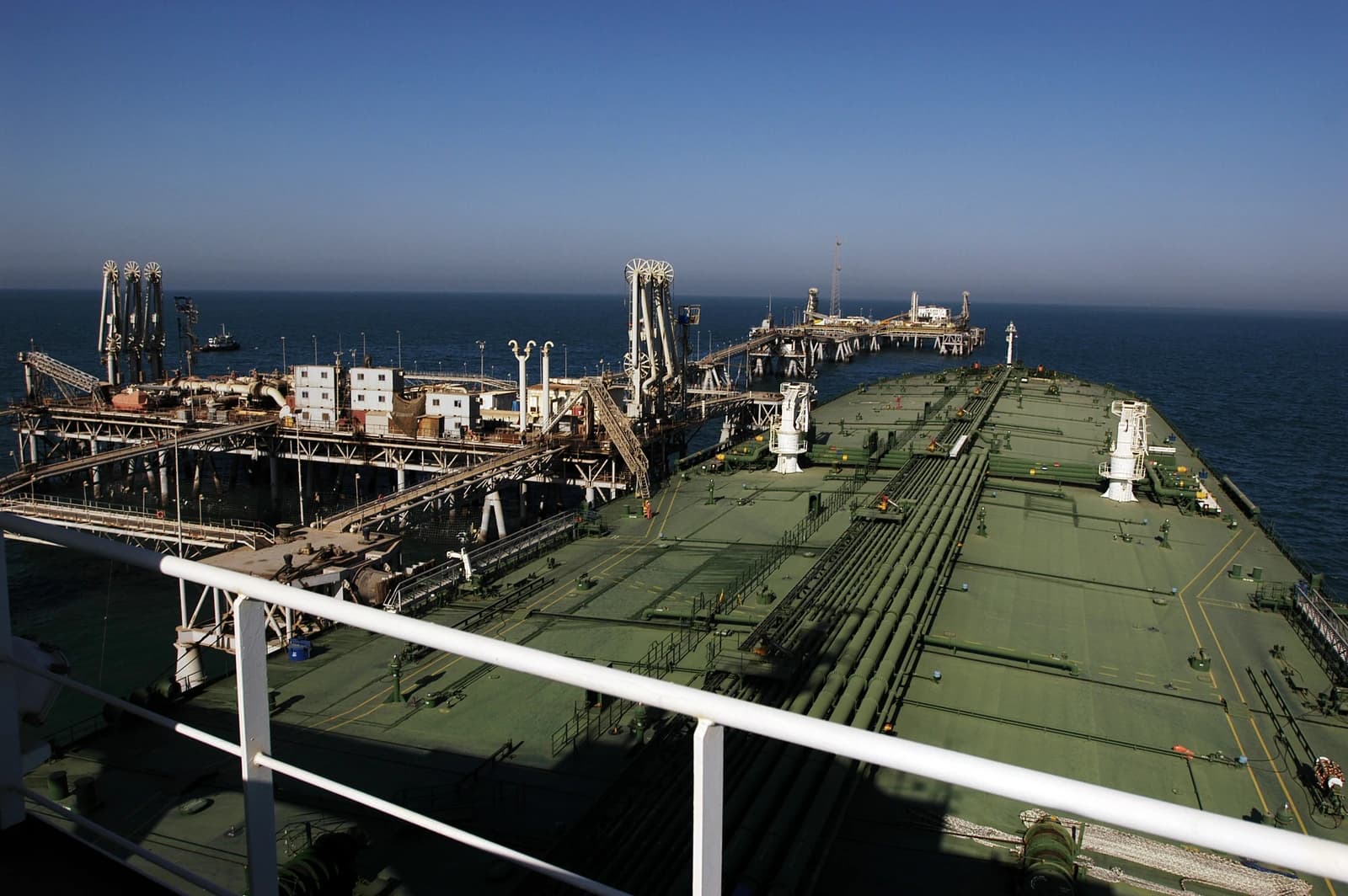
Egypt can switch power stations from liquefied natural gas to diesel or heavy fuel oil, a backup option that underscores how strained the country’s energy balance has become as imported fuel costs stay elevated and supply flexibility matters more.
Egypt Can Switch Power Plants From LNG to Fuel Oil
Engineer Osama Kamal, chairman of the Senate Energy Committee and a former petroleum minister, said Egypt does not rely on a single energy source and can use mazut, a heavier fuel oil, in thermal plants if needed. He said the plants once ran on diesel and mazut before gas was introduced, and that the fuel can still be used to generate electricity, though with more operational difficulty.
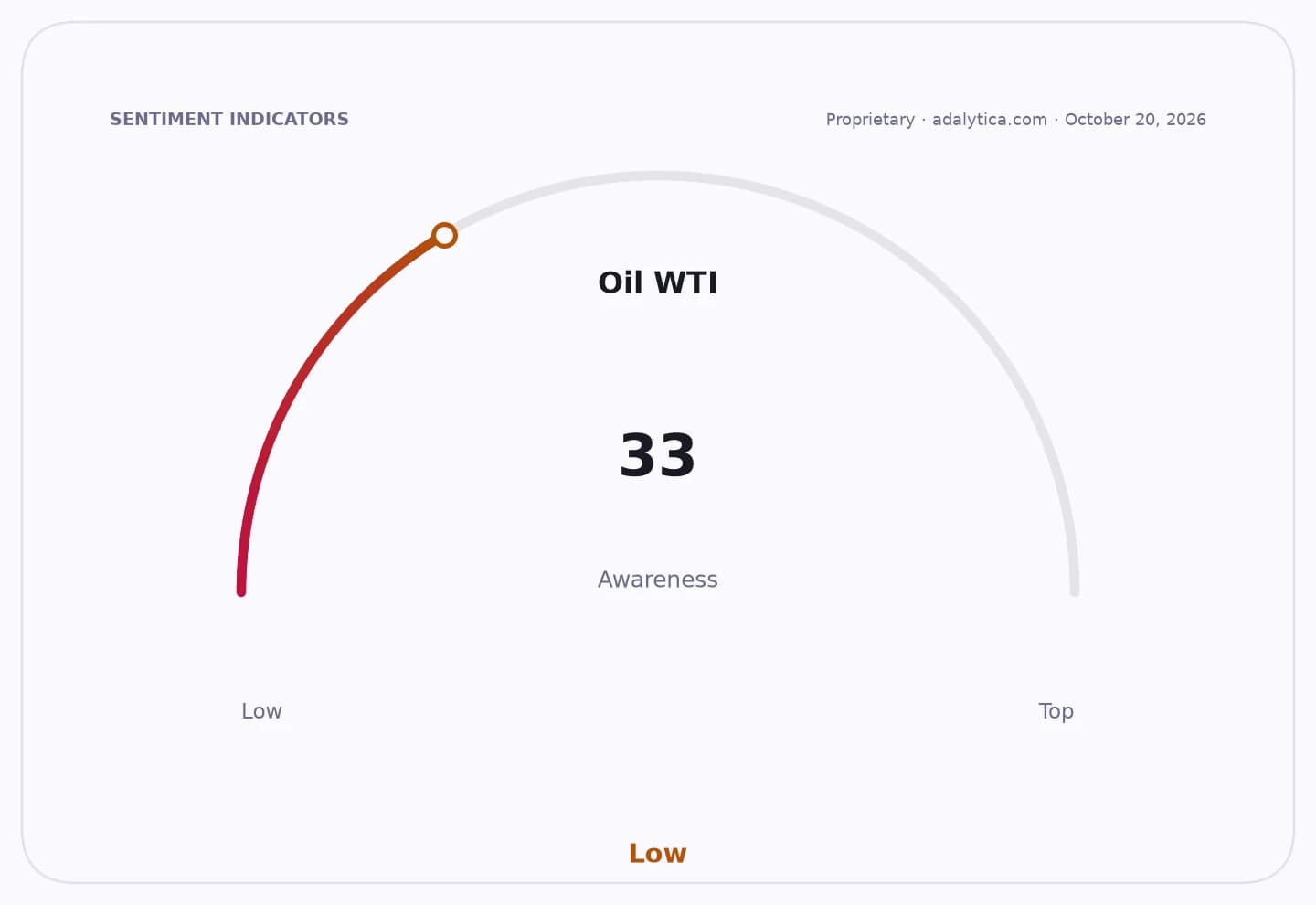
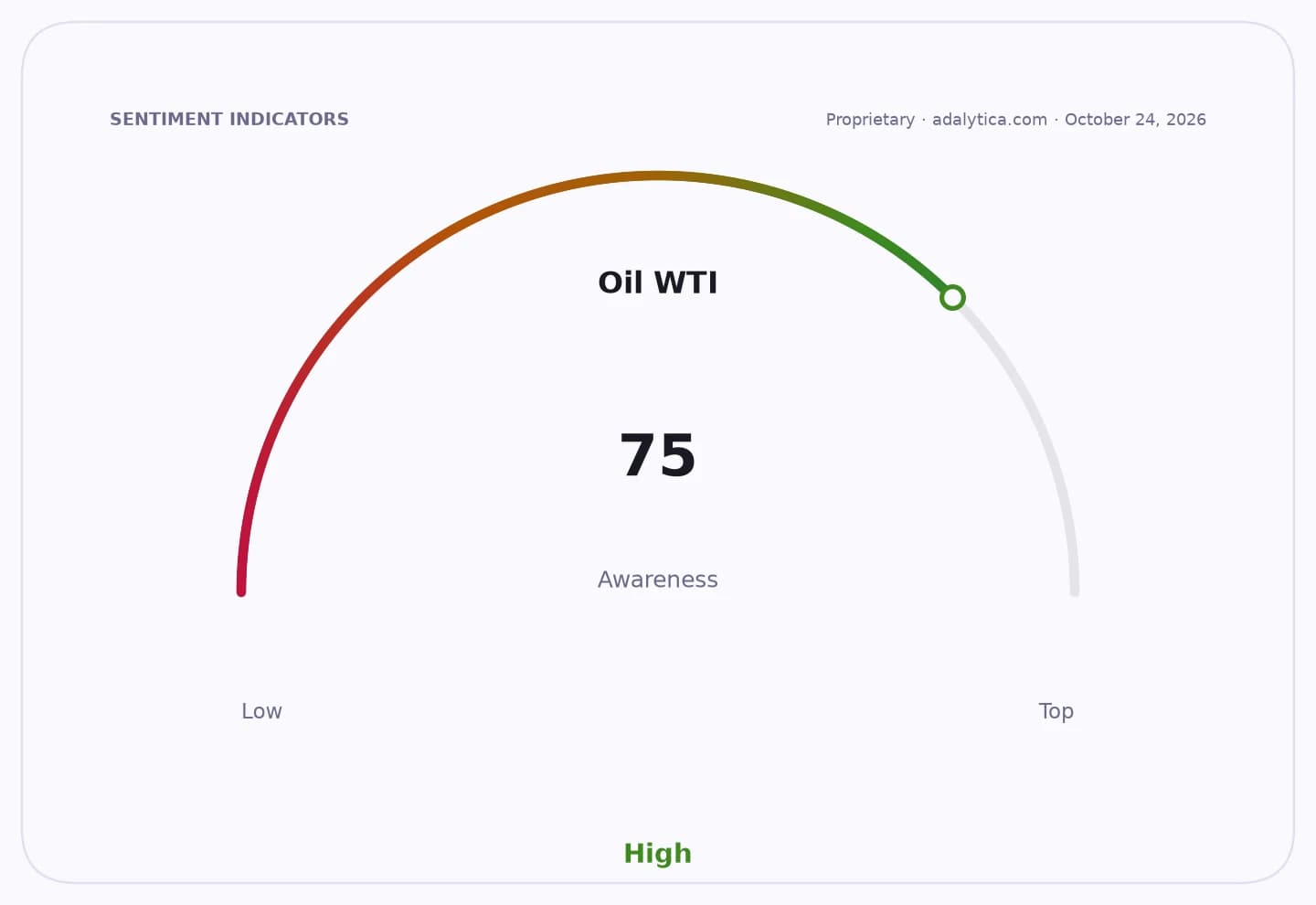
Sentiment IndicatorsⓘProprietary · adalytica.com · October 24, 2026
This is a snapshot — live sentiment, awareness and momentum for 130+ markets update continuously in the dashboard.Open AlphaPulse
The immediate economic significance is that Cairo appears to be preserving room to maneuver in its power system without depending solely on LNG cargoes. That matters because imported gas is exposed to volatile global prices and shipping constraints, while fuel oil is typically dirtier and can be more expensive or less efficient to burn, but may be easier to source in a pinch. The trade-off is not just technical: a fuel switch can alter the country’s import bill, pressure the budget and affect the current account.
The backdrop is a firmer oil market and a nervous energy complex. Brent-linked prices have been volatile but elevated enough to keep imported thermal fuel costly, while U.S. crude benchmarks have also stayed high by historical standards. In markets, energy equities have benefited from the tighter environment: the XLE energy ETF has risen sharply, while the U.S. natural-gas proxy UNG has been weaker, reflecting a market that is still pricing different dynamics across the fuel complex.
For investors, the message is that Egypt is trying to avoid a single-point failure in its power sector. That reduces the risk of rolling blackouts if LNG supply tightens or if foreign-currency shortages limit purchases abroad. But it also reinforces that the country remains vulnerable to the global commodity cycle, especially because swapping to mazut does not eliminate fuel dependence — it simply changes the mix.
There is also a policy signal embedded in Kamal’s comments. By describing diesel and mazut as workable alternatives, he is effectively acknowledging that energy security is taking precedence over fuel quality and emissions considerations in the short run. His preference, however, was clear: more solar and wind. That is the longer-term answer, but it is not a near-term fix for peak demand or emergency dispatch.
The near-term outlook therefore hinges on whether Egypt can keep its power system adequately supplied without having to bid aggressively for LNG on the spot market. If it leans more heavily on mazut, utilities gain resilience but lose efficiency and environmental credibility. If it sticks with gas, it stays exposed to import costs and supply risk. For investors, the key variable is how long Cairo can balance both without a strain on public finances or electricity reliability.
| Entity | Gains | Losses |
|---|---|---|
| Egypt power system | ▲Fuel flexibility | ▼Efficiency and emissions profile |
| LNG suppliers | ▲Less immediate demand | ▼Lost market share in Egyptian power |
| Fuel oil suppliers | ▲Higher demand | ▼— |
| Consumers and industry | ▲Lower blackout risk | ▼Higher energy costs |