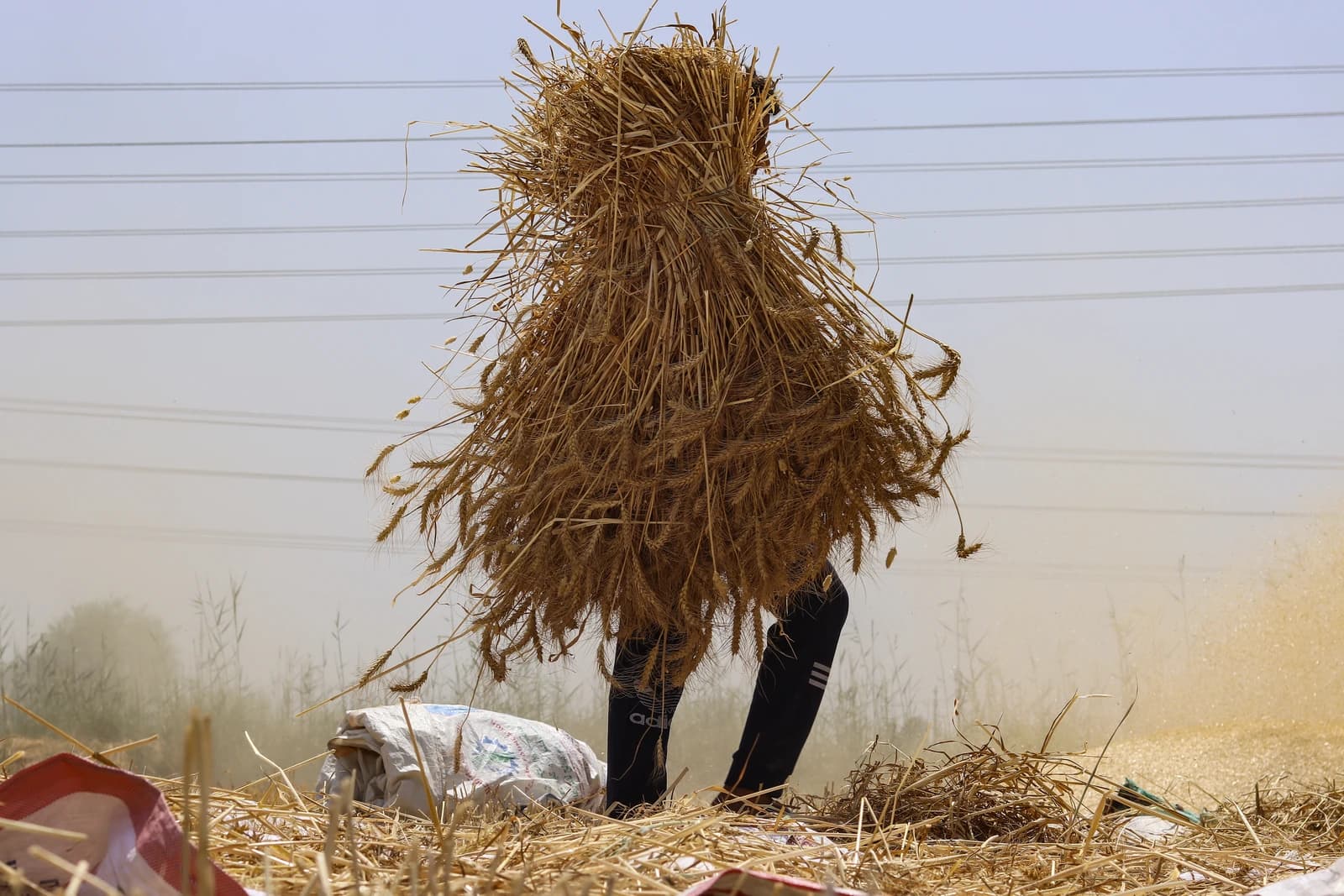
Egypt’s drive to expand cotton production is colliding with its wider food-security push, as climate pressures and scarce farmland make every acre more valuable for staple crops and export earnings. For investors, the stakes are bigger than agriculture: Egypt is trying to cut import dependence, protect hard currency, and stabilize rural incomes at a time when inflation and global supply risks remain elevated.
Egypt cotton push collides with food security goals
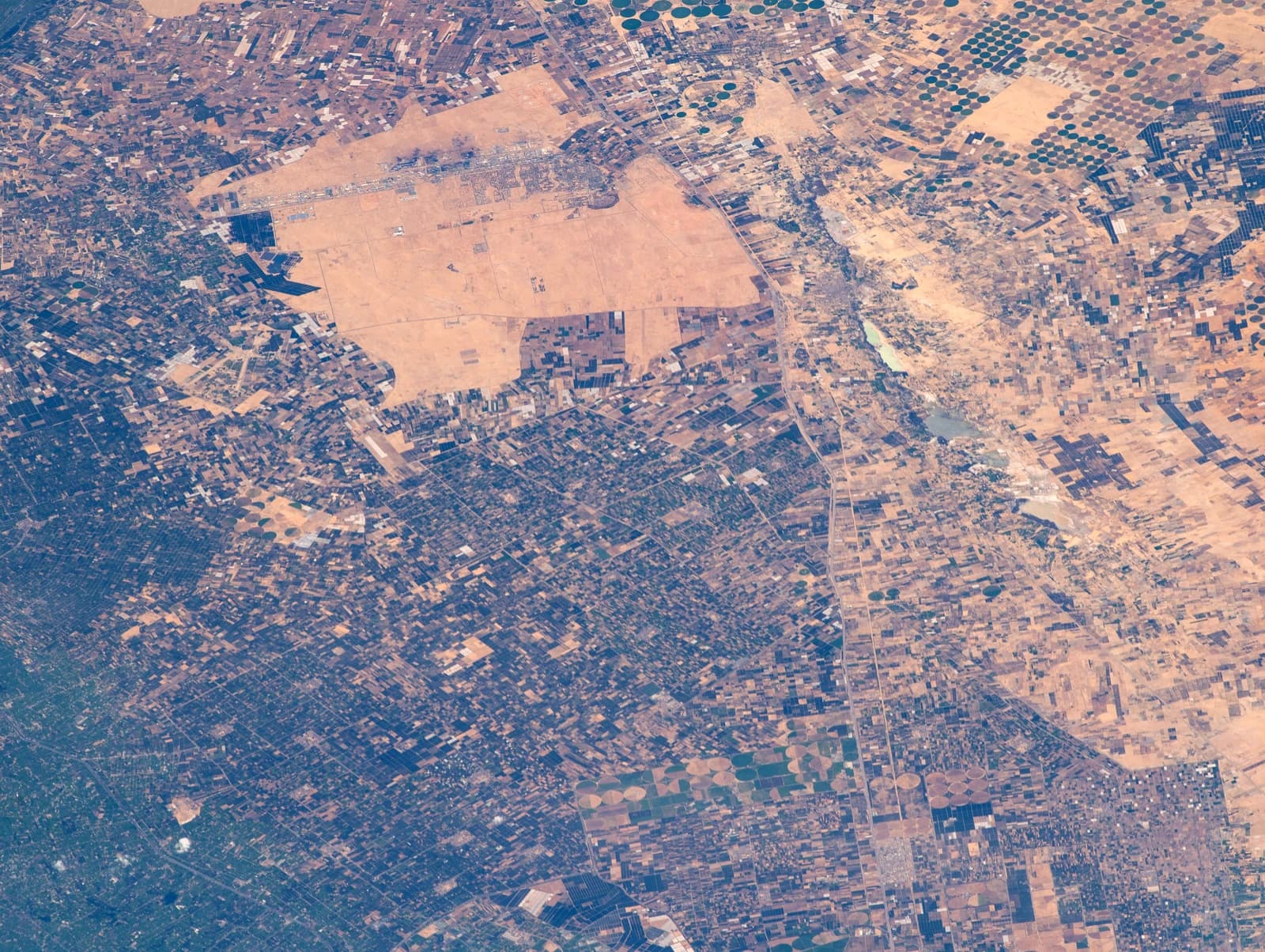
Experts say rising temperatures and shifting rainfall patterns linked to climate change are already making key food crops harder to grow, a problem that matters acutely in Egypt, where the state is expanding farmland across the New Delta, Toshka and Sinai. The government says about 4.5 million acres are being developed, underscoring how much pressure is building on productivity gains to offset land and water constraints.
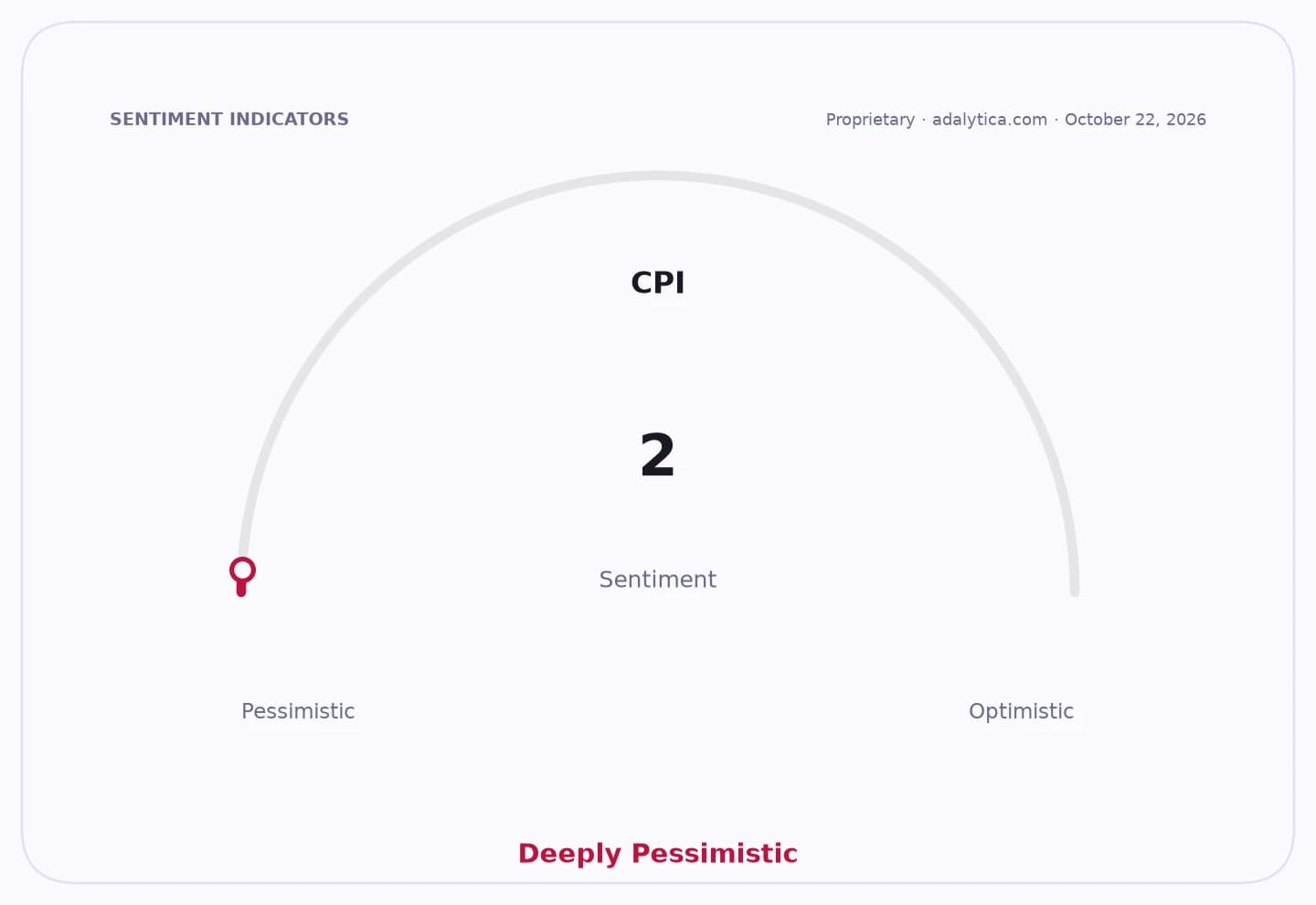
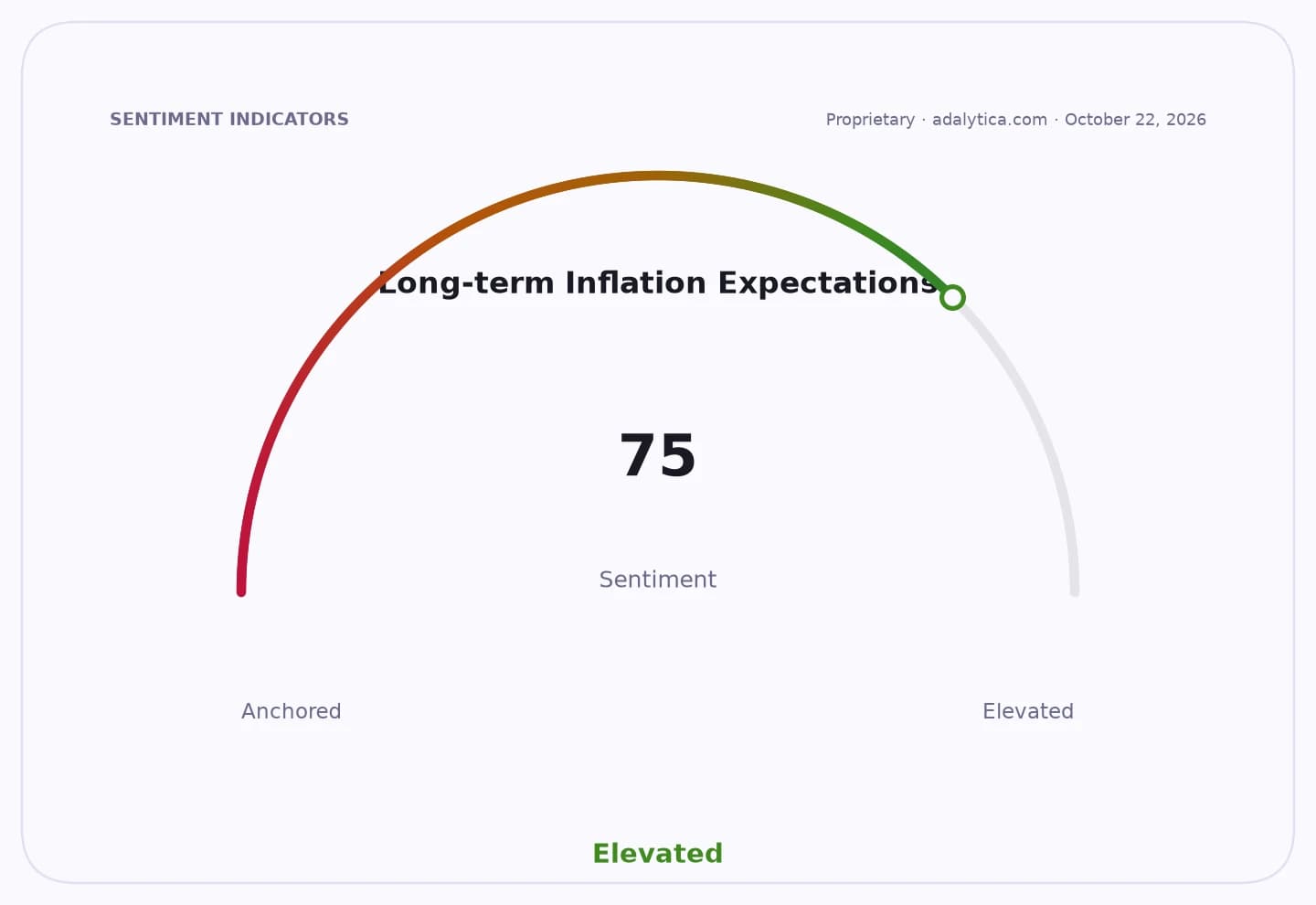
Sentiment IndicatorsⓘProprietary · adalytica.com · October 22, 2026
This is a snapshot — live sentiment, awareness and momentum for 130+ markets update continuously in the dashboard.Open AlphaPulse
That tension helps explain why cotton remains strategically important even as food crops take priority. Cotton can earn foreign exchange and support farm incomes, but a stronger push toward cash crops can also intensify competition for water, labor and arable land that Egypt needs for wheat and other staples.
The market has already been paying attention to the food-side consequences. Corn futures are trading at 17.78, down from a recent high of 20.27, while wheat futures have eased to 22.84 from a peak of 26.96, though both remain well above levels seen earlier in the year. The broader DBA agriculture ETF is at 27.92, suggesting investors are still pricing in elevated but volatile crop markets rather than a clean break lower.
Technical readings point to short-term weakness in the grain trade. Corn’s relative strength index is 26.8 and wheat’s is 24.4, both in oversold territory, while each sits below its 50-day moving average. That leaves the market vulnerable to sharp swings if weather, policy or planting expectations change.
The inflation backdrop also keeps the issue relevant well beyond farm prices. U.S. consumer prices and producer prices remain elevated versus pre-pandemic levels, and food security strains in import-dependent countries can feed into broader cost pressures and subsidy bills. For Egypt, that means the agricultural program is not just about output, but about social stability and the government’s balance of payments.
The next flashpoints are likely to be harvest results, water availability and any further state intervention on farm prices or crop procurement. If Egypt can lift output without squeezing food production, it strengthens its macro position; if not, the country risks deeper dependence on imports just as climate stress makes global supply less reliable.
| Entity | Gains | Losses |
|---|---|---|
| Egyptian government | ▲Harder food-supply buffers | ▼Budget pressure, execution risk |
| Cotton farmers | ▲Higher crop support, sales access | ▼Less land for staples |
| Wheat importers | ▲None | ▼Higher food import dependence |
| Grain bulls | ▲Weather-driven upside | ▼Demand concerns, oversold reversal risk |