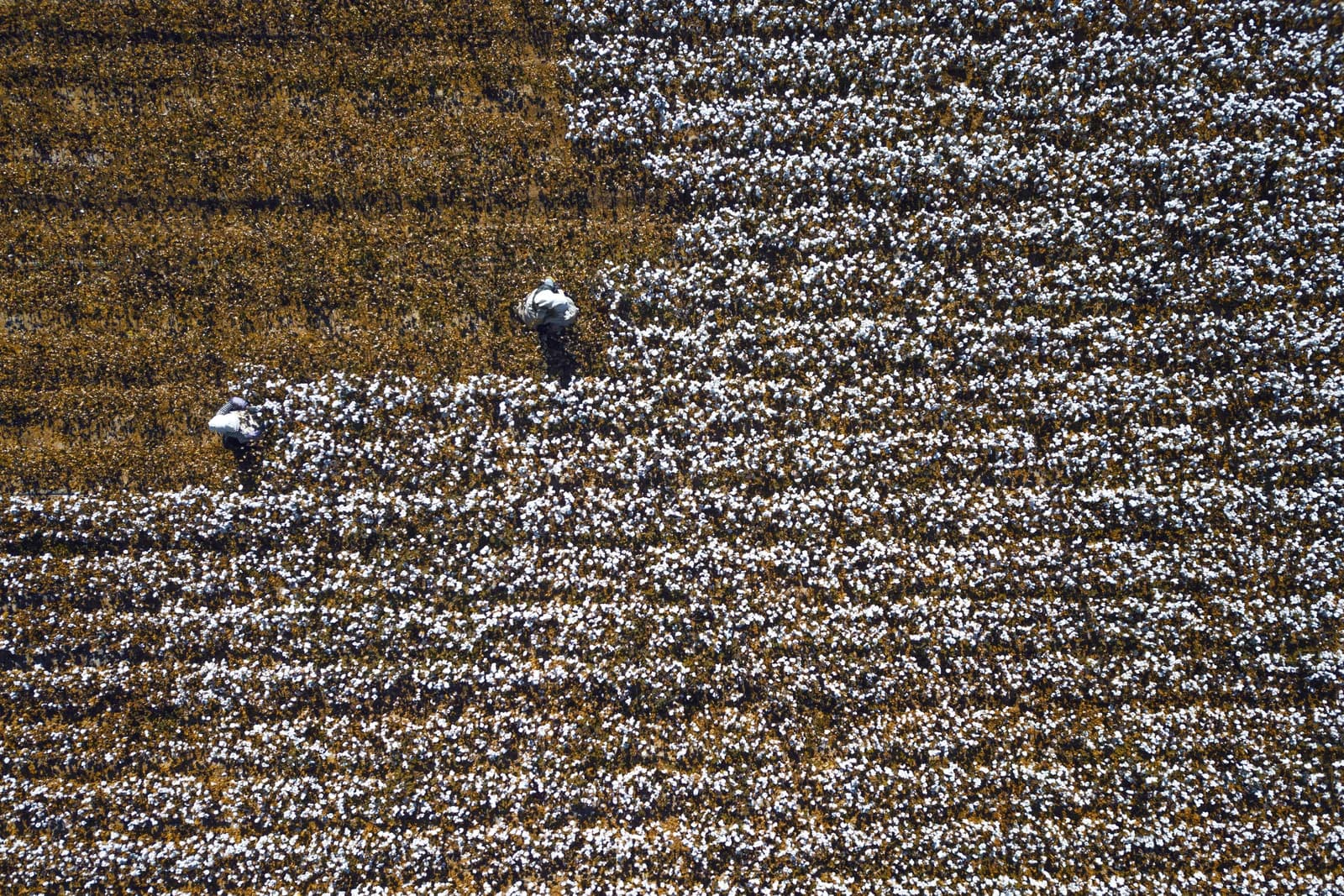
Egypt’s agriculture directorates have tightened rules for this season’s cotton deliveries, barring collection centers from charging farmers any fees as the country moves to market a bigger crop and protect cash returns to growers.
Egypt Cotton Delivery Rules Tightened for Farmers

That matters because cotton is still a meaningful rural income source in Egypt, and the way the crop is collected and priced can decide whether farmers see a fair return or get squeezed by middlemen and informal charges. Authorities said the planted area rose to about 201,000 feddans this season from 195,000 a year earlier, reinforcing the need for a clean procurement system as volumes edge higher.
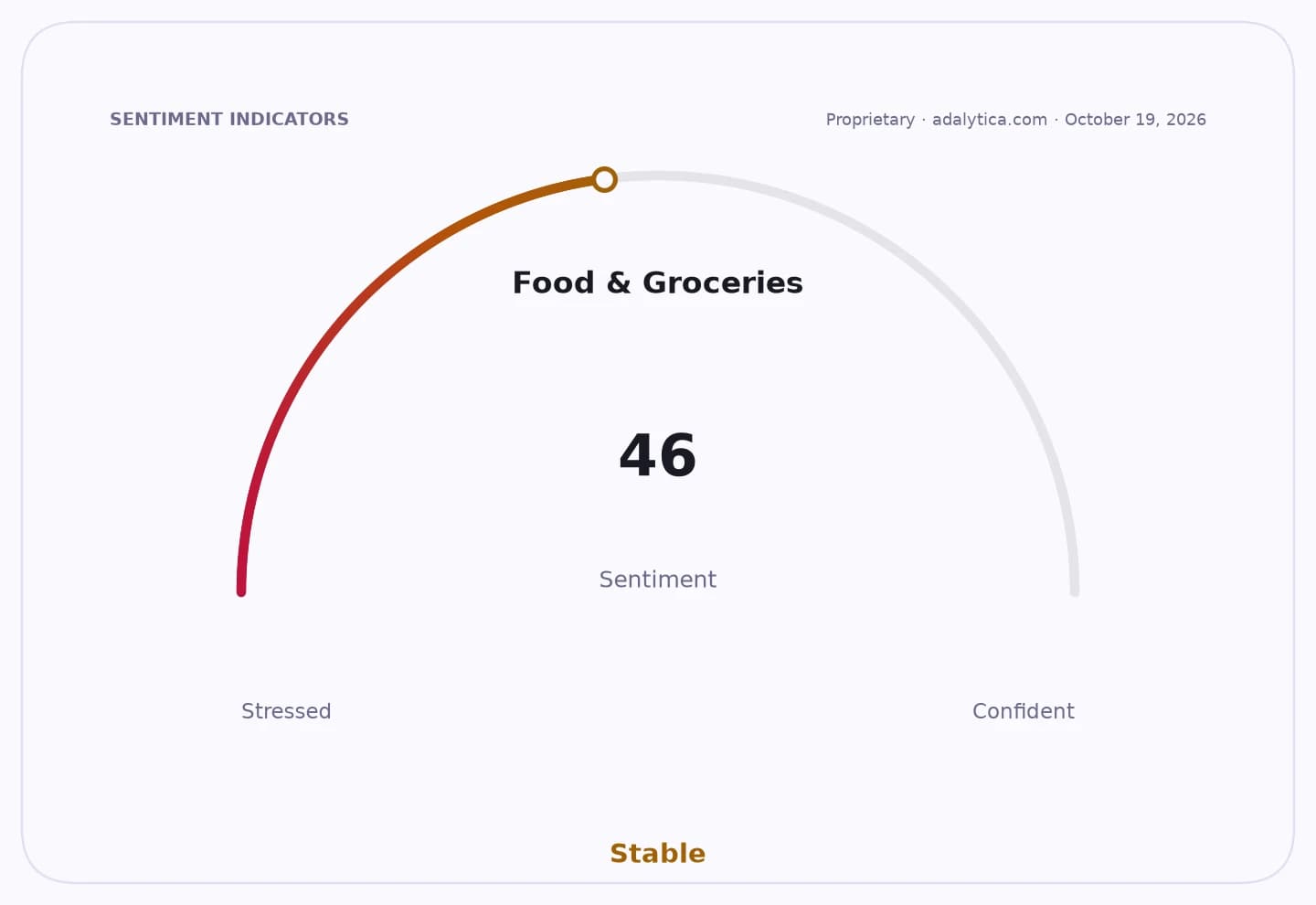
Sentiment IndicatorsⓘProprietary · adalytica.com · October 22, 2026
This is a snapshot — live sentiment, awareness and momentum for 130+ markets update continuously in the dashboard.Open AlphaPulse
The new instructions require each farmer to deliver only to the designated collection center listed in official records, and to appear in person during weighing so the crop can be checked against national ID and agricultural registry data. Officials also told the scale operator not to take any money beyond the officially approved fee, and ordered collection centers to post those rules clearly on site.
For investors, the significance is less about a single administrative notice than about what it says regarding the discipline of Egypt’s cotton supply chain. A more transparent intake process can help reduce disputes, improve traceability and support auction pricing, all of which matter when exporters are trying to sustain the sector’s recent momentum. Egyptian cotton exports have already benefited from stronger global demand and more flexible pricing, with one report saying 8 trading companies captured about $26 million in shipments from Sept. 1 to Oct. 11.
That export picture is important because cotton is one of the country’s better-known agricultural brands and a source of hard currency at a time when inflation remains elevated. Egypt’s latest consumer price data showed annual inflation still running above 336, highlighting why any sector that can bring in dollars and lift farm income carries wider economic value.
The policy backdrop also suggests the government wants to avoid the kind of friction that can discourage farmers from bringing crops to formal channels. By insisting on documented deliveries, clear fees and direct farmer participation in weighing, officials are trying to keep the trade organized ahead of the next round of auctions, which sources said could start in the Nile Delta in November, followed by sessions in Upper Egypt in the coming days.
For long-term investors, the message is straightforward: a better-regulated cotton market is usually better for exporters, ginners and the broader agricultural economy than a messy one. The near-term focus will be on whether the tighter rules keep farmer confidence intact and support another strong export season. Worth watching.
| Entity | Gains | Losses |
|---|---|---|
| Farmers | ▲clearer rules, fewer unauthorized charges | ▼less room for informal payments |
| Collection centers | ▲more orderly intake process | ▼tighter oversight, fee restrictions |
| Cotton exporters | ▲better traceability, steadier supply | ▼potential friction if rules slow deliveries |
| State authorities | ▲stronger control over the market | ▼added enforcement burden |