Morocco’s rice sector is running into a commercial bottleneck that threatens this year’s crop, with mills and packers refusing to buy new paddy until prices are cut and import competition is curbed.
Morocco rice mills block paddy buying over prices
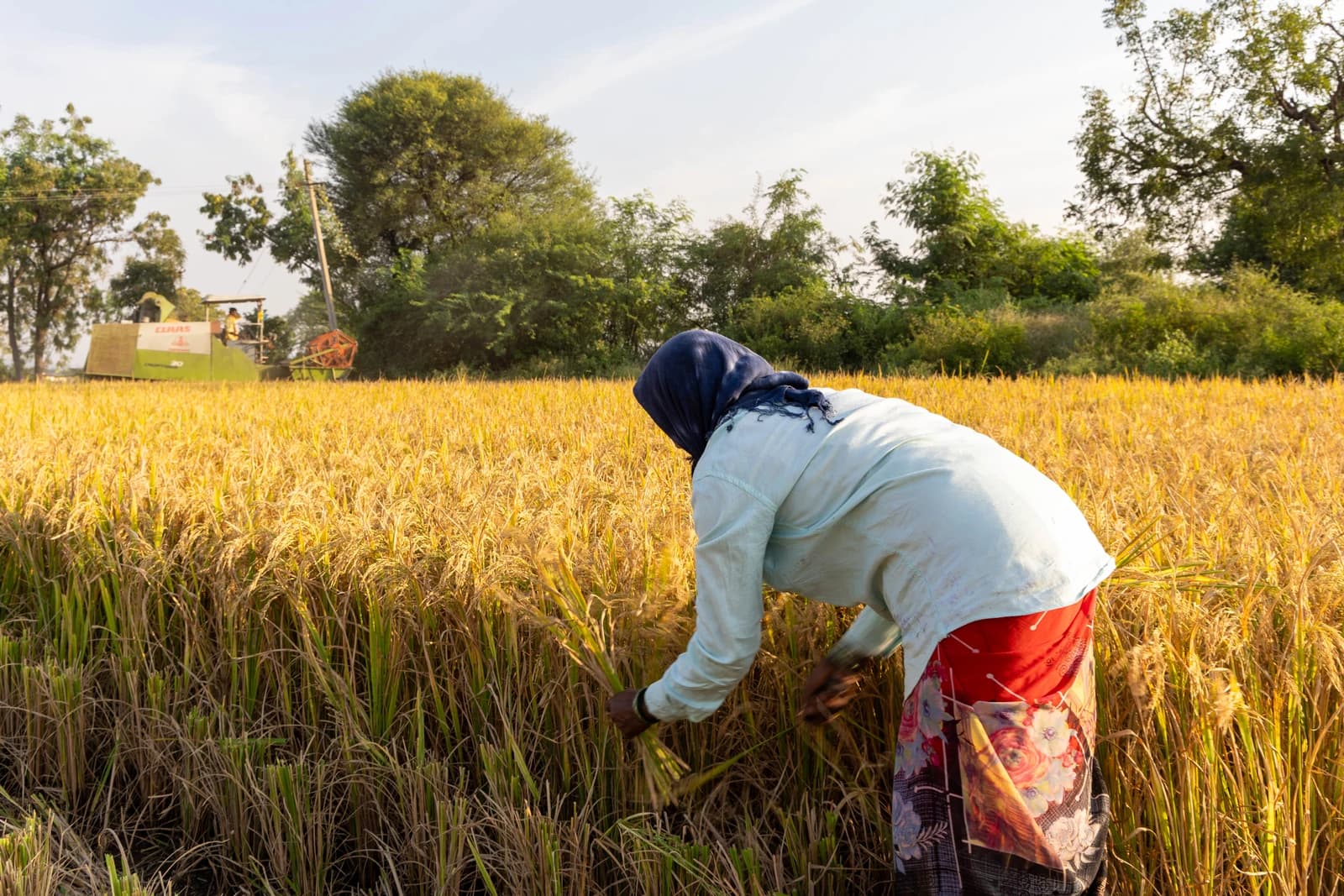
The immediate risk is not production alone but marketability. Producers and industrial groups met in Larache to try to salvage the current season, yet left without agreement on how to harvest and sell the crop, particularly in the Gharb region, according to local reports. About 6,000 hectares are still waiting to be harvested because mills are reluctant to take on fresh volumes before a pricing deal is reached.
That standoff matters economically because rice is now caught between high domestic supply costs and a market flooded by imports, especially from Egypt. Millers say they are already holding large inventories they cannot move, which is squeezing working capital and preventing them from buying local output. Farmers, meanwhile, are resisting lower sale prices, creating a classic margin squeeze in which neither side can clear the crop at acceptable economics.
The longer the impasse lasts, the greater the risk that weather becomes a financial variable. Sources cited by Hespress warned that delayed harvesting could expose the crop to rain damage, adding another layer of loss for growers and professional associations. In a sector with relatively narrow margins, a spoiled harvest can quickly turn a pricing dispute into a balance-sheet problem for both farms and processors.
For investors and policymakers, the episode is a reminder that Morocco’s agricultural supply chains remain vulnerable to import pressure and weak coordination between producers and industry. Mills need protection or margin relief to keep buying domestically; farmers need price support or guaranteed off-take to avoid selling below cost. The market is effectively waiting on a government response, with sector participants hoping the next cabinet will address import volumes and give priority to local production.
The September warning from ANARIZ that processors could not buy and pay for the 2026 crop because of excessive stocks underscores that this is not a one-off dispute. It points to a structural marketing problem: when imports rise faster than the sector can absorb them, domestic output loses pricing power even before it is harvested. Unless the government tightens import management or brokers a floor price mechanism, the near-term winner is imported rice and the losers are Moroccan growers, mills and rural incomes.
| Entity | Gains | Losses |
|---|---|---|
| Imported rice suppliers | ▲Greater market share | ▼None |
| Moroccan mills and packers | ▲Potentially lower input prices if imports remain cheap | ▼Inventory overhang, weak sales |
| Moroccan rice farmers | ▲Possible policy support | ▼Lower farmgate prices, delayed harvest |
| Consumers/importers | ▲More supply options | ▼Domestic production stability |