Ukraine’s record grain surplus is pushing farm-gate wheat prices below production costs, but consumers are still not getting cheaper bread or sunflower oil because transport, energy, labor and currency pressures are eating up the savings.
Ukraine grain surplus keeps bread prices high
That mismatch matters economically because food inflation in Ukraine is being driven less by raw grain and more by the cost of moving, processing and financing it. It also matters for investors and traders because the export bottleneck is squeezing farmers’ margins, reducing hard-currency inflows and raising the risk of weaker planting and output in 2027.
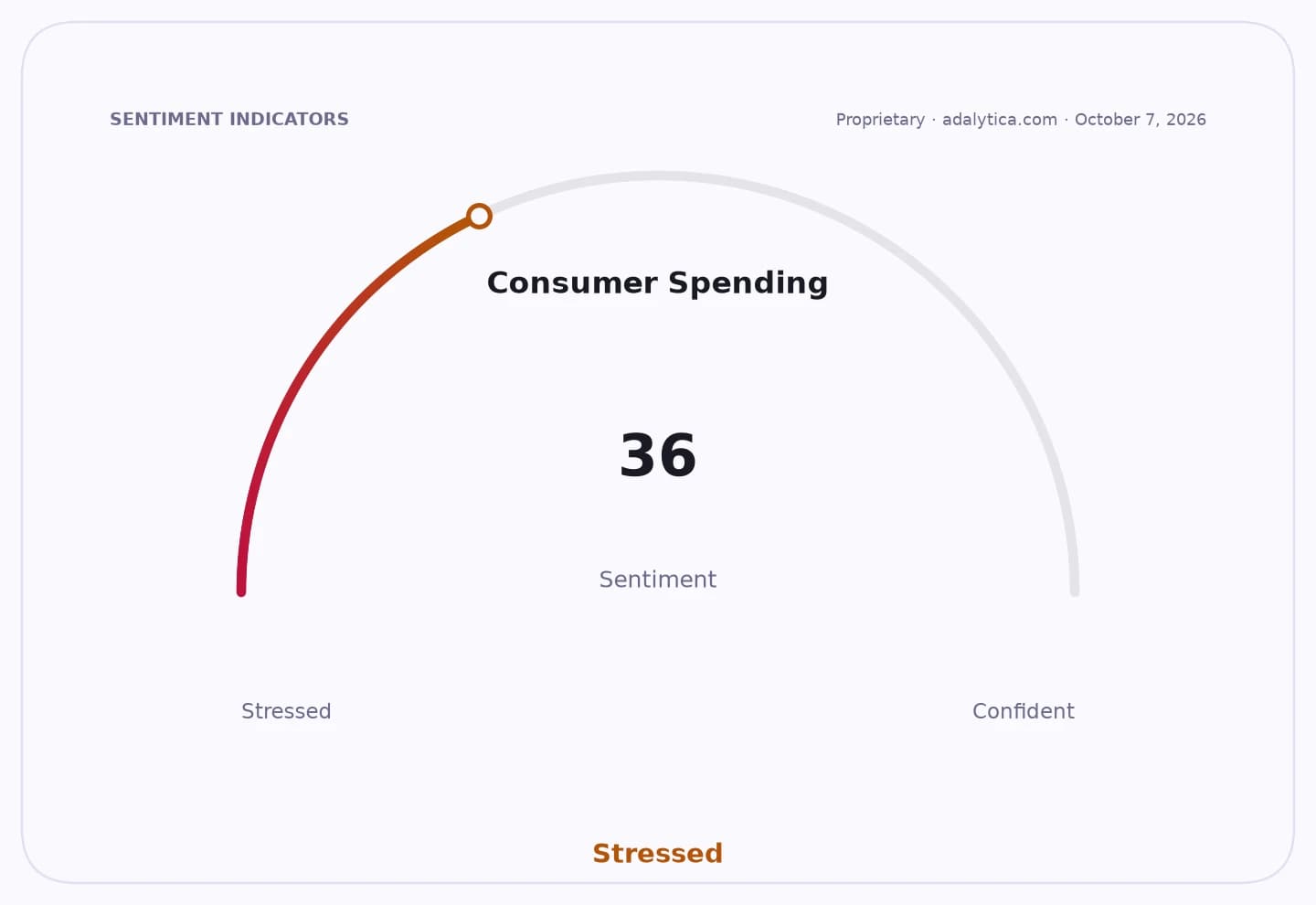
Sentiment IndicatorsⓘProprietary · adalytica.com · October 18, 2026
This is a snapshot — live sentiment, awareness and momentum for 130+ markets update continuously in the dashboard.Open AlphaPulse
Asembers of the market had expected abundant harvests to translate into lower retail prices. Instead, Ukraine is sitting on full warehouses, with wheat offered domestically at about $120-$130 a ton, roughly 30% below production cost, while the country struggles to move only about 46% of its September export capacity, or 2.4 million tons versus the roughly 5 million tons needed.
The arithmetic is harsh. Wheat accounts for only 10% to 15% of a loaf’s final price, while flour makes up about 35% of bread production costs, leaving most of the bill to energy, wages, fuel, packaging and distribution. Even as flour has fallen about 15%, bakers say the rest of their input basket has moved the other way, leaving average bread costs little changed and likely 3% to 5% higher by year-end.
Sunflower oil is following the same pattern. Seed prices have slipped to 18,000-20,000 hryvnias a ton, but processors say rail, port and road logistics, expensive power and fuel, and tight export visibility are preventing any meaningful retail discount. The industry says the lack of a maritime corridor could cut oil exports to about 300,000 tons from around 500,000 tons, even as each wagon of oil brings in roughly seven times more foreign currency than a wagon of grain.
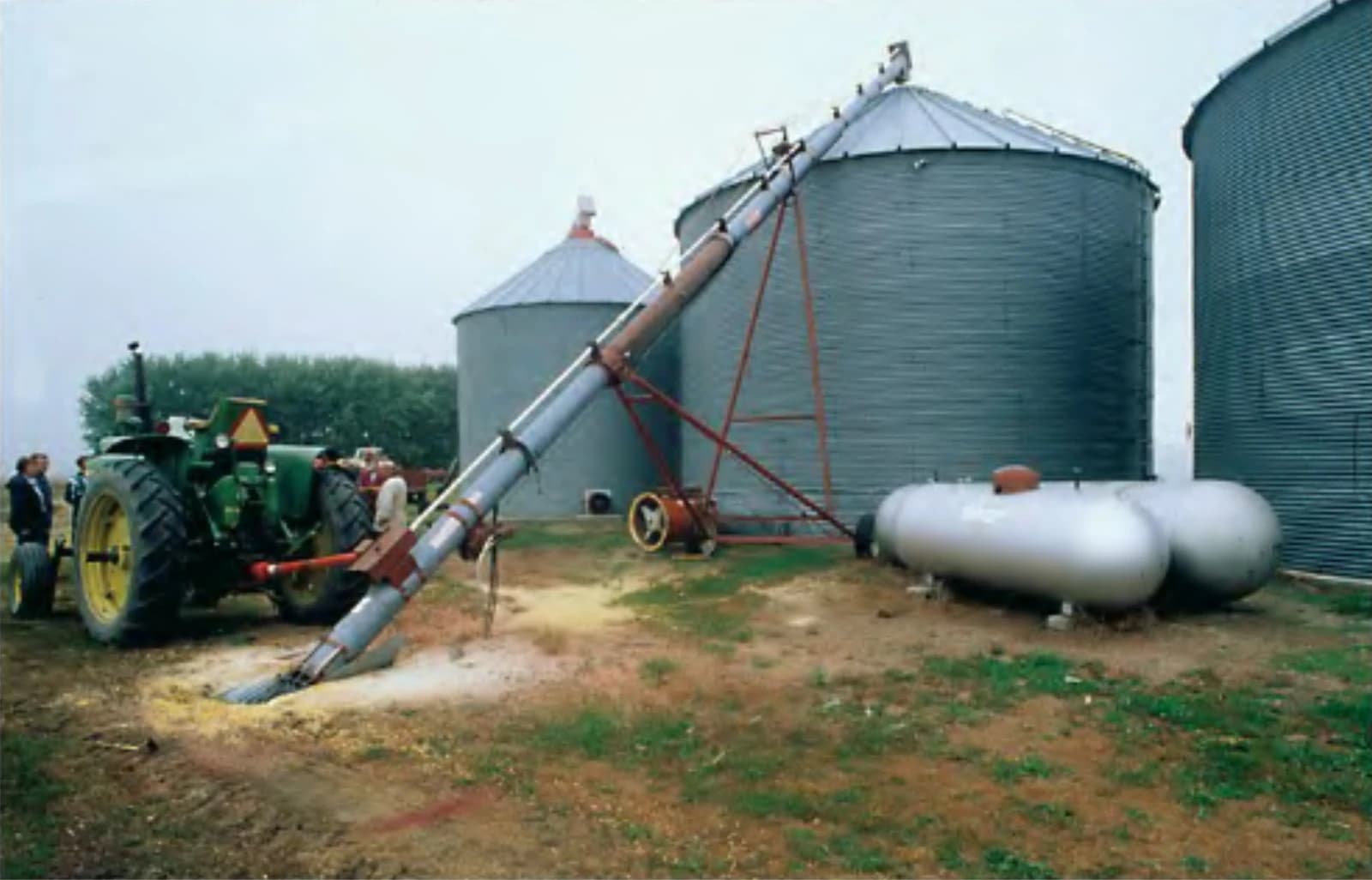
The bottleneck is also distorting the broader agri-economy. Storage costs are up 10% to 50% on leased elevators, some farmers are already using polymer bags, and 3% to 5% of grain could be lost to quality deterioration. On the export side, barge transport from Danube ports to Constanta has jumped to more than $40 a ton from $10-$13, while total logistics costs are estimated to have risen by $50-$70 a ton, and even $80-$100 for farms farther from the river.
That is feeding directly into macroeconomics. The National Bank has estimated the export shortfall could cost Ukraine about $2.5 billion in foreign currency revenue, adding pressure to the hryvnia and reinforcing food inflation even if the central bank keeps a tight grip on the exchange rate. A weaker currency raises the local-currency cost of imported goods and services, from fuel to packaged foods, which blunts any benefit from cheaper domestic grain.
For investors, the story is a split screen: cheaper agricultural commodities are not automatically bullish for consumers, and they are not necessarily bearish for processors or transporters when bottlenecks keep end prices elevated. Traders watching grain-linked products, including wheat and corn ETFs, are also seeing conventional technical signals weaken, with WEAT trading below its 50-day moving average and its RSI near 33, while CORN is under pressure with RSI readings around 21, both signs of near-term softness despite the supply glut.
The bigger risk is deferred, not immediate. If farmers keep underinvesting in fertilizer and crop protection because of losses this season, Ukraine could cut planted area by 35% to 40% for the 2027 crop in a worst-case scenario, threatening future yields even if warehouses stay full today. For now, the excess supply is cushioning the domestic market; by next spring, the combination of lower farm spending, higher logistics costs and uncertain export access could leave the market far tighter than it looks now.
| Entity | Gains | Losses |
|---|---|---|
| Ukrainian consumers | ▲Some relief from cheaper raw grain | ▼Little or no drop in retail food prices |
| Farmers | ▲Temporary storage flexibility | ▼Lower margins, cash-flow strain |
| Grain processors and bakers | ▲Cheaper wheat input | ▼Higher energy, fuel and logistics costs |
| Exporters and shippers | ▲Higher freight and handling demand | ▼Squeezed margins from bottlenecks |