Ukraine’s corn market has slipped below the psychologically important 5,000-hryvnia-a-ton threshold, a sign that a fast-rising harvest is colliding with weaker buying interest and pulling spot prices lower across the country.
Ukraine corn prices fall below 5,000 hryvnia

That matters because corn is one of Ukraine’s key export crops and a major source of farm income, so every drop in domestic bids hits producers’ cash flow just as they move more grain onto the market. The Electronic Grain Exchange said purchase prices fell another 300 to 500 hryvnias a ton over the week to 4,500 to 5,000 hryvnias a ton at elevator conditions, while demand prices delivered to Danube terminals slid $10 to $160 to $165 a ton. November delivery bids were even softer at $150 a ton, showing buyers are not rushing to secure nearby supply.
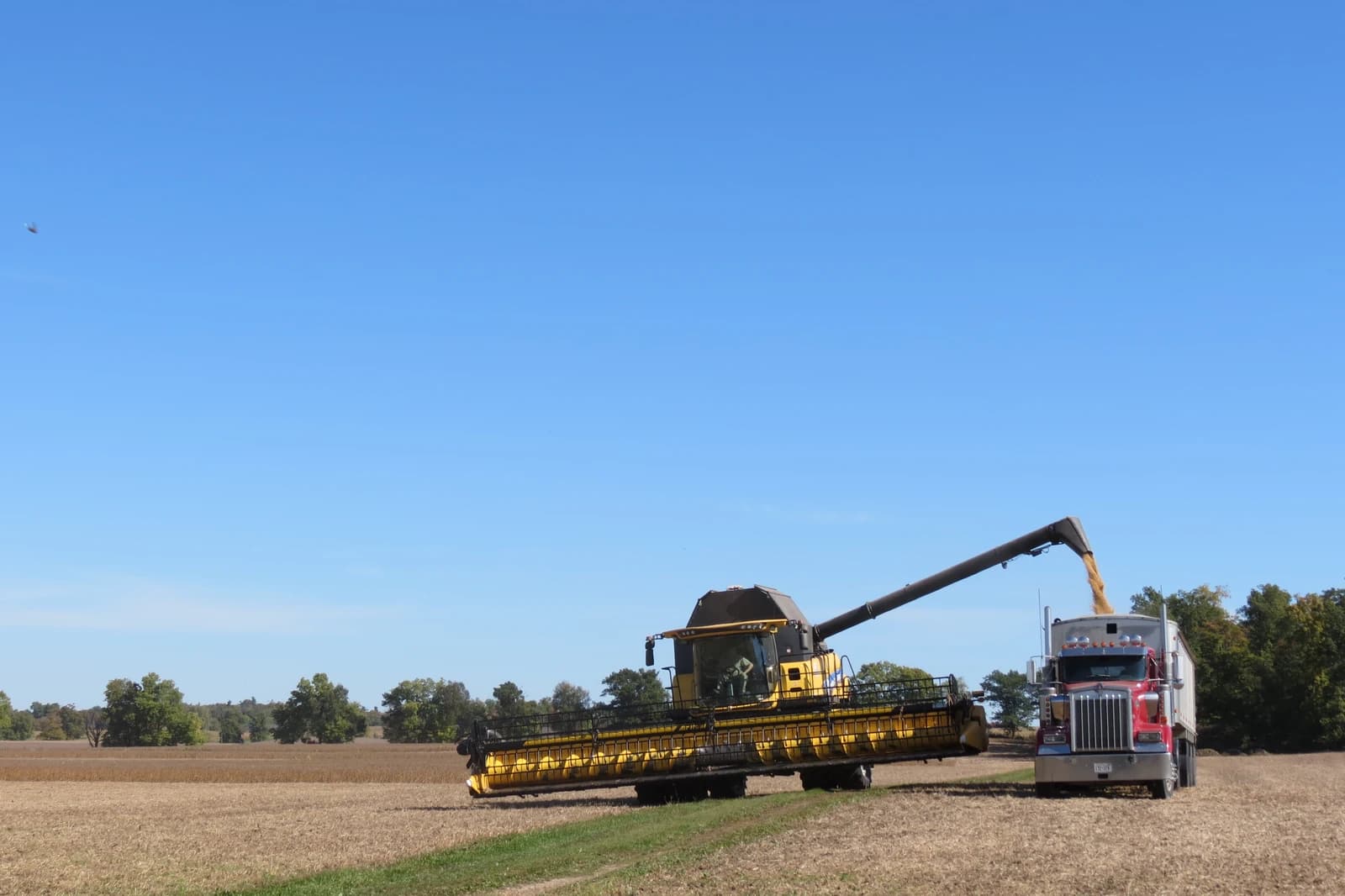
The pressure is being driven by harvest season, not just sentiment. Ukraine’s corn harvest jumped sharply in a single week, with gross output rising from 1.6 million tons to 3.5 million tons, while farmers had threshed 589,400 hectares, or 13% of the forecast area. Average yield remained solid at 59.1 centners per hectare, which means the problem is not crop failure but supply arriving faster than the market can absorb it.
Export geography is helping set the floor. Prices for corn delivered to western terminals held at 8,000 to 8,500 hryvnias a ton, or $165 to $175, while February delivery quotes were still running at $185 to $190 a ton. That spread shows nearby grain is under the heaviest pressure, while later shipment slots retain value because logistics and forward coverage remain tight.
External markets are keeping the decline from turning into a rout. Corn futures in Paris rose 3.2% over the week to 280.75 euros a ton, or about $314, and November contracts climbed to 303 euros a ton, a sign of supply tightness in October. In other words, Ukraine is not facing a demand collapse so much as a temporary glut meeting regional logistical bottlenecks and seasonal selling.
For investors, the message is clear: the market is underestimating how sharply grain pricing can diverge by origin, delivery window and logistics. Producers with storage and access to export corridors may be able to wait out the weakest bids, while traders and processors with nearby physical needs can still face a squeeze later in the season if October supply clears quickly and European prices stay firm.
The bigger trade here is that corn remains a leveraged bet on weather, logistics and harvest timing, not just on global supply headlines. If Paris contracts keep signaling tight nearby availability while Ukrainian farmers keep delivering fresh tonnage, the next move is likely to come from spreads, freight and export execution rather than outright panic in futures. For now, the best opportunity may be in waiting for forced selling to exhaust itself before stepping back into the market.
| Entity | Gains | Losses |
|---|---|---|
| Ukrainian buyers/processors | ▲cheaper raw material | ▼producers’ margins |
| Export terminals/traders | ▲wider origination discounts | ▼near-term inventory values |
| Corn futures in Paris | ▲support from supply tightness | ▼bearish Ukrainian spot spillover |
| Ukrainian farmers | ▲later-sale pricing if storage allows | ▼immediate cash receipts |