Sugar prices in Ukraine are set to edge higher into the end of 2026 as the country’s beet crop shrinks to one of its smallest planted areas in decades, tightening supply even as weak demand and limited exports cap the pace of gains.
Ukraine sugar prices rise on smaller beet crop
That matters because sugar is not just a pantry item in Ukraine; it is a key input for bakeries, dairy processors and canned-food producers, and a shift in farm economics is already filtering through to wholesale pricing. Traders and food manufacturers are watching whether the current balance — fewer beets, lower output, but no outright shortage — turns into a more persistent cost squeeze for the domestic food chain.
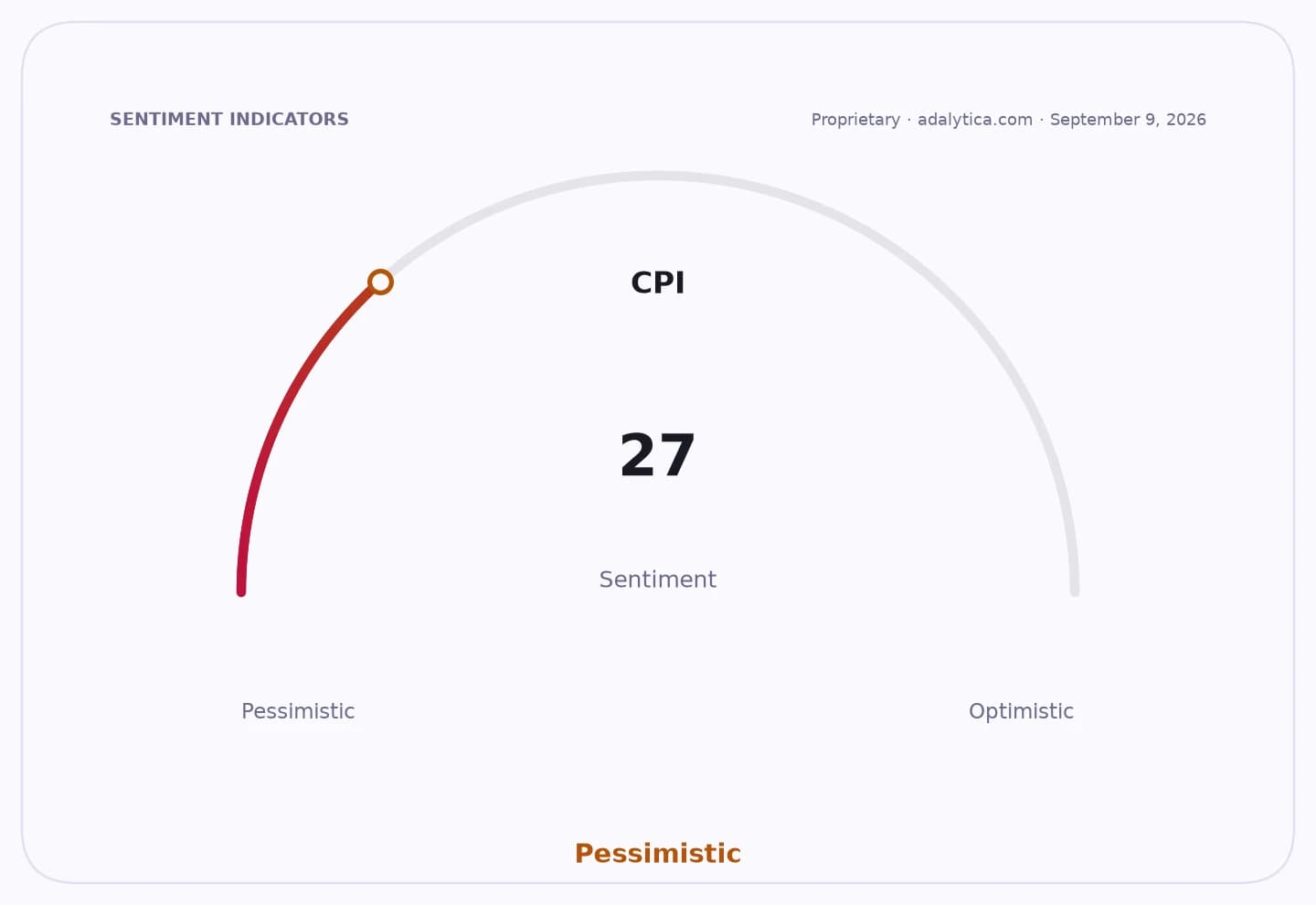
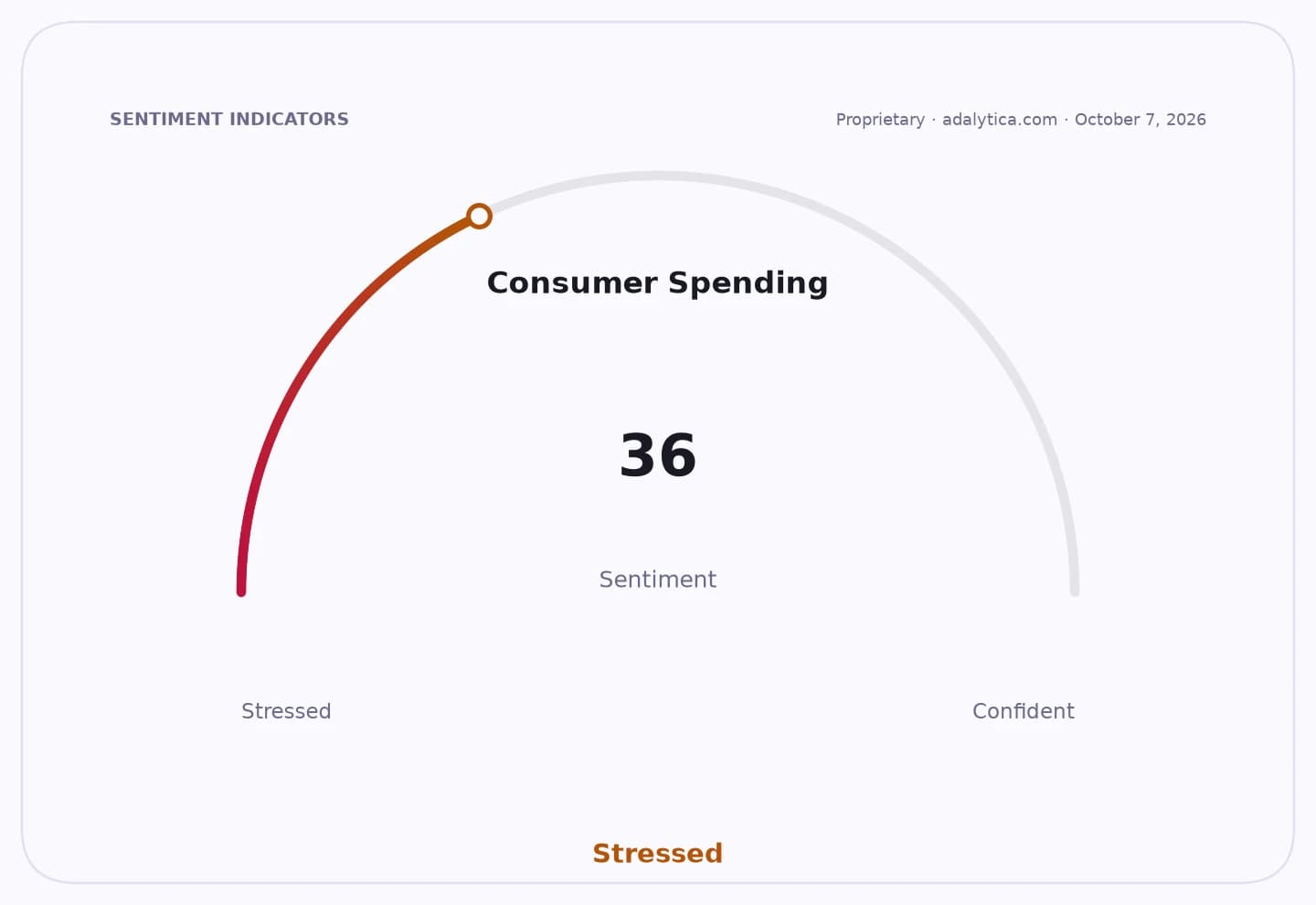
Sentiment IndicatorsⓘProprietary · adalytica.com · October 7, 2026
This is a snapshot — live sentiment, awareness and momentum for 130+ markets update continuously in the dashboard.Open AlphaPulse
Wholesale sugar in Ukraine recently traded at 25,700-27,000 hryvnias a metric ton, up slightly in early October, while product from the 2025 crop was offered cheaper at about 24,800-25,200 hryvnias a ton. Retail prices in supermarkets ranged from 28.49 hryvnias per kilogram in large-pack promotions to as much as 39.50 hryvnias, underscoring how the market has already started to pass through tighter farm supply and higher production costs.
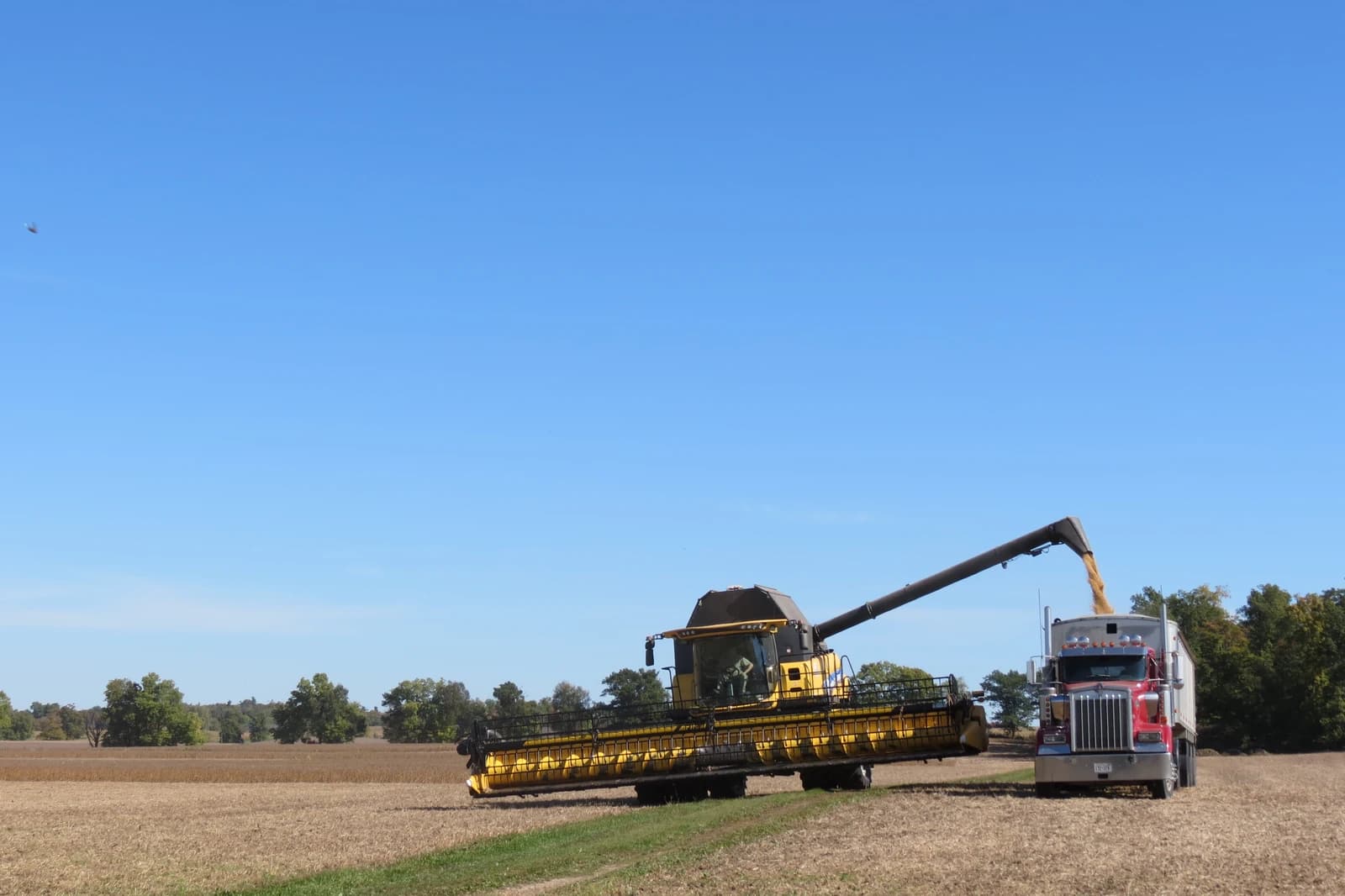
The central driver is the collapse in beet acreage. Researchers at Ukraine’s Institute of Agrarian Economics say planted area fell to a level not seen in roughly 35 years, reflecting high production costs, weaker global sugar prices, smaller export quotas to the EU, poor weather during sowing and the distortions caused by the war. Farmers have also shifted land toward crops that require less capital or offer better margins.
For investors and agribusiness watchers, the key point is that Ukraine is not heading toward a sugar shortage so much as a slower-moving price adjustment. Stocks carried over from previous seasons should prevent a supply shock, but the new crop is expected to be smaller, which supports prices. That leaves the market caught between two forces: tighter production on one side and subdued demand on the other.
The demand side is doing some of the work to restrain inflation. The Ukrainian Agrarian Confederation says buyers remain concentrated in food-processing firms, while traders are purchasing only small lots. Export activity is still muted, which limits upside in the wholesale market and reduces the chance of a disorderly jump in domestic prices.
That dynamic suggests Ukrainian consumers are more likely to face gradual rather than abrupt increases by the end of 2026. For food companies, the risk is margin pressure if they cannot fully pass on higher input costs. For growers, the smaller beet crop may improve farmgate economics if prices stay firm, but only if yields and weather cooperate through the harvest.
Comparisons with global agricultural markets also point to a broader inflation story. The recent firming in sugar mirrors other food commodities that have been sensitive to weather, acreage shifts and trade constraints, even as overall consumer demand remains uneven. In Ukraine, that means sugar is becoming another example of how wartime supply disruptions and changing export conditions are reshaping staple-food pricing.
| Entity | Gains | Losses |
|---|---|---|
| Sugar growers | ▲Higher farmgate prices | ▼Higher input risk |
| Food processors | ▲Stable supply access | ▼Higher ingredient costs |
| Ukrainian consumers | ▲No outright shortage | ▼Gradual price increases |
| Export-oriented sellers | ▲None | ▼Weaker overseas demand |