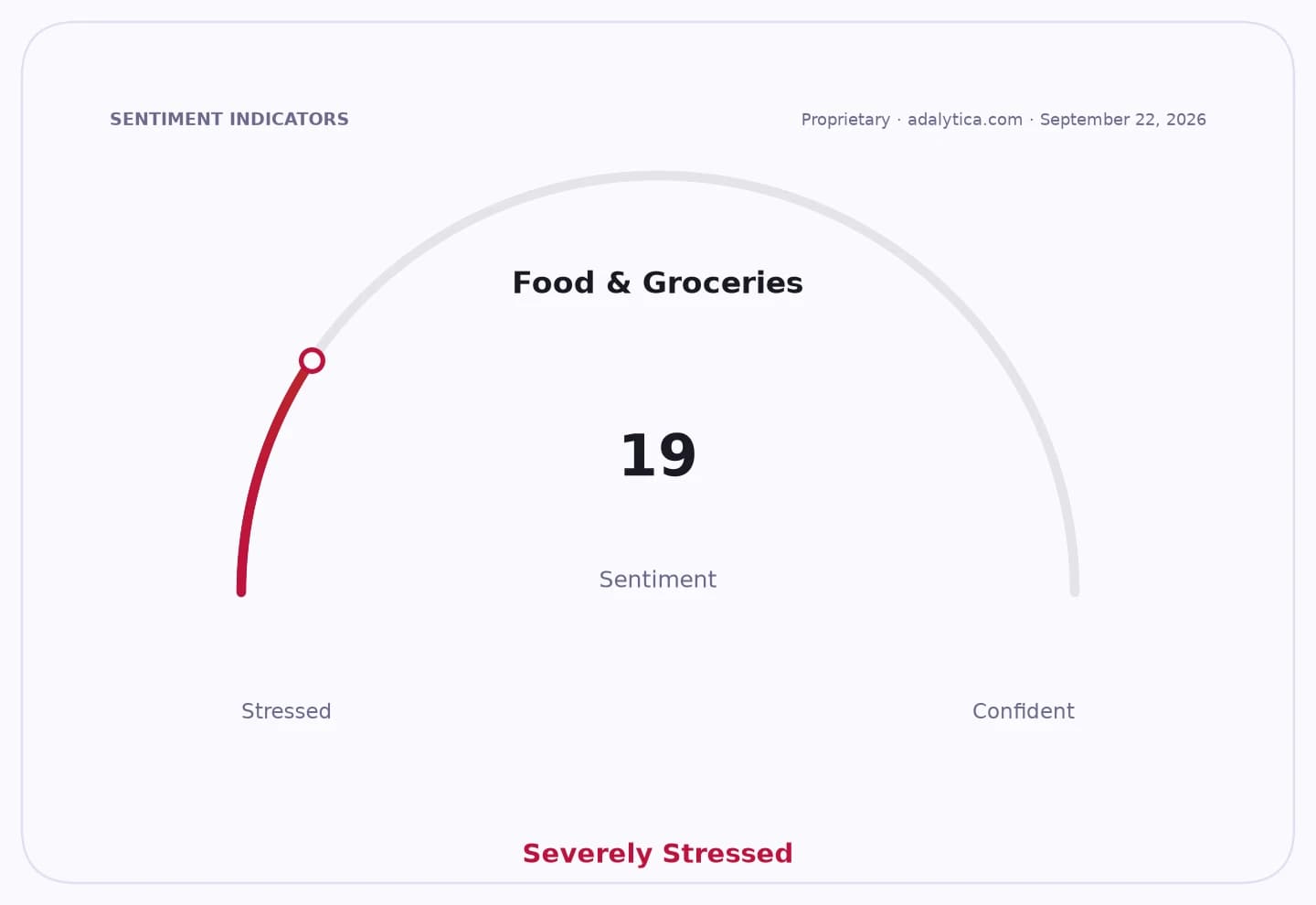
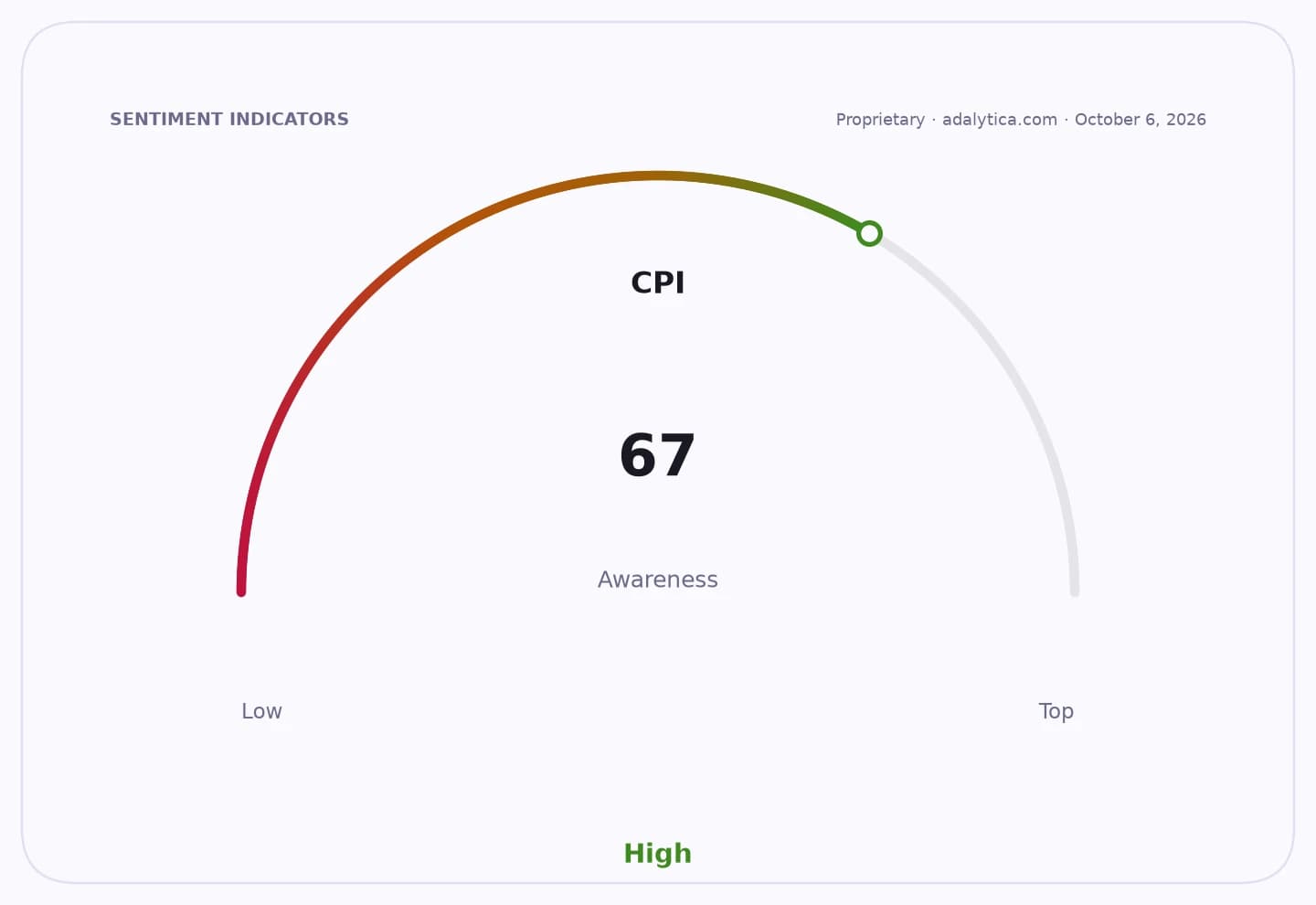
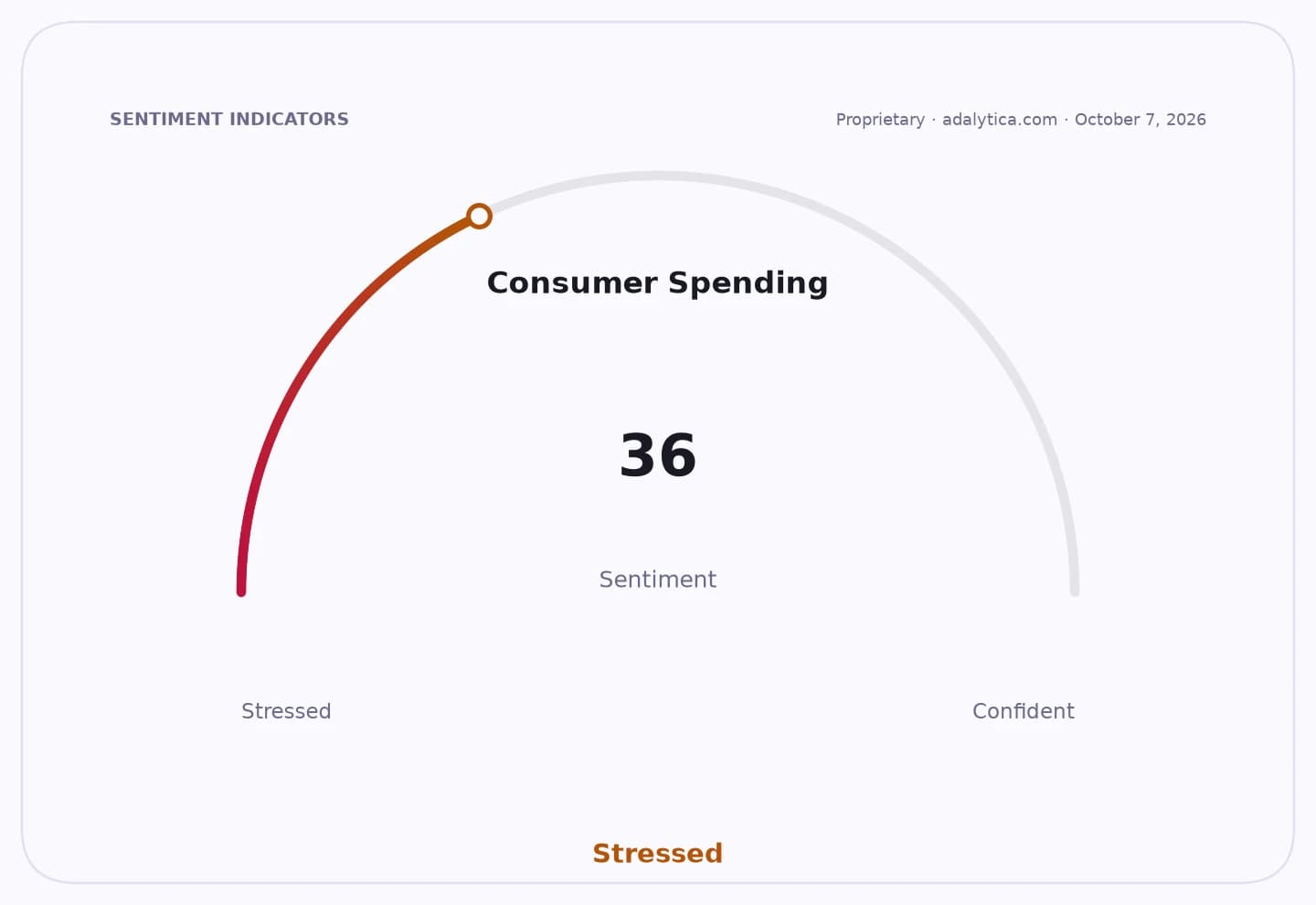
Russia’s food-price picture turned more uneven in the latest week, with chicken eggs and poultry getting more expensive faster even as the decline in fruit and vegetable prices slowed, underscoring the stickiness of food inflation in a basket that remains politically sensitive and hard for households to escape.
Russia food inflation stays uneven in latest week
The acceleration in egg prices to 2.2% in the week through Oct. 5 from 1.9% a week earlier matters because eggs are a staple item and a visible gauge of consumer pressure. Chicken meat rose 0.5% over the same period, extending year-to-date gains of 10.6% for eggs and 14% for poultry, according to the statistics service. For Russian policymakers, that combination is more than a food-market footnote: it complicates efforts to steady headline inflation and preserve real purchasing power at a time when food still dominates household budgets.
Sentiment IndicatorsⓘProprietary · adalytica.com · October 9, 2026
This is a snapshot — live sentiment, awareness and momentum for 130+ markets update continuously in the dashboard.Open AlphaPulse
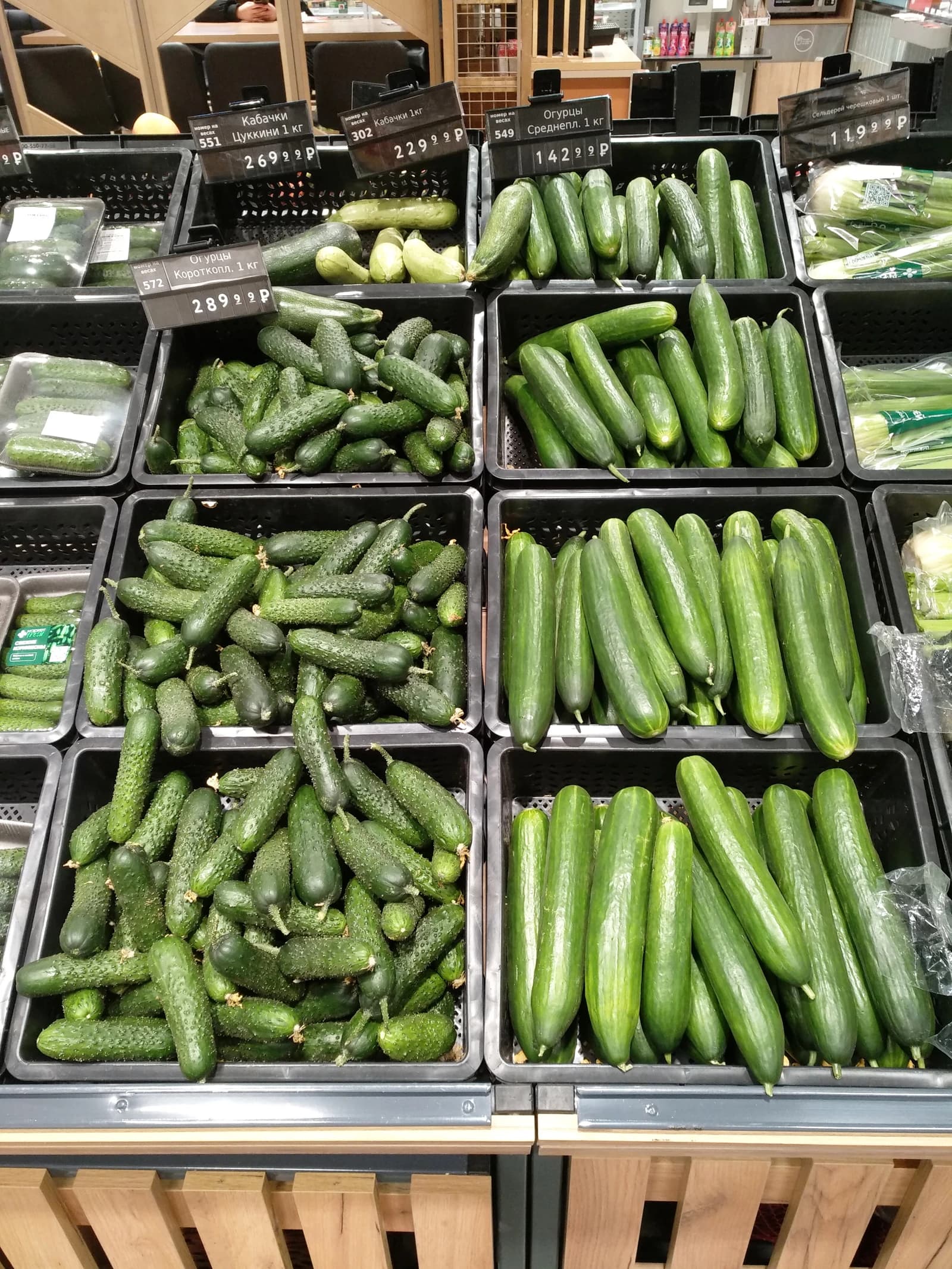
The other important shift was on the supply side of the grocery basket. Fruit and vegetables fell 0.6% on the week, but that was only half the prior pace of decline. Potatoes and onions dropped 2.3%, apples were down 2.2% and cabbage fell 1.5%, yet tomatoes rose 3.7% and bananas 0.8%. That mixed picture suggests seasonal relief is fading in parts of the produce aisle even as some items continue to cheapen. The result is a slower disinflation impulse from fresh produce just as pressure in protein remains firm.
The broader context is that Russia’s food prices are no longer moving in one direction. Food overall has risen 5.2% this year, while fruit and vegetables are still down 8.8% for 2025, indicating that earlier seasonal declines have masked persistent inflation in other categories. Meat and vegetable baby food also increased in the latest week, while sugar slipped 0.5%, reinforcing the sense of a fragmented market rather than broad-based relief.
For investors, the significance lies less in the weekly numbers themselves than in what they imply for policy and consumer behavior. Persistent food inflation can keep pressure on the central bank to maintain a tight stance for longer, even if the broader economy is slowing. It also matters for Russian retailers, poultry producers and agribusinesses, where pricing power, feed costs and supply-chain constraints can shape margins. In agricultural markets more broadly, the move reinforces the case for staying alert to food-price volatility, especially in staples that feed directly into inflation expectations.
The near-term question is whether the latest pattern marks a temporary wobble or the start of a more durable floor under food prices. If produce deflation continues to slow while eggs and poultry stay elevated, Russia’s consumer inflation mix could become less benign heading into the next inflation readings, leaving policymakers with fewer offsets and households with less room to absorb shocks.
| Entity | Gains | Losses |
|---|---|---|
| Russian poultry producers | ▲Higher pricing power | ▼Consumer backlash risk |
| Russian households | ▲Cheaper vegetables in parts of basket | ▼More expensive staples |
| Policymakers | ▲Clearer inflation read-through | ▼Harder disinflation path |
| Retailers | ▲Pass-through opportunities | ▼Margin pressure on staples |