Cotton millers in India are pressing the Cotton Corporation of India to hold enough fiber in reserve, arguing that a China-style stockpile would steady yarn prices and give the textile industry a better chance to survive a period of weak margins and old equipment.
India cotton mills press for CCI stockpile

The request matters because cotton is the raw material that sits at the heart of India’s textile export machine, especially around Tirupur, a hub for knitwear and apparel shipments. If cotton prices swing too sharply, mills cannot lock in costs, yarn becomes harder to price, and the pressure quickly moves down the chain to garment makers and exporters. Stable cotton supply is not just a farm issue; it is a competitiveness issue for one of India’s biggest labor-intensive industries.
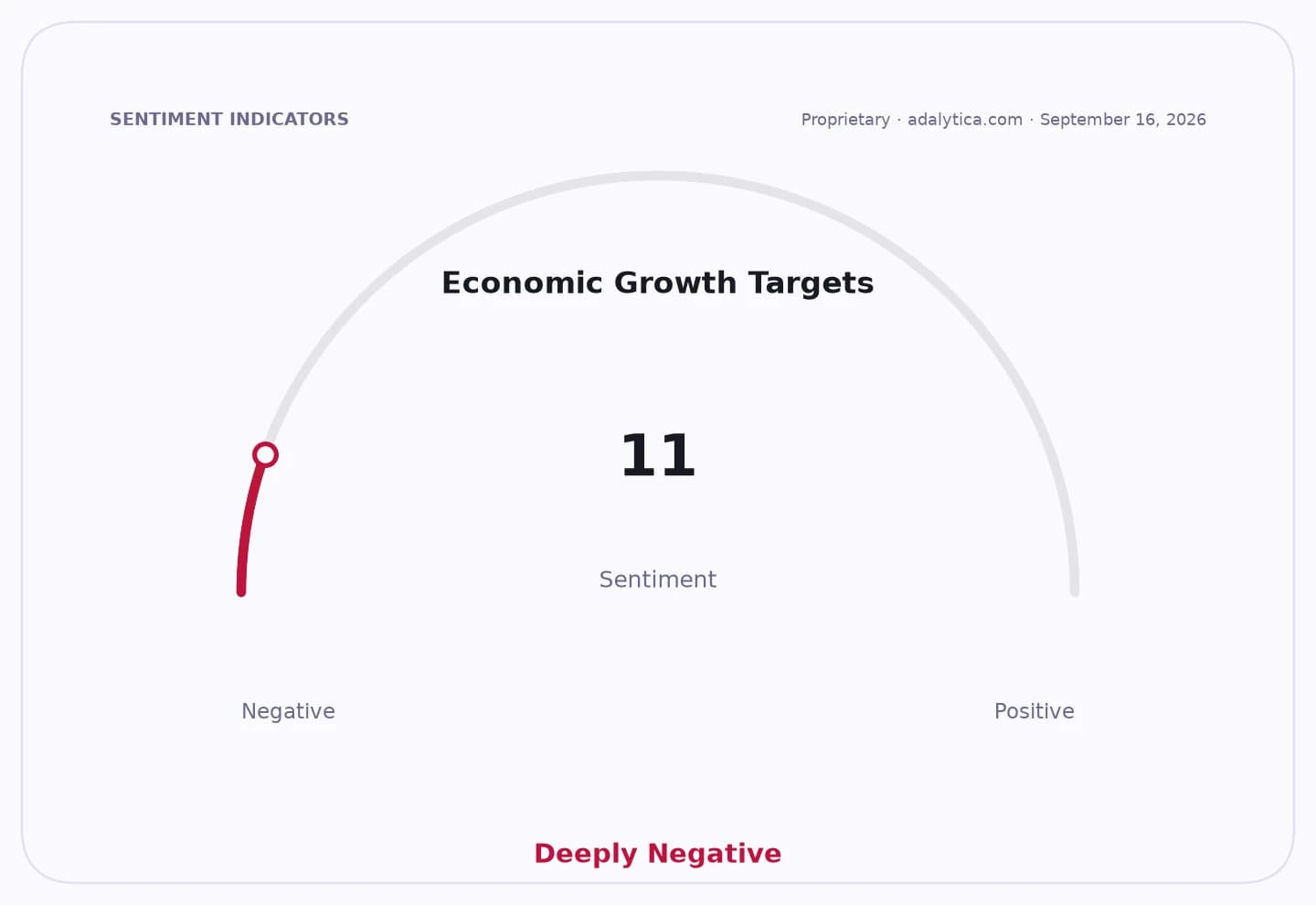
Sentiment IndicatorsⓘProprietary · adalytica.com · September 27, 2026
This is a snapshot — live sentiment, awareness and momentum for 130+ markets update continuously in the dashboard.Open AlphaPulse
Trade groups in Tirupur say the CCI should keep enough cotton to cover roughly a year’s demand and sell it directly to mills rather than to international traders. They argue that the current approach is pushing prices up day by day, forcing spinners to lift yarn prices and squeezing already fragile balance sheets. They also want the government to permanently remove the 11% import duty on cotton, which they say would give mills a cheaper backstop when domestic supply tightens.
That plea lands at a delicate moment for the wider economy. India’s cotton crop has been hurt in some regions by drought, while mills say much of the spinning sector still runs on older machinery and has not modernized fast enough over the past decade. If raw material costs remain elevated, mills with weak productivity have less room to absorb the hit, which can slow orders, cut margins and weaken export competitiveness just as buyers are looking for reliable supply chains.
For investors, the key question is who can pass through higher costs and who cannot. Spinning mills, fabric makers and apparel exporters with limited pricing power face the most pressure if cotton stays tight. Exporters with stronger brands, efficient plants or diversified sourcing are better positioned. Cotton growers, by contrast, may benefit from firmer prices, but only if policy does not flood the market with reserves or imported fiber.
The broader story is that India is being asked to choose between market pricing and strategic inventory management. China’s reserve model is being held up as proof that stockpiles can smooth volatility and protect downstream manufacturing. If New Delhi leans in that direction, it could reduce short-term pain for mills, but it would also deepen the government’s role in one of the country’s most important commodity markets.
For long-term investors, this is worth watching closely. A stable cotton supply chain would support the textile sector’s ability to plan, invest and compete. But unless mills modernize and the industry improves working capital discipline, reserves alone will not fix the structural weakness. The best outcome is probably a more balanced market — one that keeps cotton available, keeps prices orderly and gives India’s textile exporters a steadier platform for growth.
| Entity | Gains | Losses |
|---|---|---|
| Cotton mills | ▲steadier input costs | ▼less pricing chaos |
| CCI/government stockpiles | ▲supply-control role | ▼criticism over pricing |
| Textile exporters | ▲more predictable margins | ▼weaker if cotton rises |
| Cotton growers | ▲firmer farm prices | ▼downside if imports/reserves cap gains |