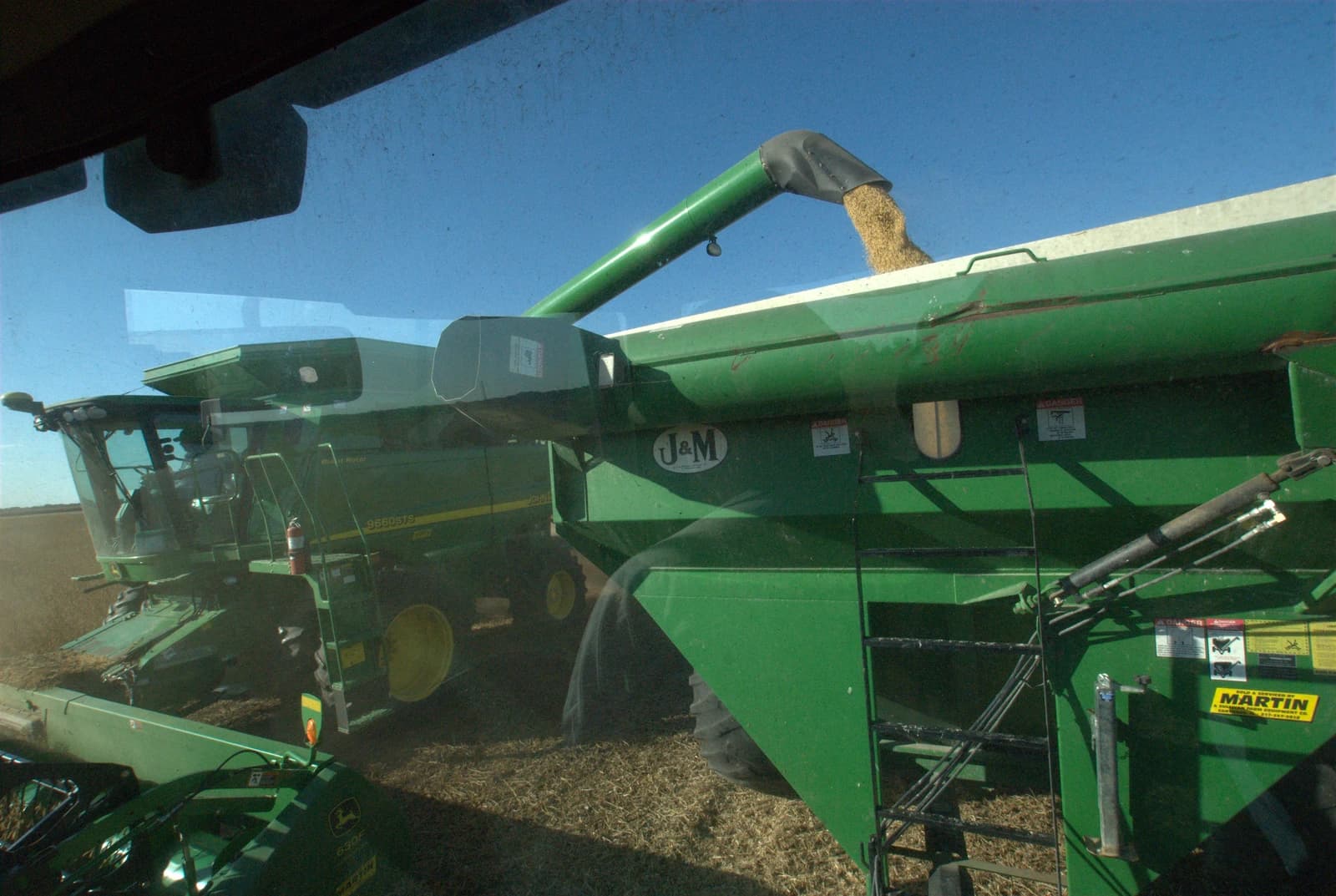
Silage corn farmers in Yozgat are heading into harvest season with little to celebrate as input costs keep climbing faster than the price they can get for their crop.
Turkey corn farmers face rising input costs
That is the economic story behind Boğazlıyan farmer Faruk Özkan’s complaint that the selling price of silage corn has risen by only 100 lira from last year, while fertilizer and diesel costs continue to move higher. For farmers, that spread is what determines whether a season produces cash flow or just work. For investors, it is a reminder that food inflation is not only a consumer problem — it starts on the farm, where margins are being squeezed before the crop even reaches the market.
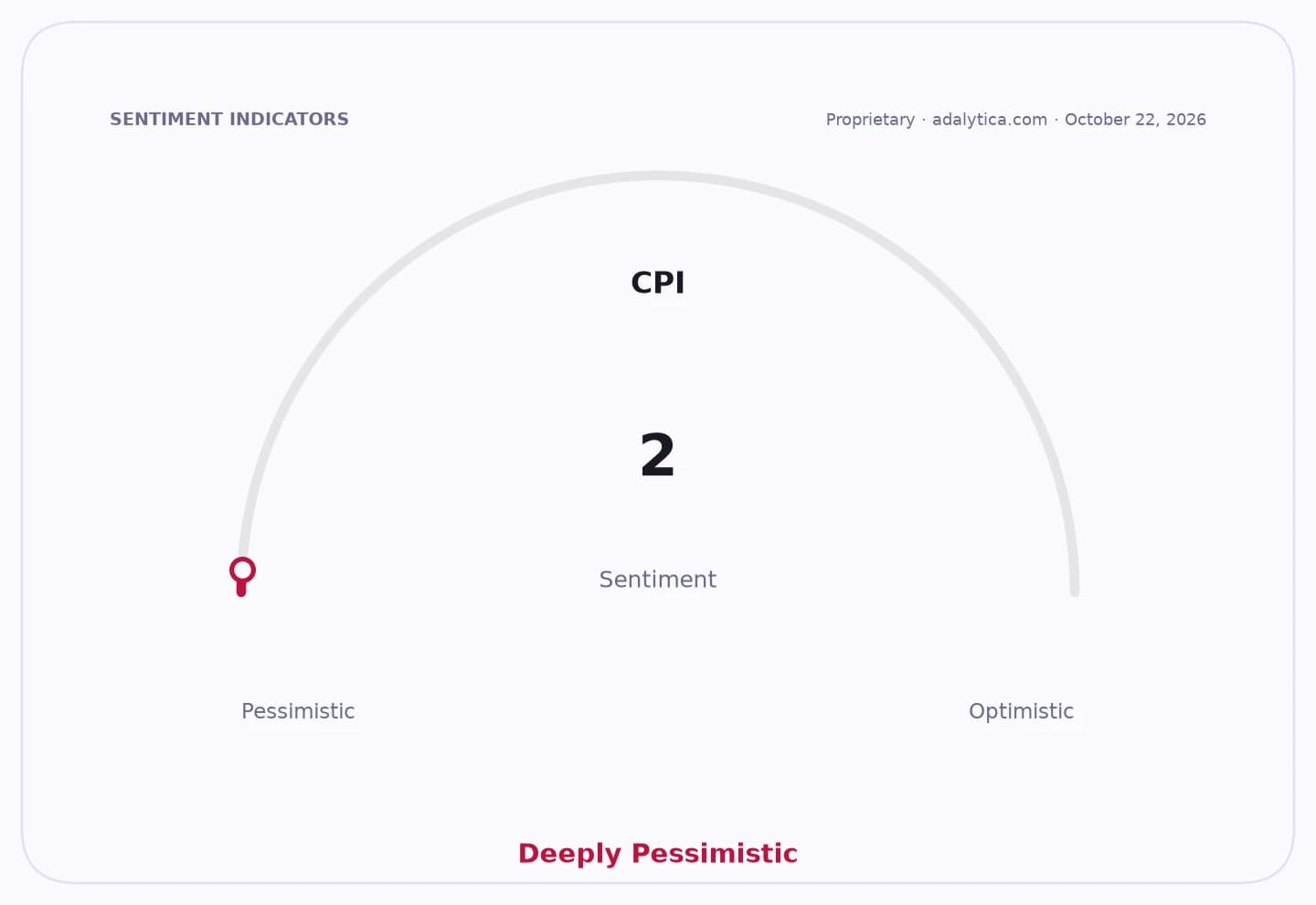
Sentiment IndicatorsⓘProprietary · adalytica.com · October 22, 2026
This is a snapshot — live sentiment, awareness and momentum for 130+ markets update continuously in the dashboard.Open AlphaPulse
The pressure is part of a broader agricultural inflation problem. News context shows agricultural input prices rose 30.28% annually in August, underscoring how quickly fertilizer, fuel and other essentials are eroding farm profitability. In Turkey, that matters because agriculture still has to feed domestic demand, support exports and absorb shocks from global commodity markets. When production costs rise faster than farmgate prices, growers either cut back on planting, delay investment or pass the pain through the food chain.
That dynamic is visible in corn markets too. The U.S.-listed CORN fund, which tracks corn prices, has been volatile and recently traded near 17.98 after touching 20.27 in September. Its 50-day moving average has held above the 200-day moving average, but recent readings show weakening momentum, with the RSI falling to 27.7 and the MACD still below its signal line. In plain English, corn prices have been choppy rather than decisively strong — not enough to rescue farmers from rising expenses.
The bigger issue is that farmers are getting squeezed from both sides. Diesel makes cultivation, harvesting and transport more expensive. Fertilizer remains sensitive to global supply conditions and geopolitical disruption, including strain around the Strait of Hormuz that has fed anxiety across agricultural inputs. When those costs rise faster than crop prices, small and mid-sized growers are the first to feel it.
That is why this harvest matters beyond Yozgat. If producers cannot make money on silage corn, the strain eventually reaches livestock costs, feed prices and, later, supermarket shelves. Agriculture may still be contributing to growth in some markets, but resilience in output does not mean resilience in profitability.
For long-term investors, the takeaway is straightforward: farm-level inflation is sticky, and that favors businesses with pricing power, scale or exposure to agricultural efficiency. Seed, fertilizer, machinery and logistics firms can benefit when growers are forced to invest in productivity, while pure commodity producers often remain stuck in a margin squeeze. For consumers and policymakers, the message is harder: unless input inflation cools, food prices are likely to stay stubborn. Worth watching.
| Entity | Gains | Losses |
|---|---|---|
| Fertilizer and fuel suppliers | ▲Higher input prices | ▼Farmers’ margins |
| Large agribusinesses with scale | ▲Pricing power, efficiency demand | ▼Small growers |
| Corn consumers and livestock feeders | ▲— | ▼Higher feed costs |
| Long-term investors in ag tech and machinery | ▲Productivity upgrades, capex cycle | ▼Commodity-only producers |