India’s move to restrict sugar exports and curb wheat shipments is tightening supply in two of the world’s most watched food markets, raising the risk of higher input costs for bakeries, confectioners and grocers while reinforcing the country’s determination to protect domestic prices.
India restricts sugar exports and curbs wheat shipments
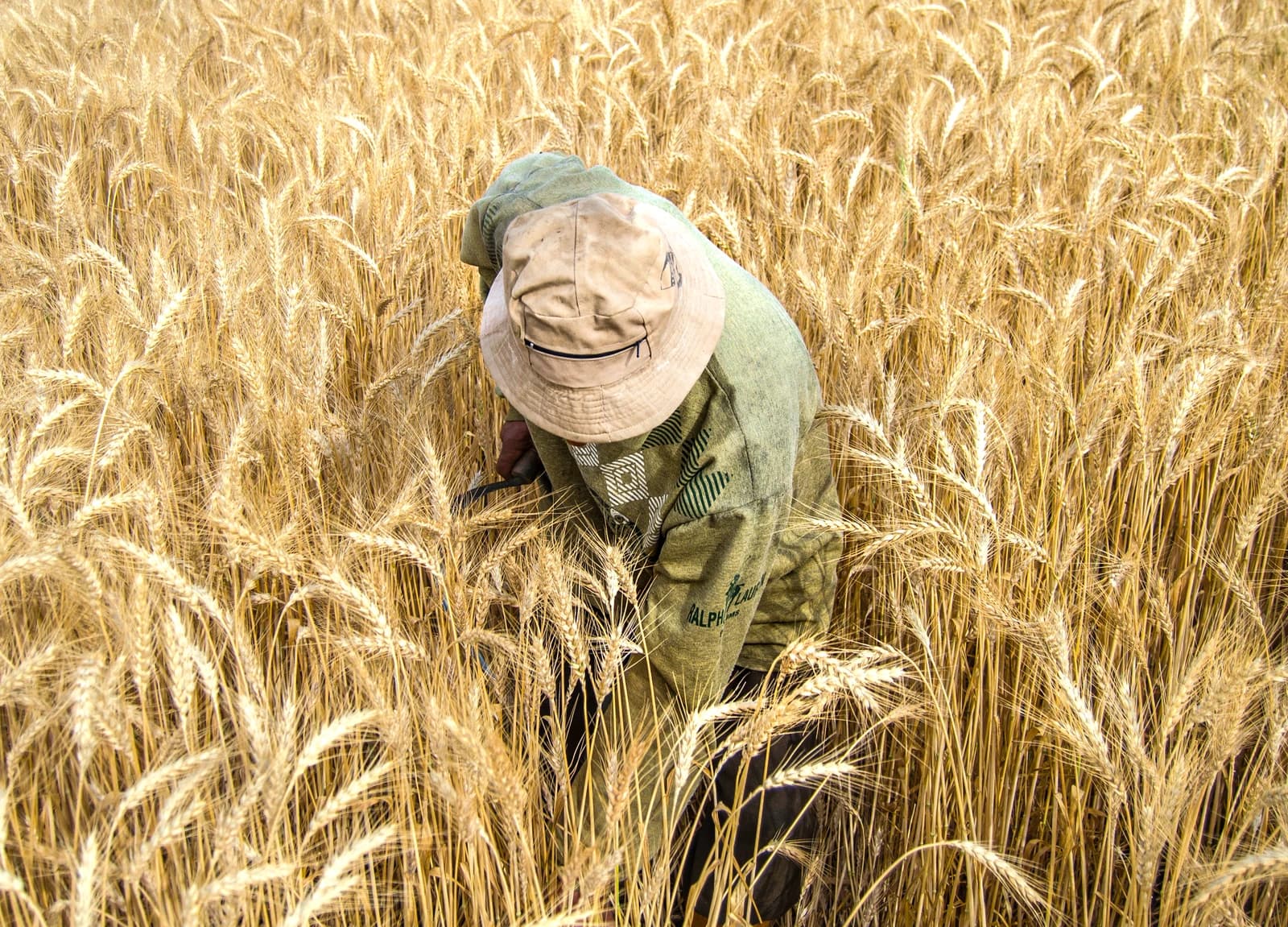
That matters because food inflation remains politically sensitive in the world’s most populous country and because India is a swing supplier in global grains and sweeteners. When New Delhi limits exports, it can quickly ripple through regional food chains, squeeze margins for small businesses and force consumers to pay more or buy less. The policy also comes on top of broader inflation pressure that has kept markets alert to any sign of further supply intervention.
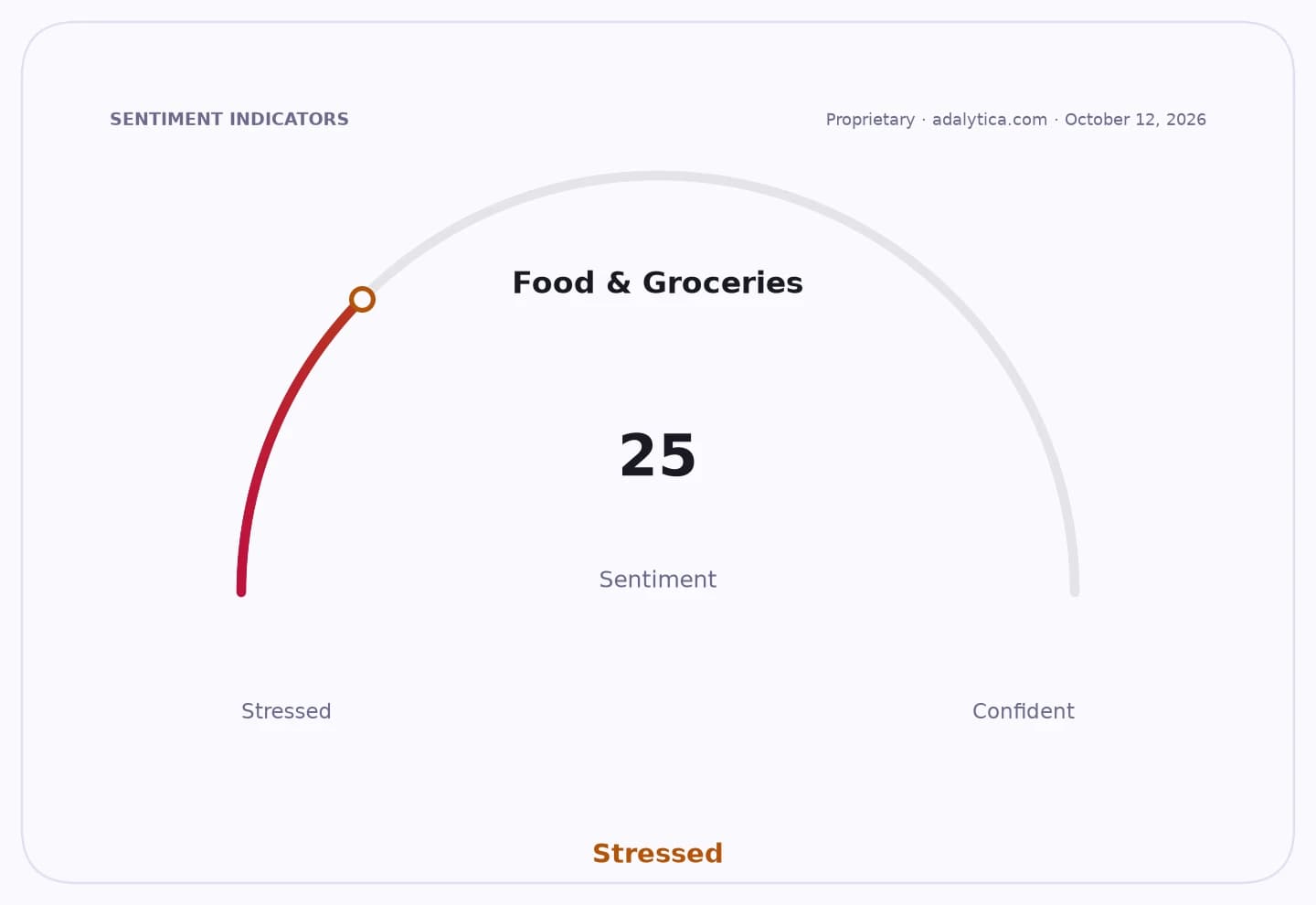
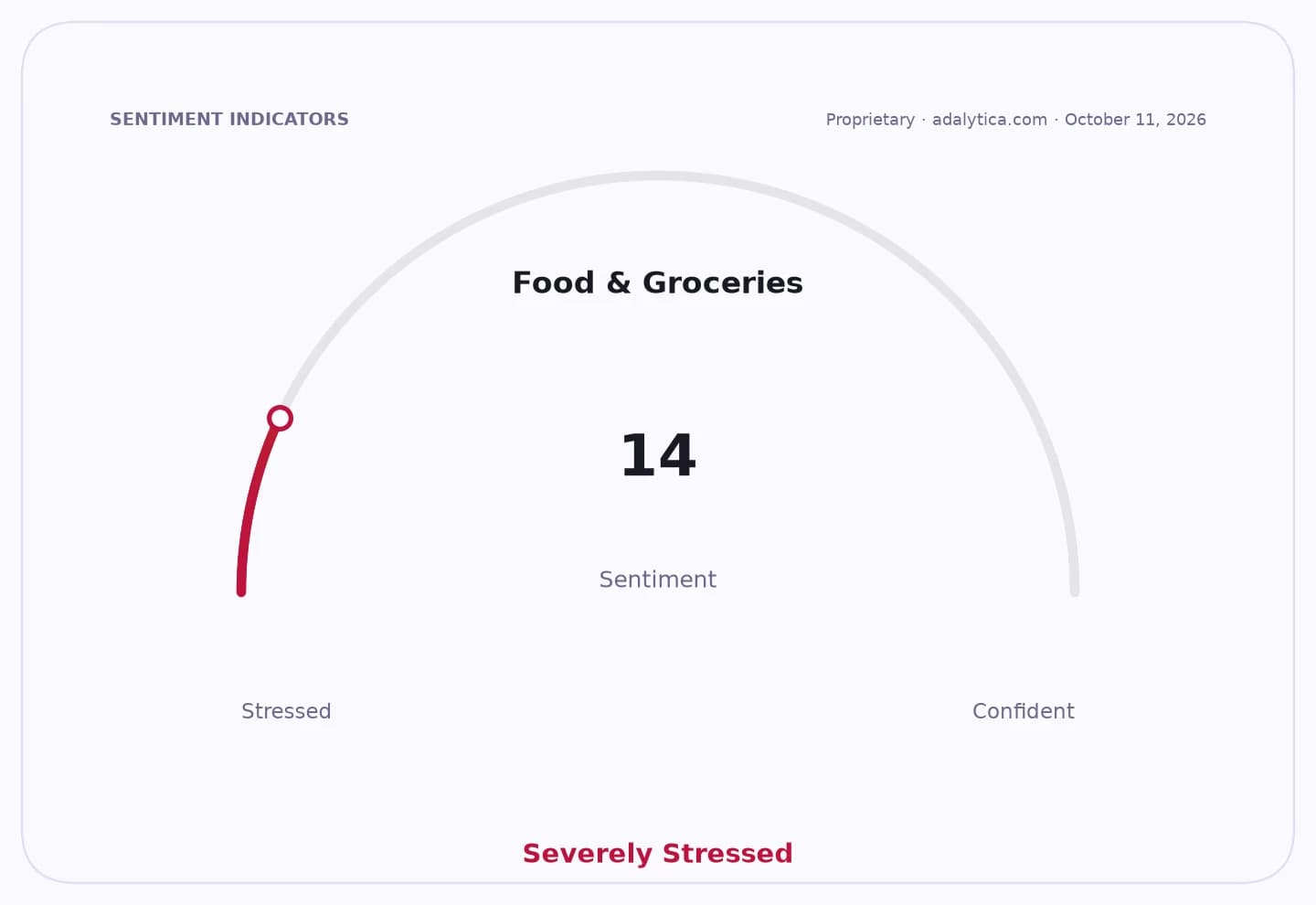
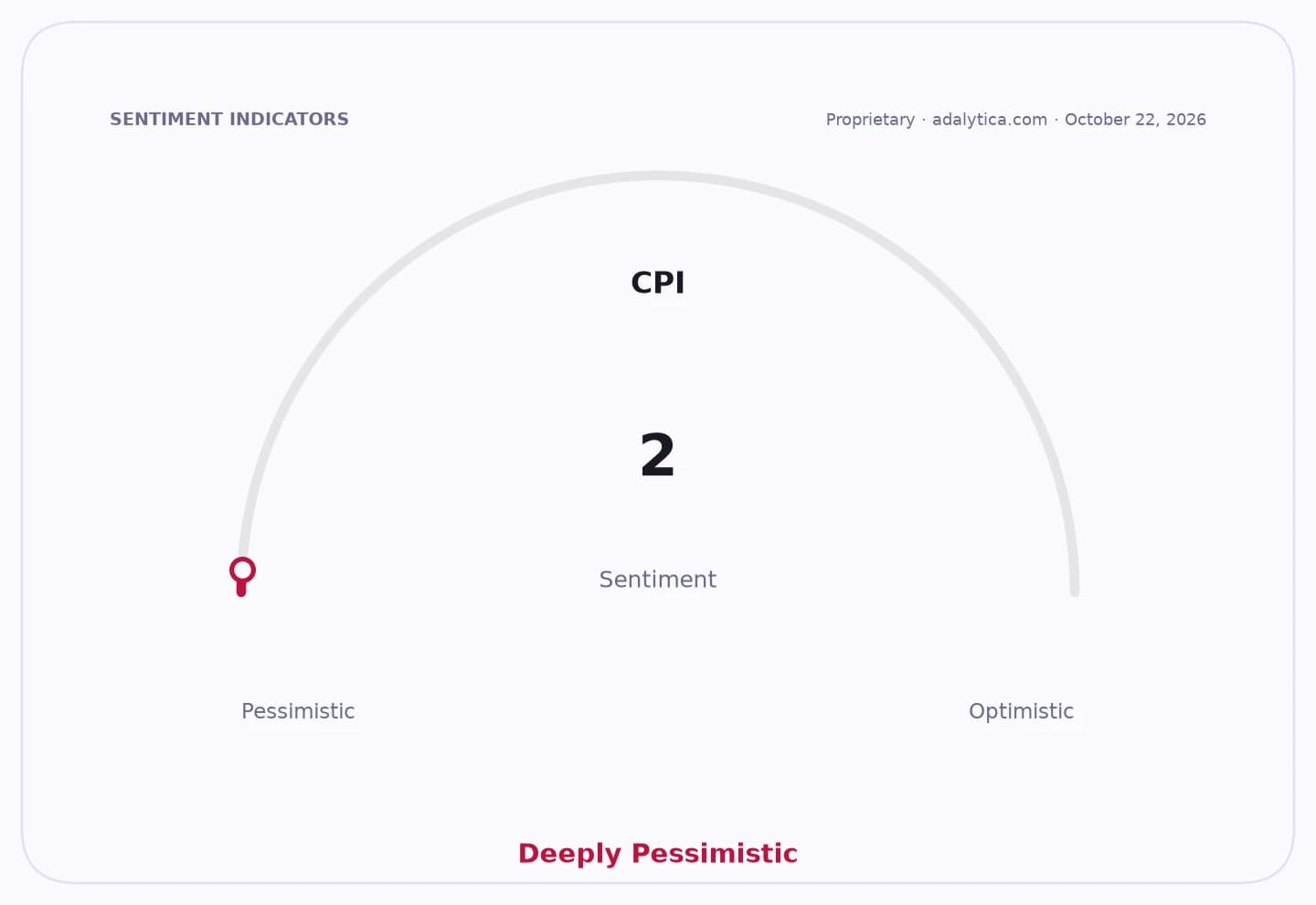
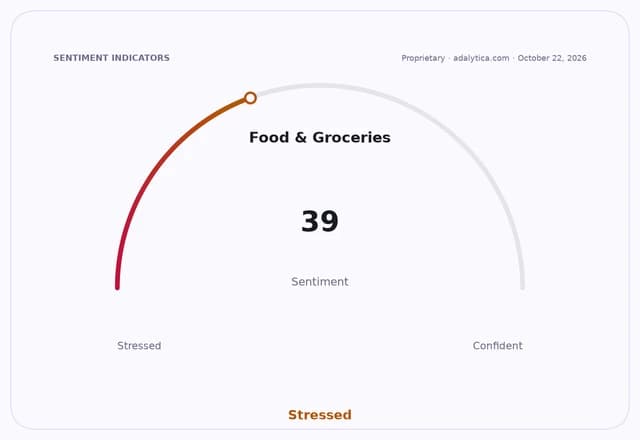
Sentiment IndicatorsⓘProprietary · adalytica.com · October 22, 2026
This is a snapshot — live sentiment, awareness and momentum for 130+ markets update continuously in the dashboard.Open AlphaPulse
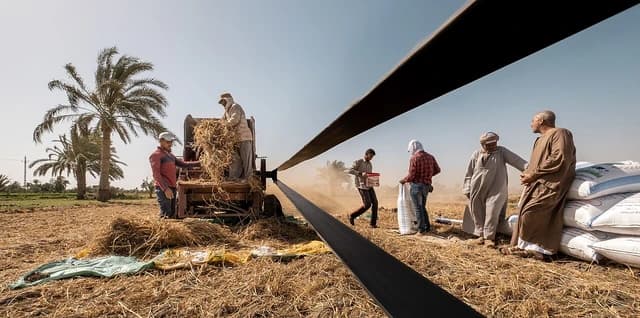
In India, the government has capped sugar exports at 10 million tonnes through the end of May and then placed raw, refined and white sugar under a restricted category from June 1 to Oct. 31, according to the commerce ministry. Businesses reliant on sugar say the impact could be immediate. Bakery owners and home-based confectioners warned that even a shortfall of a day or two could hit sales, with some saying sugar is so essential they may have to slow production or shut temporarily if supplies tighten.
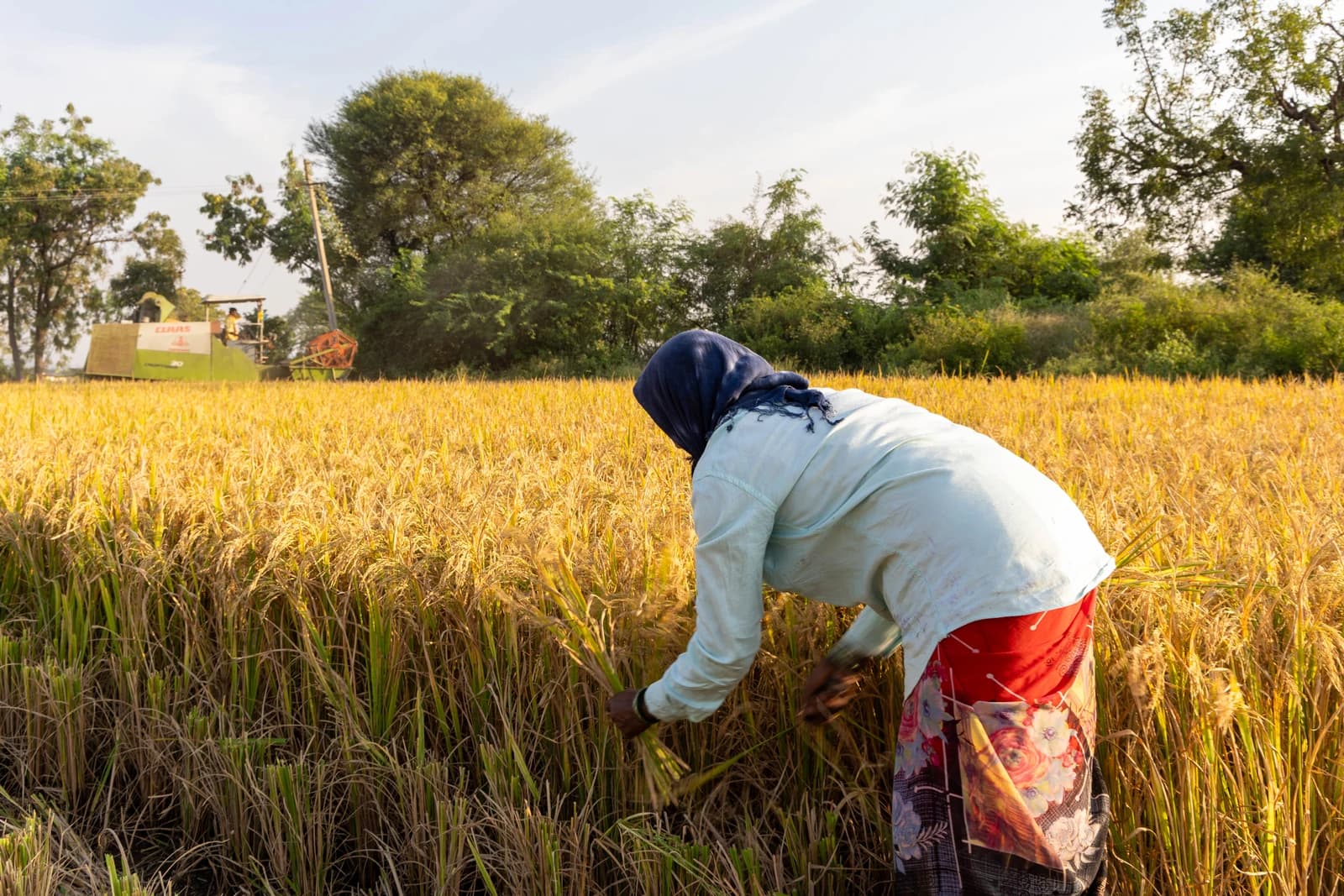
Wheat is the bigger macro story. Restricting exports from one of the world’s largest grain producers can lift prices beyond India’s borders and deepen worries about food security after a period of global supply shocks. The move also underscores how governments are increasingly willing to intervene in agricultural trade when inflation turns uncomfortable, a dynamic that tends to favor producers with inventory and hurt downstream buyers that lack pricing power.
For investors, the message is straightforward: this is a tailwind for commodity exposure and a headwind for food manufacturers, bakery chains and packaged-food businesses that cannot pass through input costs quickly. The recent strength in wheat-linked products shows the market is already pricing in tighter supply, even as spot energy costs remain volatile and broader consumer inflation is still elevated. If export restrictions persist or widen, the beneficiaries are likely to be agriculture traders, grain handlers and producers with exportable stocks, while small food businesses and import-dependent retailers absorb the margin squeeze.
The bigger narrative is that India is prioritizing domestic stability over open trade, and that can keep food markets choppy for months. If inflation does not ease, policymakers may stay aggressive on exports, making staple-food supply chains less predictable and strengthening the case for investors to own the infrastructure and commodity names that profit from scarcity rather than the consumer businesses forced to live with it.
| Entity | Gains | Losses |
|---|---|---|
| Grain traders/commodity holders | ▲Tighter supply pricing | ▼Lower export volumes |
| Wheat and sugar producers | ▲Stronger domestic pricing | ▼Policy-driven export caps |
| Bakeries/confectioners | ▲None | ▼Higher input costs |
| Consumers/grocery buyers | ▲Potentially cooler inflation later | ▼Near-term price increases |