El Niño is again turning climate risk into a tradable inflation shock, and the market is starting to price it in.
El Niño Risks Higher Food Prices
The biggest new information is not the weather event itself but the emerging expectation that it could lift sugar prices by as much as 25% and wheat by 16%, a move that would ripple through grocery bills, central-bank inflation forecasts and margins across the global food chain. That matters because food is the most politically sensitive component of consumer inflation, and in many emerging markets it is the fastest route from climate disruption to policy pressure.
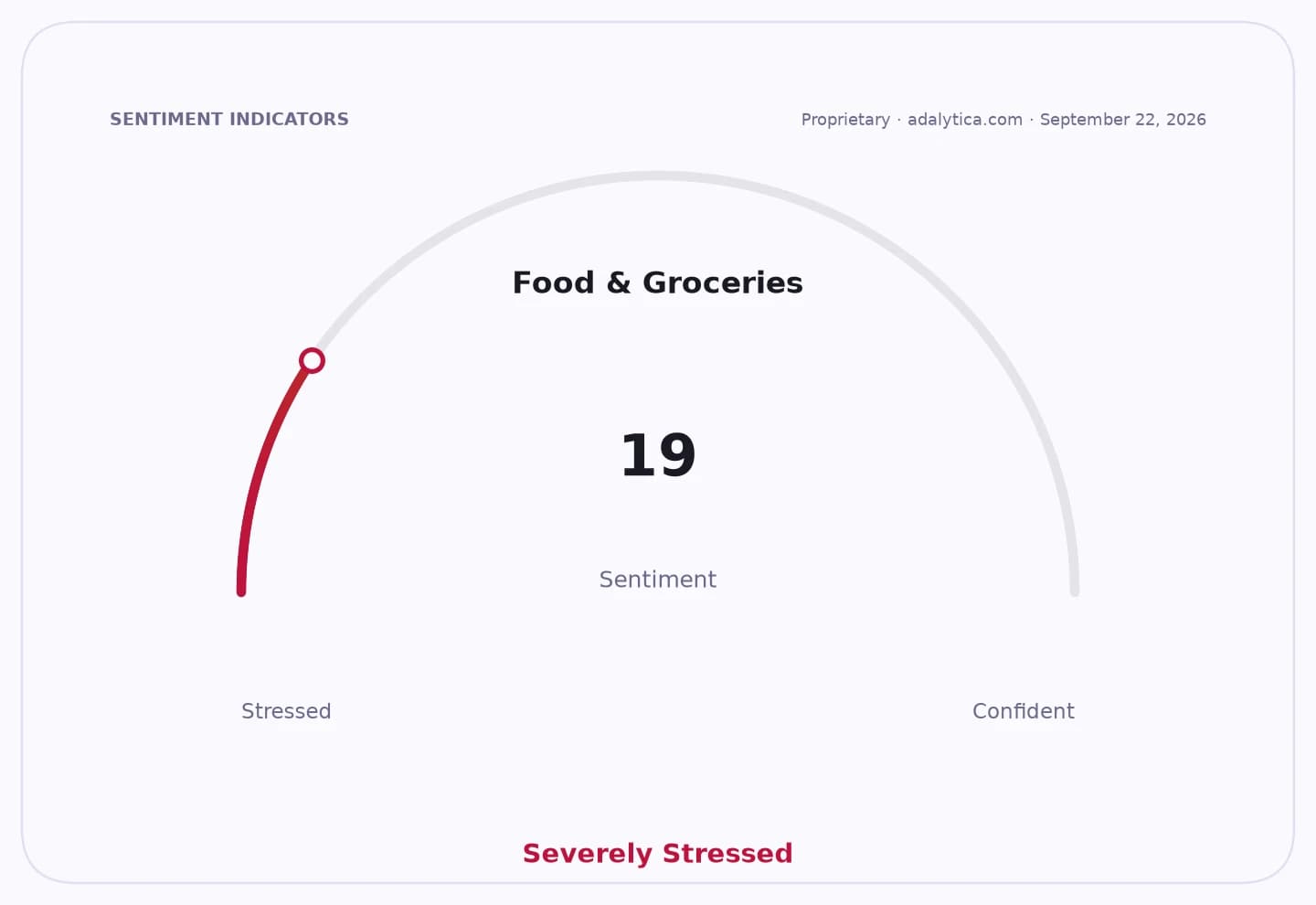
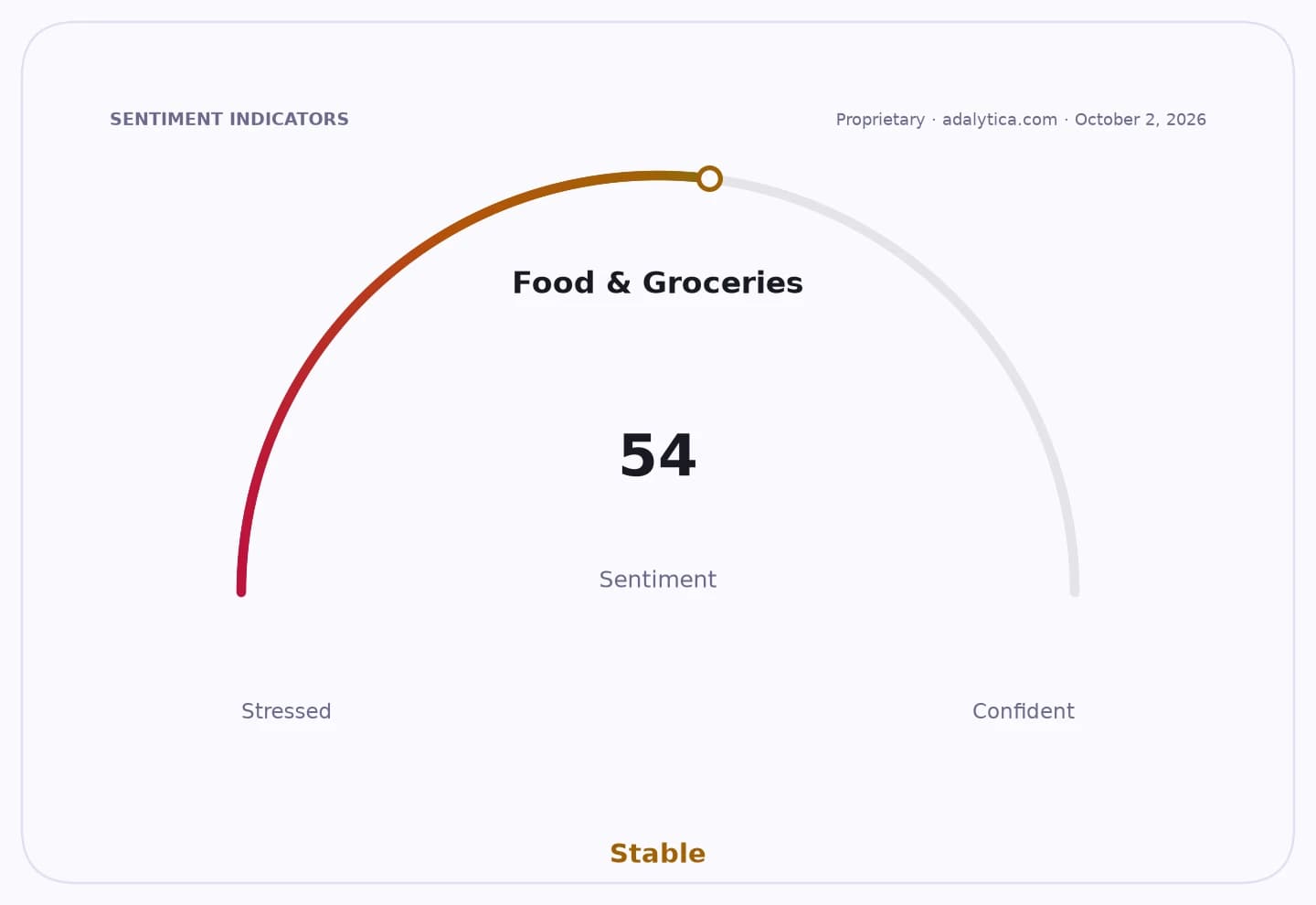
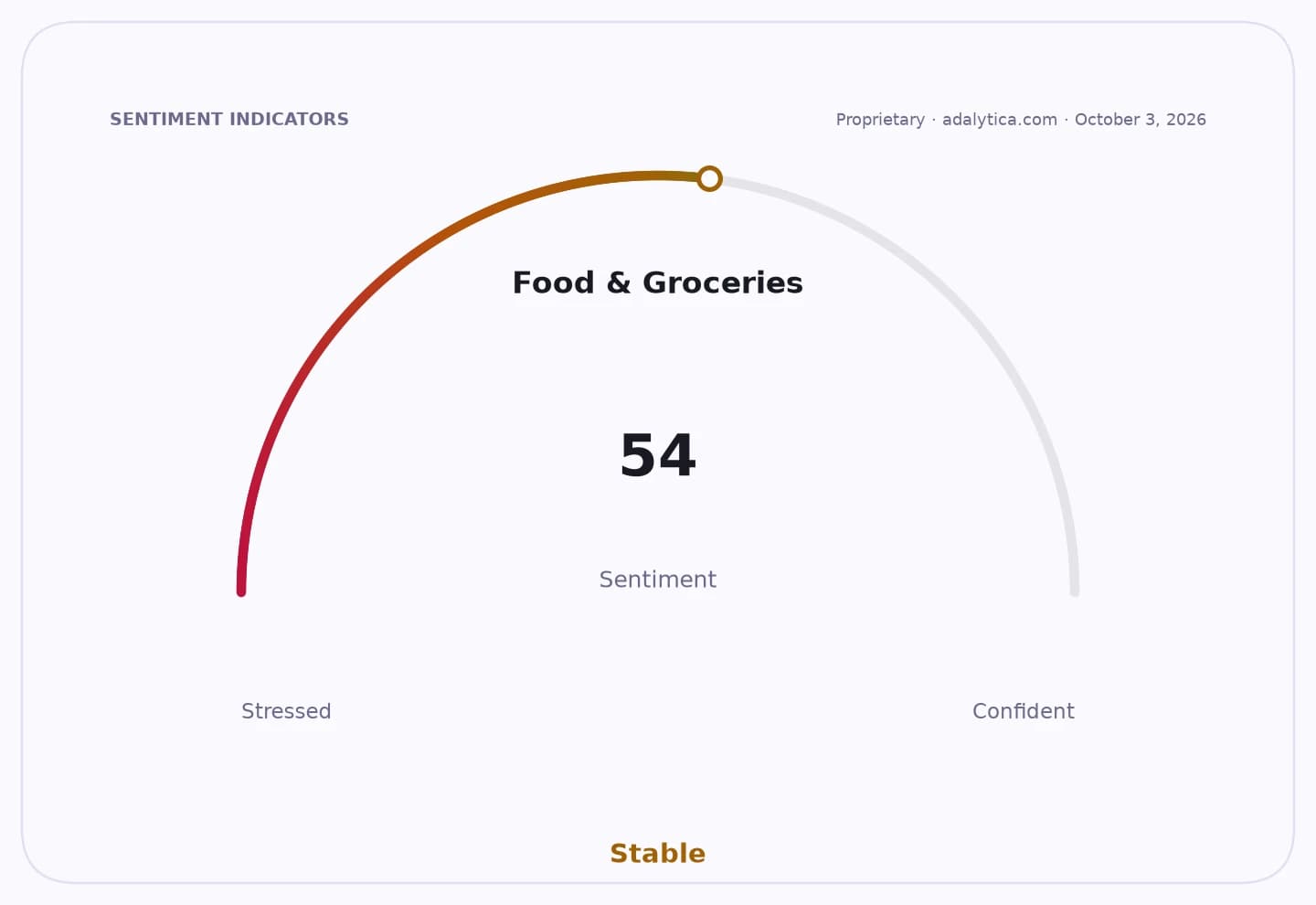
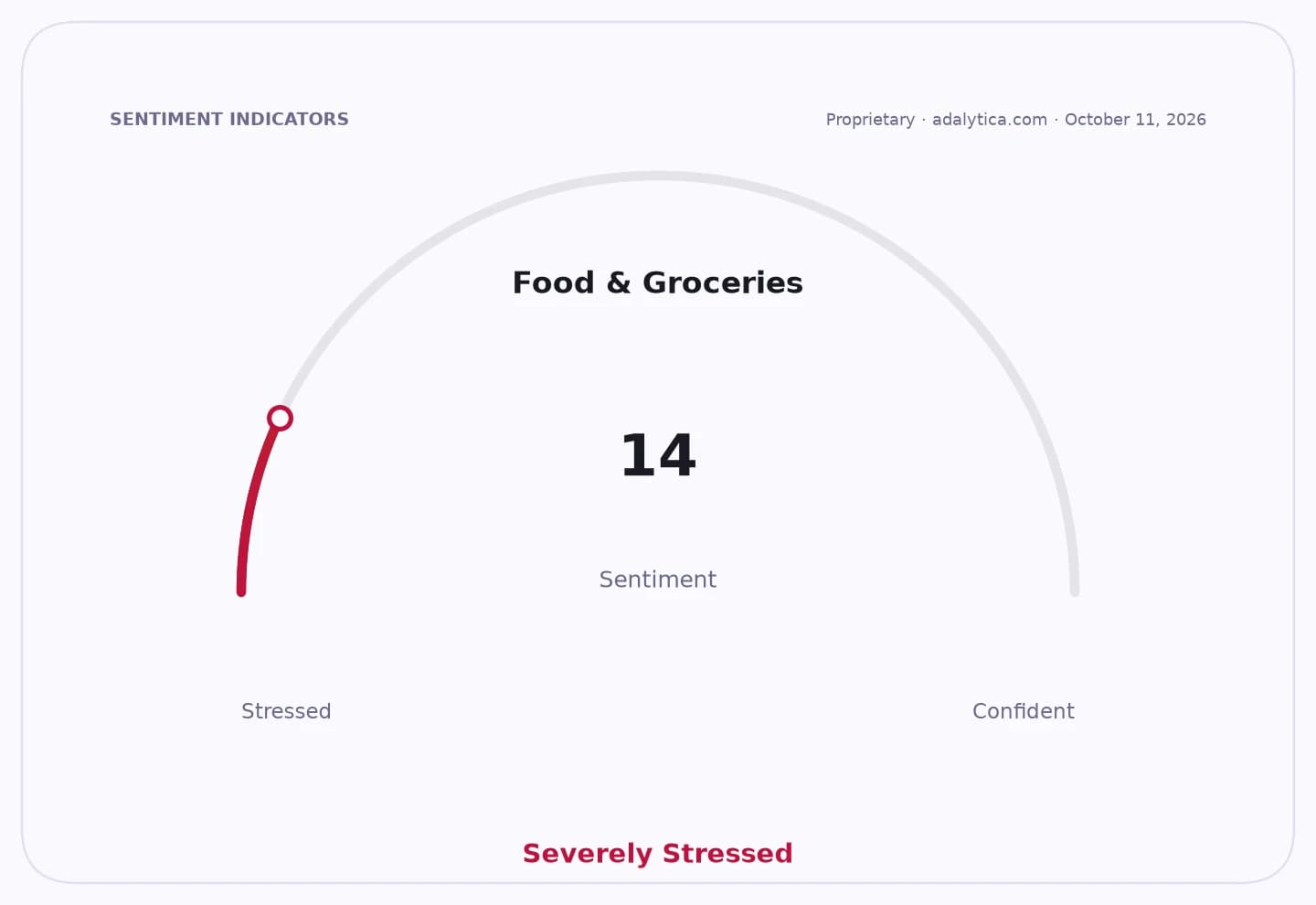
Sentiment IndicatorsⓘProprietary · adalytica.com · October 11, 2026
This is a snapshot — live sentiment, awareness and momentum for 130+ markets update continuously in the dashboard.Open AlphaPulse

The warning comes as India’s central bank flags food-price risks and authorities try to reassure consumers they have enough stocks to avoid a shortage. That is the right near-term answer, but it does not remove the broader problem: El Niño can squeeze yields, disrupt planting patterns and tighten inventories just as geopolitics and supply-chain frictions keep commodity markets on edge. The result is a classic inflation amplifier — one that can hit importers harder than exporters and expose economies with thin buffers.
Investors should care because food inflation is not just about crops; it is about pricing power, input costs and relative winners across commodities. The more persistent the shock, the more it favors producers with scalable origination, storage and export capacity, while pressuring packaged-food companies and retailers that cannot pass through costs quickly. It also raises the odds of policy responses ranging from export restrictions to strategic stockpiling, both of which can intensify price spikes and create sharp moves in agricultural markets.

That is why grain and soft-commodity exposure deserves renewed attention. In the data, wheat-linked products have already shown the kind of volatility that tends to precede a broader repricing: the WEAT ETF remains above its 200-day moving average even after a pullback, while CORN and CANE have both drawn heavy trading as investors position for weather-driven supply stress. Adalytica’s CPI sentiment gauge is flashing greed even as food-and-grocery spending sentiment sits in extreme fear, a split that suggests markets and consumers are not aligned on the inflation path ahead.
The investment thesis here is straightforward: climate volatility is becoming a structural margin driver, not a one-off headline. If El Niño deepens into a larger food-price shock, the best relative opportunities are in agricultural infrastructure, commodity traders and select crop-exposed vehicles, while the losers are consumer staples names with limited pricing power and households already stretched by inflation. This is the kind of setup where early positioning matters, because once food inflation shows up in the data, the trade usually gets crowded fast.
| Entity | Gains | Losses |
|---|---|---|
| Grain and soft-commodity traders | ▲Higher realized prices | ▼More inventory volatility |
| Crop ETFs like WEAT, CORN and CANE | ▲Weather-driven upside | ▼Pullbacks if El Niño fades |
| Food retailers and packaged-food makers | ▲Few near-term benefits | ▼Margin pressure from higher inputs |
| Consumers and food importers | ▲Little to gain | ▼Higher grocery bills |