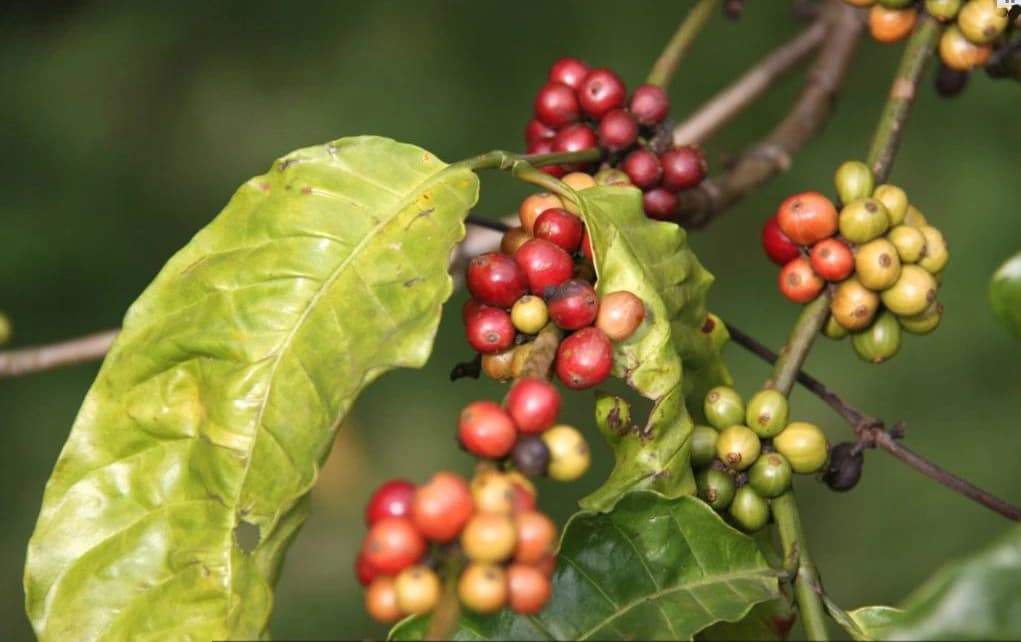
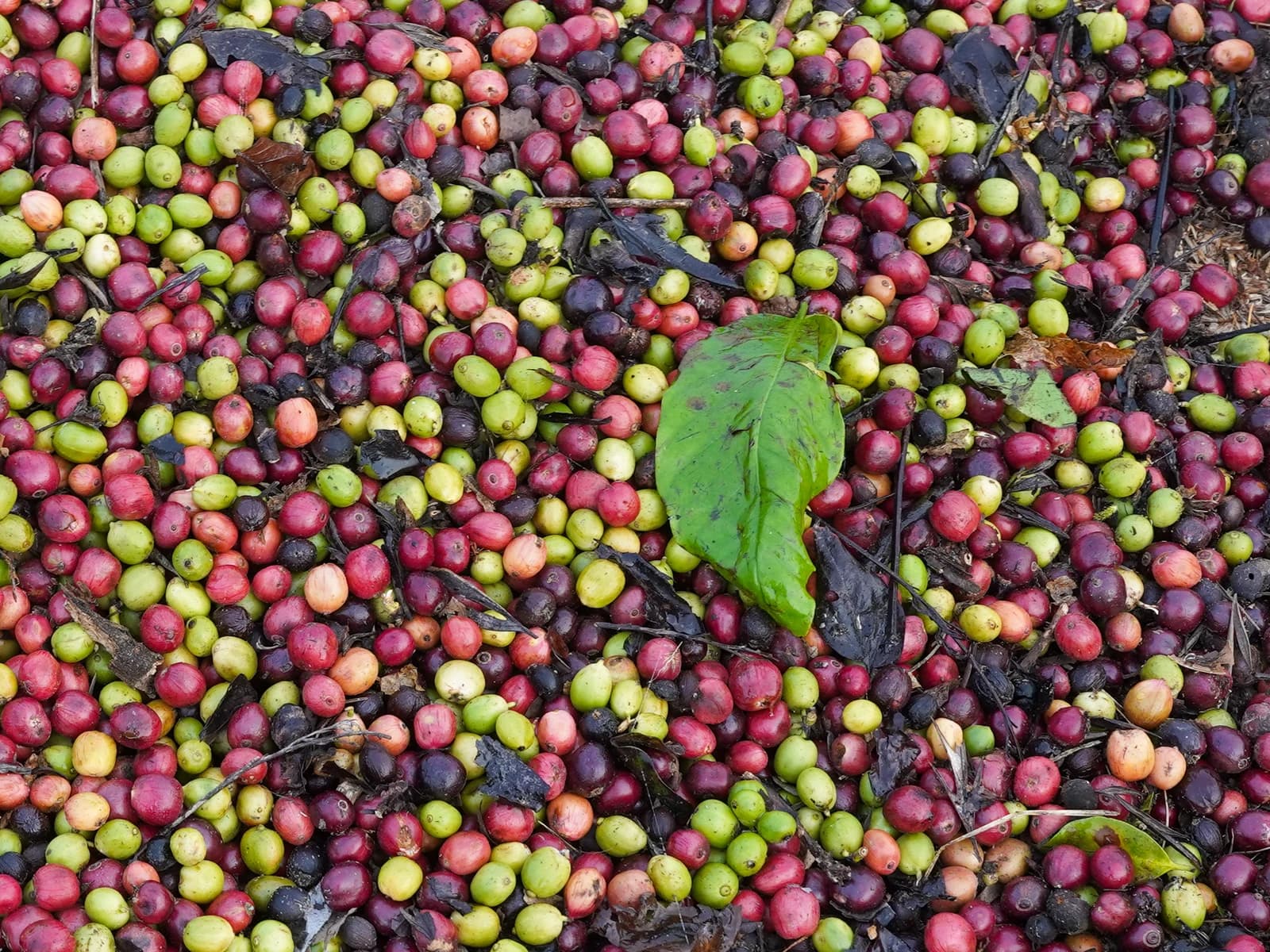
Coffee prices in Central America are climbing to their highest premiums in about three years as El Niño-linked drought threatens the next arabica crop and tightens an already fragile global supply chain.
Central America Coffee Premiums Rise on Drought
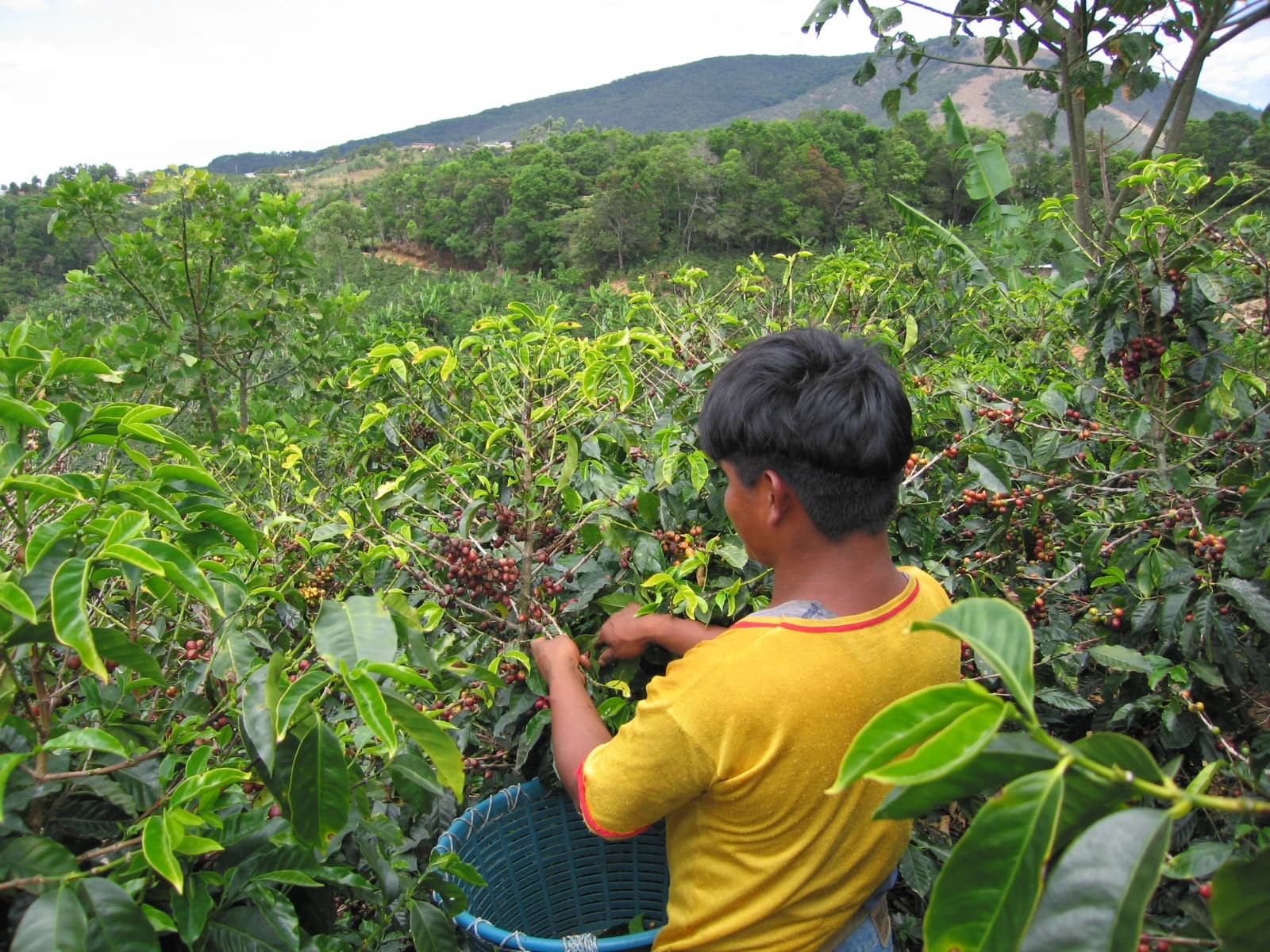
That matters because Central America supplies roughly 15% of the world’s arabica beans, and higher regional premiums are helping put a floor under global coffee futures just as investors are looking for the next climate-driven squeeze in soft commodities. The market is not just repricing weather risk; it is repricing the cost of replacing origin supply when drought hits one of the industry’s most important quality-producing regions.
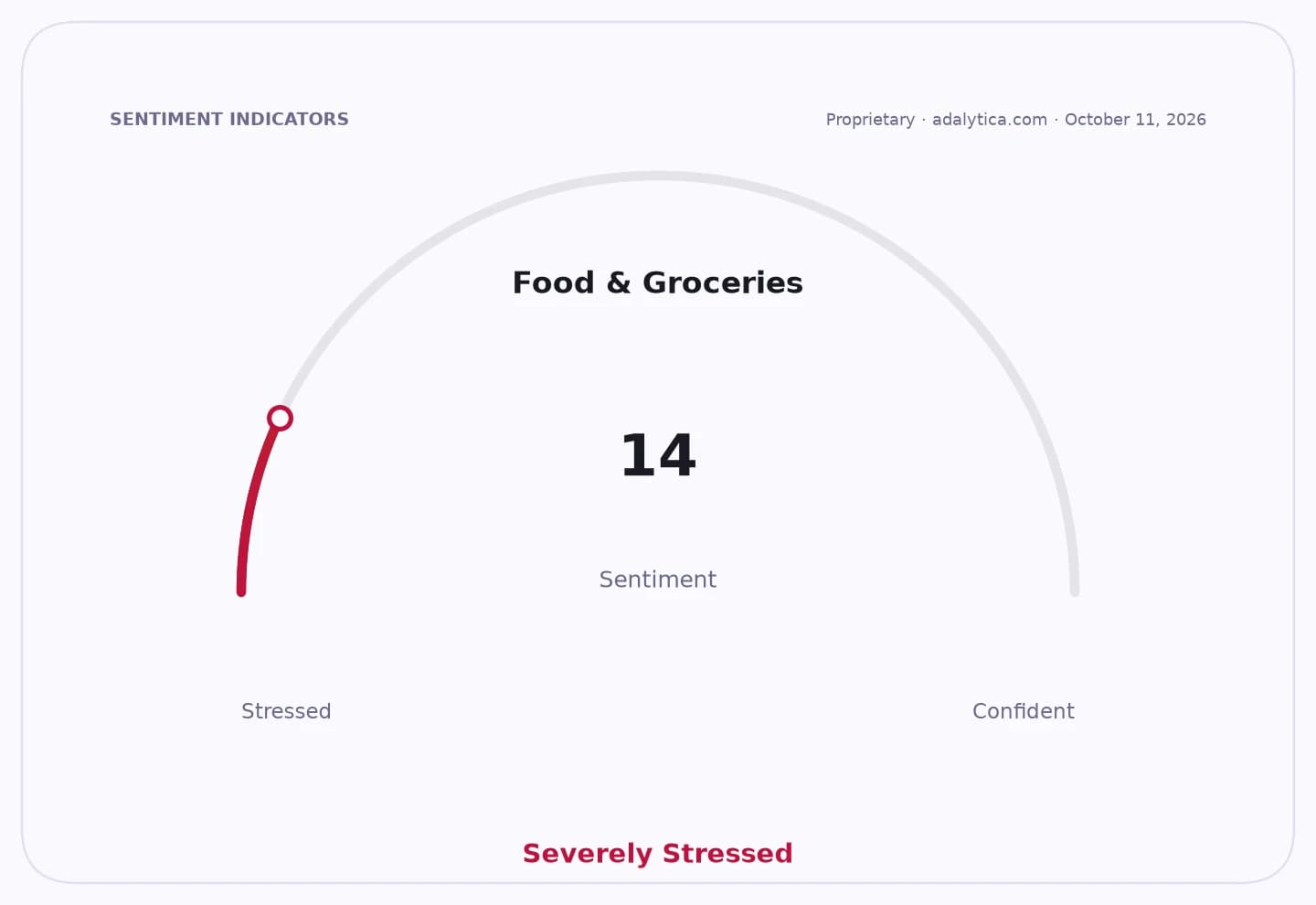
Sentiment IndicatorsⓘProprietary · adalytica.com · October 10, 2026
This is a snapshot — live sentiment, awareness and momentum for 130+ markets update continuously in the dashboard.Open AlphaPulse
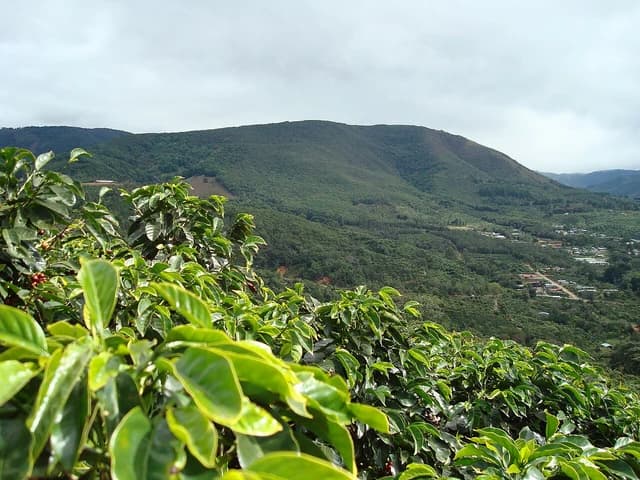
Reuters data shows premiums in Honduras, Guatemala, El Salvador and Nicaragua are now at or near their highest levels in more than three years. Honduras and Guatemala, which account for about two-thirds of Central America’s coffee output, have already cut their initial 2026/27 forecasts by 7% and 10%, respectively, and both say the numbers could be revised lower again.
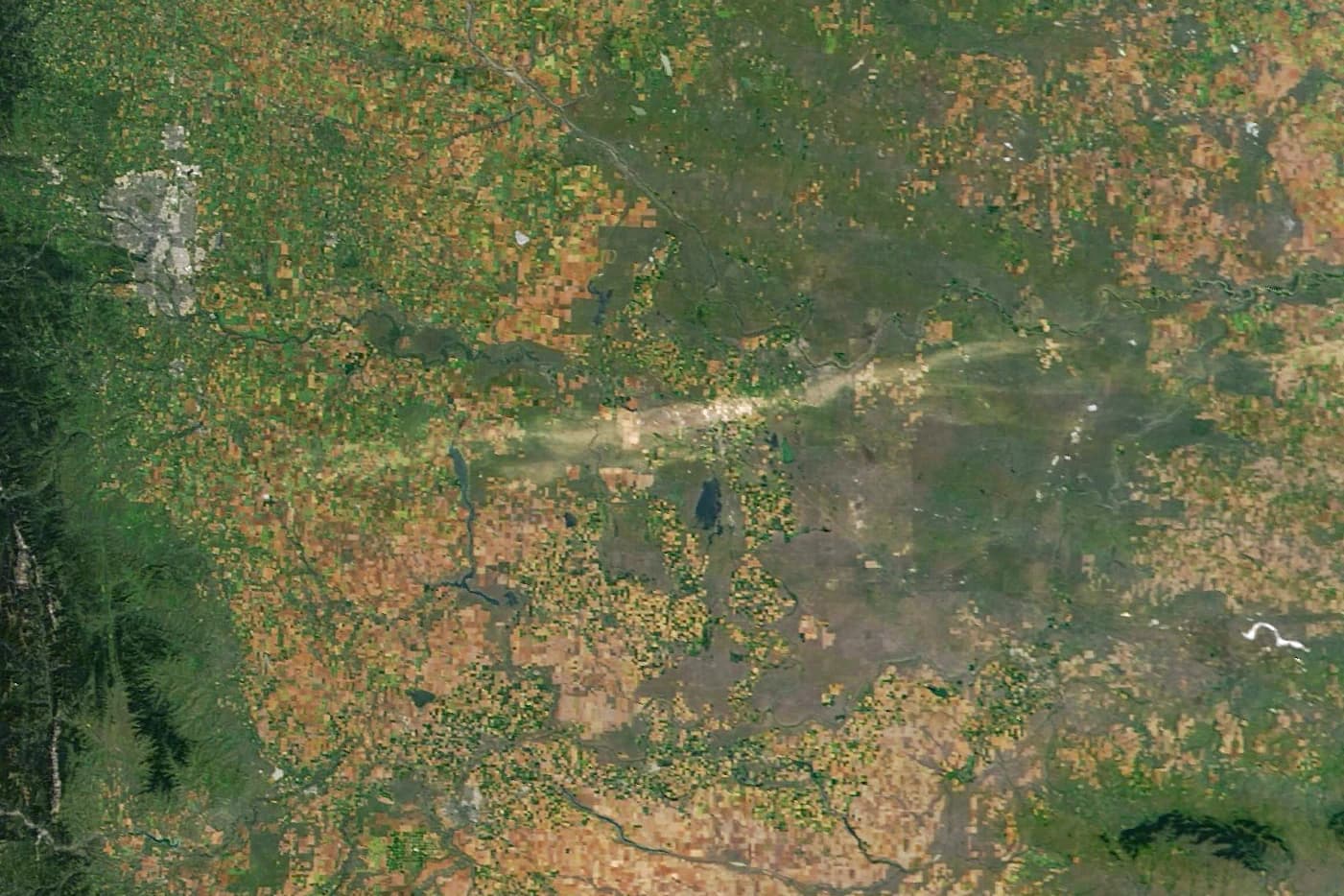
The dry spell peaked in July and August across the region’s so-called Dry Corridor, a strip that has been repeatedly battered by droughts and storms over the past decade. Aid agencies have warned the same weather pattern has already pushed 3 million to 5 million subsistence and smallholder farmers toward food insecurity after devastating losses in beans and corn. Coffee is less exposed than those staples because it is a perennial crop with deeper roots, but the pricing signal shows traders are still treating the region as a key supply-risk hotspot.
For investors, the bigger story is that climate volatility is becoming a structural input-cost driver, not a one-off shock. When premiums rise in origin markets, roasters, traders and downstream food companies eventually face higher procurement costs, even with hedging. That creates a second-order opportunity in the parts of the market that profit from scarcity rather than suffer from it: exchange-traded coffee exposure, merchants with sourcing power, and infrastructure around shipping, storage and risk management.
ICE’s coffee contract has already been volatile, and the technical picture reflects that churn. The benchmark recently sat near 156.19, just above its 50-day moving average of 155.22 and slightly above the 200-day average of 153.88, with RSI readings around 51.9 suggesting the market is not yet stretched to an extreme. In plain terms, this is not a blow-off top; it is a market still digesting a tightening supply story.
The investment thesis is straightforward: the market underestimates how quickly a regional drought can ripple through a globally traded commodity that depends on a narrow band of quality supply. If Central America’s crop keeps slipping, premiums should stay firm, futures should keep a weather premium embedded, and any recovery in demand will collide with constrained origin availability. For traders and long-term investors alike, this is the kind of climate-inflected supply shock that can persist longer than consensus expects.
| Entity | Gains | Losses |
|---|---|---|
| Central American growers | ▲Higher premiums | ▼Lower yields |
| Coffee traders/roasters | ▲Sourcing leverage | ▼Input-cost inflation |
| ICE coffee bulls | ▲Tight supply narrative | ▼Volatility risk |
| Subsistence farmers in Dry Corridor | ▲— | ▼Food and crop losses |