A strengthening El Niño is becoming a tradable macro event for hedge funds, with traders betting that weather-driven disruptions will move power, gas and food markets enough to generate short, sharp profits.
El Nino Trading Boosts Power, Gas and Food Funds

The pitch is straightforward: a warmer-than-normal Pacific can alter rainfall, heat and storm patterns across major producing regions, hitting generation, crop yields and fuel demand at the same time. For macro and commodity funds, that creates volatility — and volatility is the asset.
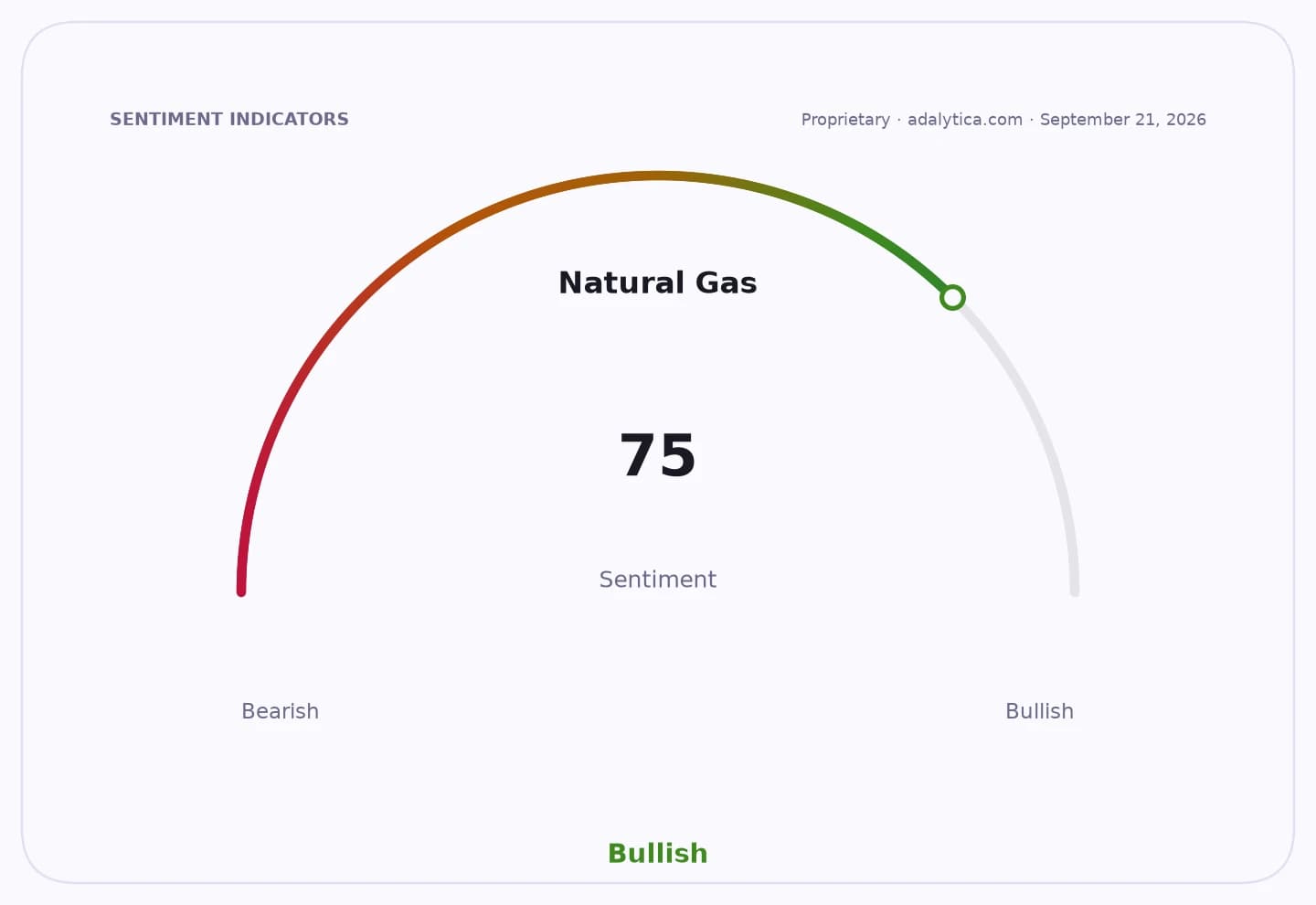
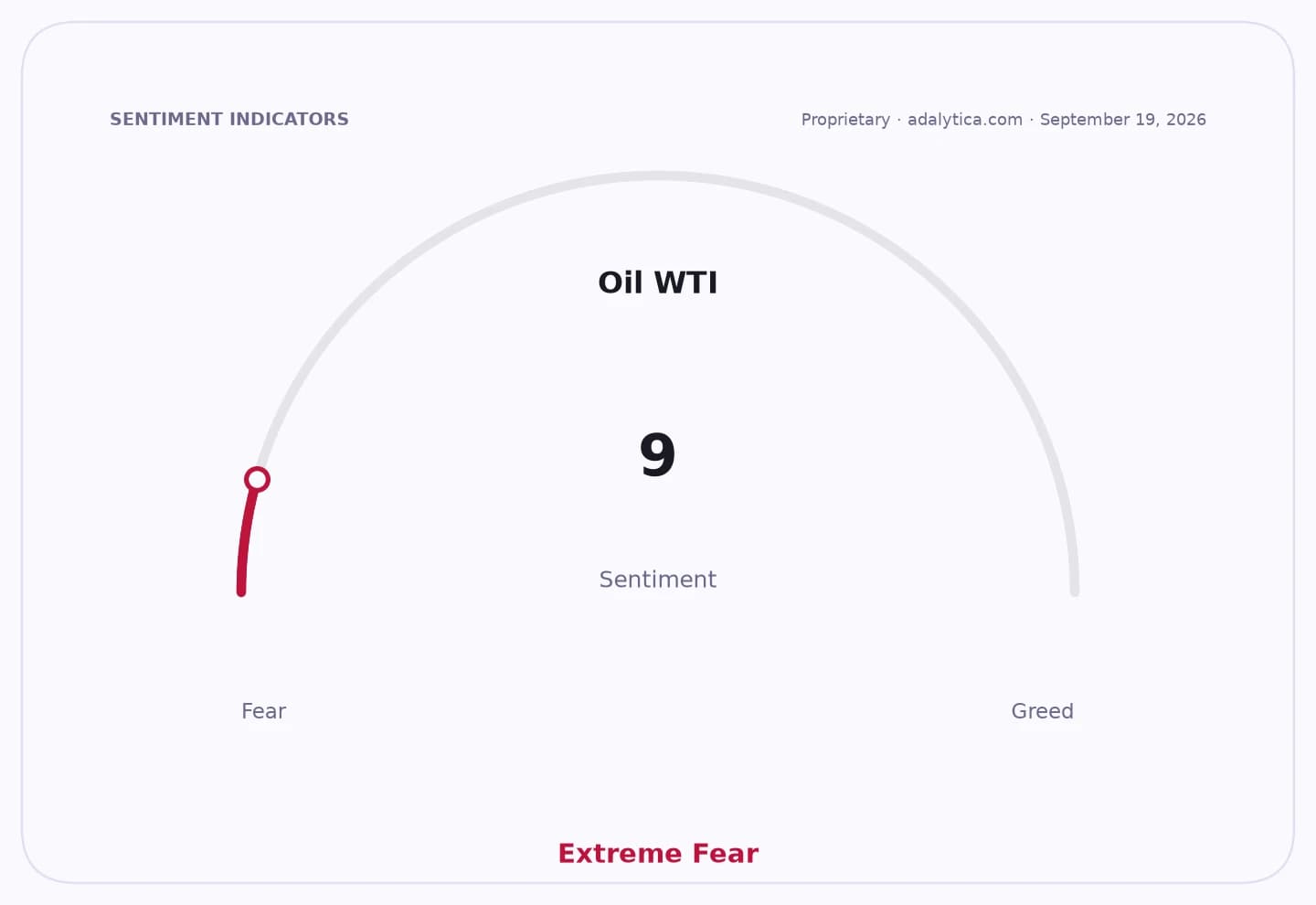
Sentiment IndicatorsⓘProprietary · adalytica.com · September 18, 2026
This is a snapshot — live sentiment, awareness and momentum for 130+ markets update continuously in the dashboard.Open AlphaPulse
Zulfiqar Ali’s London-based ZAMS Asset Management is one of the clearest examples. The energy-focused hedge fund manages about $350 million and says roughly 80% of revenue comes from electricity futures. Ali told reporters the firm is using weather models and futures pricing to exploit what he sees as mispricings around the El Niño cycle, especially into late-year winter demand. ZAMS has already gained 13% this year and rose 5.7% in August, though Ali also acknowledged the strategy can move sharply against it when forecasts are wrong.
That risk was evident earlier this year, when ZAMS was betting on lower German and French power prices but was hurt by unexpectedly weak wind output. Ali said the market moved 30% against the fund after it underestimated how quickly the climate pattern would shift from La Niña to El Niño, a reminder that weather trading is as much about timing as direction. The firm typically holds 25 to 30 positions for just eight days on average, underscoring how quickly these trades can reverse.
The broader market backdrop is helping make the theme more investable. News flow around a “super” El Niño and warnings of more extreme weather across Asia have reinforced concerns about crop damage, higher power demand and supply-chain strain. That matters because El Niño can lift inflation in vulnerable regions by pushing up food and electricity costs, while also disrupting industrial output and transport. For investors, that opens a spread of opportunities across power futures, agricultural commodities, energy equities and currency markets.
Price action in U.S. oil and energy-related funds shows how fast climate narratives can feed into positioning. WTI crude has been volatile, while the energy sector ETF XLE has rallied above its 50-day and 200-day moving averages, with RSI readings indicating strong momentum before a recent pullback. Natural gas proxy UNG remains below its 200-day moving average, showing that even within the same weather-sensitive complex, the trade can diverge sharply depending on storage levels, seasonality and regional demand. That split is exactly what weather traders are trying to exploit.
Other managers are moving in the same direction. Moreton Capital Partners is seeking $500 million for El Niño-linked food trades, and Man Group says the risks are still not fully priced in. The common thread is that climate variability is no longer being treated as a background risk but as a source of relative value in markets where weather can reshape supply and demand faster than fundamentals alone.
For investors, the key question is not whether El Niño matters — it does — but whether the market has already priced in enough of the disruption. If the event intensifies into the winter, winners are likely to be funds with real weather analytics, nimble positioning and tight risk controls. Losers may include power users, import-dependent economies and commodity shorts betting that the shock will pass unnoticed.
| Entity | Gains | Losses |
|---|---|---|
| ZAMS and weather traders | ▲Volatility and pricing gaps | ▼Forecast errors |
| Power and gas bulls | ▲Weather-driven upside | ▼Mild winter demand |
| Food and import-dependent economies | ▲— | ▼Higher input costs |
| Energy equities such as XLE | ▲Momentum from supply risk | ▼Demand weakness if growth slows |