Coffee prices climbed again on Oct. 6 while pepper held steady, underscoring a market in which coffee remains the stronger near-term inflation play and the clearer beneficiary of tightening global supply. In Vietnam’s Central Highlands, buying prices for coffee rose 200 dong a kilogram in Dak Lak, Gia Lai and Lam Dong to around 93,499-94,000 dong, while pepper stayed locked in a 136,500-140,500 dong range.
Coffee Prices Rise in Vietnam and Futures Advance
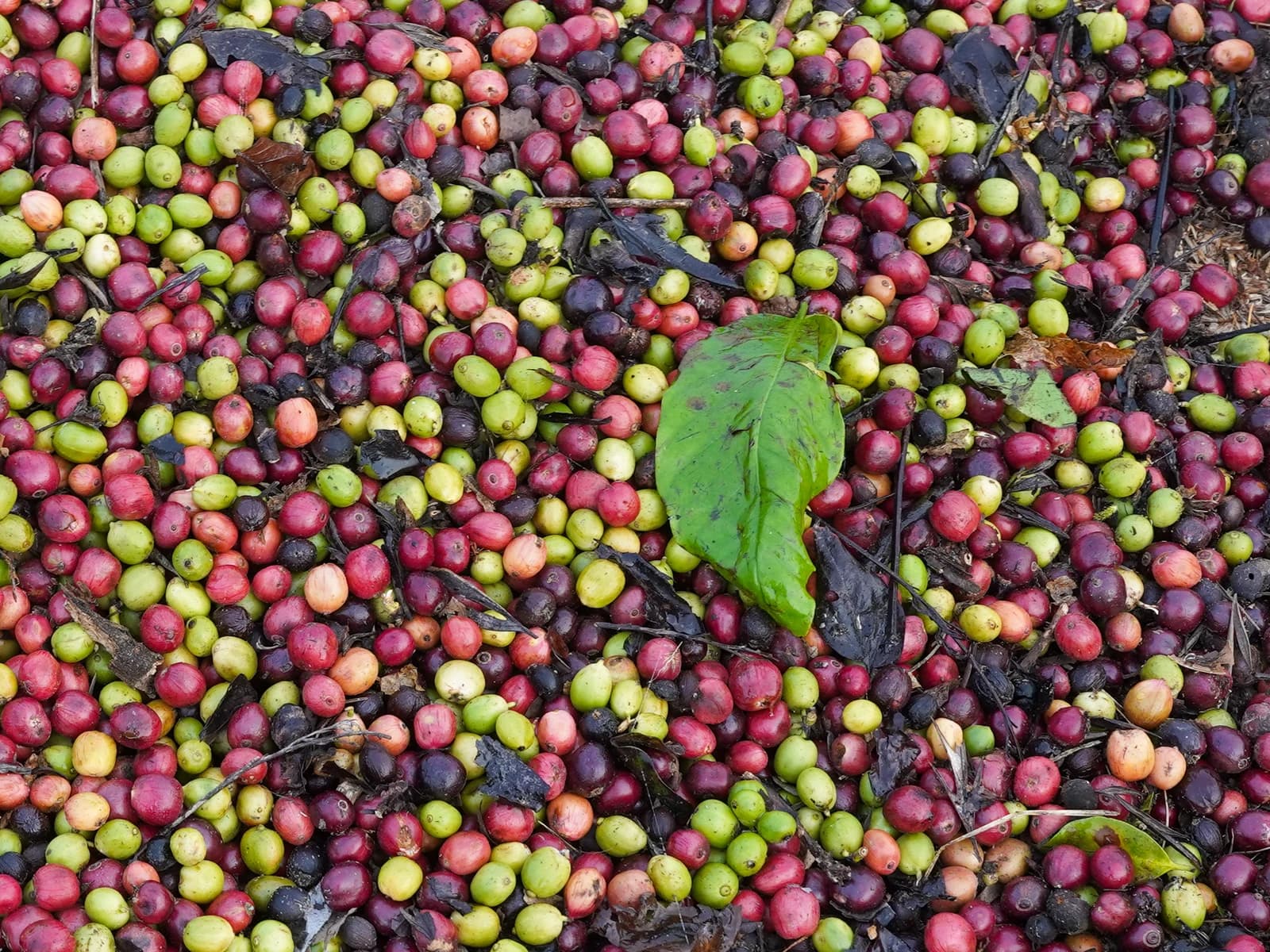
That matters because coffee is not just moving in local markets — the international benchmark is flashing the same message. London robusta futures rose across all maturities, with the November 2026 contract up 1.7% to $3,528 a ton, while New York arabica climbed 1.35% to 284.30 US cents a pound. When both contracts advance together, it usually points to a supply story rather than a one-off trade.
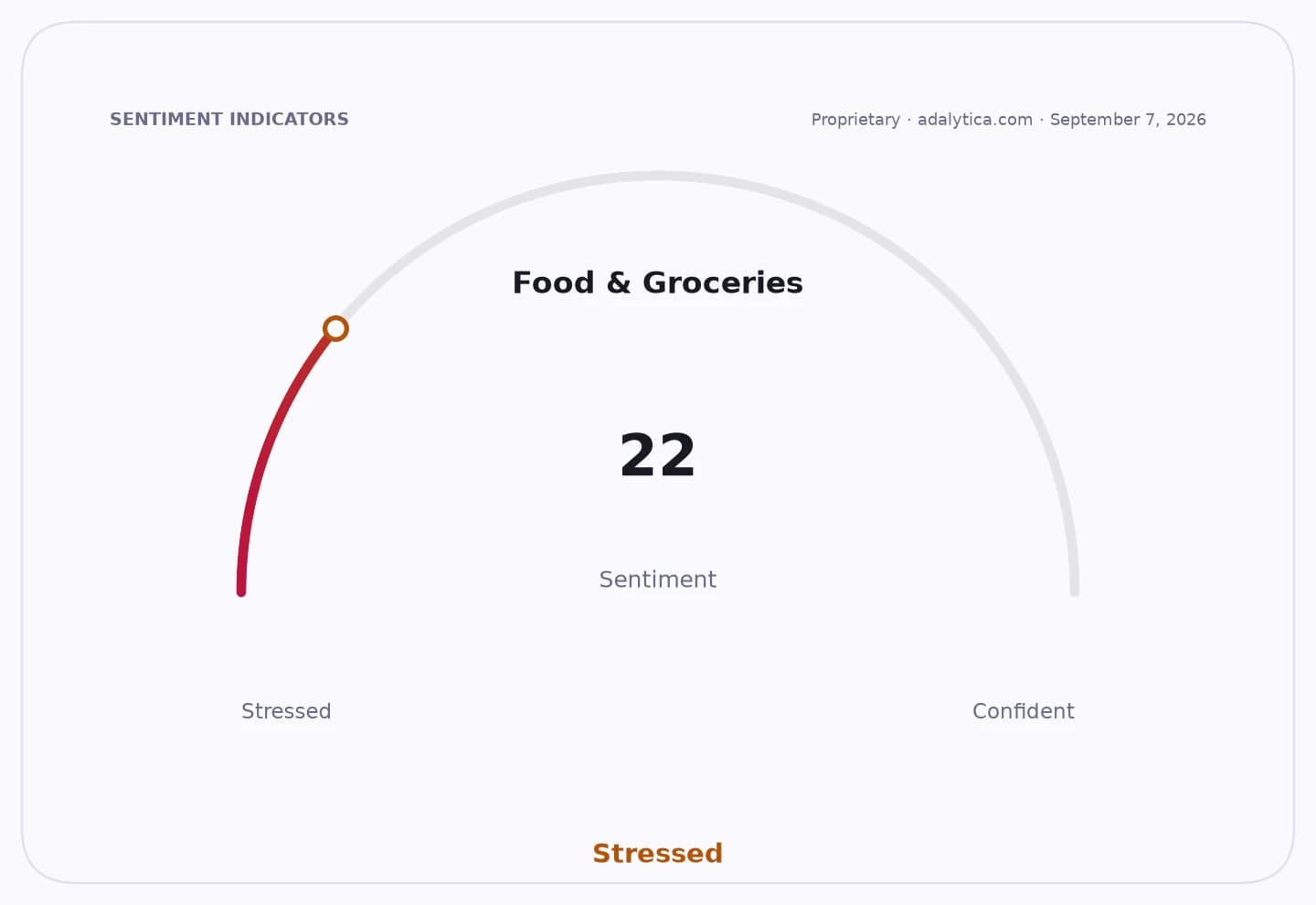
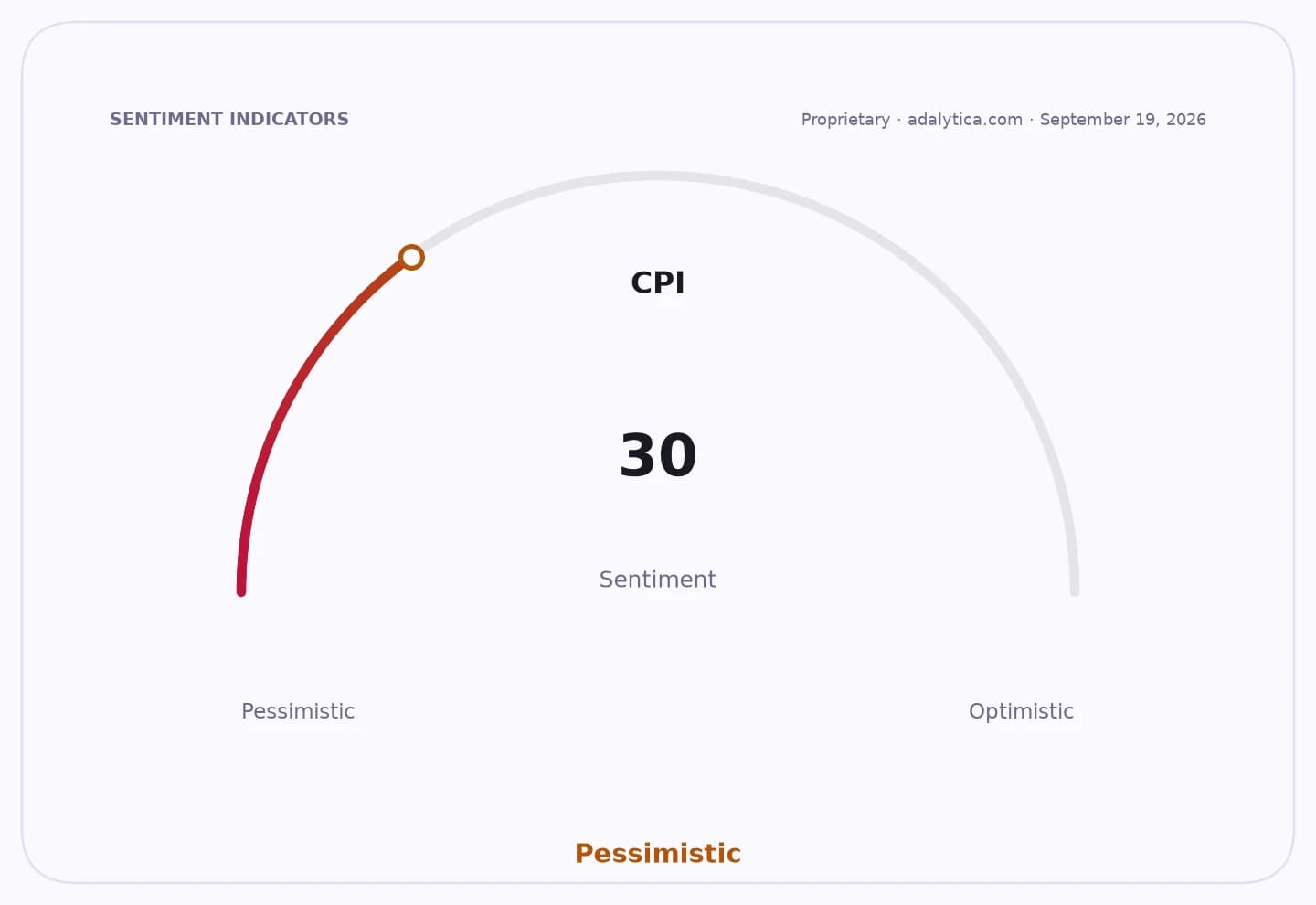
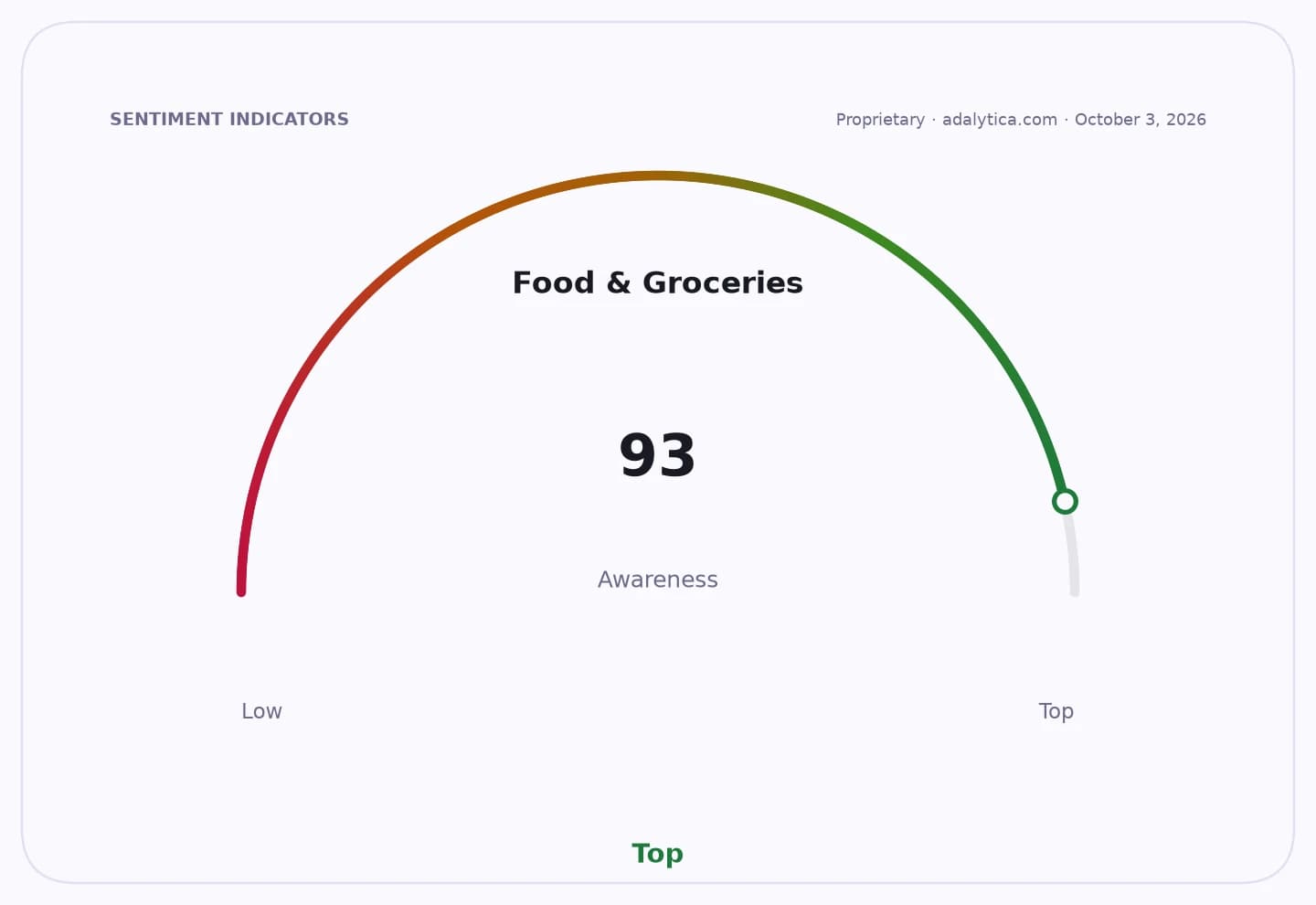
Sentiment IndicatorsⓘProprietary · adalytica.com · October 6, 2026
This is a snapshot — live sentiment, awareness and momentum for 130+ markets update continuously in the dashboard.Open AlphaPulse
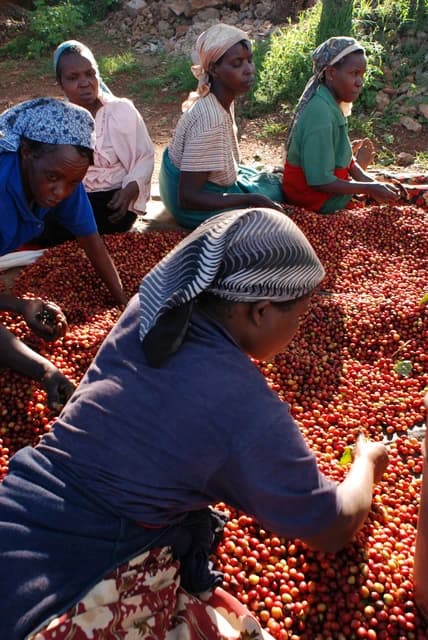
The economics are straightforward: a weaker US dollar, delayed new-crop availability in Vietnam and persistent concerns over Brazilian weather are keeping a floor under prices. Old-crop inventories have been depleted, and Vietnam’s main harvest has yet to fully come in, leaving the market short of immediate supply. In that setting, even a modest pickup in exchange prices quickly filters back to farm-gate prices.
For investors, the important takeaway is that coffee remains the better positioned soft commodity trade than pepper right now. The latest move keeps coffee near the 94,000 dong per kilogram zone in domestic buying prices, a level that supports producer margins and cash flow for growers, traders and exporters. Pepper, by contrast, is signaling balance rather than breakout — a market waiting for a catalyst, not one already in motion.
That divergence matters for listed agribusinesses, traders and consumer-facing food companies with exposure to coffee beans, roasting margins and procurement costs. As the new season unfolds, the market is likely to keep rewarding those positioned for continued coffee tightness while treating pepper as a range-bound trade. The opportunity here is to lean into the coffee supply chain — from exporters to processors — and avoid assuming pepper will deliver the same upside.
| Entity | Gains | Losses |
|---|---|---|
| Coffee growers | ▲Higher farm-gate prices | ▼Buyers facing tighter margins |
| Coffee exporters/processors | ▲Inventory value gains | ▼Cost of goods rises |
| Pepper farmers | ▲Stable pricing | ▼No breakout upside |
| Roasters/consumers | ▲— | ▼Higher input costs |