Supply conditions, not broad-based demand, set the tone for agricultural prices in August, producing a sharp divergence across Vietnam’s farm market that matters for farmers, exporters and food processors alike.
Vietnam farm prices split in August on supply
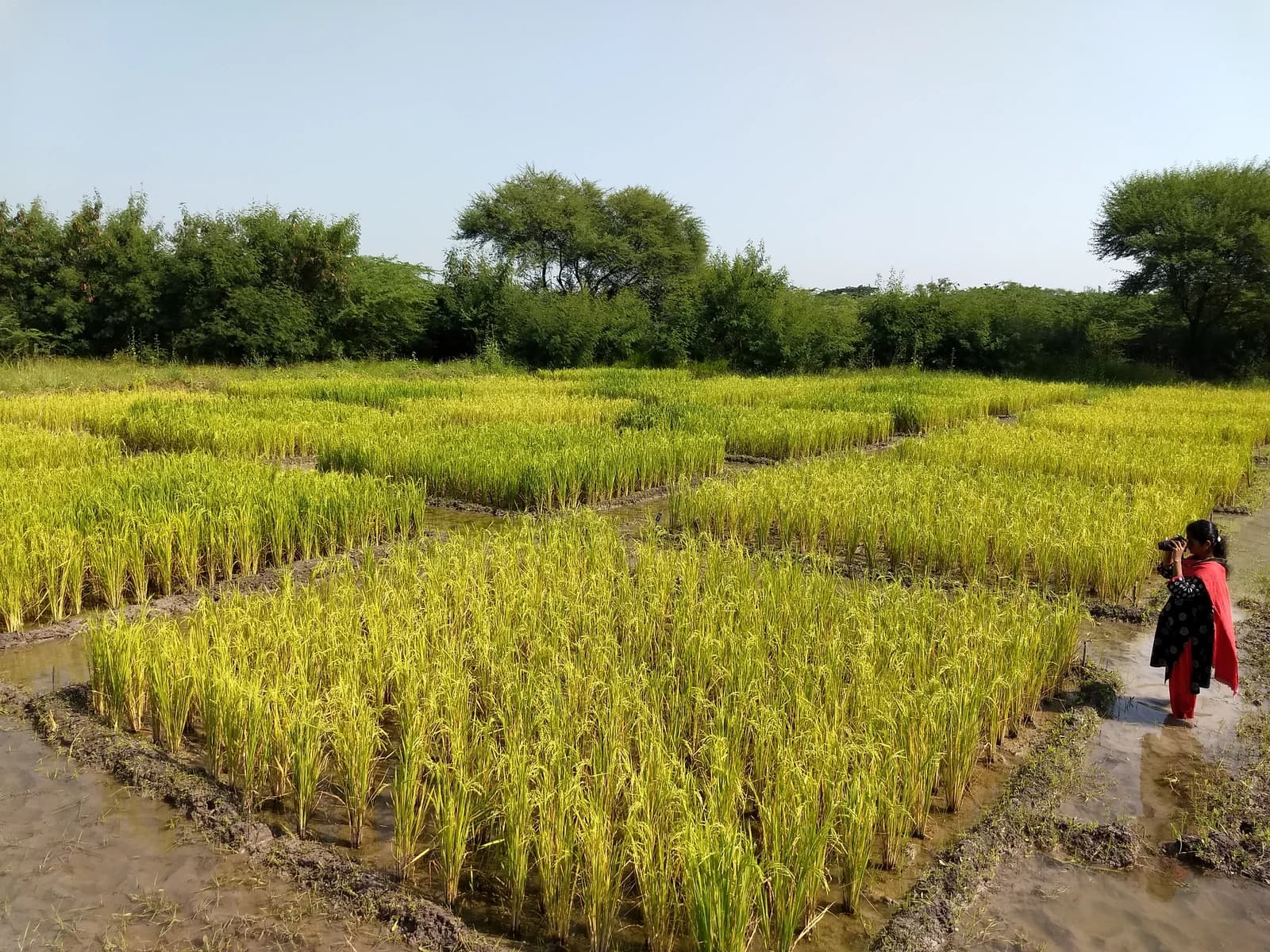
In the Mekong Delta, fresh paddy prices firmed even as harvest volumes improved, showing that export-linked demand and limited available stocks can outweigh a seasonal rise in supply. In contrast, rice raw materials weakened, livestock prices fell and several fruit and seafood products came under pressure as peak harvests flooded local markets.
Fresh paddy prices in An Giang rose across key varieties last month, with IR 50404 averaging 6,230 dong per kilogram, up 360 dong from July, while OM 5451 climbed to 6,540 dong, up 410 dong. Dai Thom and OM18 also increased. Yet raw rice prices continued to fall, with 5% broken milled rice down to 13,560 dong per kilogram and 25% broken rice slipping to 12,670 dong, indicating the price support was concentrated at the farm-gate rather than passing uniformly through the value chain.
The export market offered a clearer sign of where bargaining power sits. Vietnam’s 5% broken white rice averaged $437.3 a ton in August, up $15 from the prior month, while Thai rice weakened and Indian rice only edged higher. That spread matters because rice exports remain a major source of rural income and foreign-currency earnings, and stronger Vietnamese pricing suggests buyers are still absorbing supply from the country despite softer downstream domestic rice prices.
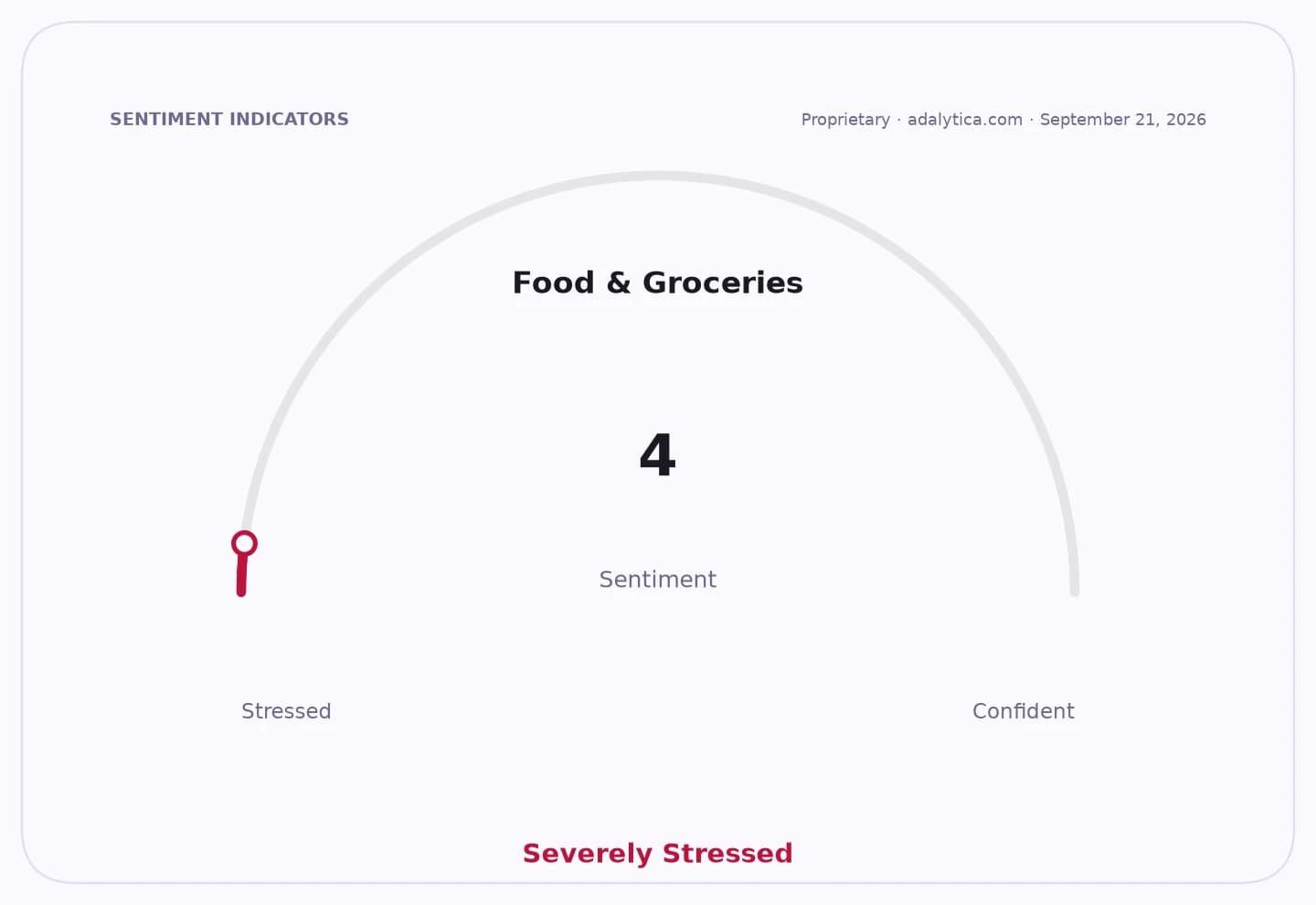
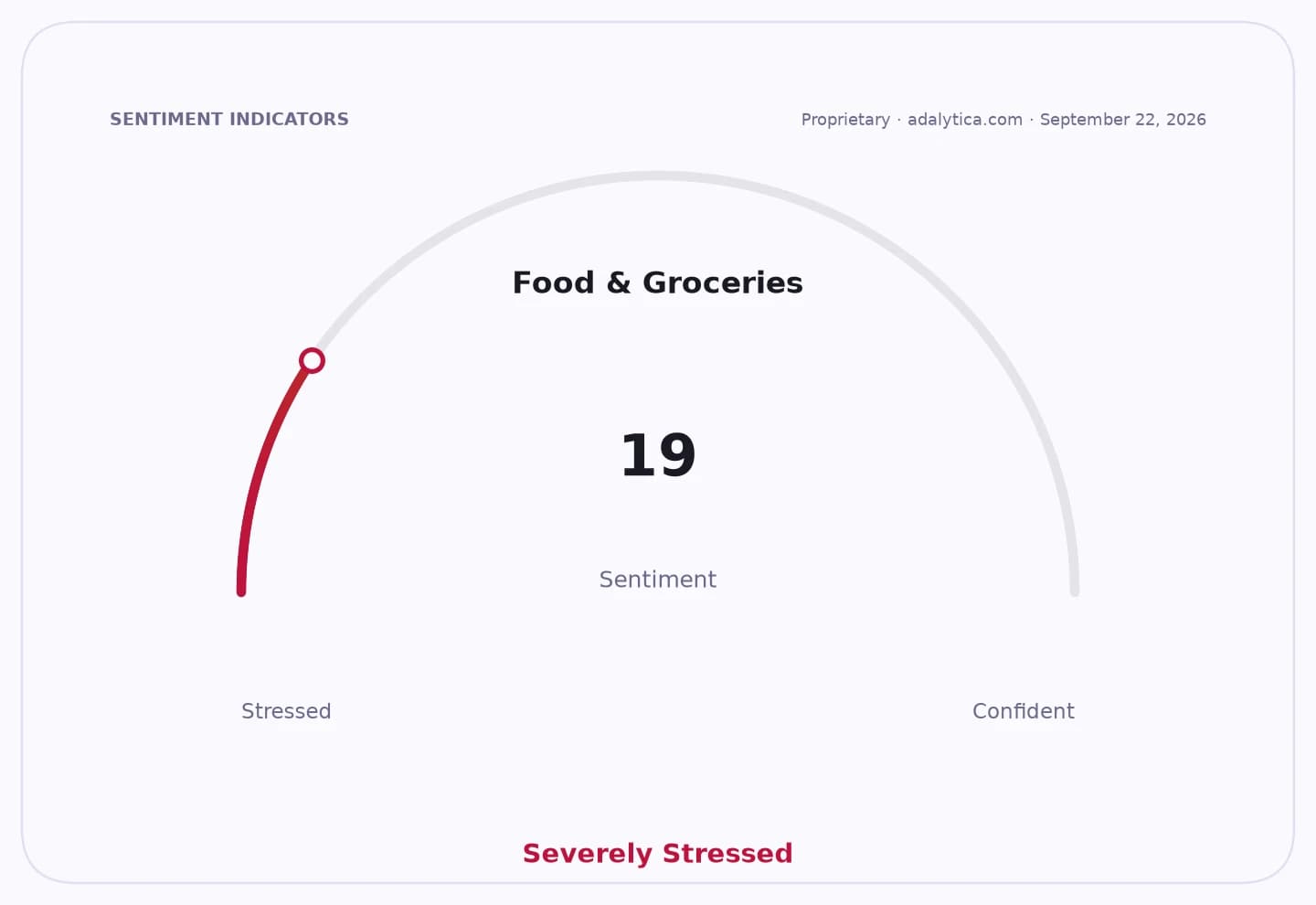
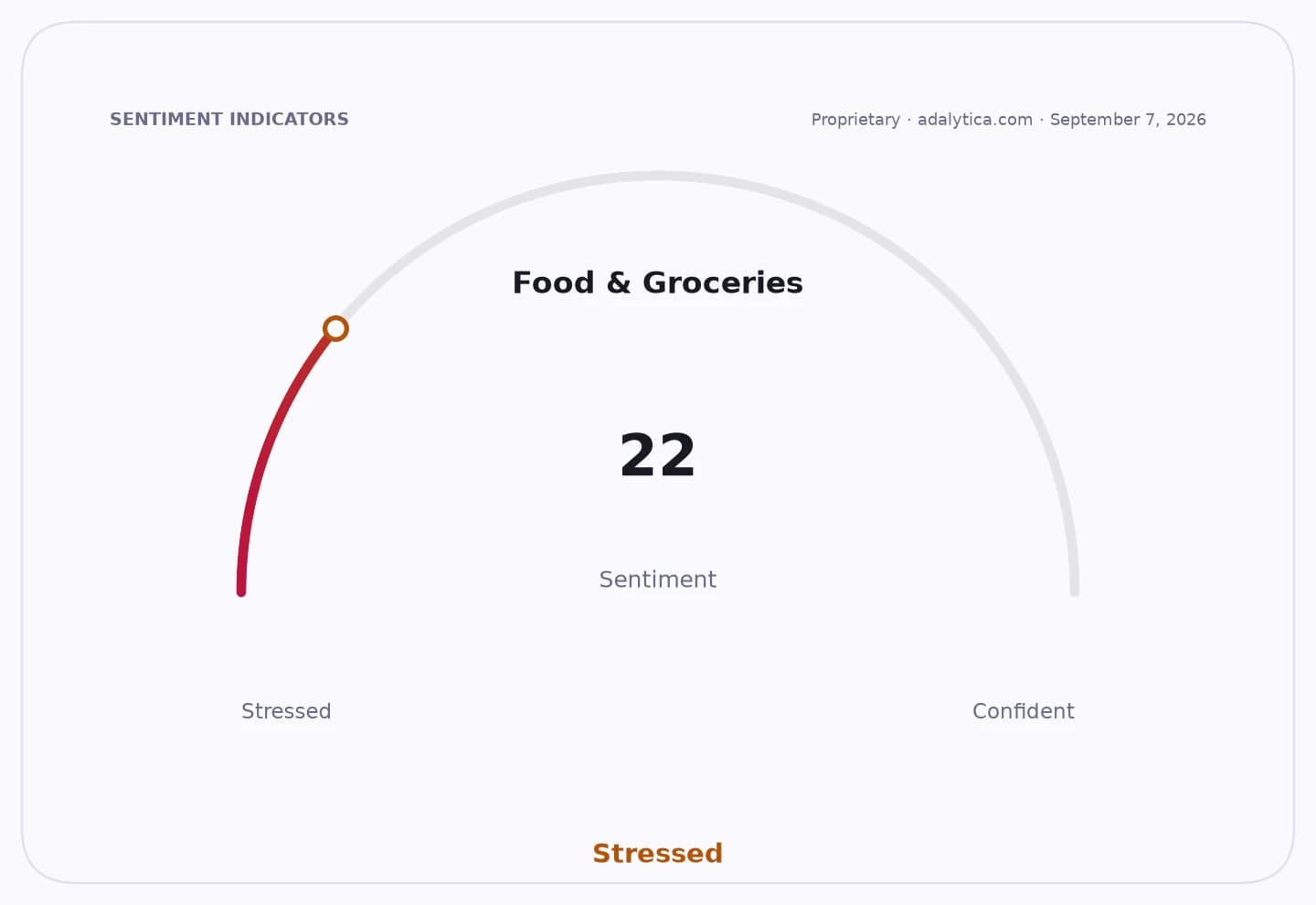
Food & Groceries vs SFMadalytica.com
Explore this data interactively — full history, time series and cross-market comparisons.Open AlphaPulse
Coffee showed a similar supply-driven tightening. Farm-gate prices in the Central Highlands rose by about 1,200 to 1,300 dong per kilogram, reaching around 96,300 dong to 97,000 dong depending on province, as old-crop supply nearly ran out and exporters continued to source beans to fill existing contracts. The domestic market was firmer even as global futures moved unevenly: London robusta for September fell to an average $3,725 a ton on rising supply and selling pressure, while New York arabica climbed to 344.5 US cents a pound on weather and supply concerns.
The split underscores a central point for investors and agribusiness buyers: local prices are being determined less by one national trend than by product-specific inventory cycles, harvest timing and export pull. Pepper prices fell about 3,000 dong per kilogram to 136,000-139,000 dong, showing how quickly prices can weaken when supply improves and demand is not strong enough to absorb it.
The pressure is more visible in protein and fruit markets. Pork prices dropped in all three regions, with northern live hogs at 59,000-60,000 dong per kilogram and the central and southern regions at 57,000-58,000 dong, reflecting ample supply and weaker consumption during the seventh lunar month. Shrimp prices also eased as harvests accelerated, with Cà Mau vannamei shrimp for 20-count size down about 12,000 dong to 171,000-176,000 dong per kilogram. By contrast, pangasius and black tiger shrimp were steadier, suggesting demand has been enough to stabilize some categories.
For food companies and retailers, the message is mixed. Lower livestock and seafood prices can ease input costs later in the chain, but the benefit is unlikely to be immediate or uniform because retail rice prices remained largely stable even as raw material prices fell. For exporters, firmer rice and coffee prices support revenue, but only if supply remains tight enough to offset any slowdown in global demand.
The August pattern points to a market entering the final months of the year with a split personality: commodities backed by export demand or constrained supply may hold up, while products in peak harvest face margin pressure. That leaves farmers, processors and traders highly exposed to timing, inventory and overseas demand as the year-end buying season approaches.
| Entity | Gains | Losses |
|---|---|---|
| Rice exporters | ▲Higher selling prices | ▼Softer competitors’ pricing |
| Coffee exporters | ▲Tight old-crop supply | ▼Higher bean procurement costs |
| Pork producers | ▲— | ▼Lower live-hog prices |
| Shrimp farmers | ▲Stable black tiger shrimp demand | ▼Vannamei price pressure |